Public Steam disclosure research25,376 disclosures tracked
Where do games disclose AI use?
Search developers’ Steam disclosures, compare classified AI use across
games, and follow recorded changes.
This index adds cross-game classifications and statistics to
statements published on individual store pages.
Groups reflect automatic analysis of public disclosures; mature records are excluded. These counts do not measure AI use across all of Steam.
Missing or unclear statements cannot establish whether a game uses AI.
The character, hat, background and icon artwork in the game, and the artwork on this store page, were created with AI image generation and then selected, cut out and adjusted by the developer. In-game text and translations were written with the help of AI tools. Nothing is generated by AI while you play.
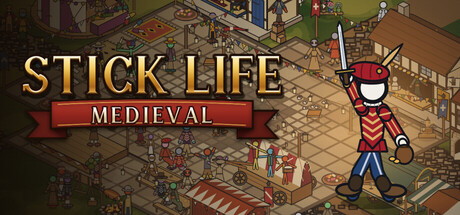
Stick Life: Medieval is designed and directed by a solo developer. Some of the game's code, its in-game writing, the artwork the game draws and parts of this store page were made with the help of generative AI tools, and some of its music was made with Suno, an AI music tool. All of it was played, reviewed and edited by the developer. Nothing is generated by AI while you play.
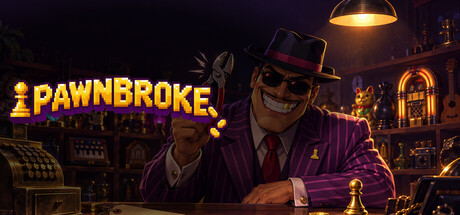
AI tools were used during development to create the pixel art, the game's text and promotional images. Pawnbroke does not generate AI content during gameplay.
The capsule and logo artwork was created with an AI image generator. Some of the game's code and parts of the written dialogue were produced with the help of an AI assistant, then reviewed and edited by the developer. No content is generated by AI while the game is running.
Some content was made with generative AI: the game's logo, and much of the in-game writing (tutorial text, shop item names and descriptions, and other on-screen text), which was drafted with an AI assistant and edited by the developer. Parts of this store page were written the same way. Everything else - rooms, props, characters, sound and gameplay - is made procedurally in code or comes from CC0 asset kits. Nothing is generated by AI while you play.
An AI-generated sketch is used as a starting point. Everything else is made by a human: every shipped image is redrawn and retouched by hand, and the code, game design and texts are written by the developer.
Currently, AI‑assisted Photoshop image editing is only used for the Steam store‑page assets. No AI is utilized within the game itself. All image and audio assets are either sourced from free open‑source resources or purchased commercially.
Generative AI was used for some Steam store and marketing materials only (section banners and draft store copy). These assets were reviewed and edited before publishing.
No generative AI is used in the shipped game at runtime. In-game 3D furniture, environments, and gameplay content are created with traditional art and development tools (purchased/licensed assets and original work). AI-assisted coding tools were used during development; they are not used to generate player-facing game content.
Generative AI assisted in creating selected illustrations, visual assets, narrative text, and translations during development, including store materials. No content is generated by AI during gameplay.
Some visual assets were created with the assistance of generative AI during development, while others were created manually. AI-assisted assets were reviewed and adjusted by the developer. The game does not generate AI content during gameplay.
This game uses generative AI tools for the creation of certain static visual assets, including background images, loading screens, character portraits, marketing materials, and depictions of aircraft.
Some in-game text, the translations into seven languages and parts of the artwork and store material were created with the help of generative AI tools, then reviewed and edited by the developer. The game does not use AI to generate any content while you play and does not connect to any AI service.
TV Dynasty Manager was designed by a solo developer. The game idea, the gameplay systems and the original German texts were created by the developer.
Generative AI was used as a tool for some parts, and all results were reviewed and edited by hand:
- Store artwork, logos and the main menu background image
- Translations of the German original into English, Spanish, French, Italian, Portuguese, Japanese, Russian and Chinese
- Help with some in-game descriptions (shows, films, characters)
The game does not use AI while you play.
Clade is made by a small independent developer. During development, AI tools were used to help write some of the game's code, and to create some placeholder 3D models and text. All placeholder art is being replaced with handmade work, and this note will be updated as that happens. The game does not generate any content with AI while you play. The computer controlled empires are traditional game AI written for Clade, not generative AI.
Some visual assets in this game (such as illustrations, icons, and background images) were created with the assistance of generative AI tools. All AI-generated content was reviewed, edited, and curated by our development team before being included in the game.
Generative AI tools may be used during development to assist in creating certain pre-generated visual, written, audio, or marketing content. All such content is reviewed and curated by the development team before inclusion. The game does not use generative AI to generate content during gameplay.
Generative AI tools were used during the development of this game to assist with creating certain visual assets, audio assets, and programming code. All AI-assisted content has been reviewed, edited, and integrated by the developer to ensure consistency with the game's artistic direction and overall quality. The game does not use generative AI to create content during gameplay.
Some of the game's pre-made content was created with the help of generative AI tools and then edited and checked by the developer: character, monster, item and background artwork, store artwork, music and sound effects. The game does not generate any content with AI while you play.
Generative AI tools were used during development to assist with the creation and refinement of certain in-game visual assets, promotional artwork, and portions of text/localization. All AI-assisted content was reviewed, edited, and integrated by the developer. No generative AI is used during gameplay, and no content is generated live for players.
Korsaros Online uses a hybrid creative workflow combining generative AI tools with manual editing and integration for some artwork, 3D models, and music, including Steam marketing assets. These assets are reviewed before inclusion.
Generative AI was used during development to create in-game artwork, music, sound effects, text, and translations, as well as store and promotional artwork. The game does not generate AI content during gameplay.
Generative AI tools were used during development to assist with localization and the creation of some game assets. Generative AI is not used to generate content during gameplay, and the game does not connect to external AI services during execution.
Generative AI tools were used in a supporting role for parts of our art, sound, and translation work. For art assets in particular, we avoid using AI-generated output as-is; AI serves mainly as a starting point and reference, and much of the final artwork is reworked and finalized by our team.
Generative AI was used to create selected promotional artwork for the Steam store page and to assist with the localization of store text. All generated content was reviewed and edited by the developer. No generative AI is used during gameplay, and the game does not connect to external AI services.
This game uses generative AI for some of its assets. Character portraits and promotional illustrations were created with AI image tools (ChatGPT), 3D landmark models with Tripo3D, sound effects with ElevenLabs, and the background music and theme song with Suno. The English and Simplified Chinese localization was drafted with AI assistance. All AI-generated content was reviewed, edited and selected by the developer before shipping. Nothing is generated live during gameplay.
AI tools were used during development to assist in creating and iterating on some pre-generated assets. These assets were subsequently selected, edited, integrated, and reviewed by the developers before inclusion in the game. The game does not generate AI content during gameplay.
Generative AI was used to assist with localization and to create some sprites included in this demo. We plan to replace these icons with original artwork for the full release.
Character illustrations, backgrounds, cutscene videos, voice acting and music were created with generative AI tools, then selected and edited by our team. The story, dialogue and game systems were written and designed by the developer with AI assistance. No content is generated by AI during gameplay.
Some scenery, creature and equipment sprites, as well as some quest texts, were created with the help of generative AI tools, then manually edited and reviewed before integration. Playable characters (Liberated Pixel Cup), music and main texts are human-created works.
During play, some NPCs offer optional, private text conversations generated by external AI services through our game server. A short memory summary may be generated to help that NPC remember previous conversations with the same player. These conversations are separate from scripted quest dialogue and cannot grant quests, items or rewards. This feature has usage limits and carries no additional charge.
AI was used as a supporting tool during the development of this game. However, the original game idea and its underlying concept were created several years ago and were developed entirely independently of AI.
The entire project is being created by a solo developer with a university degree in Game Design. Over the years, several hundred hours of work, experience, creativity, and personal passion have gone into the concept, development, and realization of the game.
AI was used to assist with certain parts of the development process. This includes support with coding as well as some aspects of soundtrack and visual asset creation. Many of the visual assets were subsequently edited, refined, adapted, or partially recreated manually using image editing software to achieve the intended style and quality.
AI was also used as a supporting tool for written content, primarily to make minor improvements to texts written by the developer and to correct grammar and wording.
AI therefore serves as an additional tool within the development process. The original game concept, game design, creative decisions, final direction, and implementation of the game remain the work of the developer. Various sounds and some of the soundtracks used in the game were also created and composed by the developer.
Hold My Cargo is made by a three-person team at Favera Studio. Like many small studios, we use AI-assisted tools as part of our production pipeline — for exploring concepts and marketing artwork, speeding up parts of 3D asset, animation and texture work, drafting text and running automated testing. Every asset, animation and line of text that ships in the game is directed, reviewed, edited and approved by the team; nothing goes in unseen. The game does not generate any content at runtime — there is no live AI in Hold My Cargo, and no player data is sent to AI services.
Decorative artwork and background shop-window textures in the game, as well as Steam store capsule artwork, library artwork, logos and icons, were generated with AI before release. No AI content is generated during gameplay.
Some of the game's pre-rendered assets were created with generative AI tools during development and then reviewed, edited and integrated by the developer: parts of the pixel art, parts of the sound effects, and the translations from the English original. Nothing is generated while you play: the game uses no AI at runtime and collects no player data for AI training.
Pre-generated background graphics were created using generative AI and were subsequently selected for use in the game. The game contains no live-generated AI content and no AI interactions during gameplay.
Bringing together, refining, reviewing and coordinating the different disciplines into a functional complete game. All content was integrated into the development process, tested and aligned with the overall project before becoming part of the released version.
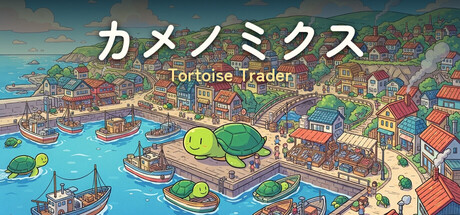
The in-game illustrations in this game were created with generative AI image tools. This covers:
- The background art for the 16 town illustrations
- The turtle and enemy character art
- The single-image art for the opening and ending
- The dojo and battle backgrounds
- The celebration art shown at gold milestones
- The application icon
The developer selected from the generated candidates and adjusted them (resizing, cropping and similar) before including them in the game.
Generative AI was also used for part of the text:
- All English text was translated from Japanese with generative AI
- In the Japanese version, the on-screen guidance, the how-to-play pages, item descriptions, the store description, and some names of goods, places and characters were written with the help of generative AI
Generative AI was not used for:
- The opening and ending text
- Music and sound effects (these are synthesized by the program's own waveform code)
- The developer's logo
The game never calls generative AI while it is running. It can be played offline; its only external communication is with the Steam client, to record Steam achievements.
The background music in this game was created using generative AI. Generative AI was also used for the translations into the nine languages other than Korean, and for the achievement icons. The game design, the original Korean writing, and the character pixel art are human-made.
Parts of this game were made with the help of generative AI tools:
- 3,928 of the 6,608 character portraits were created with generative AI tools and then selected and retouched by a person. The other 2,404 are historical images from public archives such as Wikimedia Commons, and 276 reuse an existing picture.
- The title-screen key art was created with generative AI.
- The character biographies and historical event texts were written with the assistance of generative AI, based on historical sources, and edited by the developer.
- The English, Japanese and Traditional Chinese translations were produced with the assistance of generative AI.
No content is generated by AI while the game is running.
Some of the artworks, such as textures and illustrative elements, were created or enhanced using AI-based tools. All generated content has been reviewed, edited, and integrated to ensure consistency with the overall visual style and quality of the game.
No AI is used during gameplay.
Generative AI has been used to help work with coding.
All Assets (art, models, animations, sprites/textures, sounds and music have been made by myself or have been bought)
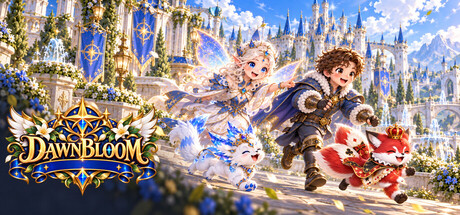
DAWNBLOOM uses generative AI-assisted tools during the development of certain game content. The in-game “Dawnbloom Spirit” feature connects to a generative AI service to provide real-time text responses to players’ game-related questions, including game knowledge, gameplay explanations, and general guidance. This feature generates auxiliary text content only. It does not generate or modify game code, nor does it directly control game rules, character data, or player assets.
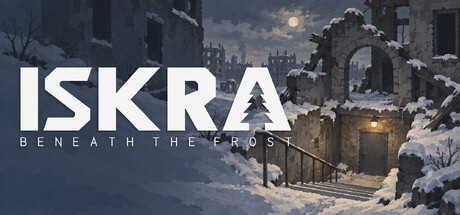
ISKRA currently includes AI-generated artwork prepared during development. We plan to replace this artwork with work created by human artists before leaving Early Access, giving the game the individual artistic identity we envision.
The character, hat, background and icon artwork in the game, and the artwork on this store page, were created with AI image generation and then selected, cut out and adjusted by the developer. In-game text and translations were written with the help of AI tools. Nothing is generated by AI while you play.
Stick Life: Medieval is designed and directed by a solo developer. Some of the game's code, its in-game writing, the artwork the game draws and parts of this store page were made with the help of generative AI tools, and some of its music was made with Suno, an AI music tool. All of it was played, reviewed and edited by the developer. Nothing is generated by AI while you play.
AI tools were used during development to create the pixel art, the game's text and promotional images. Pawnbroke does not generate AI content during gameplay.
The capsule and logo artwork was created with an AI image generator. Some of the game's code and parts of the written dialogue were produced with the help of an AI assistant, then reviewed and edited by the developer. No content is generated by AI while the game is running.
Some content was made with generative AI: the game's logo, and much of the in-game writing (tutorial text, shop item names and descriptions, and other on-screen text), which was drafted with an AI assistant and edited by the developer. Parts of this store page were written the same way. Everything else - rooms, props, characters, sound and gameplay - is made procedurally in code or comes from CC0 asset kits. Nothing is generated by AI while you play.
An AI-generated sketch is used as a starting point. Everything else is made by a human: every shipped image is redrawn and retouched by hand, and the code, game design and texts are written by the developer.
Currently, AI‑assisted Photoshop image editing is only used for the Steam store‑page assets. No AI is utilized within the game itself. All image and audio assets are either sourced from free open‑source resources or purchased commercially.
Generative AI was used for some Steam store and marketing materials only (section banners and draft store copy). These assets were reviewed and edited before publishing.
No generative AI is used in the shipped game at runtime. In-game 3D furniture, environments, and gameplay content are created with traditional art and development tools (purchased/licensed assets and original work). AI-assisted coding tools were used during development; they are not used to generate player-facing game content.
Generative AI assisted in creating selected illustrations, visual assets, narrative text, and translations during development, including store materials. No content is generated by AI during gameplay.
Some visual assets were created with the assistance of generative AI during development, while others were created manually. AI-assisted assets were reviewed and adjusted by the developer. The game does not generate AI content during gameplay.
This game uses generative AI tools for the creation of certain static visual assets, including background images, loading screens, character portraits, marketing materials, and depictions of aircraft.
Some in-game text, the translations into seven languages and parts of the artwork and store material were created with the help of generative AI tools, then reviewed and edited by the developer. The game does not use AI to generate any content while you play and does not connect to any AI service.
TV Dynasty Manager was designed by a solo developer. The game idea, the gameplay systems and the original German texts were created by the developer.
Generative AI was used as a tool for some parts, and all results were reviewed and edited by hand:
- Store artwork, logos and the main menu background image
- Translations of the German original into English, Spanish, French, Italian, Portuguese, Japanese, Russian and Chinese
- Help with some in-game descriptions (shows, films, characters)
The game does not use AI while you play.
Clade is made by a small independent developer. During development, AI tools were used to help write some of the game's code, and to create some placeholder 3D models and text. All placeholder art is being replaced with handmade work, and this note will be updated as that happens. The game does not generate any content with AI while you play. The computer controlled empires are traditional game AI written for Clade, not generative AI.
Some visual assets in this game (such as illustrations, icons, and background images) were created with the assistance of generative AI tools. All AI-generated content was reviewed, edited, and curated by our development team before being included in the game.
Generative AI tools may be used during development to assist in creating certain pre-generated visual, written, audio, or marketing content. All such content is reviewed and curated by the development team before inclusion. The game does not use generative AI to generate content during gameplay.
Generative AI tools were used during the development of this game to assist with creating certain visual assets, audio assets, and programming code. All AI-assisted content has been reviewed, edited, and integrated by the developer to ensure consistency with the game's artistic direction and overall quality. The game does not use generative AI to create content during gameplay.
Some of the game's pre-made content was created with the help of generative AI tools and then edited and checked by the developer: character, monster, item and background artwork, store artwork, music and sound effects. The game does not generate any content with AI while you play.
Generative AI tools were used during development to assist with the creation and refinement of certain in-game visual assets, promotional artwork, and portions of text/localization. All AI-assisted content was reviewed, edited, and integrated by the developer. No generative AI is used during gameplay, and no content is generated live for players.
Korsaros Online uses a hybrid creative workflow combining generative AI tools with manual editing and integration for some artwork, 3D models, and music, including Steam marketing assets. These assets are reviewed before inclusion.
Generative AI was used during development to create in-game artwork, music, sound effects, text, and translations, as well as store and promotional artwork. The game does not generate AI content during gameplay.
Generative AI tools were used during development to assist with localization and the creation of some game assets. Generative AI is not used to generate content during gameplay, and the game does not connect to external AI services during execution.
Generative AI tools were used in a supporting role for parts of our art, sound, and translation work. For art assets in particular, we avoid using AI-generated output as-is; AI serves mainly as a starting point and reference, and much of the final artwork is reworked and finalized by our team.
Generative AI was used to create selected promotional artwork for the Steam store page and to assist with the localization of store text. All generated content was reviewed and edited by the developer. No generative AI is used during gameplay, and the game does not connect to external AI services.
This game uses generative AI for some of its assets. Character portraits and promotional illustrations were created with AI image tools (ChatGPT), 3D landmark models with Tripo3D, sound effects with ElevenLabs, and the background music and theme song with Suno. The English and Simplified Chinese localization was drafted with AI assistance. All AI-generated content was reviewed, edited and selected by the developer before shipping. Nothing is generated live during gameplay.
AI tools were used during development to assist in creating and iterating on some pre-generated assets. These assets were subsequently selected, edited, integrated, and reviewed by the developers before inclusion in the game. The game does not generate AI content during gameplay.
Generative AI was used to assist with localization and to create some sprites included in this demo. We plan to replace these icons with original artwork for the full release.
Character illustrations, backgrounds, cutscene videos, voice acting and music were created with generative AI tools, then selected and edited by our team. The story, dialogue and game systems were written and designed by the developer with AI assistance. No content is generated by AI during gameplay.
Some scenery, creature and equipment sprites, as well as some quest texts, were created with the help of generative AI tools, then manually edited and reviewed before integration. Playable characters (Liberated Pixel Cup), music and main texts are human-created works.
During play, some NPCs offer optional, private text conversations generated by external AI services through our game server. A short memory summary may be generated to help that NPC remember previous conversations with the same player. These conversations are separate from scripted quest dialogue and cannot grant quests, items or rewards. This feature has usage limits and carries no additional charge.
AI was used as a supporting tool during the development of this game. However, the original game idea and its underlying concept were created several years ago and were developed entirely independently of AI.
The entire project is being created by a solo developer with a university degree in Game Design. Over the years, several hundred hours of work, experience, creativity, and personal passion have gone into the concept, development, and realization of the game.
AI was used to assist with certain parts of the development process. This includes support with coding as well as some aspects of soundtrack and visual asset creation. Many of the visual assets were subsequently edited, refined, adapted, or partially recreated manually using image editing software to achieve the intended style and quality.
AI was also used as a supporting tool for written content, primarily to make minor improvements to texts written by the developer and to correct grammar and wording.
AI therefore serves as an additional tool within the development process. The original game concept, game design, creative decisions, final direction, and implementation of the game remain the work of the developer. Various sounds and some of the soundtracks used in the game were also created and composed by the developer.
Hold My Cargo is made by a three-person team at Favera Studio. Like many small studios, we use AI-assisted tools as part of our production pipeline — for exploring concepts and marketing artwork, speeding up parts of 3D asset, animation and texture work, drafting text and running automated testing. Every asset, animation and line of text that ships in the game is directed, reviewed, edited and approved by the team; nothing goes in unseen. The game does not generate any content at runtime — there is no live AI in Hold My Cargo, and no player data is sent to AI services.
Decorative artwork and background shop-window textures in the game, as well as Steam store capsule artwork, library artwork, logos and icons, were generated with AI before release. No AI content is generated during gameplay.
Some of the game's pre-rendered assets were created with generative AI tools during development and then reviewed, edited and integrated by the developer: parts of the pixel art, parts of the sound effects, and the translations from the English original. Nothing is generated while you play: the game uses no AI at runtime and collects no player data for AI training.
Pre-generated background graphics were created using generative AI and were subsequently selected for use in the game. The game contains no live-generated AI content and no AI interactions during gameplay.
Bringing together, refining, reviewing and coordinating the different disciplines into a functional complete game. All content was integrated into the development process, tested and aligned with the overall project before becoming part of the released version.
The in-game illustrations in this game were created with generative AI image tools. This covers:
- The background art for the 16 town illustrations
- The turtle and enemy character art
- The single-image art for the opening and ending
- The dojo and battle backgrounds
- The celebration art shown at gold milestones
- The application icon
The developer selected from the generated candidates and adjusted them (resizing, cropping and similar) before including them in the game.
Generative AI was also used for part of the text:
- All English text was translated from Japanese with generative AI
- In the Japanese version, the on-screen guidance, the how-to-play pages, item descriptions, the store description, and some names of goods, places and characters were written with the help of generative AI
Generative AI was not used for:
- The opening and ending text
- Music and sound effects (these are synthesized by the program's own waveform code)
- The developer's logo
The game never calls generative AI while it is running. It can be played offline; its only external communication is with the Steam client, to record Steam achievements.
The background music in this game was created using generative AI. Generative AI was also used for the translations into the nine languages other than Korean, and for the achievement icons. The game design, the original Korean writing, and the character pixel art are human-made.
Parts of this game were made with the help of generative AI tools:
- 3,928 of the 6,608 character portraits were created with generative AI tools and then selected and retouched by a person. The other 2,404 are historical images from public archives such as Wikimedia Commons, and 276 reuse an existing picture.
- The title-screen key art was created with generative AI.
- The character biographies and historical event texts were written with the assistance of generative AI, based on historical sources, and edited by the developer.
- The English, Japanese and Traditional Chinese translations were produced with the assistance of generative AI.
No content is generated by AI while the game is running.
Some of the artworks, such as textures and illustrative elements, were created or enhanced using AI-based tools. All generated content has been reviewed, edited, and integrated to ensure consistency with the overall visual style and quality of the game.
No AI is used during gameplay.
Generative AI has been used to help work with coding.
All Assets (art, models, animations, sprites/textures, sounds and music have been made by myself or have been bought)
DAWNBLOOM uses generative AI-assisted tools during the development of certain game content. The in-game “Dawnbloom Spirit” feature connects to a generative AI service to provide real-time text responses to players’ game-related questions, including game knowledge, gameplay explanations, and general guidance. This feature generates auxiliary text content only. It does not generate or modify game code, nor does it directly control game rules, character data, or player assets.
ISKRA currently includes AI-generated artwork prepared during development. We plan to replace this artwork with work created by human artists before leaving Early Access, giving the game the individual artistic identity we envision.