Public Steam disclosure research25,376 disclosures tracked
Where do games disclose AI use?
Search developers’ Steam disclosures, compare classified AI use across
games, and follow recorded changes.
This index adds cross-game classifications and statistics to
statements published on individual store pages.
Groups reflect automatic analysis of public disclosures; mature records are excluded. These counts do not measure AI use across all of Steam.
Missing or unclear statements cannot establish whether a game uses AI.
Generative AI tools were used during development as part of the production workflow for pre-generated visual, 3D, audio, written, and localization content included in the game. All final content was selected, reviewed, edited, adapted, and integrated as part of the game's development process. No generative AI systems run during gameplay and no content is generated dynamically for players.
Generative AI tools were used during development to assist in creating some of the game's visual art assets, primarily including certain card illustrations and related image assets. AI-generated content is used only during the development process and is not generated live while the game is running. All AI-assisted assets included in the final game are manually reviewed, selected, adjusted, and approved by the developer before being added to the game.
Used for steam capsule images and card artworks TEMPORARILY. All AI generated assets will be replaced on release if estimated revenue can atleast fund it.
Generative AI was used to create some of the illustrations featured on collectible cards. The card layouts and designs were manually created and edited.
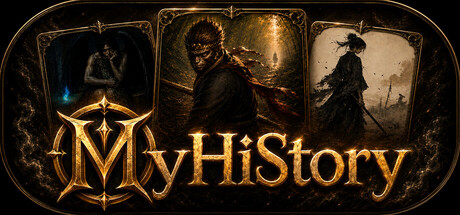
Some pre-generated artwork and audio included in MyHiStory were created with the assistance of generative AI during development. These assets were selected, reviewed, and curated by the developer before inclusion in the game. MyHiStory does not use generative AI to generate content or code while the game is running.
Some visual assets in the game, including certain card illustrations and UI elements, were created with the assistance of generative AI tools. These assets were generated during development and are included as pre-generated content in the game.
We use generative AI to assist with writing and localizing the game's text. All art and audio are procedurally generated by our own code or sourced from CC0 libraries. No content is generated by AI in real time during gameplay.
This game uses AI generation tools at several stages of development.
- Artwork: the card illustrations and key art use images produced with AI image-generation tools.
The developer selected, cropped, and adjusted the outputs — and discarded the ones that did not
fit — before integrating them into the game.
- Text: card flavor text and story prose were drafted with AI assistance, then edited and finalized
by the developer. The world setting and narrative structure were decided by the developer.
- Localization: the English text was translated with AI assistance and reviewed by the developer.
No content is generated by AI while the game is running. Everything is pre-generated during development.
Generative AI tools were used to assist in creating select 2D artwork for this game illustrations for collectible cards, artwork for the card battle/arena scene, and the game's logo and store capsule art. All AI-assisted artwork was selected, edited, and finalized by the development team before inclusion. Generative AI was not used to create the 3D open-world environment, or other gameplay systems/mechanics. This is for the demo build, and some or all AI-assisted art may be replaced with original human-made artwork in the full release.
This game was developed through collaboration between the developer and AI tools across most content (art, writing, design); in-game translations were generated by AI.
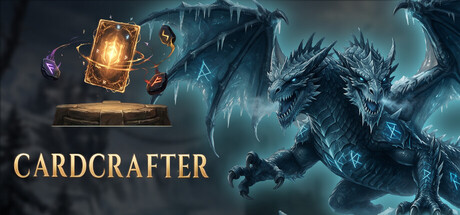
CardCrafter uses generative AI to create some of the content shipped with the game:
• Art: card illustrations, character and enemy portraits, icons, currencies and background scenes are created primarily with generative image models, then curated, post-processed and integrated by human.
• Audio: some sound effects and background music are created with generative AI tools.
• Text & localization: In-game text such as card descriptions is drafted with AI assistance and edited by hand; the Simplified Chinese and English localizations are machine-translated first, then human-proofread.
All of this content is pre-generated during development and baked into the game. The game does not generate any AI content at runtime, and never sends player input to an AI. Everything produced with AI is reviewed and selected by human before inclusion.
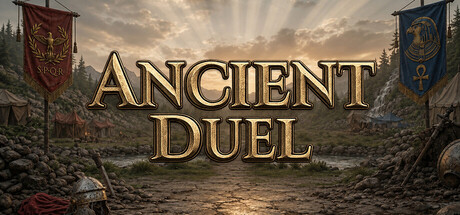
Generative AI tools were used during development to assist with the creation and refinement of some pre-generated visual artwork and marketing assets. All AI-assisted content was reviewed, edited, and integrated by the developer. Ancient Duel does not generate AI content during gameplay.
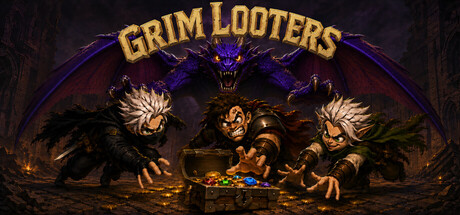
The visual assets in Grim Looters — character, monster, item and card artwork, plus the store and marketing images — were created with the assistance of generative AI image tools and then curated, edited, and assembled by the developer. Some background music was AI-assisted. All AI-generated content is reviewed by the developer to ensure it is appropriate and cleared for use. No AI content is generated live during gameplay.
Generative AI tools were used during development to assist with programming and to create or refine portions of the game’s artwork, visual assets, sound effects, and other audio. All AI-assisted content was selected, edited, integrated, and reviewed by the developer. The game does not generate AI content or connect to external AI services during gameplay.
Generative artwork is used in the creation of part or full of assets that can not be generated by the game engine. AI is used in the drafting of art and writing before it is reviewed and heavily edited.
Darcnia Monster is made by a single independent developer. Some of the game's visual assets — background illustrations, cinematic scenes, and character and card artwork — were created with the help of generative AI image tools, and the in-game character voices were produced using AI voice synthesis. Every AI-assisted asset was hand-selected, edited, and integrated by the developer to match the game's art direction and story. No AI runs while you play: nothing is generated in real time, and no player data is ever sent to any AI service.
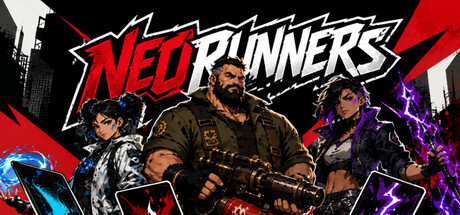
NeoRunners uses generative AI tools as part of its development process. AI-assisted content includes portions of the game's visual artwork and UI assets, promotional/store artwork, and character voice audio. These assets are generated and/or iterated on during development and are reviewed, selected, edited, and integrated by the development team before being included in the game. The game does not generate this content dynamically during gameplay.
This game uses generative AI tools to assist in the creation of select visual assets and localization.
Card illustrations and art assets: AI-generated concepts serve as an early creative foundation, developed under the direction of veteran concept artist Ni Li (ArtStation portfolio available, 10+ years of artistic experience).
Localization: AI-assisted translation is used for 30+ languages.
Some card illustrations currently use AI-generated artwork. Following the game’s full release, these illustrations will gradually be replaced with artwork created by professional artists.
This game was made with the help of generative AI tools:
• 2D art: Some of the game's 2D artwork (backgrounds, UI skins, card and joker illustrations) was created using generative AI, then selected, edited and integrated into the game by hand.
• Commentary: In-match commentary lines were produced with AI text-to-speech. All other sound effects are synthesized procedurally by the game's own code, with no AI involved.
No AI model runs while you play. The game is fully offline and never connects to any server; all of the content above is pre-generated, fixed content created during development. No player data is ever sent to any AI system.
Generative AI was used to assist in creating selected promotional capsule and library artwork for this Steam store page. These assets were reviewed and selected by the developer. No generative AI features are used during gameplay, and no content is generated at runtime.
Rip N Ship uses generative AI for some original artwork in its fictional Oddkin card collection. This artwork was generated during development, then selected, edited, and incorporated into the game by the developer. Streamer Mode chat is scripted/simulated and is not generated by AI during gameplay.
Generative AI was used to assist in creating some pre-generated art assets, including portions of card artwork, UI decorations, and store marketing imagery. All AI-assisted assets are reviewed, edited, and integrated by the developer before inclusion. The game does not use generative AI to generate content while running.
Some pre-created content in SPELLSTEEL was developed with the assistance of generative AI as part of a human-directed creative process. SPELLSTEEL does not use generative AI to generate gameplay content or player-facing content in real time.
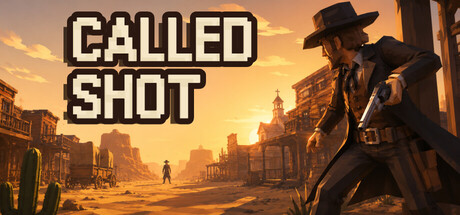
As a solo developer, I use generative image AI to assist in creating Called Shot's 2D artwork — specifically the card illustrations and the store page key art (capsule images). No content is generated by AI in real time during gameplay. All AI-assisted art is created in advance during development, then reviewed and revised before being included in the game. The in-game 3D models and environment art are not AI-generated.
Most of the art for Hive & Harvest has been initially generated by AI models, which has then been manually edited to achieve the desired tessellation look.
Coding of the game involved AI models for the purpose of quality control.
SnapQuest uses live-generated AI as part of its core photo-scanning mechanic. When a player captures or selects a photo, a vision-language model analyzes the image and generates structured card content, including a card name, description, category, and gameplay attributes. The card artwork uses the player's submitted photo rather than an AI-generated replacement image. Generated results vary depending on the submitted photo.
We use AI to speed up the drawings, but all materials has been heavily modified, over-painted, and refined by human artist. There is no live AI generation within the shipped game.
Portions of this game's art and audio were created using generative AI tools during development: card and character artwork, backgrounds and icons (including store page artwork), music, sound effects, and voice audio were AI-generated under human direction, then curated and edited by the developers. Game design, rules, code, card text and names, and all narrative writing are human-authored. Nothing is generated by AI while you play.
The game features hundreds of unique collectible cards. As a solo developer, creating every card from scratch would be extremely time-consuming, so the majority of the collectible card artwork was generated using AI. This allows more time to be spent improving the game’s core feel and other key systems. The cards will continue to be revised throughout development.
Card illustrations and some in-game artwork were pre-generated using generative AI image tools, then curated, edited and integrated by our team. All game design, code, writing and final art direction are human-made. The game does not generate any content with AI at runtime.
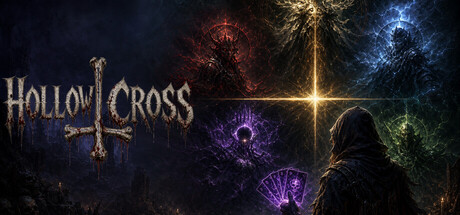
The artwork in Hollowcross — including card illustrations and background scenes — was created with the assistance of AI image‑generation tools. All generated art is curated, selected, and edited by the developer, who has taken steps to ensure the output does not contain illegal or infringing content. The game contains no AI‑generated content produced live during gameplay.
Generative AI was used only during the early concept art and ideation phase to help explore visual directions and inspire the art team. Any AI-assisted concepts served solely as reference material. All final in-game artwork was created, substantially reworked, or manually produced by human artists. The game does not generate AI content during gameplay, and no live AI systems are used by players.
Generative AI tools were used during development as part of the production workflow for pre-generated visual, 3D, audio, written, and localization content included in the game. All final content was selected, reviewed, edited, adapted, and integrated as part of the game's development process. No generative AI systems run during gameplay and no content is generated dynamically for players.
Generative AI tools were used during development to assist in creating some of the game's visual art assets, primarily including certain card illustrations and related image assets. AI-generated content is used only during the development process and is not generated live while the game is running. All AI-assisted assets included in the final game are manually reviewed, selected, adjusted, and approved by the developer before being added to the game.
Used for steam capsule images and card artworks TEMPORARILY. All AI generated assets will be replaced on release if estimated revenue can atleast fund it.
Generative AI was used to create some of the illustrations featured on collectible cards. The card layouts and designs were manually created and edited.
Some pre-generated artwork and audio included in MyHiStory were created with the assistance of generative AI during development. These assets were selected, reviewed, and curated by the developer before inclusion in the game. MyHiStory does not use generative AI to generate content or code while the game is running.
Some visual assets in the game, including certain card illustrations and UI elements, were created with the assistance of generative AI tools. These assets were generated during development and are included as pre-generated content in the game.
We use generative AI to assist with writing and localizing the game's text. All art and audio are procedurally generated by our own code or sourced from CC0 libraries. No content is generated by AI in real time during gameplay.
This game uses AI generation tools at several stages of development.
- Artwork: the card illustrations and key art use images produced with AI image-generation tools.
The developer selected, cropped, and adjusted the outputs — and discarded the ones that did not
fit — before integrating them into the game.
- Text: card flavor text and story prose were drafted with AI assistance, then edited and finalized
by the developer. The world setting and narrative structure were decided by the developer.
- Localization: the English text was translated with AI assistance and reviewed by the developer.
No content is generated by AI while the game is running. Everything is pre-generated during development.
Generative AI tools were used to assist in creating select 2D artwork for this game illustrations for collectible cards, artwork for the card battle/arena scene, and the game's logo and store capsule art. All AI-assisted artwork was selected, edited, and finalized by the development team before inclusion. Generative AI was not used to create the 3D open-world environment, or other gameplay systems/mechanics. This is for the demo build, and some or all AI-assisted art may be replaced with original human-made artwork in the full release.
This game was developed through collaboration between the developer and AI tools across most content (art, writing, design); in-game translations were generated by AI.
CardCrafter uses generative AI to create some of the content shipped with the game:
• Art: card illustrations, character and enemy portraits, icons, currencies and background scenes are created primarily with generative image models, then curated, post-processed and integrated by human.
• Audio: some sound effects and background music are created with generative AI tools.
• Text & localization: In-game text such as card descriptions is drafted with AI assistance and edited by hand; the Simplified Chinese and English localizations are machine-translated first, then human-proofread.
All of this content is pre-generated during development and baked into the game. The game does not generate any AI content at runtime, and never sends player input to an AI. Everything produced with AI is reviewed and selected by human before inclusion.
Generative AI tools were used during development to assist with the creation and refinement of some pre-generated visual artwork and marketing assets. All AI-assisted content was reviewed, edited, and integrated by the developer. Ancient Duel does not generate AI content during gameplay.
The visual assets in Grim Looters — character, monster, item and card artwork, plus the store and marketing images — were created with the assistance of generative AI image tools and then curated, edited, and assembled by the developer. Some background music was AI-assisted. All AI-generated content is reviewed by the developer to ensure it is appropriate and cleared for use. No AI content is generated live during gameplay.
Generative AI tools were used during development to assist with programming and to create or refine portions of the game’s artwork, visual assets, sound effects, and other audio. All AI-assisted content was selected, edited, integrated, and reviewed by the developer. The game does not generate AI content or connect to external AI services during gameplay.
Generative artwork is used in the creation of part or full of assets that can not be generated by the game engine. AI is used in the drafting of art and writing before it is reviewed and heavily edited.
Darcnia Monster is made by a single independent developer. Some of the game's visual assets — background illustrations, cinematic scenes, and character and card artwork — were created with the help of generative AI image tools, and the in-game character voices were produced using AI voice synthesis. Every AI-assisted asset was hand-selected, edited, and integrated by the developer to match the game's art direction and story. No AI runs while you play: nothing is generated in real time, and no player data is ever sent to any AI service.
NeoRunners uses generative AI tools as part of its development process. AI-assisted content includes portions of the game's visual artwork and UI assets, promotional/store artwork, and character voice audio. These assets are generated and/or iterated on during development and are reviewed, selected, edited, and integrated by the development team before being included in the game. The game does not generate this content dynamically during gameplay.
This game uses generative AI tools to assist in the creation of select visual assets and localization.
Card illustrations and art assets: AI-generated concepts serve as an early creative foundation, developed under the direction of veteran concept artist Ni Li (ArtStation portfolio available, 10+ years of artistic experience).
Localization: AI-assisted translation is used for 30+ languages.
Some card illustrations currently use AI-generated artwork. Following the game’s full release, these illustrations will gradually be replaced with artwork created by professional artists.
This game was made with the help of generative AI tools:
• 2D art: Some of the game's 2D artwork (backgrounds, UI skins, card and joker illustrations) was created using generative AI, then selected, edited and integrated into the game by hand.
• Commentary: In-match commentary lines were produced with AI text-to-speech. All other sound effects are synthesized procedurally by the game's own code, with no AI involved.
No AI model runs while you play. The game is fully offline and never connects to any server; all of the content above is pre-generated, fixed content created during development. No player data is ever sent to any AI system.
Generative AI was used to assist in creating selected promotional capsule and library artwork for this Steam store page. These assets were reviewed and selected by the developer. No generative AI features are used during gameplay, and no content is generated at runtime.
Rip N Ship uses generative AI for some original artwork in its fictional Oddkin card collection. This artwork was generated during development, then selected, edited, and incorporated into the game by the developer. Streamer Mode chat is scripted/simulated and is not generated by AI during gameplay.
Generative AI was used to assist in creating some pre-generated art assets, including portions of card artwork, UI decorations, and store marketing imagery. All AI-assisted assets are reviewed, edited, and integrated by the developer before inclusion. The game does not use generative AI to generate content while running.
Some pre-created content in SPELLSTEEL was developed with the assistance of generative AI as part of a human-directed creative process. SPELLSTEEL does not use generative AI to generate gameplay content or player-facing content in real time.
As a solo developer, I use generative image AI to assist in creating Called Shot's 2D artwork — specifically the card illustrations and the store page key art (capsule images). No content is generated by AI in real time during gameplay. All AI-assisted art is created in advance during development, then reviewed and revised before being included in the game. The in-game 3D models and environment art are not AI-generated.
Most of the art for Hive & Harvest has been initially generated by AI models, which has then been manually edited to achieve the desired tessellation look.
Coding of the game involved AI models for the purpose of quality control.
SnapQuest uses live-generated AI as part of its core photo-scanning mechanic. When a player captures or selects a photo, a vision-language model analyzes the image and generates structured card content, including a card name, description, category, and gameplay attributes. The card artwork uses the player's submitted photo rather than an AI-generated replacement image. Generated results vary depending on the submitted photo.
We use AI to speed up the drawings, but all materials has been heavily modified, over-painted, and refined by human artist. There is no live AI generation within the shipped game.
Portions of this game's art and audio were created using generative AI tools during development: card and character artwork, backgrounds and icons (including store page artwork), music, sound effects, and voice audio were AI-generated under human direction, then curated and edited by the developers. Game design, rules, code, card text and names, and all narrative writing are human-authored. Nothing is generated by AI while you play.
The game features hundreds of unique collectible cards. As a solo developer, creating every card from scratch would be extremely time-consuming, so the majority of the collectible card artwork was generated using AI. This allows more time to be spent improving the game’s core feel and other key systems. The cards will continue to be revised throughout development.
Card illustrations and some in-game artwork were pre-generated using generative AI image tools, then curated, edited and integrated by our team. All game design, code, writing and final art direction are human-made. The game does not generate any content with AI at runtime.
The artwork in Hollowcross — including card illustrations and background scenes — was created with the assistance of AI image‑generation tools. All generated art is curated, selected, and edited by the developer, who has taken steps to ensure the output does not contain illegal or infringing content. The game contains no AI‑generated content produced live during gameplay.
Generative AI was used only during the early concept art and ideation phase to help explore visual directions and inspire the art team. Any AI-assisted concepts served solely as reference material. All final in-game artwork was created, substantially reworked, or manually produced by human artists. The game does not generate AI content during gameplay, and no live AI systems are used by players.