Public Steam disclosure research25,376 disclosures tracked
Where do games disclose AI use?
Search developers’ Steam disclosures, compare classified AI use across
games, and follow recorded changes.
This index adds cross-game classifications and statistics to
statements published on individual store pages.
Groups reflect automatic analysis of public disclosures; mature records are excluded. These counts do not measure AI use across all of Steam.
Missing or unclear statements cannot establish whether a game uses AI.
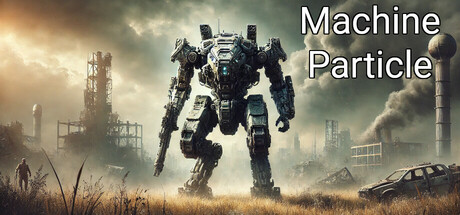
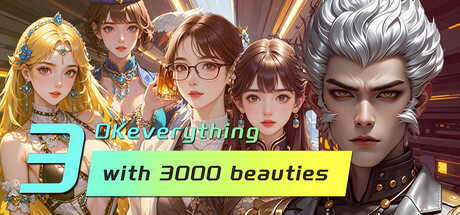
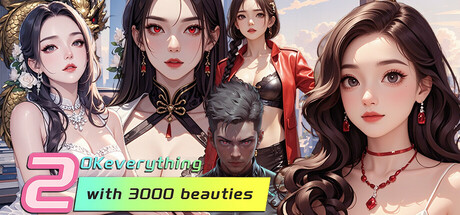
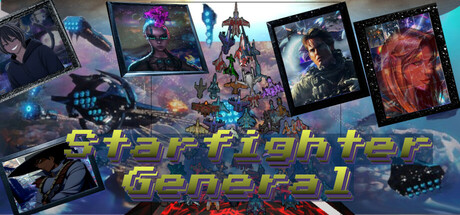
AI tools used during development are used for generating some textures like faces of the characters, Voice generators for converting speaking style to appropriate and animations from mixamo for better experience of physics of the characters. Code generation tools are used to fix and analyze parts of code to provide simpleness and make development faster to deliver more products and assets.
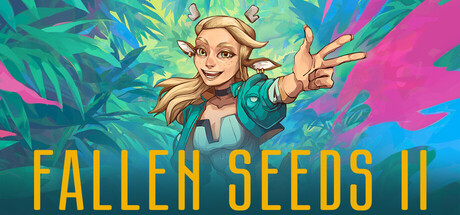
Store page translations were created with the assistance of AI and reviewed for accuracy. AI was used to generate the background imagery for the Steam capsule art on the store page, while the logo and title were created without AI.
Part of the art resources in this game are generated through AI technology and undergo manual secondary processing To avoid potential infringement risks
Some marketing artwork for this game was produced in part through the use of AI.
The game itself is NOT AI-generated. In-game content and assets, including its graphics, music, story and dialogue, are human-generated.
Some in-game images, illustrations, and decorative elements were created using AI-assisted image generation tools.
Additionally, select voiceovers and sound effects were generated or enhanced using AI-based audio technologies.
No Artist Credited is a virtual gallery experience and an experiment in the capabilities and limitations of AI tools. The entire gallery was designed and constructed using instructions, themes, and art generated by one of three AI tools.
The video content of the game is created by the creator after creating storyboards, character settings, scene settings, and story content settings, through 3D modeling and animation production, and then using AI for style conversion, and further post production synthesis and rendering by the creators. Music, dubbing, and other elements are all created by creators with the assistance of artificial intelligence and processed by post production personnel.
The videos and images content of this game is created through 3D model action production and recorded into a video, followed by style transfer using AI, and further post production synthesis and rendering by personnel. The music, dubbing, and other elements are all created by the creator and assisted by AI, and processed by personnel in post production.
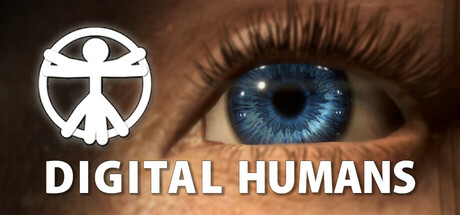
The advanced AI engine in “Digital Humans” allows the digital characters to converse with you in a natural and contextual way. Whether you want to have an in-depth discussion or just chat, the AI adapts to your conversational needs and always provides relevant and entertaining answers. Please note that the AI can occasionally generate information that does not correspond to reality. These so-called “hallucinations” are rare, but occur. We recommend that you question such information critically and consult reliable sources on important topics.
The use of AI in the development process has been strictly limited to translation purposes. All graphical assets and code have been exclusively created by professional developers and artists, with no exceptions. And also no AI-generated content has been utilized in the production of these elements.
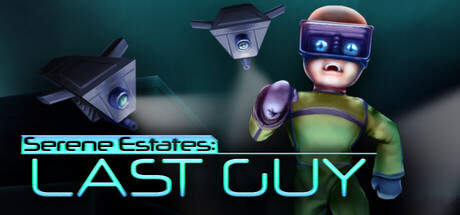
Two profile pictures (one of these designs is also used as a decal on a tool), all of the "records" in the main characters room, designs on the vape packaging, and a background image for a vending machine were created with Adobe Generative Fill.
The Security Robots and The Coffee Time video use audio generated by TTS Maker.
The TOS was templated with AI as a generic TOS and meaningful elements were edited in. The Coffee Drink descriptions are pure, unfiltered, AI corpo-garbage-text.
I used AI for these purposes because the uncanny-valley, soulless, style was exactly what I wanted as an art direction. I wanted to depict a future in which the soul of the world has been killed by AI. Making humans create art in the style of AI sounds completely dehumanizing, but you're entitled to your opinion.
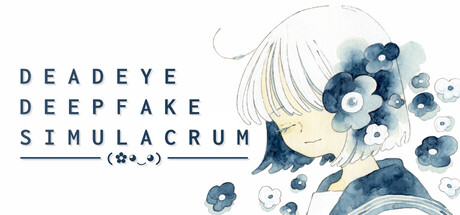
Deadeye Deepfake Simulacrum makes use of a custom built variational autoencoder to assist in the creation of character sprites, trained exclusively on the sprites I've already created. A separate generative adversarial network is used to make images that serve as the basis for some facial sprites, and background art.
AI tools used during development are used for generating some textures like faces of the characters, Voice generators for converting speaking style to appropriate and animations from mixamo for better experience of physics of the characters. Code generation tools are used to fix and analyze parts of code to provide simpleness and make development faster to deliver more products and assets.
Store page translations were created with the assistance of AI and reviewed for accuracy. AI was used to generate the background imagery for the Steam capsule art on the store page, while the logo and title were created without AI.
Part of the art resources in this game are generated through AI technology and undergo manual secondary processing To avoid potential infringement risks
Some marketing artwork for this game was produced in part through the use of AI.
The game itself is NOT AI-generated. In-game content and assets, including its graphics, music, story and dialogue, are human-generated.
Some in-game images, illustrations, and decorative elements were created using AI-assisted image generation tools.
Additionally, select voiceovers and sound effects were generated or enhanced using AI-based audio technologies.
No Artist Credited is a virtual gallery experience and an experiment in the capabilities and limitations of AI tools. The entire gallery was designed and constructed using instructions, themes, and art generated by one of three AI tools.
The video content of the game is created by the creator after creating storyboards, character settings, scene settings, and story content settings, through 3D modeling and animation production, and then using AI for style conversion, and further post production synthesis and rendering by the creators. Music, dubbing, and other elements are all created by creators with the assistance of artificial intelligence and processed by post production personnel.
The videos and images content of this game is created through 3D model action production and recorded into a video, followed by style transfer using AI, and further post production synthesis and rendering by personnel. The music, dubbing, and other elements are all created by the creator and assisted by AI, and processed by personnel in post production.
The advanced AI engine in “Digital Humans” allows the digital characters to converse with you in a natural and contextual way. Whether you want to have an in-depth discussion or just chat, the AI adapts to your conversational needs and always provides relevant and entertaining answers. Please note that the AI can occasionally generate information that does not correspond to reality. These so-called “hallucinations” are rare, but occur. We recommend that you question such information critically and consult reliable sources on important topics.
The use of AI in the development process has been strictly limited to translation purposes. All graphical assets and code have been exclusively created by professional developers and artists, with no exceptions. And also no AI-generated content has been utilized in the production of these elements.
Two profile pictures (one of these designs is also used as a decal on a tool), all of the "records" in the main characters room, designs on the vape packaging, and a background image for a vending machine were created with Adobe Generative Fill.
The Security Robots and The Coffee Time video use audio generated by TTS Maker.
The TOS was templated with AI as a generic TOS and meaningful elements were edited in. The Coffee Drink descriptions are pure, unfiltered, AI corpo-garbage-text.
I used AI for these purposes because the uncanny-valley, soulless, style was exactly what I wanted as an art direction. I wanted to depict a future in which the soul of the world has been killed by AI. Making humans create art in the style of AI sounds completely dehumanizing, but you're entitled to your opinion.
Deadeye Deepfake Simulacrum makes use of a custom built variational autoencoder to assist in the creation of character sprites, trained exclusively on the sprites I've already created. A separate generative adversarial network is used to make images that serve as the basis for some facial sprites, and background art.