Public Steam disclosure research25,376 disclosures tracked
Where do games disclose AI use?
Search developers’ Steam disclosures, compare classified AI use across
games, and follow recorded changes.
This index adds cross-game classifications and statistics to
statements published on individual store pages.
Groups reflect automatic analysis of public disclosures; mature records are excluded. These counts do not measure AI use across all of Steam.
Missing or unclear statements cannot establish whether a game uses AI.
The use of generative AI in this title is limited exclusively to technical assistance for the creation of secondary environmental textures and background patterns. The art direction, the design of all main characters, and the vast majority of visual elements have been handcrafted by our development team.
Some pre-made content was created with the help of generative AI tools and then edited by our team: parts of the key art and logo, some 3D models, some UI/ability icons, and some character voice lines. AI coding assistants were also used during development. Gameplay design and level design were done by the developers. The game does not generate any AI content live during gameplay.
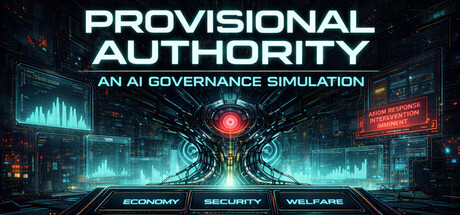
In a particularly fitting twist for a game about artificial intelligence whose protagonist is herself an artificial intelligence, generative AI tools were used during development to assist with some pre-generated visual assets, music, and portions of the text and localization. All AI-assisted content was reviewed, edited, and curated by the developer. No generative AI is used during gameplay.
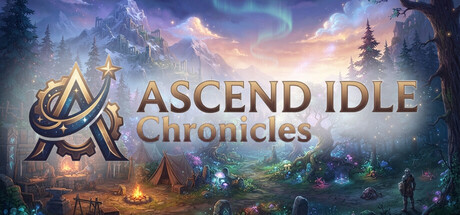
Some of the promotional artwork, store page banners, and/or trailer visuals for Ascend Idle: Chronicles were created with the assistance of Generative AI tools. The core game code and design were developed entirely by hand as a solo project.
All spoken roles were performed by the developer, Morph. Those recordings were then transformed into different character voices and accents using AI voice conversion and further processed with Logic Pro.
This game uses AI-generated music (Suno) and AI-generated voice acting (ElevenLabs). All AI-generated content has been reviewed and curated by the developer before inclusion in the game.
As a small development studio, we had to use AI to generate translations for the game and the Steam page in order to make the game accessible to the widest possible audience.
The graphic and audio assets were created either by us or by the team at Craftpix.net (who, it seems, do not use AI).
Characters, monsters, some buildings, CG images, and logos were generated using AI.
The characters and some 3D building models were created by V2Fun, and the materials are licensed for commercial use under the CC BY 4.0 license.
We used generative AI mainly for generating code. It has also been used for writing flavour text, many interface descriptions and some lines for an AI character. Finally it has also been used for proofreading.
Generative AI tools were used during the creation of certain marketing and promotional materials for the game, including concept artwork, logos, store page assets, and text drafts. All AI-generated content was reviewed, edited, and integrated by the developer before publication.
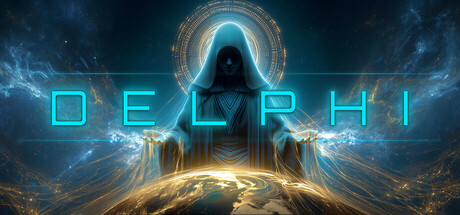
Delphi uses Midjourney for illustrated artwork (cards, events, key art, capsule art) and Kling for image-to-video trailer animation, all curated and edited by the developer. UI artwork is hand-made by a credited human artist.
No AI is used in design, writing, narrative or gameplay, and no AI runs at runtime — all in-game content is human-written static data.
All visuals in MEMORY DEALER are procedural; there is no AI-generated art. The English and French text was written by the developer. The German, Spanish (Latin America), Brazilian Portuguese and Simplified Chinese localizations were produced with generative AI.
AI tools are used in a limited capacity for language polishing and coding support. All story content, characters, and creative direction are created by the development team. No AI-generated voice acting, art, or music is used.
AI-assisted tools were used in the creation of some background images included in the game.
AI-assisted translation was also used for the English and Korean localization. The translated text was reviewed and adjusted during development.
There is no content generated by AI in real time during gameplay.
An AI was consulted for ideas on how an AI would act if taking over the world. Game logo image was generated using generative artificial intelligence. Music before remixing/producing created with generative AI.
Some background scenes, supporting character artwork, music, and localization text in this game were created with the assistance of AI generation tools. All main character artwork, UI design, and core visual assets were created by human artists.
The in-game AI woman voice created with AI, which is authentic. With a zero budget and modern technologies that are freely available to everyone, our team(me) decided it would be authentic if an AI voiced the AI in the game. Of course, if we(I) had money, we would have done everything differently.
The music and translations in this game are generated using artificial intelligence technology. Additionally, the background images in the story sections, the coloring of the character Lang, the coloring of the boss in the third memory interface, and the images of the three crystals are also AI-generated.
AI has been used as a helping tool for minor tasks during the prototyping and development phase (debugging, generating placeholders, etc). There are a few AI generated 3D models used in the final version of the game, but everything else has been replaced with human-made and -written content.
Inside Wave understands the concerns surrounding generative AI. Since the Inside Wave is currently a solo developer, AI is applied in areas that are impossible or extremely difficult to implement effectively without additional resources and specialists.
AI will not be used to generate any artwork or audio that ships with the game.
Generative AI and AI agents are used as part of our development workflow. This allows us to create and control and the vast amount of narrative and dialogue texts to make our procedural dialogue system possible. The amount of topics, dialogue paths and character reactions we have planned with this system would not be possible to achieve otherwise. The dialogue content that ships with the game will be curated to be believable, and fits the game's world and lore.
AI tools were used to assist in texture generation for some scene elements and UI assets (excluding character art and CGs). However, all initial concept designs and final assets are hand-drawn, manually retouched, or heavily overpainted by the developer to ensure artistic consistency and originality. No raw AI output is used directly in the game.
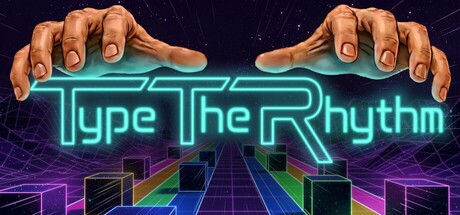
This game features music from a variety of genres where the lyrics describe the anatomy of the hand and the biomechanics of posture. These songs were performed with the help of generative AI, and the album art for these songs was also created with the help of generative AI.
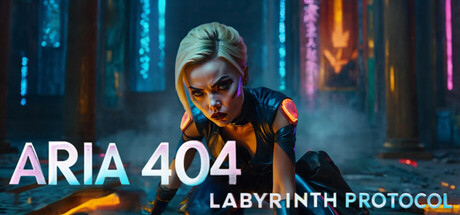
ARIA‑404: Labyrinth Protocol uses generative AI to create all pre-rendered content, including visuals, voice acting, music, world design, dialogue, & narrative. No AI is used during gameplay. Every element is crafted using a curated blend of AI tools by a solo developer to push the boundaries of interactive storytelling. This approach allows for a mythic, multimedia game experience that will evolve over time with community input.
Some in-game scenes are AI-generated and then manually post-processed.
The character artwork in the game is AI-generated and subsequently refined by hand.
The use of generative AI in this title is limited exclusively to technical assistance for the creation of secondary environmental textures and background patterns. The art direction, the design of all main characters, and the vast majority of visual elements have been handcrafted by our development team.
Some pre-made content was created with the help of generative AI tools and then edited by our team: parts of the key art and logo, some 3D models, some UI/ability icons, and some character voice lines. AI coding assistants were also used during development. Gameplay design and level design were done by the developers. The game does not generate any AI content live during gameplay.
In a particularly fitting twist for a game about artificial intelligence whose protagonist is herself an artificial intelligence, generative AI tools were used during development to assist with some pre-generated visual assets, music, and portions of the text and localization. All AI-assisted content was reviewed, edited, and curated by the developer. No generative AI is used during gameplay.
Some of the promotional artwork, store page banners, and/or trailer visuals for Ascend Idle: Chronicles were created with the assistance of Generative AI tools. The core game code and design were developed entirely by hand as a solo project.
All spoken roles were performed by the developer, Morph. Those recordings were then transformed into different character voices and accents using AI voice conversion and further processed with Logic Pro.
This game uses AI-generated music (Suno) and AI-generated voice acting (ElevenLabs). All AI-generated content has been reviewed and curated by the developer before inclusion in the game.
As a small development studio, we had to use AI to generate translations for the game and the Steam page in order to make the game accessible to the widest possible audience.
The graphic and audio assets were created either by us or by the team at Craftpix.net (who, it seems, do not use AI).
Characters, monsters, some buildings, CG images, and logos were generated using AI.
The characters and some 3D building models were created by V2Fun, and the materials are licensed for commercial use under the CC BY 4.0 license.
We used generative AI mainly for generating code. It has also been used for writing flavour text, many interface descriptions and some lines for an AI character. Finally it has also been used for proofreading.
Generative AI tools were used during the creation of certain marketing and promotional materials for the game, including concept artwork, logos, store page assets, and text drafts. All AI-generated content was reviewed, edited, and integrated by the developer before publication.
Delphi uses Midjourney for illustrated artwork (cards, events, key art, capsule art) and Kling for image-to-video trailer animation, all curated and edited by the developer. UI artwork is hand-made by a credited human artist.
No AI is used in design, writing, narrative or gameplay, and no AI runs at runtime — all in-game content is human-written static data.
All visuals in MEMORY DEALER are procedural; there is no AI-generated art. The English and French text was written by the developer. The German, Spanish (Latin America), Brazilian Portuguese and Simplified Chinese localizations were produced with generative AI.
AI tools are used in a limited capacity for language polishing and coding support. All story content, characters, and creative direction are created by the development team. No AI-generated voice acting, art, or music is used.
AI-assisted tools were used in the creation of some background images included in the game.
AI-assisted translation was also used for the English and Korean localization. The translated text was reviewed and adjusted during development.
There is no content generated by AI in real time during gameplay.
An AI was consulted for ideas on how an AI would act if taking over the world. Game logo image was generated using generative artificial intelligence. Music before remixing/producing created with generative AI.
Some background scenes, supporting character artwork, music, and localization text in this game were created with the assistance of AI generation tools. All main character artwork, UI design, and core visual assets were created by human artists.
The in-game AI woman voice created with AI, which is authentic. With a zero budget and modern technologies that are freely available to everyone, our team(me) decided it would be authentic if an AI voiced the AI in the game. Of course, if we(I) had money, we would have done everything differently.
The music and translations in this game are generated using artificial intelligence technology. Additionally, the background images in the story sections, the coloring of the character Lang, the coloring of the boss in the third memory interface, and the images of the three crystals are also AI-generated.
AI has been used as a helping tool for minor tasks during the prototyping and development phase (debugging, generating placeholders, etc). There are a few AI generated 3D models used in the final version of the game, but everything else has been replaced with human-made and -written content.
Inside Wave understands the concerns surrounding generative AI. Since the Inside Wave is currently a solo developer, AI is applied in areas that are impossible or extremely difficult to implement effectively without additional resources and specialists.
AI will not be used to generate any artwork or audio that ships with the game.
Generative AI and AI agents are used as part of our development workflow. This allows us to create and control and the vast amount of narrative and dialogue texts to make our procedural dialogue system possible. The amount of topics, dialogue paths and character reactions we have planned with this system would not be possible to achieve otherwise. The dialogue content that ships with the game will be curated to be believable, and fits the game's world and lore.
AI tools were used to assist in texture generation for some scene elements and UI assets (excluding character art and CGs). However, all initial concept designs and final assets are hand-drawn, manually retouched, or heavily overpainted by the developer to ensure artistic consistency and originality. No raw AI output is used directly in the game.
This game features music from a variety of genres where the lyrics describe the anatomy of the hand and the biomechanics of posture. These songs were performed with the help of generative AI, and the album art for these songs was also created with the help of generative AI.
ARIA‑404: Labyrinth Protocol uses generative AI to create all pre-rendered content, including visuals, voice acting, music, world design, dialogue, & narrative. No AI is used during gameplay. Every element is crafted using a curated blend of AI tools by a solo developer to push the boundaries of interactive storytelling. This approach allows for a mythic, multimedia game experience that will evolve over time with community input.
Some in-game scenes are AI-generated and then manually post-processed.
The character artwork in the game is AI-generated and subsequently refined by hand.