Public Steam disclosure research25,376 disclosures tracked
Where do games disclose AI use?
Search developers’ Steam disclosures, compare classified AI use across
games, and follow recorded changes.
This index adds cross-game classifications and statistics to
statements published on individual store pages.
Groups reflect automatic analysis of public disclosures; mature records are excluded. These counts do not measure AI use across all of Steam.
Missing or unclear statements cannot establish whether a game uses AI.
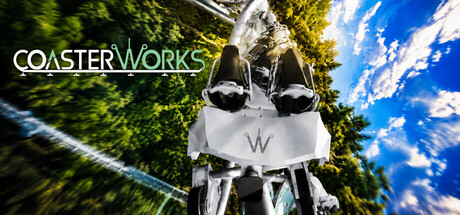
Generative AI tools were used to assist with portions of the game’s source code. All AI-assisted code was reviewed, modified, integrated and tested by the developer. The game’s models, artwork and other visual content were created or sourced separately and were not generated by AI. CoasterWorks does not generate AI content during gameplay or connect to external AI services.
We are utilising ElevenLabs’ text-to-speech tool, to generate some voice-over elements within Train Sim World 7. This is utilised in features such as training modules, as well as platform and onboard train announcements. All scripts and content are written by Dovetail Games staff, with ElevenLabs used to generate the audio in these instances.
Generative AI was used to create some temporary artwork for the Steam store page and related marketing materials while the game is still in production. These assets are reviewed and curated by the development team and WILL be replaced with final production artwork before release. Generative AI is not used to generate content during gameplay.
Load Factor's player-facing content its data, simulation, art, and text is authored by us, not generated by AI. During development we used AI-assisted coding tools to help write and review source code, in the same way modern IDEs offer AI assistance. No artwork, audio, writing, or localization shipped in the game is AI-generated, and the game does not generate any content using AI while you play.
Some parts of the Cellarer were made with the help of generative AI tools: portions of the source code, some of the in-game icons and sfx / vfx, some store and marketing text, and some marketing artwork and assets were AI-assisted, then reviewed, edited and integrated by hand before shipping. The game itself contains nothing live-generated — no AI runs while you play, and the game never connects to an AI service.
Generative AI tools were used during development to assist with the creation of some voice-over content, images, and written content. All AI-assisted content was generated and reviewed by the developer before being included in the game or its promotional materials. No generative AI is used during gameplay.
Some shipped visual assets, narrative text, localization, and store or marketing artwork were created or iterated with the assistance of generative AI tools. All output was selected, edited, reviewed, integrated, and tested by the developer. The game performs no live AI generation
and sends no player input or data to an AI service.
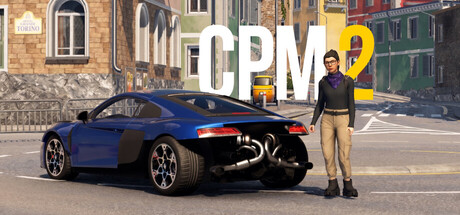
In game development, artificial intelligence is used solely as a supporting tool. We employ neural networks to enhance and refine 2D art (loading screens and promo banners) created using our in-game screenshots, after which they undergo manual color correction and artifact removal. AI also assists us with translating in-game text and generating the announcer's voice for racing modes. All key game elements, including 3D car models, tuning, and the open world, are created entirely by hand by our team.
Ski Lines is a solo-developed indie game created with the help of generative AI tools. AI was used throughout production to support artwork creation, music and sound design, code assistance, prototyping, iteration, and marketing assets.
Every AI-assisted element was curated, edited, and integrated by the developer to fit the game’s minimalist ski-map aesthetic and gameplay vision. The use of AI helped accelerate production while preserving human creative direction, design decisions, quality control, and final authorship.
Some BGM are AI-generated. Additionally, some textures were AI-generated based on human designs and fully refined by hand. AI tools were also used for translation and general development assistance.
Some store page artwork was created with the assistance of generative AI and manually reviewed and edited. All in-game content and gameplay systems are made by the developer.
Some of the content in this game was created using generative AI tools - this includes converting to seamless textures, some visual elements, localization (interface translations), as well as some sound effects and music. All AI-generated materials have been reviewed, edited and adapted by the game's creators.
AI-assisted tools are becoming part of modern game development, and we believe in being transparent about how we use them. Aviator combines AI-assisted workflows with human creative direction, design, review, and final decision-making throughout development.
The game contains pre-generated visual and audio assets created with the assistance of generative AI tools during development. OpenAI-assisted tools were used for selected visual assets, Suno was used for pre-generated medieval-inspired music, and ElevenLabs was used for selected sound effects, ambience, and voice elements. All outputs were reviewed, selected, edited, and integrated by the developer. The game does not use live-generated AI and does not connect to an AI service while running.
Some sound effects were created with AI tools, and a small number of background 3D assets were initially AI-generated, then manually optimized. Parts of the promotional artwork were made with AI assistance. Everything else, including all gameplay systems, the driving and economy mechanics, and the street-by-street recreation of Istanbul's historic peninsula, is hand-crafted by a solo developer.
Generative AI is used only during development to create and refine certain visual assets, including textures, icons, and UI elements. All generated materials are reviewed and edited by the developer when necessary before being added to the game. AI does not generate content during gameplay or process user data.
Generative AI was used as a supporting tool during solo development, mainly to find technical information faster, compare possible solutions, check code, organize notes, and explore early ideas. It saves a lot of time that would otherwise be spent searching through browser tabs and documentation. I also use it to help with translations. The game’s design, development decisions, implementation, and final content remain entirely under my control.. The game does not generate AI content during gameplay.
Aircraft Tycoon uses generative AI during development to create certain pre-rendered 2D visual assets, including environmental backgrounds, building illustrations, and selected promotional artwork. All AI-assisted content is reviewed, curated, and, where necessary, edited by the developer before being included in the game. The game does not generate AI content during gameplay and does not connect to external AI services.
AIR EMPIRE uses generative AI tools for part of its store/marketing assets and some in-game content — specifically store capsule images, store descriptions, localization into non-English languages, and marketing video narration. All AI-assisted output is reviewed and edited by a human developer, and we have taken steps to ensure it does not include infringing or illegal content.
Generative AI was used to assist with drafting and localizing text for the Steam store page. All AI-assisted text was reviewed and edited by the development team. No generative AI content is used within the game itself.
Some of this game's visual assets (such as background art, city and airport imagery, and icons) and background music tracks were created
with the help of generative AI tools,
AI writing tools were used to assist in drafting store page descriptions and marketing copy. All game content, code, artwork, and audio were created without generative AI.
This game includes some pre-generated visual assets and music created with the help of AI tools during development. No AI content is generated live during gameplay.
Some of the images in the game were generated using AI during the prototype stage. Such assets may be present in the game up until the release of the demo (inclusive). During the development process, we gradually get rid of generated assets and replace them with hand-made ones. By the time of the official release, all generated content will be removed. This is a normal process for developing an indie game.
This game includes live-generated AI features that run locally on the player's computer and do not rely on external AI services.
The game uses AI to:
- interpret the player's spoken voice commands in real time to support gameplay interactions;
- generate voice audio for in-game pilot communications in real time.
The AI systems are used exclusively for these gameplay functions. They do not generate user-visible images, text, or other open-ended content.
The game is designed so that AI-generated output is limited to its intended gameplay purpose and cannot be used to create illegal, infringing, or otherwise prohibited content.
Some of Airline Legacy's artwork, music, in-game text, and translations were created with the assistance of generative AI tools during development. All AI-assisted content was reviewed and curated by the developer. No content is generated live during gameplay.
This game uses curated, pre-generated AI-assisted artwork and audio. These assets are created before release, then reviewed, edited, processed, and integrated by the developer as fixed in-game images, ambience, and related store or marketing materials.
As a small independent development team, we used generative AI as a supporting production tool during development.
All creative direction, game design, asset selection, editing, integration, and final approval were handled by the development team. AI-generated material was reviewed and modified by the developers before being included in the game.
The game does not generate AI content during gameplay.
Generative AI was used to assist in creating selected promotional artwork and logo/icon assets for the Steam store page. All outputs were reviewed, selected, and edited by the developer. Generative AI is not used during gameplay, and no content is generated live for players.
FLOWORKS was developed with the help of AI-based coding assistants, which we used to write parts of the game's source code. Everything you see and hear in the game is then generated procedurally by that code — all graphics are drawn in code (SVG/CSS) and all sound is synthesized in code (Web Audio).
The game contains no AI-generated image or audio assets, and no generative AI runs while you play.
This game currently uses AI-generated artwork for its Steam capsule images.
No AI-generated art is used anywhere in the game itself, including gameplay, environments, UI, or other in-game assets.
I am a solo developer who worked with external freelancers for art and audio. Some assets provided by these contributors might have been created or assisted by generative AI tools, though their specific workflow was not monitored.
This game uses generative AI tools to create certain static visual assets, including background images, loading screens, character portraits, marketing materials, and ship illustrations.
No generative AI is used during gameplay to create game mechanics, simulations, text content, or dynamic systems. All gameplay mechanics and simulation systems are entirely handcrafted and deterministic.
All gameplay artwork is handmade. The title background image is AI generated; I don't have enough skill nor a desire to commission a single flavor image.
Generative AI tools were used to assist with portions of the game’s source code. All AI-assisted code was reviewed, modified, integrated and tested by the developer. The game’s models, artwork and other visual content were created or sourced separately and were not generated by AI. CoasterWorks does not generate AI content during gameplay or connect to external AI services.
We are utilising ElevenLabs’ text-to-speech tool, to generate some voice-over elements within Train Sim World 7. This is utilised in features such as training modules, as well as platform and onboard train announcements. All scripts and content are written by Dovetail Games staff, with ElevenLabs used to generate the audio in these instances.
Generative AI was used to create some temporary artwork for the Steam store page and related marketing materials while the game is still in production. These assets are reviewed and curated by the development team and WILL be replaced with final production artwork before release. Generative AI is not used to generate content during gameplay.
Load Factor's player-facing content its data, simulation, art, and text is authored by us, not generated by AI. During development we used AI-assisted coding tools to help write and review source code, in the same way modern IDEs offer AI assistance. No artwork, audio, writing, or localization shipped in the game is AI-generated, and the game does not generate any content using AI while you play.
Some parts of the Cellarer were made with the help of generative AI tools: portions of the source code, some of the in-game icons and sfx / vfx, some store and marketing text, and some marketing artwork and assets were AI-assisted, then reviewed, edited and integrated by hand before shipping. The game itself contains nothing live-generated — no AI runs while you play, and the game never connects to an AI service.
Generative AI tools were used during development to assist with the creation of some voice-over content, images, and written content. All AI-assisted content was generated and reviewed by the developer before being included in the game or its promotional materials. No generative AI is used during gameplay.
Some shipped visual assets, narrative text, localization, and store or marketing artwork were created or iterated with the assistance of generative AI tools. All output was selected, edited, reviewed, integrated, and tested by the developer. The game performs no live AI generation
and sends no player input or data to an AI service.
In game development, artificial intelligence is used solely as a supporting tool. We employ neural networks to enhance and refine 2D art (loading screens and promo banners) created using our in-game screenshots, after which they undergo manual color correction and artifact removal. AI also assists us with translating in-game text and generating the announcer's voice for racing modes. All key game elements, including 3D car models, tuning, and the open world, are created entirely by hand by our team.
Ski Lines is a solo-developed indie game created with the help of generative AI tools. AI was used throughout production to support artwork creation, music and sound design, code assistance, prototyping, iteration, and marketing assets.
Every AI-assisted element was curated, edited, and integrated by the developer to fit the game’s minimalist ski-map aesthetic and gameplay vision. The use of AI helped accelerate production while preserving human creative direction, design decisions, quality control, and final authorship.
Some BGM are AI-generated. Additionally, some textures were AI-generated based on human designs and fully refined by hand. AI tools were also used for translation and general development assistance.
Some store page artwork was created with the assistance of generative AI and manually reviewed and edited. All in-game content and gameplay systems are made by the developer.
Some of the content in this game was created using generative AI tools - this includes converting to seamless textures, some visual elements, localization (interface translations), as well as some sound effects and music. All AI-generated materials have been reviewed, edited and adapted by the game's creators.
AI-assisted tools are becoming part of modern game development, and we believe in being transparent about how we use them. Aviator combines AI-assisted workflows with human creative direction, design, review, and final decision-making throughout development.
The game contains pre-generated visual and audio assets created with the assistance of generative AI tools during development. OpenAI-assisted tools were used for selected visual assets, Suno was used for pre-generated medieval-inspired music, and ElevenLabs was used for selected sound effects, ambience, and voice elements. All outputs were reviewed, selected, edited, and integrated by the developer. The game does not use live-generated AI and does not connect to an AI service while running.
Some sound effects were created with AI tools, and a small number of background 3D assets were initially AI-generated, then manually optimized. Parts of the promotional artwork were made with AI assistance. Everything else, including all gameplay systems, the driving and economy mechanics, and the street-by-street recreation of Istanbul's historic peninsula, is hand-crafted by a solo developer.
Generative AI is used only during development to create and refine certain visual assets, including textures, icons, and UI elements. All generated materials are reviewed and edited by the developer when necessary before being added to the game. AI does not generate content during gameplay or process user data.
Generative AI was used as a supporting tool during solo development, mainly to find technical information faster, compare possible solutions, check code, organize notes, and explore early ideas. It saves a lot of time that would otherwise be spent searching through browser tabs and documentation. I also use it to help with translations. The game’s design, development decisions, implementation, and final content remain entirely under my control.. The game does not generate AI content during gameplay.
Aircraft Tycoon uses generative AI during development to create certain pre-rendered 2D visual assets, including environmental backgrounds, building illustrations, and selected promotional artwork. All AI-assisted content is reviewed, curated, and, where necessary, edited by the developer before being included in the game. The game does not generate AI content during gameplay and does not connect to external AI services.
AIR EMPIRE uses generative AI tools for part of its store/marketing assets and some in-game content — specifically store capsule images, store descriptions, localization into non-English languages, and marketing video narration. All AI-assisted output is reviewed and edited by a human developer, and we have taken steps to ensure it does not include infringing or illegal content.
Generative AI was used to assist with drafting and localizing text for the Steam store page. All AI-assisted text was reviewed and edited by the development team. No generative AI content is used within the game itself.
Some of this game's visual assets (such as background art, city and airport imagery, and icons) and background music tracks were created
with the help of generative AI tools,
AI writing tools were used to assist in drafting store page descriptions and marketing copy. All game content, code, artwork, and audio were created without generative AI.
This game includes some pre-generated visual assets and music created with the help of AI tools during development. No AI content is generated live during gameplay.
Some of the images in the game were generated using AI during the prototype stage. Such assets may be present in the game up until the release of the demo (inclusive). During the development process, we gradually get rid of generated assets and replace them with hand-made ones. By the time of the official release, all generated content will be removed. This is a normal process for developing an indie game.
This game includes live-generated AI features that run locally on the player's computer and do not rely on external AI services.
The game uses AI to:
- interpret the player's spoken voice commands in real time to support gameplay interactions;
- generate voice audio for in-game pilot communications in real time.
The AI systems are used exclusively for these gameplay functions. They do not generate user-visible images, text, or other open-ended content.
The game is designed so that AI-generated output is limited to its intended gameplay purpose and cannot be used to create illegal, infringing, or otherwise prohibited content.
Some of Airline Legacy's artwork, music, in-game text, and translations were created with the assistance of generative AI tools during development. All AI-assisted content was reviewed and curated by the developer. No content is generated live during gameplay.
This game uses curated, pre-generated AI-assisted artwork and audio. These assets are created before release, then reviewed, edited, processed, and integrated by the developer as fixed in-game images, ambience, and related store or marketing materials.
As a small independent development team, we used generative AI as a supporting production tool during development.
All creative direction, game design, asset selection, editing, integration, and final approval were handled by the development team. AI-generated material was reviewed and modified by the developers before being included in the game.
The game does not generate AI content during gameplay.
Generative AI was used to assist in creating selected promotional artwork and logo/icon assets for the Steam store page. All outputs were reviewed, selected, and edited by the developer. Generative AI is not used during gameplay, and no content is generated live for players.
FLOWORKS was developed with the help of AI-based coding assistants, which we used to write parts of the game's source code. Everything you see and hear in the game is then generated procedurally by that code — all graphics are drawn in code (SVG/CSS) and all sound is synthesized in code (Web Audio).
The game contains no AI-generated image or audio assets, and no generative AI runs while you play.
This game currently uses AI-generated artwork for its Steam capsule images.
No AI-generated art is used anywhere in the game itself, including gameplay, environments, UI, or other in-game assets.
I am a solo developer who worked with external freelancers for art and audio. Some assets provided by these contributors might have been created or assisted by generative AI tools, though their specific workflow was not monitored.
This game uses generative AI tools to create certain static visual assets, including background images, loading screens, character portraits, marketing materials, and ship illustrations.
No generative AI is used during gameplay to create game mechanics, simulations, text content, or dynamic systems. All gameplay mechanics and simulation systems are entirely handcrafted and deterministic.
All gameplay artwork is handmade. The title background image is AI generated; I don't have enough skill nor a desire to commission a single flavor image.