Public Steam disclosure research25,376 disclosures tracked
Where do games disclose AI use?
Search developers’ Steam disclosures, compare classified AI use across
games, and follow recorded changes.
This index adds cross-game classifications and statistics to
statements published on individual store pages.
Groups reflect automatic analysis of public disclosures; mature records are excluded. These counts do not measure AI use across all of Steam.
Missing or unclear statements cannot establish whether a game uses AI.
Much of the artwork in Convoy Inc. was created with the help of AI image tools, including job and event scenes, driver portraits, truck and city illustrations, map decorations and parts of the interface art. Every image was selected, edited and composited by the developer to fit the game's vintage atlas style.
The illustrated story scenes and the music in the trailer were also created with AI-assisted tools.
The game's design, code, systems, map data and all written text were created by the developer. The game does not generate any AI content while it runs.
Signarchy was developed with the help of an AI coding assistant (Anthropic's Claude). It was used to write program code and to draft in-game text such as level descriptions, tutorial lines and translations. All of it was directed, reviewed, tested and edited by the developer.
The game itself contains no generative AI. Nothing is generated while you play: the traffic simulation is deterministic and runs entirely on your computer, without any connection to AI services. The 3D models are built procedurally from our own scripts, and road sign artwork follows official national standards.
Parts of the game's code, interface art, store artwork and store text were created with the help of AI tools and then reviewed and edited by the developer. Nothing is generated by AI while you play.
This game uses generative AI tools for the creation of certain static visual assets, including background images, loading screens, character portraits, marketing materials, and depictions of aircraft.
Made with AI tools and reviewed and edited by the developer: the character portraits of pilots and controllers, the app icon and the medal artwork (image generation); some 3D props (image-to-3D, then edited); the radio voices, which are original designed voices (not imitating real people) synthesised with text-to-speech. The voices speak only the game's own radio phrases; players cannot make them say other text.
Generative AI was used extensively during the development of this game, including assistance with game code, selected visual assets, text and translations, and store and library artwork. These materials were prepared in advance. The game does not generate AI content or connect to external AI services during gameplay.
Artifical Railways was developed with extensive AI assistance, including programming and the creation of custom train models, procedural scenery, interface elements, and procedural sound effects. The game also incorporates third-party models, music, sound recordings, and fonts. Station announcements use AI-generated speech synthesized locally during gameplay from announcement templates and in-game railway information. This speech generation does not connect to an external AI service.
Generative AI was used for pre-generated promotional artwork and localization text. No AI content is generated during gameplay. The game does not connect to external AI services.
Generative AI was used to assist in the creation of promotional images and some graphical assets, as well as to assist with the localization of in-game text and the Steam store page. The game does not use generative AI during gameplay.
As a solo developer AI helped me with:
- fine tuning text and Steam store descriptions
- solve complex coding issues
- visuals are not "ai" generated, but all visuals are programmatically generated within my own software, and the scripts that do that, are optimised by AI coding tools
Generative AI was used to create selected promotional artwork for the Steam store page and to assist with the localization of store text. All generated content was reviewed and edited by the developer. No generative AI is used during gameplay, and the game does not connect to external AI services.
The music and some of the images were created using artificial intelligence. Localization into some languages was performed using artificial intelligence.
Generative AI tools were used to a very limited extent during the development of the game for a few minor visual elements. These consist only of a small number of simple effect graphics, which were subsequently adapted and edited for use in the game.
Generative AI was also used as a writing aid to improve and refine some of the text used on the game's Steam store page.
The core content and functionality of the game were not created using generative AI.
Store page and marketing: the main capsule art was composed and rendered by the developer from in-game models, with generative AI used to repaint parts of the background (landscape, sky and lighting), then corrected by hand. Some promotional videos use an AI-generated voiceover.
AI was used for coding, translations and achievements. The map, airports and countries come from public datasets. Nothing is generated by AI while you play.
Generative AI tools were used during development to help with coding. All assets are 3d modeled or free to use assets. The game does not generate AI content or connect to an AI service.
Some visual assets and the music in Roadweave were created with the help of generative AI tools during development: the key art, logo, store and library artwork, icons and achievement badges were made with image tools, and the soundtrack with a music tool. Every asset was selected and edited by the developer before release.
Generative AI is not used while you play. Maps are built by the game's own procedural generator from a seed — ordinary game code, not AI.
Pre-generated background graphics were created using generative AI and were subsequently selected for use in the game. The game contains no live-generated AI content and no AI interactions during gameplay.
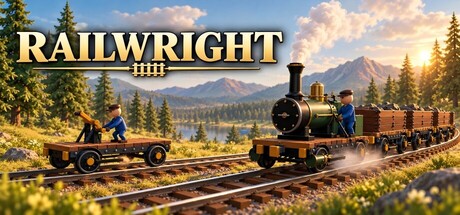
Generative AI tools were used to assist in creating and iterating on selected promotional artwork and graphical assets for Railwright, including materials used on the Steam store page and related marketing. Gameplay screenshots shown on the store page are captured from the actual game. Railwright does not use generative AI to generate content during gameplay.
Some pre-generated artwork used in the game and on its Steam store page, including title, introduction, event illustration, and capsule artwork, was created using OpenAI image generation tools. One music track was generated using Google Gemini from a developer-written prompt. All generated assets were reviewed and selected by the developer before release. The game does not generate AI content during gameplay or connect to external AI services.
Generative AI was used during development to create selected pre-generated visual assets, including environmental, vehicle, map, and marketing artwork. These assets were reviewed and integrated by the development team. No generative AI is used during gameplay.
Some visual assets used on the Steam store page were created with the assistance of generative AI. The game itself does not contain AI-generated content and does not include any live-generated AI features.
The store artwork (key art, capsule images, logo) was created with the help of generative AI and then selected and edited by hand. AI tools assisted with programming, in-game text and translations; all content was reviewed and revised by the developer. The in-game 3D models, textures and animations come from licensed asset packs and are not AI-generated. No content is generated by AI during gameplay.
Generative AI tools were used during development to assist with programming, debugging, drafting and editing written content, and creating or developing some marketing and store-page artwork. All AI-assisted material is reviewed, edited, and integrated by the developer. The game does not use generative AI during gameplay or connect to external AI services while running.
Generative AI was used to assist with bug fixes, text editing, and portions of the game's music. Generative AI was not used for the game's direction, art direction, or gameplay mechanics.
All historical data is researched and verified by the developer from published records. Some in-game descriptive text (event descriptions, class histories) and the player's guide were drafted with AI assistance under the developer's editorial control and review. No AI-generated artwork, audio or photographs are used.
Since we’re a very small team, we use generative AI for a small part of the development process, for example, to create graphical placeholders like icons or background images, or to localize newly added text. The vast majority of the game was localized by humans; only new text is machine-translated in order to include as many players as possible.
The voice in the game is text-to-speech, not AI.
Generative AI tools were used during development to assist with drafts and revisions of some pre-generated in-game text, interface copy, localization, and store and library artwork. All resulting content is selected, edited, and reviewed by the developer before shipping. The game does not generate content with AI at runtime.
This game was developed with the assistance of generative AI tools during the development process. Generative AI was used to help produce elements of the game's code, artwork, and music. All AI-assisted output was reviewed, edited, and curated by our team before being included in the final game, ensuring it met our creative and quality standards.
Some user interface elements (including UI frames, buttons, panels, and HUD background art) were created with the assistance of generative AI image tools during development, then manually edited, composited, and integrated by the development team. Promotional artwork on the store page (capsule, library header/hero images) also used generative AI assistance and was human-reviewed before publication. No AI is used to generate content during gameplay.
Generative AI tools were used to assist with some UI artwork and localization.
All AI-assisted content is pre-generated and reviewed before being included in the game or its store materials.
Parts of this game were made with AI assistance. AI-assisted coding was used during development, and some artwork was AI-generated and then edited by hand. The design, the systems and the writing are my own.
Urban Bus Simulator includes some content created with the assistance of generative AI. AI-generated content is used for certain HUD elements, menu/interface visuals, and promotional or illustrative images related to vehicle brands. These AI-generated assets are used as part of the game's visual presentation and user interface.
Much of the artwork in Convoy Inc. was created with the help of AI image tools, including job and event scenes, driver portraits, truck and city illustrations, map decorations and parts of the interface art. Every image was selected, edited and composited by the developer to fit the game's vintage atlas style.
The illustrated story scenes and the music in the trailer were also created with AI-assisted tools.
The game's design, code, systems, map data and all written text were created by the developer. The game does not generate any AI content while it runs.
Signarchy was developed with the help of an AI coding assistant (Anthropic's Claude). It was used to write program code and to draft in-game text such as level descriptions, tutorial lines and translations. All of it was directed, reviewed, tested and edited by the developer.
The game itself contains no generative AI. Nothing is generated while you play: the traffic simulation is deterministic and runs entirely on your computer, without any connection to AI services. The 3D models are built procedurally from our own scripts, and road sign artwork follows official national standards.
Parts of the game's code, interface art, store artwork and store text were created with the help of AI tools and then reviewed and edited by the developer. Nothing is generated by AI while you play.
This game uses generative AI tools for the creation of certain static visual assets, including background images, loading screens, character portraits, marketing materials, and depictions of aircraft.
Made with AI tools and reviewed and edited by the developer: the character portraits of pilots and controllers, the app icon and the medal artwork (image generation); some 3D props (image-to-3D, then edited); the radio voices, which are original designed voices (not imitating real people) synthesised with text-to-speech. The voices speak only the game's own radio phrases; players cannot make them say other text.
Generative AI was used extensively during the development of this game, including assistance with game code, selected visual assets, text and translations, and store and library artwork. These materials were prepared in advance. The game does not generate AI content or connect to external AI services during gameplay.
Artifical Railways was developed with extensive AI assistance, including programming and the creation of custom train models, procedural scenery, interface elements, and procedural sound effects. The game also incorporates third-party models, music, sound recordings, and fonts. Station announcements use AI-generated speech synthesized locally during gameplay from announcement templates and in-game railway information. This speech generation does not connect to an external AI service.
Generative AI was used for pre-generated promotional artwork and localization text. No AI content is generated during gameplay. The game does not connect to external AI services.
Generative AI was used to assist in the creation of promotional images and some graphical assets, as well as to assist with the localization of in-game text and the Steam store page. The game does not use generative AI during gameplay.
As a solo developer AI helped me with:
- fine tuning text and Steam store descriptions
- solve complex coding issues
- visuals are not "ai" generated, but all visuals are programmatically generated within my own software, and the scripts that do that, are optimised by AI coding tools
Generative AI was used to create selected promotional artwork for the Steam store page and to assist with the localization of store text. All generated content was reviewed and edited by the developer. No generative AI is used during gameplay, and the game does not connect to external AI services.
The music and some of the images were created using artificial intelligence. Localization into some languages was performed using artificial intelligence.
Generative AI tools were used to a very limited extent during the development of the game for a few minor visual elements. These consist only of a small number of simple effect graphics, which were subsequently adapted and edited for use in the game.
Generative AI was also used as a writing aid to improve and refine some of the text used on the game's Steam store page.
The core content and functionality of the game were not created using generative AI.
Store page and marketing: the main capsule art was composed and rendered by the developer from in-game models, with generative AI used to repaint parts of the background (landscape, sky and lighting), then corrected by hand. Some promotional videos use an AI-generated voiceover.
AI was used for coding, translations and achievements. The map, airports and countries come from public datasets. Nothing is generated by AI while you play.
Generative AI tools were used during development to help with coding. All assets are 3d modeled or free to use assets. The game does not generate AI content or connect to an AI service.
Some visual assets and the music in Roadweave were created with the help of generative AI tools during development: the key art, logo, store and library artwork, icons and achievement badges were made with image tools, and the soundtrack with a music tool. Every asset was selected and edited by the developer before release.
Generative AI is not used while you play. Maps are built by the game's own procedural generator from a seed — ordinary game code, not AI.
Pre-generated background graphics were created using generative AI and were subsequently selected for use in the game. The game contains no live-generated AI content and no AI interactions during gameplay.
Generative AI tools were used to assist in creating and iterating on selected promotional artwork and graphical assets for Railwright, including materials used on the Steam store page and related marketing. Gameplay screenshots shown on the store page are captured from the actual game. Railwright does not use generative AI to generate content during gameplay.
Some pre-generated artwork used in the game and on its Steam store page, including title, introduction, event illustration, and capsule artwork, was created using OpenAI image generation tools. One music track was generated using Google Gemini from a developer-written prompt. All generated assets were reviewed and selected by the developer before release. The game does not generate AI content during gameplay or connect to external AI services.
Generative AI was used during development to create selected pre-generated visual assets, including environmental, vehicle, map, and marketing artwork. These assets were reviewed and integrated by the development team. No generative AI is used during gameplay.
Some visual assets used on the Steam store page were created with the assistance of generative AI. The game itself does not contain AI-generated content and does not include any live-generated AI features.
The store artwork (key art, capsule images, logo) was created with the help of generative AI and then selected and edited by hand. AI tools assisted with programming, in-game text and translations; all content was reviewed and revised by the developer. The in-game 3D models, textures and animations come from licensed asset packs and are not AI-generated. No content is generated by AI during gameplay.
Generative AI tools were used during development to assist with programming, debugging, drafting and editing written content, and creating or developing some marketing and store-page artwork. All AI-assisted material is reviewed, edited, and integrated by the developer. The game does not use generative AI during gameplay or connect to external AI services while running.
Generative AI was used to assist with bug fixes, text editing, and portions of the game's music. Generative AI was not used for the game's direction, art direction, or gameplay mechanics.
All historical data is researched and verified by the developer from published records. Some in-game descriptive text (event descriptions, class histories) and the player's guide were drafted with AI assistance under the developer's editorial control and review. No AI-generated artwork, audio or photographs are used.
Since we’re a very small team, we use generative AI for a small part of the development process, for example, to create graphical placeholders like icons or background images, or to localize newly added text. The vast majority of the game was localized by humans; only new text is machine-translated in order to include as many players as possible.
The voice in the game is text-to-speech, not AI.
Generative AI tools were used during development to assist with drafts and revisions of some pre-generated in-game text, interface copy, localization, and store and library artwork. All resulting content is selected, edited, and reviewed by the developer before shipping. The game does not generate content with AI at runtime.
This game was developed with the assistance of generative AI tools during the development process. Generative AI was used to help produce elements of the game's code, artwork, and music. All AI-assisted output was reviewed, edited, and curated by our team before being included in the final game, ensuring it met our creative and quality standards.
Some user interface elements (including UI frames, buttons, panels, and HUD background art) were created with the assistance of generative AI image tools during development, then manually edited, composited, and integrated by the development team. Promotional artwork on the store page (capsule, library header/hero images) also used generative AI assistance and was human-reviewed before publication. No AI is used to generate content during gameplay.
Generative AI tools were used to assist with some UI artwork and localization.
All AI-assisted content is pre-generated and reviewed before being included in the game or its store materials.
Parts of this game were made with AI assistance. AI-assisted coding was used during development, and some artwork was AI-generated and then edited by hand. The design, the systems and the writing are my own.
Urban Bus Simulator includes some content created with the assistance of generative AI. AI-generated content is used for certain HUD elements, menu/interface visuals, and promotional or illustrative images related to vehicle brands. These AI-generated assets are used as part of the game's visual presentation and user interface.