Public Steam disclosure research25,394 disclosures tracked
Where do games disclose AI use?
Search developers’ Steam disclosures, compare classified AI use across
games, and follow recorded changes.
This index adds cross-game classifications and statistics to
statements published on individual store pages.
Groups reflect automatic analysis of public disclosures; mature records are excluded. These counts do not measure AI use across all of Steam.
Missing or unclear statements cannot establish whether a game uses AI.
RingOut uses generative AI to create part of its content. Some 2D artwork (character illustrations, key art and store/marketing images) and some audio (music and/or sound effects) were created with generative AI tools during development, then reviewed, edited and integrated by the developer. All 3D models are hand-made. No content is generated by AI in real time during gameplay.
Generative AI was used during development to assist with programming and to help
produce some 3D models and logo artwork, all reviewed and integrated by the developer.
No AI runs while you play: the game is fully offline and generates no content at runtime.
Artificial intelligence tools were utilized as a reference and assistive aid in the creation of certain art assets, audio elements, and localization translations for this game.
Portions of this game's content were created with the assistance of generative AI tools under human direction and review. This includes much but not all of the visual artwork, the soundtrack, and the store page text and marketing copy. All AI-assisted content was curated, edited, and approved by the developer.
All spoken roles were performed by the developer, Morph. Those recordings were then transformed into different character voices and accents using AI voice conversion and further processed with Logic Pro.
Generative AI tools were used during development to assist with portions of the programming, user interface and text presentation implementation, as well as initial drafts of some localizations. The game’s setting, narrative text, visual design, and all final content were created and determined by the developer. No generative image models were used, and the game does not connect to or invoke any generative AI services at runtime. It contains no live-generated content.
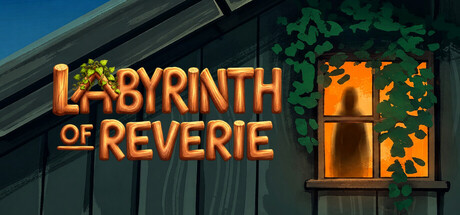
As a small indie studio, we set out to bring as many of our ideas to life as possible and deliver a deep gaming experience. To turn these ambitions into reality, we utilized AI as an assistant tool. Neural networks helped us write code, create some of the art, and voice the characters. However, the entire creative concept, the design of the interactive diary, the shadow theater sequence, and the overall atmosphere of the project are completely the result of our human imagination and direction.
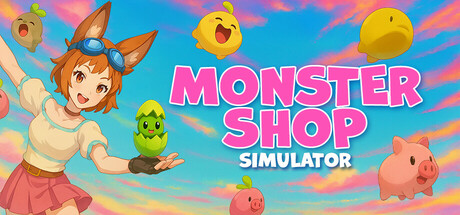
The images shown on the monster reveal screen after an egg is cracked, and the artwork used on the daily report screen, were created with generative AI.
Some ambient audio in this game — background crowd voices and station announcements — is generated using neural text-to-speech. All visual art, music, and narrative writing are human-authored or made with traditional, non-generative tools.
Generative AI tools were used to assist in the creation of some artwork, store page graphics, 3D assets, and audio content. No generative AI is used to generate content live during gameplay.
This game utilizes pre-generated AI tools to create SFXs, music, UI images, texts, and one 3D model. Some of which are edited and all of which are selected with care.
I am a solo indie developer with little coding experience. AI has helped me with the programming in my game, which has allowed me to build this game for you all. Game Development is a big passion of mine, and I could not do it without the assistance of AI.
Generative AI was used during development to create some concept art, early promotional images, certain 3D assets, and UI illustrations. All AI-generated content was reviewed, edited, and integrated by the developer. The game does not use AI-generated content during gameplay.
Generative AI tools were used during development to assist with creating certain in-game visual assets, concept art, and UI elements. All AI-generated content has been reviewed, curated, and integrated manually by the developer.
During Early Access, AI placeholders might be used in lieu of handcrafted assets to speed up development and to improve the game’s visual fidelity. It is currently our plan to gradually replace all AI-generated assets by the final release.
Some 3D model creatures generated from my own hand-drawn concept art via Meshy; all 2D art sources, game design, and voice work is human-made, with voice acting by Manicvelocity and The Altoholic.
Generative AI tools were used to assist in the creation of promotional store assets (such as store banners and visual graphics). Additionally, AI-assisted tools were used during development to help write and optimize procedural C# code for dynamic map generation and environment layout variation. The game itself does not generate content or call external AI models in real-time while running.
This game uses AI-generated audio effects (via ElevenLabs) for a limited set of sound effects, layered and processed alongside licensed library sounds. As a solo developer on a tight budget, this let me create specific, bespoke sounds without the cost of a full custom audio pack for assets that are only used a handful of times.
Some of these may be replaced with human-composed audio as the game develops.
Generative AI tools were used during development to assist in creating certain environmental textures and ambient sound effects to enhance the game's atmosphere. All generated assets were reviewed and integrated manually to fit the retro aesthetic of the game.
Generative AI tools were used during development to assist in the creation of some visual assets and textures. All AI-assisted content was reviewed and edited by the developer before being included in the game.
Generative AI was used during development to assist with selected pre-generated marketing and Steam store artwork, concept and reference images, product packaging artwork and textures, and localization. All AI-assisted content was reviewed, edited and curated by the developer before being included. The game does not generate AI content during gameplay.
Generative AI tools were used during development to create and refine the promotional capsule art, library graphics, and marketing assets for the store page. The game itself does not contain or generate any AI content during gameplay.
Some visual assets and promotional artwork were created with the assistance of generative AI tools and subsequently selected, edited, composited, and integrated by the developer.
We intend to use AI to help for translating and localizing the game.
We use generative AI tools to assist in producing some pre-rendered visual assets, including concept art and promotional imagery used on this store page. All AI-assisted output is reviewed, edited and art-directed by our team. The game contains no live-generated AI content.
We use generative AI tools to assist in producing some pre-rendered visual assets, including concept art and promotional imagery used on this store page. All AI-assisted output is reviewed, edited and art-directed by our team. The game contains no live-generated AI content.
Selected pre-generated visual materials used for the Steam store page, capsule artwork, promotional assets, and presentation screenshots were created or refined with the assistance of generative AI tools.
The game does not use live generative AI during gameplay. No gameplay content, dialogue, images, audio, or missions are generated in real time by AI, and the game does not connect to external AI services during play.
All video, voice and music content in this game was pre-generated using AI tools under full human direction. The story, characters, dialogue, game design, editing and code are original work by a solo developer. No content is generated while the game is running; players only ever see pre-produced, human-reviewed material.
RingOut uses generative AI to create part of its content. Some 2D artwork (character illustrations, key art and store/marketing images) and some audio (music and/or sound effects) were created with generative AI tools during development, then reviewed, edited and integrated by the developer. All 3D models are hand-made. No content is generated by AI in real time during gameplay.
Generative AI was used during development to assist with programming and to help
produce some 3D models and logo artwork, all reviewed and integrated by the developer.
No AI runs while you play: the game is fully offline and generates no content at runtime.
Artificial intelligence tools were utilized as a reference and assistive aid in the creation of certain art assets, audio elements, and localization translations for this game.
Portions of this game's content were created with the assistance of generative AI tools under human direction and review. This includes much but not all of the visual artwork, the soundtrack, and the store page text and marketing copy. All AI-assisted content was curated, edited, and approved by the developer.
All spoken roles were performed by the developer, Morph. Those recordings were then transformed into different character voices and accents using AI voice conversion and further processed with Logic Pro.
Generative AI tools were used during development to assist with portions of the programming, user interface and text presentation implementation, as well as initial drafts of some localizations. The game’s setting, narrative text, visual design, and all final content were created and determined by the developer. No generative image models were used, and the game does not connect to or invoke any generative AI services at runtime. It contains no live-generated content.
As a small indie studio, we set out to bring as many of our ideas to life as possible and deliver a deep gaming experience. To turn these ambitions into reality, we utilized AI as an assistant tool. Neural networks helped us write code, create some of the art, and voice the characters. However, the entire creative concept, the design of the interactive diary, the shadow theater sequence, and the overall atmosphere of the project are completely the result of our human imagination and direction.
The images shown on the monster reveal screen after an egg is cracked, and the artwork used on the daily report screen, were created with generative AI.
Some ambient audio in this game — background crowd voices and station announcements — is generated using neural text-to-speech. All visual art, music, and narrative writing are human-authored or made with traditional, non-generative tools.
Generative AI tools were used to assist in the creation of some artwork, store page graphics, 3D assets, and audio content. No generative AI is used to generate content live during gameplay.
This game utilizes pre-generated AI tools to create SFXs, music, UI images, texts, and one 3D model. Some of which are edited and all of which are selected with care.
I am a solo indie developer with little coding experience. AI has helped me with the programming in my game, which has allowed me to build this game for you all. Game Development is a big passion of mine, and I could not do it without the assistance of AI.
Generative AI was used during development to create some concept art, early promotional images, certain 3D assets, and UI illustrations. All AI-generated content was reviewed, edited, and integrated by the developer. The game does not use AI-generated content during gameplay.
Generative AI tools were used during development to assist with creating certain in-game visual assets, concept art, and UI elements. All AI-generated content has been reviewed, curated, and integrated manually by the developer.
During Early Access, AI placeholders might be used in lieu of handcrafted assets to speed up development and to improve the game’s visual fidelity. It is currently our plan to gradually replace all AI-generated assets by the final release.
Some 3D model creatures generated from my own hand-drawn concept art via Meshy; all 2D art sources, game design, and voice work is human-made, with voice acting by Manicvelocity and The Altoholic.
Generative AI tools were used to assist in the creation of promotional store assets (such as store banners and visual graphics). Additionally, AI-assisted tools were used during development to help write and optimize procedural C# code for dynamic map generation and environment layout variation. The game itself does not generate content or call external AI models in real-time while running.
This game uses AI-generated audio effects (via ElevenLabs) for a limited set of sound effects, layered and processed alongside licensed library sounds. As a solo developer on a tight budget, this let me create specific, bespoke sounds without the cost of a full custom audio pack for assets that are only used a handful of times.
Some of these may be replaced with human-composed audio as the game develops.
Generative AI tools were used during development to assist in creating certain environmental textures and ambient sound effects to enhance the game's atmosphere. All generated assets were reviewed and integrated manually to fit the retro aesthetic of the game.
Generative AI tools were used during development to assist in the creation of some visual assets and textures. All AI-assisted content was reviewed and edited by the developer before being included in the game.
Generative AI was used during development to assist with selected pre-generated marketing and Steam store artwork, concept and reference images, product packaging artwork and textures, and localization. All AI-assisted content was reviewed, edited and curated by the developer before being included. The game does not generate AI content during gameplay.
Generative AI tools were used during development to create and refine the promotional capsule art, library graphics, and marketing assets for the store page. The game itself does not contain or generate any AI content during gameplay.
Some visual assets and promotional artwork were created with the assistance of generative AI tools and subsequently selected, edited, composited, and integrated by the developer.
We intend to use AI to help for translating and localizing the game.
We use generative AI tools to assist in producing some pre-rendered visual assets, including concept art and promotional imagery used on this store page. All AI-assisted output is reviewed, edited and art-directed by our team. The game contains no live-generated AI content.
We use generative AI tools to assist in producing some pre-rendered visual assets, including concept art and promotional imagery used on this store page. All AI-assisted output is reviewed, edited and art-directed by our team. The game contains no live-generated AI content.
Selected pre-generated visual materials used for the Steam store page, capsule artwork, promotional assets, and presentation screenshots were created or refined with the assistance of generative AI tools.
The game does not use live generative AI during gameplay. No gameplay content, dialogue, images, audio, or missions are generated in real time by AI, and the game does not connect to external AI services during play.
All video, voice and music content in this game was pre-generated using AI tools under full human direction. The story, characters, dialogue, game design, editing and code are original work by a solo developer. No content is generated while the game is running; players only ever see pre-produced, human-reviewed material.