Public Steam disclosure research25,394 disclosures tracked
Where do games disclose AI use?
Search developers’ Steam disclosures, compare classified AI use across
games, and follow recorded changes.
This index adds cross-game classifications and statistics to
statements published on individual store pages.
Groups reflect automatic analysis of public disclosures; mature records are excluded. These counts do not measure AI use across all of Steam.
Missing or unclear statements cannot establish whether a game uses AI.
“AI tools were used to assist in creating certain visual assets, including store page images, main menu buttons, several in-game paintings, and one jumpscare image that appears during gameplay. AI is not used for gameplay systems, mechanics, code, or player interaction.”
Generative AI tools were used to create visual assets including achievement icons, store page capsules, and marketing materials. Additionally, AI-based Text-to-Speech (TTS) was used for in-game voiceovers. All AI-generated content has been manually reviewed and edited to ensure high quality and consistency with the game's artistic style.
AI was used to create the images, but the character sprites were redrawn by artist, and the backgrounds were edited in a graphics editor. To create the music, AI was used as a reference, and then the composer created his tracks based on it.
This game uses AI-generated assets such as images and sound effects that were created during development and are pre-rendered into the game. No AI is used to generate content during gameplay, and players cannot generate content using AI. All AI-generated assets are reviewed by the developer to ensure they do not infringe on third-party rights.
Generative AI is used only for pre generated assets: Voice lines in the indoctrination video (also used in the trailer) and the game’s logo in store materials. No AI is used at runtime, and all other content is handcrafted.
We have utilized AI-assisted design for the store materials and some 2D background images within the game. However, these are not purely AI-generated; they are based on our original photographs that were enhanced using AI technology, and subsequently refined manually to ensure quality.
Some sound effects and portions of the music soundtrack were created using AI-assisted audio tools. AI is used only as a creative aid for generating and polishing audio assets; it does not affect gameplay, player data, or in-game decision making.
-Some base textures have been AI generated during the development
-Some of the imagery and speech audio in the in-game TV programs are AI generated
-Some in-game radio music is AI generated
Echoes of the Rest uses AI to enhance the player experience. AI is used to generate in-game character voices, environmental textures, and certain narrative elements, making each playthrough feel dynamic and immersive.
We use AI in early conceptual design, to figure out an appropriate background art. We then go through several iterations manually with artist modifications, to produce a good, highly polished background that gels well with our characters, story and intended art style.
Our characters are hand drawn by humans.
Our objects are hand drawn by humans.
All user interface (UI) elements are hand drawn by humans.
All animations are hand drawn and meticulously rigged (also by humans) using bone animation.
There is an optional 100% local and open source AI to create an antagonistic voice taunting the player based on their actions, which can be disabled entirely.
Generative AI was used only to create a few illustrations shown as short comic-style scenes at the beginning and end of the game, as well as some promotional artwork (capsules and banners).
These images do not affect gameplay or appear as part of the interactive experience. All game mechanics, characters, and environments were created manually.
All AI-generated illustrations were created specifically for this project, and I have full rights to use and distribute them.
This game does not use artificial intelligence during gameplay. However, AI tools were used to assist in creating certain promotional and marketing materials, such as key art and visual assets for the store page.
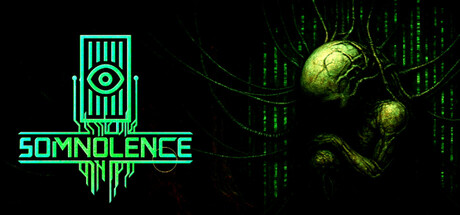
Some visual and audio assets in Somnolence were created or enhanced using AI-assisted tools during development, such as generative image and voice synthesis software.
All content has been manually reviewed, edited, and integrated by the developer to fit the game’s narrative and aesthetic design.
The game itself does not generate or modify content in real time.
The story, narrative, and core implementation are entirely human-made.
AI tools were used for supporting elements in voice acting (ElevenLabs), imagery, music production, and video. Less than 15% of videographic content used AI generation (primarily edited in Canva and Filmora).
Our two-person team meticulously guided and refined all AI-assisted content, spending hours to meet specific narrative and quality requirements. We specifically chose ElevenLabs as they contribute directly to Voice Actors through royalties and licensing deals.
Special thanks to the Pixabay community for providing the high-quality audio alternatives used when the GenAI Content toggle is inactive.
Using artificial intelligence:
Some famous games (example, lyrics, partial usage, and musical accompaniment) were created to promote technological progress. The lecture, one way or another, is dedicated to (OpenAI) and Mubert.
This helped expand the creative possibilities and add a unique atmosphere, while maintaining full creative control on the part of the developer.
Artificial intelligence (AI) was leveraged for key aspects of the game's development, including in-game logic, support systems, and certain artistic assets.
“AI tools were used to assist in creating certain visual assets, including store page images, main menu buttons, several in-game paintings, and one jumpscare image that appears during gameplay. AI is not used for gameplay systems, mechanics, code, or player interaction.”
Generative AI tools were used to create visual assets including achievement icons, store page capsules, and marketing materials. Additionally, AI-based Text-to-Speech (TTS) was used for in-game voiceovers. All AI-generated content has been manually reviewed and edited to ensure high quality and consistency with the game's artistic style.
AI was used to create the images, but the character sprites were redrawn by artist, and the backgrounds were edited in a graphics editor. To create the music, AI was used as a reference, and then the composer created his tracks based on it.
This game uses AI-generated assets such as images and sound effects that were created during development and are pre-rendered into the game. No AI is used to generate content during gameplay, and players cannot generate content using AI. All AI-generated assets are reviewed by the developer to ensure they do not infringe on third-party rights.
Generative AI is used only for pre generated assets: Voice lines in the indoctrination video (also used in the trailer) and the game’s logo in store materials. No AI is used at runtime, and all other content is handcrafted.
We have utilized AI-assisted design for the store materials and some 2D background images within the game. However, these are not purely AI-generated; they are based on our original photographs that were enhanced using AI technology, and subsequently refined manually to ensure quality.
Some sound effects and portions of the music soundtrack were created using AI-assisted audio tools. AI is used only as a creative aid for generating and polishing audio assets; it does not affect gameplay, player data, or in-game decision making.
-Some base textures have been AI generated during the development
-Some of the imagery and speech audio in the in-game TV programs are AI generated
-Some in-game radio music is AI generated
Echoes of the Rest uses AI to enhance the player experience. AI is used to generate in-game character voices, environmental textures, and certain narrative elements, making each playthrough feel dynamic and immersive.
We use AI in early conceptual design, to figure out an appropriate background art. We then go through several iterations manually with artist modifications, to produce a good, highly polished background that gels well with our characters, story and intended art style.
Our characters are hand drawn by humans.
Our objects are hand drawn by humans.
All user interface (UI) elements are hand drawn by humans.
All animations are hand drawn and meticulously rigged (also by humans) using bone animation.
There is an optional 100% local and open source AI to create an antagonistic voice taunting the player based on their actions, which can be disabled entirely.
Generative AI was used only to create a few illustrations shown as short comic-style scenes at the beginning and end of the game, as well as some promotional artwork (capsules and banners).
These images do not affect gameplay or appear as part of the interactive experience. All game mechanics, characters, and environments were created manually.
All AI-generated illustrations were created specifically for this project, and I have full rights to use and distribute them.
This game does not use artificial intelligence during gameplay. However, AI tools were used to assist in creating certain promotional and marketing materials, such as key art and visual assets for the store page.
Some visual and audio assets in Somnolence were created or enhanced using AI-assisted tools during development, such as generative image and voice synthesis software.
All content has been manually reviewed, edited, and integrated by the developer to fit the game’s narrative and aesthetic design.
The game itself does not generate or modify content in real time.
The story, narrative, and core implementation are entirely human-made.
AI tools were used for supporting elements in voice acting (ElevenLabs), imagery, music production, and video. Less than 15% of videographic content used AI generation (primarily edited in Canva and Filmora).
Our two-person team meticulously guided and refined all AI-assisted content, spending hours to meet specific narrative and quality requirements. We specifically chose ElevenLabs as they contribute directly to Voice Actors through royalties and licensing deals.
Special thanks to the Pixabay community for providing the high-quality audio alternatives used when the GenAI Content toggle is inactive.
Using artificial intelligence:
Some famous games (example, lyrics, partial usage, and musical accompaniment) were created to promote technological progress. The lecture, one way or another, is dedicated to (OpenAI) and Mubert.
This helped expand the creative possibilities and add a unique atmosphere, while maintaining full creative control on the part of the developer.
Artificial intelligence (AI) was leveraged for key aspects of the game's development, including in-game logic, support systems, and certain artistic assets.