



Disclosure
Some in-game posters and signs, the splash screen, and parts of the text and translation were made with the help of generative AI and then edited by hand.
- Creator
- homemadevoxel
- Reviews
- -
- Added
- Oct 12, 2026
Public Steam disclosure research 25,376 disclosures tracked
Search developers’ Steam disclosures, compare classified AI use across games, and follow recorded changes. This index adds cross-game classifications and statistics to statements published on individual store pages.
Code help, debugging and other development work.
Capsule art, trailers and promotional material.
Pre-made art, audio, writing and other game assets.
Interactive or runtime AI features disclosed by the developer.
Groups reflect automatic analysis of public disclosures; mature records are excluded. These counts do not measure AI use across all of Steam. Missing or unclear statements cannot establish whether a game uses AI.
Some in-game posters and signs, the splash screen, and parts of the text and translation were made with the help of generative AI and then edited by hand.
Generative AI tools were used to assist with the creation and refinement of some pre-generated sound effects, 3D assets, 2D images, voice lines, and localization. All AI-assisted content was reviewed, edited, and integrated by the developer. The game does not use generative AI to create content during gameplay.
AI is used to translate the store page.
Generative AI tools were used during development to assist in the creation of some pre-generated visual assets and promotional materials. All AI-assisted content is reviewed, selected, and integrated by the development team. The game does not use generative AI to create content during gameplay.
AI was used to tailor store page descriptions and grammar correct.
Generative AI was used to help write the Python code that generates the game's 3D models and synthesized sounds, and to assist with localization.
I enjoy code and music, yet I am terrible at art. Therefore, generative AI was used during development to create some game artwork, including interface elements, achievements, and icons, and the Beast Hunt logo used in the game. The game does not generate AI content during gameplay.
AI-assisted tools were used during the development of Tidy Up Her Toys as part of the creative and production workflow. AI was utilized to assist with certain aspects of programming and development, music creation, and the production of selected graphical and visual elements. These tools were used to support the development process, experimentation, iteration, and creative production. The overall game design, direction, implementation, integration, editing, and final creative decisions were handled by the developer. AI-generated and AI-assisted content was reviewed, adapted, and integrated into the game as part of the development process.
The ghost's voice lines, lullaby, screams, laughter and some sound effects were generated with AI audio tools (ElevenLabs). The store page description and the layout of the capsule art were prepared with the help of an AI assistant, using screenshots captured from the game. All 3D models, environments and animations are human-made assets licensed from the Fab marketplace.
During the R&D process, we used AI to assist with scriptwriting, but the content was still reviewed and polished by humans.
This game contains pre-generated AI content, all reviewed and edited by the developer: - Voice acting: every radio and PA line, in English and Turkish, is text-to-speech generated with ElevenLabs. - Audio: most sound effects and the three music beds were generated with ElevenLabs. - 3D art: some organic growth props were shaped with an image-to-3D pipeline (SDXL + Hunyuan3D), then UV-unwrapped, baked and finished by hand in Blender. - 2D art: the still images in the narrated opening were made with an image model. The game generates nothing with AI while it runs. The trailer, screenshots and capsule art on this page are in-game footage and in-engine captures.
Ransom Wave uses generative AI during gameplay. The game uses AI models to generate fictional victim dialogue, spoken voice responses, selected narrative text, and limited in-game guidance in real time. These outputs react to the player's typed input or optional microphone input and can vary between playthroughs. The game's setting, characters, gameplay rules, scenario structure, safety constraints, and core narrative direction are created and controlled by the development team. AI-generated outputs are constrained by developer-authored character profiles, gameplay states, and content rules. Player microphone audio may be transcribed only to enable the current voice conversation. The game provides a text-input alternative when the microphone is disabled.
This game contains content created with the assistance of AI tools. AI was used during development to assist with programming, visual assets, and other creative elements. All generated content was reviewed, edited, and integrated by the dev.
AI was used to help localize this game in multiple languages.
AI tools were used for some voice lines, some 3D props, and some textures.
One map artwork was created with generative AI and then edited by the developer. No other art, audio, text, or gameplay content uses AI. The game does not generate content during play.
AI tools were used for some background audio and aiding with scripts.
Pre-generated AI was used to create selected 2D artwork included in the game, including a painting and menu imagery. All generated content was reviewed and selected by the developer before inclusion. The game does not generate AI content during gameplay and does not connect to a live AI service.
AI tools were used solely for generating background images. All character art, UI elements, writing, and other visual content were created entirely by the development team without the use of generative AI.
Generative AI tools were used during development to assist with the creation of game content. All final content was reviewed and refined by the development team.
This game uses generative AI tools during development to assist with the following content: text translation, sound effects, and background artwork assets
Some voice lines (the narrator, phone messages and townspeople), some sound effects and the menu music were created with generative AI text-to-speech and audio tools (ElevenLabs) and edited by the developer. All visual art, 3D, animation, level design and code were made by the developer. No AI content is generated during gameplay.
AI was used for some sounds or small textures
background and Logo with created AI.
游戏内部分资产使用AI辅助生成
We've used most of the translations, most of the textures, most of the sound effects, and some 3D modeling.
Generative AI was used during development to assist in creating select pre-generated promotional artwork and video assets used in marketing and on the Steam store page. AI-generated content is reviewed and selected by the developer before publication. Generative AI is not used to create gameplay content in real time.
During early development and for the playable demo, Generative AI tools were used to create base templates and draft assets for certain 3D models, textures, and sound effects. All AI-generated placeholders and base models have been manually re-worked, polished, and edited. As development progresses, these draft assets are being actively replaced with fully custom, handcrafted art and audio.
The translations into other languages were created with the help of AI tools. The game does not generate any AI content while you play.
Generative AI tools were used to assist with drafting and refining the Steam store page description for Ignite: The Ritual. No generative AI content is used as an in-game asset or generated during gameplay.
我们使用AI生成美术、代码、文案资产 无实时生成AI内容 We use AI for pictures,code and story.
No art, audio, levels, or other authored game content was created using generative AI. However, a small local AI model runs during gameplay to interpret the player's commands and control the character accordingly. Rest assured, it's dumb as a rock. It won't take over the world or your computer. It can barely take over the test subject.
AI tools were used in a limited capacity for a few prop images such as the photographs in the main house, and translation of some Javanese writings. All AI-assisted content was carefully reviewed and approved by humans to ensure it was appropriate and respectful, the final product is a reflection of our own cultural identity and creativity.
Generative AI was used to assist with creating selected promotional artwork and drafting or editing some written marketing content for the Steam store page. No generative AI is used during gameplay.
It Wants You To Stay was developed using generative AI tools, including Claude Code, OpenAI Codex, Meta Muse, Meshy, Scenario, Eleven Labs, Suno AI, ChatGPT, and Seedance. AI was used to create code, many of the 3D models, sound effects, music, and videos. The game also includes free-to-use, human-made 3D models, with credit given to their authors. I understand that some players feel strongly about AI in games, and I respect that. If you prefer not to support games made using AI, this title may not be for you. I’m sharing this openly so you can make an informed choice before buying. If you choose to play, I hope you’ll judge the experience it delivers—its atmosphere, gameplay, performance, and value. Honest feedback, including negative reviews, is welcome. I take responsibility for the game’s quality and will use that feedback to help improve it.
All AI use happened during development. The background music was created with an AI music generation tool and edited by the developer. Parts of the in-game text, the store page text and the scripts used to build the 3D models were written with the help of an AI assistant, then reviewed and edited by the developer. No AI content is generated during gameplay.
Generative AI was used to assist with artwork, UI elements and sound effects. No AI content is generated during gameplay.
Generative AI was used for 2D icons, background music, and translation.
Generative AI was used only to assist with localization and translation into English, Simplified Chinese, Traditional Chinese, and Korean. The original story, artwork, audio, and other game assets were not generated using AI. No live-generated AI content is used in the game.
Pre-generated AI-assisted imagery is used for two in-game environment textures (an aged wall and a steel door surface) and for source artwork used in Steam store capsules. All outputs were reviewed and edited by the developer. The game does not generate content during play and does not connect to an external AI service.
Some of the game's content was created with the help of generative AI tools and then reviewed and integrated by the developer: several 3D models and their textures, the logo and key art, some of the music and voices, and the English translation of the game's text. All of it is pre-generated: the game does not generate anything with AI while you play.
How we do use AI:
Please note that non-Japanese localization is currently generated by AI. I plan to replace this with professional human localization in the future. Furthermore, one sound effect was created using AI. All other elements have been meticulously crafted by myself.
This game uses AI to generate some models, textures, and even some mechanics.
AI is used to create some of the images on the game's store page and in the library.
This game contains content created with the assistance of AI tools. AI was used during development to assist with programming, visual assets, and other creative elements. All generated content was reviewed, edited, and integrated by the dev.
Some assets in this game were created with generative AI during development: 3D models of characters and props (including some of their animations), and images such as textures and illustrations. All of them were selected and adjusted by the developers before being used in the game. No content is generated by AI while the game is running.
Some paintings and NPC textures in this game were generated using AI. These elements are used purely for visual and aesthetic purposes and have no impact on gameplay. There is no live or real-time AI generation during gameplay.
This game utilizes pre-rendered content assisted by generative AI tools exclusively for a few specific background songs, character voice acting, and minor conceptual art references. The ambient sound design, audio effects, and liminal soundscapes were crafted by human artists. Certain 3D models and environmental props were acquired under license from creators on the Unreal Engine Marketplace. All narrative writing, game design, level composition, programming, story, and creative direction are original works created and directed entirely by the author.
[Developer Notice]This game was developed with the assistance of AI tools used for programming and code generation during the development process.
| Title⇅ | Disclosure | Creator⇅ | Src | Reviews⇅ | Added↓ |
|---|---|---|---|---|---|
 LIFT In-game content arttext | Some in-game posters and signs, the splash screen, and parts of the text and translation were made with the help of generative AI and then edited by hand. | homemadevoxel | - | Oct 12, 2026 | |
 Goshiwon | 고시원 In-game content audioarttext | Generative AI tools were used to assist with the creation and refinement of some pre-generated sound effects, 3D assets, 2D images, voice lines, and localization. All AI-assisted content was reviewed, edited, and integrated by the developer. The game does not use generative AI to create content during gameplay. | Jayhyeon Studio | - | Oct 12, 2026 | |
 Untold Cases - Lot 42 Store/marketing text | AI is used to translate the store page. | Alex Le Mesurier | - | Oct 12, 2026 | |
 Gods & Liars Store/marketing art | Generative AI tools were used during development to assist in the creation of some pre-generated visual assets and promotional materials. All AI-assisted content is reviewed, selected, and integrated by the development team. The game does not use generative AI to create content during gameplay. | QARAMTA STUDIOS | - | Oct 12, 2026 | |
 Burgerama Anomaly Store/marketing text | AI was used to tailor store page descriptions and grammar correct. | Mossy Games Studio | - | Oct 12, 2026 | |
 OUTIS In-game content codetext | Generative AI was used to help write the Python code that generates the game's 3D models and synthesized sounds, and to assist with localization. | OUTIS | - | Oct 12, 2026 | |
 Beast Hunt In-game content art | I enjoy code and music, yet I am terrible at art.
Therefore, generative AI was used during development to create some game artwork, including interface elements, achievements, and icons, and the Beast Hunt logo used in the game. The game does not generate AI content during gameplay. | Thundermagnet | - | Oct 12, 2026 | |
 Tidy Up Her Toys In-game content artaudiocode | AI-assisted tools were used during the development of Tidy Up Her Toys as part of the creative and production workflow.
AI was utilized to assist with certain aspects of programming and development, music creation, and the production of selected graphical and visual elements. These tools were used to support the development process, experimentation, iteration, and creative production.
The overall game design, direction, implementation, integration, editing, and final creative decisions were handled by the developer. AI-generated and AI-assisted content was reviewed, adapted, and integrated into the game as part of the development process. | Volkan Kutlubay | - | Oct 12, 2026 | |
 VINDARI In-game content audio | The ghost's voice lines, lullaby, screams, laughter and some sound effects were generated with AI audio tools (ElevenLabs). The store page description and the layout of the capsule art were prepared with the help of an AI assistant, using screenshots captured from the game. All 3D models, environments and animations are human-made assets licensed from the Fab marketplace. | DH | - | Oct 12, 2026 | |
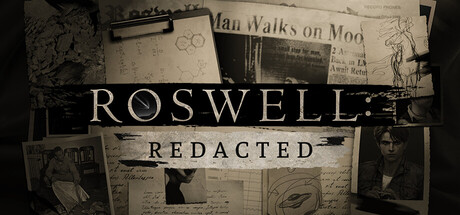 Roswell: Redacted Dev only text | During the R&D process, we used AI to assist with scriptwriting, but the content was still reviewed and polished by humans. | 莓西工作室 | - | Oct 12, 2026 | |
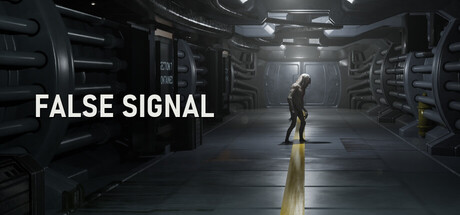 False Signal In-game content audioart | This game contains pre-generated AI content, all reviewed and edited by the developer:
- Voice acting: every radio and PA line, in English and Turkish, is text-to-speech generated with ElevenLabs.
- Audio: most sound effects and the three music beds were generated with ElevenLabs.
- 3D art: some organic growth props were shaped with an image-to-3D pipeline (SDXL + Hunyuan3D), then UV-unwrapped, baked and finished by hand in Blender.
- 2D art: the still images in the narrated opening were made with an image model.
The game generates nothing with AI while it runs. The trailer, screenshots and capsule art on this page are in-game footage and in-engine captures. | Veilward Studios | - | Oct 12, 2026 | |
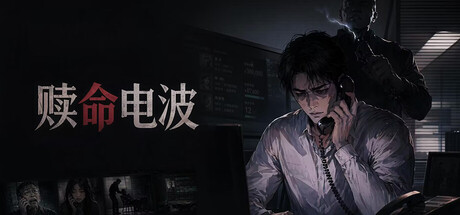 赎命电波 Live AI textaudio | Ransom Wave uses generative AI during gameplay.
The game uses AI models to generate fictional victim dialogue, spoken voice responses, selected narrative text, and limited in-game guidance in real time. These outputs react to the player's typed input or optional microphone input and can vary between playthroughs.
The game's setting, characters, gameplay rules, scenario structure, safety constraints, and core narrative direction are created and controlled by the development team. AI-generated outputs are constrained by developer-authored character profiles, gameplay states, and content rules. Player microphone audio may be transcribed only to enable the current voice conversation. The game provides a text-input alternative when the microphone is disabled. | Unscientific Games | - | Oct 12, 2026 | |
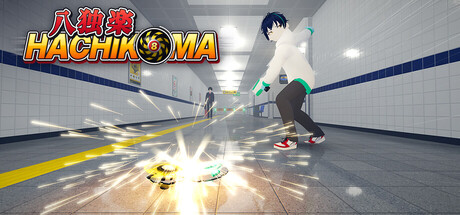 HACHIKOMA: Underground Stadium No. 8 In-game content artcode | This game contains content created with the assistance of AI tools. AI was used during development to assist with programming, visual assets, and other creative elements. All generated content was reviewed, edited, and integrated by the dev. | ISEKAI Games | - | Oct 10, 2026 | |
 AfterCursor In-game content text | AI was used to help localize this game in multiple languages. | Phoenix Downtown Studios | - | Oct 10, 2026 | |
 EVICTIO In-game content audioart | AI tools were used for some voice lines, some 3D props, and some textures. | BD Interactive Studios | - | Oct 10, 2026 | |
 Lightkeeper: Frozen Bay In-game content art | One map artwork was created with generative AI and then edited by the developer. No other art, audio, text, or gameplay content uses AI. The game does not generate content during play. | Anton Antipov | - | Oct 10, 2026 | |
 Boarding Denied In-game content audio | AI tools were used for some background audio and aiding with scripts. | AdriDev | - | Oct 10, 2026 | |
 Messa Anomaly In-game content art | Pre-generated AI was used to create selected 2D artwork included in the game, including a painting and menu imagery. All generated content was reviewed and selected by the developer before inclusion. The game does not generate AI content during gameplay and does not connect to a live AI service. | 1,5 Games | - | Oct 10, 2026 | |
 DATE_SIMULATOR.EXE In-game content art | AI tools were used solely for generating background images. All character art, UI elements, writing, and other visual content were created entirely by the development team without the use of generative AI. | NO REGRETS | - | Oct 10, 2026 | |
 Lobby No. 5 Unclear | Generative AI tools were used during development to assist with the creation of game content. All final content was reviewed and refined by the development team. | Nitroyale | - | Oct 10, 2026 | |
 Pikabuu: Home In-game content textaudioart | This game uses generative AI tools during development to assist with the following content: text translation, sound effects, and background artwork assets | JoyKeratif | - | Oct 9, 2026 | |
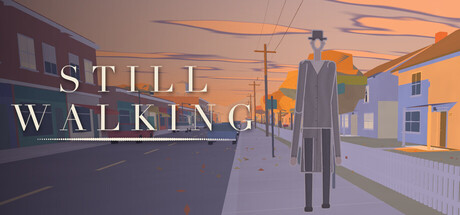 Still Walking In-game content audio | Some voice lines (the narrator, phone messages and townspeople), some sound effects and the menu music were created with generative AI text-to-speech and audio tools (ElevenLabs) and edited by the developer. All visual art, 3D, animation, level design and code were made by the developer. No AI content is generated during gameplay. | LogiK | - | Oct 9, 2026 | |
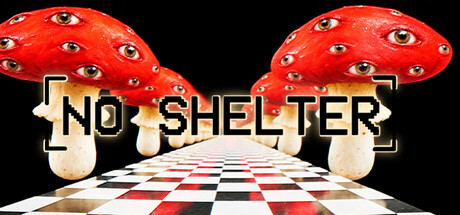 NO SHELTER art | AI was used for some sounds or small textures | Rough Devs | - | Oct 9, 2026 | |
 Not a Duck Store/marketing art | background and Logo with created AI. | NOXRG | - | Oct 9, 2026 | |
 念 Horizon In-game content art | 游戏内部分资产使用AI辅助生成 | IndigoIce Studio | - | Oct 9, 2026 | |
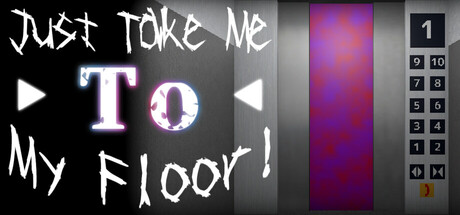 Just Take Me to My Floor! In-game content artaudio | We've used most of the translations, most of the textures, most of the sound effects, and some 3D modeling. | SUGAMUE | - | Oct 9, 2026 | |
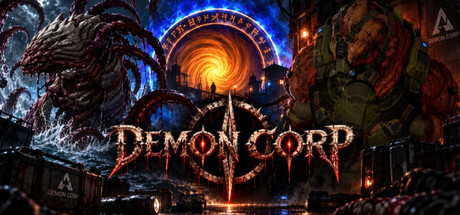 Demon Corp In-game content art | Generative AI was used during development to assist in creating select pre-generated promotional artwork and video assets used in marketing and on the Steam store page. AI-generated content is reviewed and selected by the developer before publication. Generative AI is not used to create gameplay content in real time. | Core Game Studios | - | Oct 9, 2026 | |
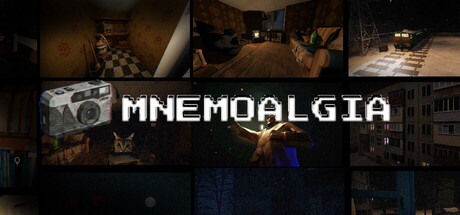 MNEMOALGIA In-game content artaudio | During early development and for the playable demo, Generative AI tools were used to create base templates and draft assets for certain 3D models, textures, and sound effects. All AI-generated placeholders and base models have been manually re-worked, polished, and edited. As development progresses, these draft assets are being actively replaced with fully custom, handcrafted art and audio. | Mnemodev | - | Oct 9, 2026 | |
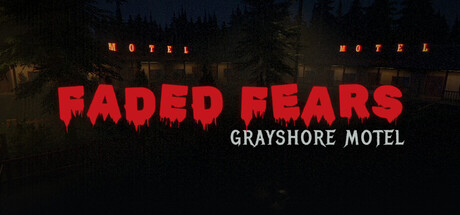 Faded Fears - Grayshore Motel In-game content text | The translations into other languages were created with the help of AI tools. The game does not generate any AI content while you play. | Jeans | - | Oct 9, 2026 | |
 Ignite: The Ritual Store/marketing text | Generative AI tools were used to assist with drafting and refining the Steam store page description for Ignite: The Ritual. No generative AI content is used as an in-game asset or generated during gameplay. | BOSSTTCK Interactive | - | Oct 9, 2026 | |
 国gal笑笑传 In-game content artcodetext | 我们使用AI生成美术、代码、文案资产
无实时生成AI内容
We use AI for pictures,code and story. | 羊头狗肉工作室 | - | Oct 9, 2026 | |
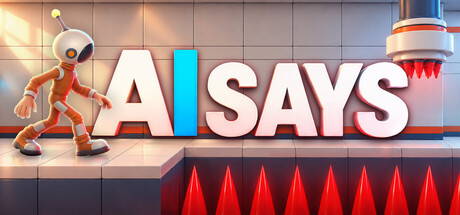 AI Says code | No art, audio, levels, or other authored game content was created using generative AI.
However, a small local AI model runs during gameplay to interpret the player's commands and control the character accordingly. Rest assured, it's dumb as a rock. It won't take over the world or your computer. It can barely take over the test subject. | Duck Milk | - | Oct 9, 2026 | |
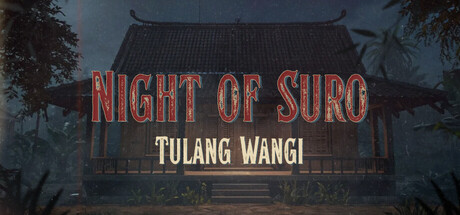 Night of Suro: Tulang Wangi In-game content arttext | AI tools were used in a limited capacity for a few prop images such as the photographs in the main house, and translation of some Javanese writings. All AI-assisted content was carefully reviewed and approved by humans to ensure it was appropriate and respectful, the final product is a reflection of our own cultural identity and creativity. | Bunnydog Studio | - | Oct 9, 2026 | |
 BLACKWALL ASYLUM Store/marketing arttext | Generative AI was used to assist with creating selected promotional artwork and drafting or editing some written marketing content for the Steam store page. No generative AI is used during gameplay. | Kettlefox Games | - | Oct 8, 2026 | |
 It Wants You To Stay In-game content artaudiotextcode | It Wants You To Stay was developed using generative AI tools, including Claude Code, OpenAI Codex, Meta Muse, Meshy, Scenario, Eleven Labs, Suno AI, ChatGPT, and Seedance. AI was used to create code, many of the 3D models, sound effects, music, and videos. The game also includes free-to-use, human-made 3D models, with credit given to their authors.
I understand that some players feel strongly about AI in games, and I respect that. If you prefer not to support games made using AI, this title may not be for you. I’m sharing this openly so you can make an informed choice before buying.
If you choose to play, I hope you’ll judge the experience it delivers—its atmosphere, gameplay, performance, and value. Honest feedback, including negative reviews, is welcome. I take responsibility for the game’s quality and will use that feedback to help improve it. | AI & Design Game Studios | - | Oct 8, 2026 | |
 추 : 그날의 악몽 In-game content audiotextcode | All AI use happened during development. The background music was created with an AI music generation tool and edited by the developer. Parts of the in-game text, the store page text and the scripts used to build the 3D models were written with the help of an AI assistant, then reviewed and edited by the developer. No AI content is generated during gameplay. | HyungDongStudio | - | Oct 7, 2026 | |
 Needle: The 1% Challenge In-game content artaudio | Generative AI was used to assist with artwork, UI elements and sound effects. No AI content is generated during gameplay. | Fruitdish | - | Oct 7, 2026 | |
 Dungtilian In-game content artaudiotext | Generative AI was used for 2D icons, background music, and translation. | Dekoi | - | Oct 7, 2026 | |
 TSUKIMI PLANET -CLASSIC REMASTER- In-game content text | Generative AI was used only to assist with localization and translation into English, Simplified Chinese, Traditional Chinese, and Korean. The original story, artwork, audio, and other game assets were not generated using AI. No live-generated AI content is used in the game. | STUDIO CHARON | - | Oct 7, 2026 | |
 ムゲン階段 団地編 In-game content art | Pre-generated AI-assisted imagery is used for two in-game environment textures (an aged wall and a steel door surface) and for source artwork used in Steam store capsules. All outputs were reviewed and edited by the developer. The game does not generate content during play and does not connect to an external AI service. | Mori Mori Potato | - | Oct 7, 2026 | |
 The Unhidden In-game content artaudiotext | Some of the game's content was created with the help of generative AI tools and then reviewed and integrated by the developer: several 3D models and their textures, the logo and key art, some of the music and voices, and the English translation of the game's text. All of it is pre-generated: the game does not generate anything with AI while you play. | Calvary Games | - | Oct 7, 2026 | |
 Perceptum Unclear | How we do use AI: | Duck Reaction | - | Oct 7, 2026 | |
 Cyan Heart In-game content textaudio | Please note that non-Japanese localization is currently generated by AI. I plan to replace this with professional human localization in the future.
Furthermore, one sound effect was created using AI.
All other elements have been meticulously crafted by myself. | Shoei Sio | - | Oct 6, 2026 | |
 Patients In-game content artcode | This game uses AI to generate some models, textures, and even some mechanics. | Saintsscs | - | Oct 6, 2026 | |
 Merry Nightmares Store/marketing art | AI is used to create some of the images on the game's store page and in the library. | REVVALUTION Studio | - | Oct 6, 2026 | |
 I'M DEFINITELY IN A BASEMENT In-game content artcode | This game contains content created with the assistance of AI tools. AI was used during development to assist with programming, visual assets, and other creative elements. All generated content was reviewed, edited, and integrated by the dev. | ISEKAI Games | - | Oct 6, 2026 | |
 肝試しオンライン In-game content art | Some assets in this game were created with generative AI during development: 3D models of characters and props (including some of their animations), and images such as textures and illustrations. All of them were selected and adjusted by the developers before being used in the game. No content is generated by AI while the game is running. | パン田 | - | Oct 6, 2026 | |
 Dreads to Digest - Hunter or Hunted In-game content art | Some paintings and NPC textures in this game were generated using AI. These elements are used purely for visual and aesthetic purposes and have no impact on gameplay. There is no live or real-time AI generation during gameplay. | Vethroxdev | - | Oct 6, 2026 | |
 Mr. StoryTeller In-game content audioart | This game utilizes pre-rendered content assisted by generative AI tools exclusively for a few specific background songs, character voice acting, and minor conceptual art references.
The ambient sound design, audio effects, and liminal soundscapes were crafted by human artists. Certain 3D models and environmental props were acquired under license from creators on the Unreal Engine Marketplace. All narrative writing, game design, level composition, programming, story, and creative direction are original works created and directed entirely by the author. | Erick Alejandro Perez Orona | - | Oct 6, 2026 | |
 deep rabbit hole Dev only code | [Developer Notice]This game was developed with the assistance of AI tools used for programming and code generation during the development process. | Slow step | - | Oct 6, 2026 |


