Public Steam disclosure research28,028 disclosures tracked
Where do games disclose AI use?
Search developers’ Steam disclosures, compare classified AI use across
games, and follow recorded changes.
This index adds cross-game classifications and statistics to
statements published on individual store pages.
Groups reflect automatic analysis of public disclosures; mature records are excluded. These counts do not measure AI use across all of Steam.
Missing or unclear statements cannot establish whether a game uses AI.
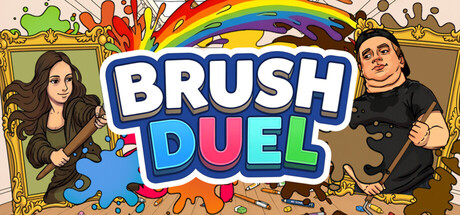
All card art, UI, and character face customization are hand-drawn by me. Everything in this game is made by me or from purchased assets, except for one wall painting and one window decoration texture, which were AI generated and will be replaced later.
Props to you for checking this out! I used AI to help code some of the newer features and port this from my original mobile build as it saved a lot of dev time. Everything else—sounds, amateur vector art, and the remaining 85%+ of the code is completely human-crafted.
Much of this game's artwork, video, audio, and voice was created during development with the assistance of generative AI tools, then reviewed, edited, and curated by the developer. The game does not use generative AI during gameplay and does not generate content from player input.
Pre-generated generative AI tools were used during development to create a limited number of static visual assets.
OpenAI image generation was used to create a supernatural Wooden Man face texture and four decorative environment and fabric textures used in the post-match ceremony. Meshy was used to create the Wooden Man 3D character model.
These assets are included in the shipped game and may also be visible in store screenshots or trailers. The assets were reviewed, edited where necessary, and integrated into the game by the developer.
The game does not use live-generated AI. It does not connect to a generative AI service during gameplay, does not send player input to an AI service, and does not generate new AI content while the game is running.
Generative AI is used to help modernize multiple image assets, including enhancement, upscaling, cleanup, and visual refinement. All AI-assisted assets are reviewed and finalized by the development team before use in the game.
AI generation was used in the concept art for the game that is currently on display with the game screenshots. We are currently working on making the real art for the game, but wanted to provide the artstyle that we are aiming towards. The game itself, including in-game current and future art, is human made.
Some of the art, music, voice-over and cinematic clips in Synapse Grid were produced with generative AI tools during development, then edited, curated and directed for release. Nothing is generated while you play.
The tools used, and what each produced:
Google Gemini - concept art and texture reference
ACE-Step - original music tracks
MiniMax-Music3 - original music tiles
IndexTTS - cast voice-over
MiniMax H3 (via ComfyUI) - tutorial and transmission video clips
All of this content was generated for this project. No third party's personal media, voice or likeness is used. The same list is shown in the game's own credits screen.
Separately, the opponent riders use a neural network trained by self-play. That system decides how a bike steers; it does not generate any art, audio or text that you see or hear.
Some in-game card illustrations were created with the assistance of generative AI during development. No content is generated by AI during gameplay, and the game does not connect to any external AI services while playing.
Developed and tested under human creative direction with generative AI assistance for game code, audio and promo materials. Some skin patterns for customization of character and ball were AI generated. Maps, 3D assets and animations were bought from artists. The game does not use live-generated AI during gameplay.
In Game: Icons and splash screens in the game have been generated during the development process using artificial intelligence.
Store page: Images on the store page have been generated using artificial intelligence, with exception of in game screen shots which are not made using AI.
Some visual assets in Pousse Pousse were created with the assistance of generative AI tools during development. No AI-generated content is created during gameplay.
This game used generative AI during development as a programming aid, assisting with the writing, debugging, and optimization of portions of the source code. All AI-assisted code was reviewed, edited, and tested by the developer before inclusion.
Generative AI tools assisted with some pre-generated artwork, localization, and written copy during development. All included outputs were selected, reviewed, and edited by the developer before shipping. The game does not generate AI content during gameplay and does not connect to external AI services.
Some 3D character and creature models in this game were created with AI-assisted generation tools (Meshy) as a starting point, then hand-finished, rigged, textured, and integrated by the developer in Blender and Unity. Some quest dialogue text was also written with AI assistance and edited by the developer before being included in the game. No content is generated in real time during gameplay — everything players see is fixed at build time and has been reviewed and edited by hand.
Generative AI tools were used during development to assist with creating and refining some visual concepts and game assets. AI was also used as a development aid for tasks such as prototyping and programming assistance. All generated content was reviewed, selected, and integrated by the developer, and the game does not generate AI content during normal gameplay
AI is used for programming assistance, for generating in-game sound effects and music, and for drafting store page text. All 3D art assets and level design are created by hand in Blender.
Pre-generated generative AI was used during development to create and refine some character illustrations, 3D character models, and selected visual or marketing assets. All generated material was reviewed and edited by the developer before inclusion. The game does not generate AI content during play.
Generative AI tools were used during development to assist in the creation of visual and audio content. All AI-assisted content was created prior to release, reviewed and curated by the developer, and is included as part of the finished game. No generative AI is used during gameplay.
Some background art and in-game text was created with AI assistance. All AI-assisted content was specified, reviewed, and edited by the developer. The game does not generate any content with AI during play.
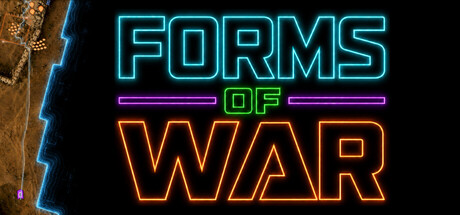
Some pre-generated visual assets currently used in Forms of War and its store materials were created with generative AI tools. Most in-game visuals are drawn procedurally in code using Phaser. AI-assisted coding tools were used during development. No generative AI is used while the game is running.
Some of the artwork was created using AI tools. The code was also reviewed with, or assisted by, AI.
If the concept finds its audience, we intend to pay an artist to produce artwork that is not AI-generated. Artists who would like to be part of the project are welcome to join us.
We used generative AI tools (such as Claude) during development to assist with creating certain in-game assets, textures, or text elements. All AI-generated content has been reviewed, selected, and integrated by human creators into the final game.
Some of the 3D props in this game — the ritual items players carry and place, and a few pieces of set dressing — were created with an AI-assisted 3D generation tool from text prompts. Every generated model was reviewed, cleaned up and integrated by hand before it shipped. Nothing is generated by AI while you play.
Generative AI tools were used to assist in creating some game assets, including visuals and localization. All AI-assisted content was reviewed and refined by the development team before being included in the game. No AI content is generated during gameplay, and the game does not connect to external AI services.
Generative AI tools were used during development to assist with programming, debugging, and selected visual and marketing assets. All AI-assisted code and content were reviewed, tested, and edited by the developer. No content is generated during gameplay.
This game was developed with the assistance of generative AI tools. AI was used during development to help write and refactor portions of the game's code, and to assist with design iteration. Some in-game assets (such as placeholder art, sound effects, or text) may have been created or refined with AI assistance. All AI-assisted content was reviewed and edited by the developer before inclusion. The game does not generate any content using AI at runtime, and no live AI features are present in the released product.
Brainrot Fire uses generative AI to assist with translating in-game text and interface content into multiple languages, helping us support a wider range of players around the world.
Generative AI was used during the development of this game. AI-assisted tools were used to create or assist with visual assets, UI elements, backgrounds, in-game text, localization, and portions of the game's code and development process. Music used in the game was not generated by AI.
All AI-assisted content was created during development. The game does not use generative AI to create content in real time during gameplay.
Generative AI tools were used during development to assist in creating a limited number of in-game UI design elements and texture assets. Generative AI is not used to create content dynamically during gameplay.
All code, game design, maps, and audio behavior were created using AI. AI tools were also used for in-game character 3D models (subsequently hand-optimized and rigged), main menu background videos, store trailer cinematic shots, and store artwork (logo and capsule backgrounds). All content is based on the game's own original characters.
During the development process, we may use procedural- and AI-based tools to assist with content creation. In all such cases, the final product reflects the creativity and expression of our own development team.
All pre-rendered visual artwork was created using generative AI under developer direction. This includes environment backgrounds, interface and menu artwork, branding, icons, and promotional/title-card images.
Generative AI tools were used during development to assist with the creation and iteration of some pre-generated 2D pixel-art assets and promotional imagery. All AI-assisted content was reviewed and selected before being included in the game.
AI tools were used during development to assist with writing the game's code and text content (including UI text, English/Korean localization, and store page text). All AI-assisted content was created under direct developer supervision and reviewed by the developer. No content is generated by AI at runtime.