Public Steam disclosure research25,394 disclosures tracked
Where do games disclose AI use?
Search developers’ Steam disclosures, compare classified AI use across
games, and follow recorded changes.
This index adds cross-game classifications and statistics to
statements published on individual store pages.
Groups reflect automatic analysis of public disclosures; mature records are excluded. These counts do not measure AI use across all of Steam.
Missing or unclear statements cannot establish whether a game uses AI.
Generative AI tools, including ChatGPT, were used as development assistance for programming support, debugging, design iteration, writing assistance, and workflow planning.
All final implementation, integration, testing, and creative decisions were manually reviewed and assembled by the developer.
SKYOS does not use live generative AI during gameplay, and players cannot generate AI content in-game.
I use token-prediction tools to help create certain in-game background assets, including environment textures, secondary NPC voices, parts of the soundtrack, and translations into several languages.
In The Hollow, artificial intelligence is used to enhance images, create the basis for certain textures, and ensure more accurate translations. Some of the characters’ faces could not have been created without processing their images using artificial intelligence. Furthermore, some of the generated results served as the basis for further manual refinement of the game assets.
AI generation tools were used in the creation of certain in-game assets including meshes and UI imagery. Promotional and marketing materials, including Steam capsule images and library assets, were also created using AI image generation tools. All gameplay systems and code were developed without the use of AI generation tools.
We use AI tools during development to speed up routine work, but all final decisions are made by the team.
Text translation
AI helps with draft translations of UI and in‑game texts, which are then reviewed and edited by human translators to keep the tone and meaning consistent.
Code generation
AI is used to generate boilerplate code and suggest improvements, while core systems, gameplay logic, optimization and security are always designed, reviewed and tested by developers.
I am a single developer. AI is used to speed up some processes, some marketing and concept materials are made with AI as a base to improve on and deliver better game.
There are optional AI soundtracks in the game.
What parts AI applied to are: pictures like icon, button, background; language translation. And no more other visual elements like, objects rendering, model, post process effect have used AI.
This game uses AI-generated content in the following areas:
3D Models & Animations: We used Meshy AI to generate 3D character/object models and their animations. All assets were reviewed, adjusted, and integrated by our team to fit the game's visual style and quality standards.
2D Art: Background images in-game and certain store page visuals (such as screenshots/key art) were created with the help of generative AI image tools. Our team curated and edited the final outputs before shipping.
All AI-generated assets were reviewed prior to release to ensure they comply with applicable laws and do not include infringing material. No live (runtime) generative AI is used during gameplay.
This game contains a limited amount of AI-generated visual content created during development due to the project's low budget. Specifically, suspect profile images and some evidence-related visual assets or models were created with the help of generative AI tools. Not all evidence assets are AI-generated.
The use of AI is limited to pre-made visual content only. No gameplay systems, dialogue, story logic, code, or real-time interactive content is generated by AI during play. All gameplay mechanics, case logic, interactions, and progression were designed and implemented by the developer.
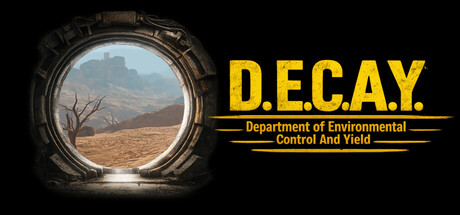
D.E.C.A.Y. has been developed by a single developer for over two years. Nearly all of the game’s content has been created by hand - from the environment to many objects inspired by real-world prototypes, helping make the world feel more atmospheric and alive.
Only a small number of images and certain visual elements were created using generative AI tools.
as a first no budget game from a solo dev this game includes ai generated images of mythological and made up divine places in paintings and of ghosts appearing around the game
The game includes only a few background radio tracks and some NPC voice lines created with the help of AI tools, which will be replaced in future updates.
The in-game AI woman voice created with AI, which is authentic. With a zero budget and modern technologies that are freely available to everyone, our team(me) decided it would be authentic if an AI voiced the AI in the game. Of course, if we(I) had money, we would have done everything differently.
Generative AI assists in the development of certain base Gaussian-splatted object meshes and is also used as the basis for some interface images and portions of documentation text used in the product. These AI-assisted elements are further reviewed, selected, and integrated into the final game content as part of the development process.
AI-assisted translation tools were used for the store page and for localizing in-game text into multiple languages. (Spanish, Italian, Japanese, Korean, Russian, German)
AI-Assisted Development Disclosure
This game constructs a sprawling metropolis encompassing hundreds of locations and nearly 2,000 characters. To realize this scope, we have employed AI-assisted creation tools. AI generation contributed to: character portraits and environmental artwork; portions of dialogue and translated text; and select musical assets.
We firmly believe AI serves as a means to build more ambitious worlds and richer content. With AI assistance, our vision of simulating a living, breathing city has become achievable. We hope for your understanding and support.
Generative AI tools were used during early prototyping to accelerate visual iteration and research.
Any AI generated assets from the prototype have been fully replaced with original artist made content in the final game.
No AI generated content is present in the game.
This game includes limited use of AI-generated voice acting for background TV dialogue. All core gameplay, art, and story content were created by humans.
Some minor visual elements such as parts of the logo design and a few user-interface textures were originally assisted by generative tools and then refined manually.
Voice performances are AI-assisted. A small number of visual assets were created with AI assistance. Sound design, gameplay, and narrative content are original. No AI-generated content is produced during gameplay.
Generative AI tools, including ChatGPT, were used as development assistance for programming support, debugging, design iteration, writing assistance, and workflow planning.
All final implementation, integration, testing, and creative decisions were manually reviewed and assembled by the developer.
SKYOS does not use live generative AI during gameplay, and players cannot generate AI content in-game.
I use token-prediction tools to help create certain in-game background assets, including environment textures, secondary NPC voices, parts of the soundtrack, and translations into several languages.
In The Hollow, artificial intelligence is used to enhance images, create the basis for certain textures, and ensure more accurate translations. Some of the characters’ faces could not have been created without processing their images using artificial intelligence. Furthermore, some of the generated results served as the basis for further manual refinement of the game assets.
AI generation tools were used in the creation of certain in-game assets including meshes and UI imagery. Promotional and marketing materials, including Steam capsule images and library assets, were also created using AI image generation tools. All gameplay systems and code were developed without the use of AI generation tools.
We use AI tools during development to speed up routine work, but all final decisions are made by the team.
Text translation
AI helps with draft translations of UI and in‑game texts, which are then reviewed and edited by human translators to keep the tone and meaning consistent.
Code generation
AI is used to generate boilerplate code and suggest improvements, while core systems, gameplay logic, optimization and security are always designed, reviewed and tested by developers.
I am a single developer. AI is used to speed up some processes, some marketing and concept materials are made with AI as a base to improve on and deliver better game.
There are optional AI soundtracks in the game.
What parts AI applied to are: pictures like icon, button, background; language translation. And no more other visual elements like, objects rendering, model, post process effect have used AI.
This game uses AI-generated content in the following areas:
3D Models & Animations: We used Meshy AI to generate 3D character/object models and their animations. All assets were reviewed, adjusted, and integrated by our team to fit the game's visual style and quality standards.
2D Art: Background images in-game and certain store page visuals (such as screenshots/key art) were created with the help of generative AI image tools. Our team curated and edited the final outputs before shipping.
All AI-generated assets were reviewed prior to release to ensure they comply with applicable laws and do not include infringing material. No live (runtime) generative AI is used during gameplay.
This game contains a limited amount of AI-generated visual content created during development due to the project's low budget. Specifically, suspect profile images and some evidence-related visual assets or models were created with the help of generative AI tools. Not all evidence assets are AI-generated.
The use of AI is limited to pre-made visual content only. No gameplay systems, dialogue, story logic, code, or real-time interactive content is generated by AI during play. All gameplay mechanics, case logic, interactions, and progression were designed and implemented by the developer.
D.E.C.A.Y. has been developed by a single developer for over two years. Nearly all of the game’s content has been created by hand - from the environment to many objects inspired by real-world prototypes, helping make the world feel more atmospheric and alive.
Only a small number of images and certain visual elements were created using generative AI tools.
as a first no budget game from a solo dev this game includes ai generated images of mythological and made up divine places in paintings and of ghosts appearing around the game
The game includes only a few background radio tracks and some NPC voice lines created with the help of AI tools, which will be replaced in future updates.
The in-game AI woman voice created with AI, which is authentic. With a zero budget and modern technologies that are freely available to everyone, our team(me) decided it would be authentic if an AI voiced the AI in the game. Of course, if we(I) had money, we would have done everything differently.
Generative AI assists in the development of certain base Gaussian-splatted object meshes and is also used as the basis for some interface images and portions of documentation text used in the product. These AI-assisted elements are further reviewed, selected, and integrated into the final game content as part of the development process.
AI-assisted translation tools were used for the store page and for localizing in-game text into multiple languages. (Spanish, Italian, Japanese, Korean, Russian, German)
AI-Assisted Development Disclosure
This game constructs a sprawling metropolis encompassing hundreds of locations and nearly 2,000 characters. To realize this scope, we have employed AI-assisted creation tools. AI generation contributed to: character portraits and environmental artwork; portions of dialogue and translated text; and select musical assets.
We firmly believe AI serves as a means to build more ambitious worlds and richer content. With AI assistance, our vision of simulating a living, breathing city has become achievable. We hope for your understanding and support.
Generative AI tools were used during early prototyping to accelerate visual iteration and research.
Any AI generated assets from the prototype have been fully replaced with original artist made content in the final game.
No AI generated content is present in the game.
This game includes limited use of AI-generated voice acting for background TV dialogue. All core gameplay, art, and story content were created by humans.
Some minor visual elements such as parts of the logo design and a few user-interface textures were originally assisted by generative tools and then refined manually.
Voice performances are AI-assisted. A small number of visual assets were created with AI assistance. Sound design, gameplay, and narrative content are original. No AI-generated content is produced during gameplay.