Public Steam disclosure research25,981 disclosures tracked
Where do games disclose AI use?
Search developers’ Steam disclosures, compare classified AI use across
games, and follow recorded changes.
This index adds cross-game classifications and statistics to
statements published on individual store pages.
Groups reflect automatic analysis of public disclosures; mature records are excluded. These counts do not measure AI use across all of Steam.
Missing or unclear statements cannot establish whether a game uses AI.
We use AI for some of our images. All generated images are manually corrected, retouched, and processed by our developers before being integrated into the final game assets.
We use AI to assist in-game logic and algorithms.
AI coding assistants were used during development to help write and debug game code. All game content — visuals, audio, color palettes, recipes, and gameplay mechanics — is procedurally generated by the game's own algorithms, not by generative AI.
I used generative AI tools to assist in the creation of some environmental textures and background concept art. These assets were then manually edited and refined by our team to fit the game's final art style
AI tools were used during the early concept phase of some character designs.
All AI-generated elements were manually refined, edited, and integrated by the developer to fit the game’s artistic style and vision.
No gameplay systems, mechanics, code, or narrative content were generated by AI.
Some visual assets in the game and store page were created using generative AI and then edited and integrated by the developer. No real-time AI generation is used during gameplay.
Artificial intelligence tools were used during development to assist in the creation of certain 3D models. All generated assets were reviewed, modified, and integrated into the game by the developer.
A small selection (approx. 15-20%) of the environmental wallpapers were AI-assisted to provide visual variety, while the majority of the 30+ artworks and the core 'Dojo' aesthetic are custom-designed. AI was also used to help master and refine the lofi soundtrack and assist with initial marketing drafts.
"Developed in Godot with a focus on precision and hand-crafted systems. To maintain absolute control over the game’s quality and vision, generative AI was used for less than 10% of development, limited strictly to early-stage conceptual ideation for visual assets. Every final in-game asset has been manually hand-drawn, and 100% of the game’s code—including the massive 3,000+ line player controller—is hand-written. This ensures the tight, responsive gameplay essential for a high-stakes Metoridvania."
The game contains some AI generated background music tracks (e.g. background music blasting from an apartment or an old radio playing from a vehicle, user interface background music)
This game was developed with the assistance of AI tools. Character sprites and visual assets were generated using AI image tools and further edited using image editing software. The game's soundtrack was created using AI music generation tools. Game code was written with AI coding assistance. The game's story, narrative, and gameplay design are entirely original and created by the developer.
Artificial intelligence technologies are widely used to assist in translating text content into multiple languages.
Some game assets are commercially licensed materials generated by artificial intelligence. The developer added custom dynamic effects based on these source assets within the game engine.
The game does not integrate any AI APIs, and no generative AI runs during gameplay.
I was the archaic and fragmented DNA in the amber bound insect. AI was the frog DNA.
Original Card Game: All card art is original, hand painted on canvas and physically printed on real cards (5,000 in total). The face images are scans of those pained canvas prints/ cards. AI was used to generate the card's backs and some of the playing surfaces/backgrounds.
Coding: While I on and off experience in JavaScript since 2002, AI was used to help generate and debug portions of the code. I especially used AI when predicting potential conflicts and integration problems (especially Steam integration) before implementing new code. I found it very helpful when changing long sets of repetitive blocks of code. The volume of human error that was cut down was tremendous.
Localization: Localization will be finalized in Beta. Initial translations were done with AI. Corrections and finalization will be done after input from the community (new game, some new terms).
Music: We are Streamer first. Streamer need background music that won't affect their monetization. From the beginning, music that was all original, was critical to me. I wanted Streamers to have no worries when letting our background music play for hours. Musicians want astronomical payments and deals that will leave me perpetually paying them. I generated all of our music in Suno and own it all. I plan on releasing more, in two hour blocks, that will be available as free DLC's.
All AI I used was after human talent quoted cost ineffective numbers or outright turned me down. This is a simple card game. A vehicle for a game and art I have made. I set out to make an affordable, sturdy, reliable, user focused game. AI helped me make the best product I could.
Some of the image materials in this game are generated using AI, and the code is debugged with AI assistance. There is no real-time AI content and no infringement behavior.
A limited number of visual assets (such as certain icons and ship concepts) were created using AI-assisted tools and refined by the developer. All gameplay systems, core content, and procedural planet simulations are original.
Some graphical assets and sounds were created using generative AI tools during development. These were manually refined to ensure quality and unique identity.
This game uses AI-generated voice performances for certain in-game recordings. All narrative design, gameplay systems, and environmental content were created and implemented by the developer.
The store promotional images were generated using AI with manual modifications. Some in-game upgrade icons were generated using AI and then manually refined. Most of the game's multilingual translations were created using AI.
"Approximately 30 static monster sprites were created using the Nana Banana AI tool to serve as high-fidelity placeholders for this solo-developed project. These assets are a temporary measure to realize the game's tactical scope; we are committed to replacing them with handcrafted human artwork as development milestones are met. We confirm these materials do not contain illegal content or infringe on existing intellectual property."
Some of the visual assets in this game, including character sprites, backgrounds, and building illustrations, were created with the assistance of AI image generation tools. All generated assets were reviewed and curated by the developer.
Some assets used during development were created with the assistance of AI tools, including background music, background images, character illustration support, and programming assistance.
All AI-assisted content was reviewed, edited, and integrated into the game by the developer.
The game does not generate AI content during gameplay and does not use generative AI systems at runtime.
Original assets such as UI elements and pixel characters were created directly by the developer.
Generative AI tools were used during development to create some supporting materials, including store page and promotional text, as well as certain marketing/community images.
In addition, the in-game music was generated using Suno.
Generative AI is not used in real time during gameplay; all content was reviewed and, where necessary, edited by the developer.
We use AI tools as a support system for our small development team to enhance the quality and balance of the game. Specifically:
Balancing & Math: We use AI to help calculate and balance the game ecosystem (drop rates, damage scaling, and economy).
Concepting: AI is used to generate reference images and mood boards to inspire our artists. The final in-game visual assets are hand-crafted or manually refined based on these concepts.
Drafting: AI assists in drafting initial marketing copy and lore structures, which are then finalized by our writers.
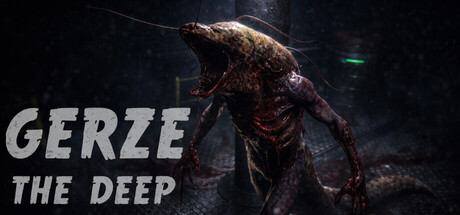
Some visual and audio assets in Gerze: The Deep were created or enhanced with the assistance of AI-based tools during development. These tools helped generate or refine certain textures, images, sound elements, and environmental details. All AI-assisted content was reviewed, edited, and integrated by the developer. AI was not used to generate gameplay, code, or real-time content.
Some icons and UI elements in this game were generated using AI tools. Most other game assets were either purchased from the Asset Store or created by us.
AI tools were used to assist with creating some artwork and localizing store page descriptions and in-game text. All outputs were reviewed and edited by the developer.
AI was used to generate content that ships with the game:
- NPC portrait artwork (AI-generated illustrations)
- Localization / translation assistance
- Marketing copy and store page text
Some in-game visual assets, including background images and thematic artwork, were created using generative AI tools and are included as part of the game’s environment and UI customization themes. All AI-generated content was reviewed and edited prior to inclusion.
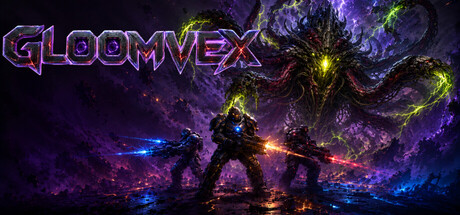
Gloomvex was developed with the help of generative AI tools during production, including assistance with programming, text drafting, and the creation/iteration of certain visual assets. Localizations/translation drafts were also AI-assisted. All AI-assisted outputs are reviewed, edited, and finalized by the developer. The game does not use generative AI at runtime.
Some visual assets used in the game, such as posters and certain 3D models, were created or assisted using generative AI tools.
All AI-assisted content is static, pre-generated, and no AI is used to generate live gameplay, player decisions, or dynamic content at runtime.
We use generative AI tools to enhance the visual quality of our in-game cutscenes and to create some of the marketing assets featured on our Steam store page. All AI-generated content has been carefully curated and edited by our development team to ensure it meets our creative standards and respects all legal requirements.
Many of the assets and code in the game were created with the help of artificial intelligence. Since we don't have an artist, 95% of the visuals were created by AI.
This game uses AI-generated content. Marketing artwork and store capsule images were created using image generation. Voice narration audio was generated using text-to-speech AI. Game code was developed with AI assistance. All AI-generated content was reviewed and curated by the developer.
Static Condition utilizes generative AI to assist in creating certain environmental textures, audio elements, and localization translations. All AI-generated content has been curated and refined by the developer to ensure quality and consistency with the game's aesthetic.
We use AI for some of our images. All generated images are manually corrected, retouched, and processed by our developers before being integrated into the final game assets.
We use AI to assist in-game logic and algorithms.
AI coding assistants were used during development to help write and debug game code. All game content — visuals, audio, color palettes, recipes, and gameplay mechanics — is procedurally generated by the game's own algorithms, not by generative AI.
I used generative AI tools to assist in the creation of some environmental textures and background concept art. These assets were then manually edited and refined by our team to fit the game's final art style
AI tools were used during the early concept phase of some character designs.
All AI-generated elements were manually refined, edited, and integrated by the developer to fit the game’s artistic style and vision.
No gameplay systems, mechanics, code, or narrative content were generated by AI.
Some visual assets in the game and store page were created using generative AI and then edited and integrated by the developer. No real-time AI generation is used during gameplay.
Artificial intelligence tools were used during development to assist in the creation of certain 3D models. All generated assets were reviewed, modified, and integrated into the game by the developer.
A small selection (approx. 15-20%) of the environmental wallpapers were AI-assisted to provide visual variety, while the majority of the 30+ artworks and the core 'Dojo' aesthetic are custom-designed. AI was also used to help master and refine the lofi soundtrack and assist with initial marketing drafts.
"Developed in Godot with a focus on precision and hand-crafted systems. To maintain absolute control over the game’s quality and vision, generative AI was used for less than 10% of development, limited strictly to early-stage conceptual ideation for visual assets. Every final in-game asset has been manually hand-drawn, and 100% of the game’s code—including the massive 3,000+ line player controller—is hand-written. This ensures the tight, responsive gameplay essential for a high-stakes Metoridvania."
The game contains some AI generated background music tracks (e.g. background music blasting from an apartment or an old radio playing from a vehicle, user interface background music)
This game was developed with the assistance of AI tools. Character sprites and visual assets were generated using AI image tools and further edited using image editing software. The game's soundtrack was created using AI music generation tools. Game code was written with AI coding assistance. The game's story, narrative, and gameplay design are entirely original and created by the developer.
Artificial intelligence technologies are widely used to assist in translating text content into multiple languages.
Some game assets are commercially licensed materials generated by artificial intelligence. The developer added custom dynamic effects based on these source assets within the game engine.
The game does not integrate any AI APIs, and no generative AI runs during gameplay.
I was the archaic and fragmented DNA in the amber bound insect. AI was the frog DNA.
Original Card Game: All card art is original, hand painted on canvas and physically printed on real cards (5,000 in total). The face images are scans of those pained canvas prints/ cards. AI was used to generate the card's backs and some of the playing surfaces/backgrounds.
Coding: While I on and off experience in JavaScript since 2002, AI was used to help generate and debug portions of the code. I especially used AI when predicting potential conflicts and integration problems (especially Steam integration) before implementing new code. I found it very helpful when changing long sets of repetitive blocks of code. The volume of human error that was cut down was tremendous.
Localization: Localization will be finalized in Beta. Initial translations were done with AI. Corrections and finalization will be done after input from the community (new game, some new terms).
Music: We are Streamer first. Streamer need background music that won't affect their monetization. From the beginning, music that was all original, was critical to me. I wanted Streamers to have no worries when letting our background music play for hours. Musicians want astronomical payments and deals that will leave me perpetually paying them. I generated all of our music in Suno and own it all. I plan on releasing more, in two hour blocks, that will be available as free DLC's.
All AI I used was after human talent quoted cost ineffective numbers or outright turned me down. This is a simple card game. A vehicle for a game and art I have made. I set out to make an affordable, sturdy, reliable, user focused game. AI helped me make the best product I could.
Some of the image materials in this game are generated using AI, and the code is debugged with AI assistance. There is no real-time AI content and no infringement behavior.
A limited number of visual assets (such as certain icons and ship concepts) were created using AI-assisted tools and refined by the developer. All gameplay systems, core content, and procedural planet simulations are original.
Some graphical assets and sounds were created using generative AI tools during development. These were manually refined to ensure quality and unique identity.
This game uses AI-generated voice performances for certain in-game recordings. All narrative design, gameplay systems, and environmental content were created and implemented by the developer.
The store promotional images were generated using AI with manual modifications. Some in-game upgrade icons were generated using AI and then manually refined. Most of the game's multilingual translations were created using AI.
"Approximately 30 static monster sprites were created using the Nana Banana AI tool to serve as high-fidelity placeholders for this solo-developed project. These assets are a temporary measure to realize the game's tactical scope; we are committed to replacing them with handcrafted human artwork as development milestones are met. We confirm these materials do not contain illegal content or infringe on existing intellectual property."
Some of the visual assets in this game, including character sprites, backgrounds, and building illustrations, were created with the assistance of AI image generation tools. All generated assets were reviewed and curated by the developer.
Some assets used during development were created with the assistance of AI tools, including background music, background images, character illustration support, and programming assistance.
All AI-assisted content was reviewed, edited, and integrated into the game by the developer.
The game does not generate AI content during gameplay and does not use generative AI systems at runtime.
Original assets such as UI elements and pixel characters were created directly by the developer.
Generative AI tools were used during development to create some supporting materials, including store page and promotional text, as well as certain marketing/community images.
In addition, the in-game music was generated using Suno.
Generative AI is not used in real time during gameplay; all content was reviewed and, where necessary, edited by the developer.
We use AI tools as a support system for our small development team to enhance the quality and balance of the game. Specifically:
Balancing & Math: We use AI to help calculate and balance the game ecosystem (drop rates, damage scaling, and economy).
Concepting: AI is used to generate reference images and mood boards to inspire our artists. The final in-game visual assets are hand-crafted or manually refined based on these concepts.
Drafting: AI assists in drafting initial marketing copy and lore structures, which are then finalized by our writers.
Some visual and audio assets in Gerze: The Deep were created or enhanced with the assistance of AI-based tools during development. These tools helped generate or refine certain textures, images, sound elements, and environmental details. All AI-assisted content was reviewed, edited, and integrated by the developer. AI was not used to generate gameplay, code, or real-time content.
Some icons and UI elements in this game were generated using AI tools. Most other game assets were either purchased from the Asset Store or created by us.
AI tools were used to assist with creating some artwork and localizing store page descriptions and in-game text. All outputs were reviewed and edited by the developer.
AI was used to generate content that ships with the game:
- NPC portrait artwork (AI-generated illustrations)
- Localization / translation assistance
- Marketing copy and store page text
Some in-game visual assets, including background images and thematic artwork, were created using generative AI tools and are included as part of the game’s environment and UI customization themes. All AI-generated content was reviewed and edited prior to inclusion.
Gloomvex was developed with the help of generative AI tools during production, including assistance with programming, text drafting, and the creation/iteration of certain visual assets. Localizations/translation drafts were also AI-assisted. All AI-assisted outputs are reviewed, edited, and finalized by the developer. The game does not use generative AI at runtime.
Some visual assets used in the game, such as posters and certain 3D models, were created or assisted using generative AI tools.
All AI-assisted content is static, pre-generated, and no AI is used to generate live gameplay, player decisions, or dynamic content at runtime.
We use generative AI tools to enhance the visual quality of our in-game cutscenes and to create some of the marketing assets featured on our Steam store page. All AI-generated content has been carefully curated and edited by our development team to ensure it meets our creative standards and respects all legal requirements.
Many of the assets and code in the game were created with the help of artificial intelligence. Since we don't have an artist, 95% of the visuals were created by AI.
This game uses AI-generated content. Marketing artwork and store capsule images were created using image generation. Voice narration audio was generated using text-to-speech AI. Game code was developed with AI assistance. All AI-generated content was reviewed and curated by the developer.
Static Condition utilizes generative AI to assist in creating certain environmental textures, audio elements, and localization translations. All AI-generated content has been curated and refined by the developer to ensure quality and consistency with the game's aesthetic.