Public Steam disclosure research25,380 disclosures tracked
Where do games disclose AI use?
Search developers’ Steam disclosures, compare classified AI use across
games, and follow recorded changes.
This index adds cross-game classifications and statistics to
statements published on individual store pages.
Groups reflect automatic analysis of public disclosures; mature records are excluded. These counts do not measure AI use across all of Steam.
Missing or unclear statements cannot establish whether a game uses AI.
AI tools were utilized to assist in the generation, refactoring, and optimization of the game's C# source code. Each piece of AI-generated code was thoroughly reviewed, manually adjusted, and verified through rigorous testing by the developer to ensure high-quality gameplay and performance. No AI-generated assets (images, sounds, etc.) are included in the final product.
This game was developed with the assistance of Generative AI tools which served as a coding co-pilot. The AI was used to assist in writing the simulation logic, database structure, and user interface code during the development phase. All generated code was reviewed, tested, and finalized by the developer. The game does not utilize live Generative AI during gameplay
I used BEZI and AI to help write scripts because im literally only one person and it would take 15 years and potentially cost hundreds of thousands of dollars to create this if i didnt have AI assistants.
AI tools were used during development to assist with prototyping, mechanic design, and the creation of a limited number of development assets. All final game content was reviewed and implemented by the developer.
The development of The Utopian Project makes limited use of AI-assisted tools during early production, primarily for concept exploration and background asset iteration. All final content is curated, reviewed, and integrated by the development team.
During the development process, AI-based tools are utilized to assist with the creation of visual content only. In all such cases, these tools serve strictly as a support mechanism, and the final product remains a direct reflection of the developer's original vision, design, and standards.
Generative AI was used during development to help with text editing and minor code debugging (mostly because I’m a solo indie dev and needed a hand).
AI is not used in the game itself - all gameplay systems, content, and behavior are handcrafted and not generated in real time.
During the development of this game, generative AI (such as ChatGPT / Gemini) was used to assist in writing parts of the underlying game logic and optimizing code. All AI-assisted code has been manually reviewed, debugged, and refactored by the developer to ensure stability, security, and a smooth gameplay experience. The game does not contain any images, audio, or text content generated by AI in real-time.
This game utilized AI tools exclusively to assist in writing and optimizing a portion of the underlying code during development. All other elements, including visual assets, 3D models, music, and sound effects, were created entirely without the use of AI. All AI-assisted code underwent manual review and testing to ensure game quality and stability.
AI was used as a tool to support the creative and technical process, not as a replacement for design, implementation, or artistic decision-making.
AI was used to assist with programming tasks, such as problem-solving, code structuring, and iteration during development. All final code was reviewed, adapted, and integrated manually by the developer.
AI was also used to generate early visual concepts and rough art sketches. These assets were not used directly in the final game; instead, they served as references and inspiration. All final visuals were manually reviewed, refined, and adjusted to fit the game’s art direction and technical constraints.
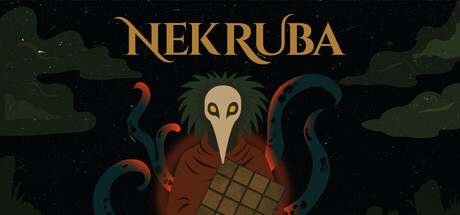
Nekruba used artificial intelligence tools as support during the creative and technical development process, particularly for prototyping, code assistance, and idea exploration. All final decisions and all published content were defined and executed by the developers.
This game does not use AI to generate content during gameplay. All gameplay systems, visuals, audio, and text are handcrafted and included as part of the game.
AI tools were used during development in a limited way to assist the developer with prototyping, debugging, and refining code. These tools acted as a productivity aid only. All final decisions, implementations, and content were created and reviewed manually.
There are no AI-driven characters, dynamic content generation, or systems that learn from player behavior. The game does not connect to external AI services, collect player data, or use AI to influence gameplay, difficulty, or monetization.
Players can expect a traditional, deterministic game experience without AI-generated content during play.
Some AI tools were used by the developer for UI design and coding assistance only.
No generative AI was used to create in-game content, visuals, audio, or gameplay mechanics.
All game assets and logic are created or selected by the developer.
Generative AI tools were used during development for early prototyping only. No AI-generated content ships in the game or is consumed by players, and no content is generated at runtime.
Generative artificial intelligence was used during development to assist with creating only a few concept art pieces, while the majority of concept art was drawn by the development team. AI was also used to help polish certain 2D scene visuals. All AI-assisted content was reviewed, refined, and integrated by the team to ensure it fits the game’s artistic vision and quality standards.
We utilize AI tools to assist in our development process. Any content generated with AI is then carefully refined and polished by our design team to ensure it aligns perfectly with the game's unique art style and overall vision.
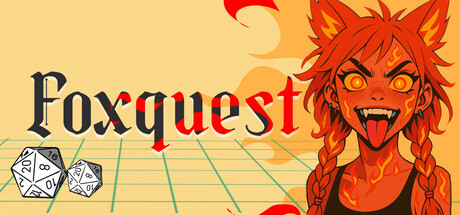
This game was built by 2 developers, One Human and one AI. Through 9 months of coding FoxQuest is a Replit Race 2 Revenue Finalist and secured $10,000 in AI generative code auditing to help speed up the release of the game.
It is worth noting that this is not a Video Game and there are no Story elements for AI to take part in. The use of AI was made to help a Solo Indie Developer work through bugs.
This application uses generative AI as a support tool during development for assisting with portions of the programming process.
The generative AI is used solely to aid developer productivity, and does not generate content or behavior dynamically during gameplay.
Players do not directly interact with generative AI, and no real-time AI-generated content is included in the game.
We used AI tools to generate initial visual concepts and draft assets for characters and backgrounds. Afterward, all assets were heavily retouched, painted over, and finalized by our human artists to ensure quality and stylistic consistency. AI was used only as a starting point during the development process.
As a small team of 2, we used A.I. to generate references and some base materials. Every final asset was either created from scratch or extensively modified, painted over, and artistically reworked by us. We took all creative decisions.
AI tools were utilized during the development process primarily to assist with coding (scripting logic/debugging) and to prototype initial concepts for certain 2D UI elements. All AI-generated output has been manually reviewed, edited, and refined by the developer to ensure it fits the game's atmosphere and quality standards. This game does not use any real-time AI generation during gameplay.
In this project, generative AI is used for development support purposes.
AI is mainly utilized to assist with providing code examples and resolving technical issues,
and it does not generate code or content dynamically during gameplay.
All final code and in-game behavior are reviewed and implemented by the developer.
We used AI to generate a dictionary and words database in-order to create a robust rule-based engine for light-weight chat simulation. We've also used AI as a second level review to discover memory leaks/exploits.
We use generative AI only for temporary placeholder images during development. All AI-generated placeholders will be removed and replaced with final human-created artwork before release.
AI tools were utilized to assist in the generation, refactoring, and optimization of the game's C# source code. Each piece of AI-generated code was thoroughly reviewed, manually adjusted, and verified through rigorous testing by the developer to ensure high-quality gameplay and performance. No AI-generated assets (images, sounds, etc.) are included in the final product.
This game was developed with the assistance of Generative AI tools which served as a coding co-pilot. The AI was used to assist in writing the simulation logic, database structure, and user interface code during the development phase. All generated code was reviewed, tested, and finalized by the developer. The game does not utilize live Generative AI during gameplay
I used BEZI and AI to help write scripts because im literally only one person and it would take 15 years and potentially cost hundreds of thousands of dollars to create this if i didnt have AI assistants.
AI tools were used during development to assist with prototyping, mechanic design, and the creation of a limited number of development assets. All final game content was reviewed and implemented by the developer.
The development of The Utopian Project makes limited use of AI-assisted tools during early production, primarily for concept exploration and background asset iteration. All final content is curated, reviewed, and integrated by the development team.
During the development process, AI-based tools are utilized to assist with the creation of visual content only. In all such cases, these tools serve strictly as a support mechanism, and the final product remains a direct reflection of the developer's original vision, design, and standards.
Generative AI was used during development to help with text editing and minor code debugging (mostly because I’m a solo indie dev and needed a hand).
AI is not used in the game itself - all gameplay systems, content, and behavior are handcrafted and not generated in real time.
During the development of this game, generative AI (such as ChatGPT / Gemini) was used to assist in writing parts of the underlying game logic and optimizing code. All AI-assisted code has been manually reviewed, debugged, and refactored by the developer to ensure stability, security, and a smooth gameplay experience. The game does not contain any images, audio, or text content generated by AI in real-time.
This game utilized AI tools exclusively to assist in writing and optimizing a portion of the underlying code during development. All other elements, including visual assets, 3D models, music, and sound effects, were created entirely without the use of AI. All AI-assisted code underwent manual review and testing to ensure game quality and stability.
AI was used as a tool to support the creative and technical process, not as a replacement for design, implementation, or artistic decision-making.
AI was used to assist with programming tasks, such as problem-solving, code structuring, and iteration during development. All final code was reviewed, adapted, and integrated manually by the developer.
AI was also used to generate early visual concepts and rough art sketches. These assets were not used directly in the final game; instead, they served as references and inspiration. All final visuals were manually reviewed, refined, and adjusted to fit the game’s art direction and technical constraints.
Nekruba used artificial intelligence tools as support during the creative and technical development process, particularly for prototyping, code assistance, and idea exploration. All final decisions and all published content were defined and executed by the developers.
This game does not use AI to generate content during gameplay. All gameplay systems, visuals, audio, and text are handcrafted and included as part of the game.
AI tools were used during development in a limited way to assist the developer with prototyping, debugging, and refining code. These tools acted as a productivity aid only. All final decisions, implementations, and content were created and reviewed manually.
There are no AI-driven characters, dynamic content generation, or systems that learn from player behavior. The game does not connect to external AI services, collect player data, or use AI to influence gameplay, difficulty, or monetization.
Players can expect a traditional, deterministic game experience without AI-generated content during play.
Some AI tools were used by the developer for UI design and coding assistance only.
No generative AI was used to create in-game content, visuals, audio, or gameplay mechanics.
All game assets and logic are created or selected by the developer.
Generative AI tools were used during development for early prototyping only. No AI-generated content ships in the game or is consumed by players, and no content is generated at runtime.
Generative artificial intelligence was used during development to assist with creating only a few concept art pieces, while the majority of concept art was drawn by the development team. AI was also used to help polish certain 2D scene visuals. All AI-assisted content was reviewed, refined, and integrated by the team to ensure it fits the game’s artistic vision and quality standards.
We utilize AI tools to assist in our development process. Any content generated with AI is then carefully refined and polished by our design team to ensure it aligns perfectly with the game's unique art style and overall vision.
This game was built by 2 developers, One Human and one AI. Through 9 months of coding FoxQuest is a Replit Race 2 Revenue Finalist and secured $10,000 in AI generative code auditing to help speed up the release of the game.
It is worth noting that this is not a Video Game and there are no Story elements for AI to take part in. The use of AI was made to help a Solo Indie Developer work through bugs.
This application uses generative AI as a support tool during development for assisting with portions of the programming process.
The generative AI is used solely to aid developer productivity, and does not generate content or behavior dynamically during gameplay.
Players do not directly interact with generative AI, and no real-time AI-generated content is included in the game.
We used AI tools to generate initial visual concepts and draft assets for characters and backgrounds. Afterward, all assets were heavily retouched, painted over, and finalized by our human artists to ensure quality and stylistic consistency. AI was used only as a starting point during the development process.
As a small team of 2, we used A.I. to generate references and some base materials. Every final asset was either created from scratch or extensively modified, painted over, and artistically reworked by us. We took all creative decisions.
AI tools were utilized during the development process primarily to assist with coding (scripting logic/debugging) and to prototype initial concepts for certain 2D UI elements. All AI-generated output has been manually reviewed, edited, and refined by the developer to ensure it fits the game's atmosphere and quality standards. This game does not use any real-time AI generation during gameplay.
In this project, generative AI is used for development support purposes.
AI is mainly utilized to assist with providing code examples and resolving technical issues,
and it does not generate code or content dynamically during gameplay.
All final code and in-game behavior are reviewed and implemented by the developer.
We used AI to generate a dictionary and words database in-order to create a robust rule-based engine for light-weight chat simulation. We've also used AI as a second level review to discover memory leaks/exploits.
We use generative AI only for temporary placeholder images during development. All AI-generated placeholders will be removed and replaced with final human-created artwork before release.