Public Steam disclosure research25,508 disclosures tracked
Where do games disclose AI use?
Search developers’ Steam disclosures, compare classified AI use across
games, and follow recorded changes.
This index adds cross-game classifications and statistics to
statements published on individual store pages.
Groups reflect automatic analysis of public disclosures; mature records are excluded. These counts do not measure AI use across all of Steam.
Missing or unclear statements cannot establish whether a game uses AI.
AI tools were utilized to assist with text correction and translation. Additionally, AI was used to refine certain artwork, as well as to generate certain audio elements.
All other aspects of the project, from creative direction and story to core gameplay and scripting, represent the dedicated, hand-crafted effort of a solo developer.
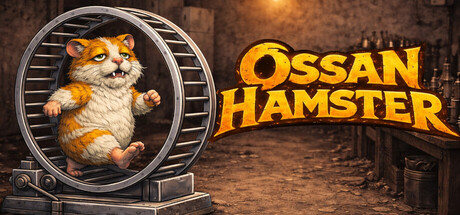
The Steam store page banners and promotional materials were created with the help of generative AI tools. The in-game assets were either manually created or edited afterward, while certain marketing visuals (such as headers, capsules, and banners) contain AI-generated elements.
This game uses generative AI during development for certain 2D icons, concept art, placeholder graphics, and text. All AI-generated content has been manually reviewed, edited, and adapted by the developer before being included in the final game.
Generative AI tools were used to assist with localization translations. All AI-generated translations were reviewed and edited by the development team.
Some content in this game, including text and certain assets, was created with the assistance of AI tools during development. All AI-generated content has been reviewed, edited, and integrated by the developer to ensure quality and consistency.
We use Generative AI technology in some assets to assist with texture creation and initial modeling drafts. Crucially, all AI-generated content in this game is generated based on the development team's own primary/original work, followed by rigorous review and editing. All final artistic work and decisions are strictly managed within the team to ensure originality and quality.
Visual and music assets in the game were created or assisted using generative AI tools during development. All content has been reviewed, edited, and integrated by the developer.
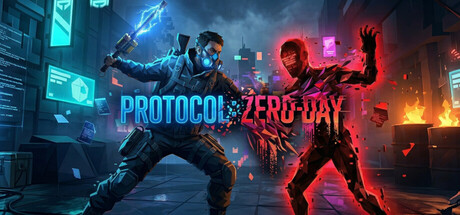
Generative AI tools were utilized during the pre-production and development phases to assist a solo developer in establishing the visual concepts, background art, and base textures for the cyber-apocalyptic world. All AI-generated base assets were subsequently reviewed, heavily curated, and manually integrated into the game engine to ensure they perfectly match the strict artistic direction and gameplay requirements of PROTOCOL: Zero-day.
Some of the art assets in this game were created with the assistance of generative AI. All assets have undergone manual selection and post-production adjustments to ensure consistency with the overall game style.
Some parts of development used AI-assisted workflows, including asset creation, image processing/background removal, voice work, and localization of in-game/help text into multiple languages.
Generative AI was used to create the 2D promotional artwork for the Steam store page (including the capsule images, library assets, and marketing GIFs). The AI generated these marketing assets using screenshots of actual in-game pixel art as a direct reference to ensure an accurate representation of the gameplay.
The game does not generate AI-created content dynamically during gameplay. Generative AI tools were used to assist with development. All final content was reviewed, edited, and approved by the developers.
Generative AI tools were utilized during the development of this game to assist in creating pre-generated content. Specifically, AI was used to aid in generating baseline code structures, composing background music tracks, and generating initial concepts and assets for 2D/3D art, UI elements, and promotional materials. All AI-generated outputs were heavily curated, modified, and refined by the developer to ensure they align perfectly with the game's creative vision, artistic style, and performance standards. The game does not utilize any live-generated AI content during runtime.
AI generative has been moderately used for some graphic assets like background images or some collectible characters.
AI generative has been also moderaterly used for coding support to fasten operations.
All in game characters and elements had been strictly and manually designed in pixel art.
The music and sound are absolutely produced without AI
This project was developed using advanced AI-assisted tools across visual assets, audio design, and core system implementation, with all elements carefully refined and adjusted to ensure a cohesive and polished gameplay experience.
This game was developed with AI assistance for visual assets, sound effects, localization, and code. All AI-generated content was pre-generated during development and reviewed by the developer. No real-time AI content generation occurs during gameplay.
This game was 100% developed using AI (Claude Code by Anthropic) — including game design, programming, balancing, and localization. No AI is used during gameplay.
Some store and library marketing images were created with AI-assisted image generation. The game’s code, gameplay systems, balancing, ship behavior, upgrade systems, and implementation were developed by the developer.
Non-majorists are using Generative AI in everything from coding, images, audio, etc. to create games with just planning. At least it's a lot better than what I do myself.
Generative AI were used only to assist with localization and translation. All localized text is reviewed and edited by the development team.
No art, audio, or code used AI generation.
Some visual assets used in the game's store presence (such as capsule images) were initially generated with the help of AI tools and then significantly modified and refined by the developer.
No AI-generated content is used during gameplay. All in-game assets and mechanics are handcrafted.
A small number of visual elements in this game have been created using generative artificial intelligence. These AI-generated images are limited to a few specific artworks, while the vast majority of visuals, as well as all gameplay, story, and mechanics, are crafted by professional artists and staff.
AI tools were utilized to assist with text correction and translation. Additionally, AI was used to refine certain artwork, as well as to generate certain audio elements.
All other aspects of the project, from creative direction and story to core gameplay and scripting, represent the dedicated, hand-crafted effort of a solo developer.
The Steam store page banners and promotional materials were created with the help of generative AI tools. The in-game assets were either manually created or edited afterward, while certain marketing visuals (such as headers, capsules, and banners) contain AI-generated elements.
This game uses generative AI during development for certain 2D icons, concept art, placeholder graphics, and text. All AI-generated content has been manually reviewed, edited, and adapted by the developer before being included in the final game.
Generative AI tools were used to assist with localization translations. All AI-generated translations were reviewed and edited by the development team.
Some content in this game, including text and certain assets, was created with the assistance of AI tools during development. All AI-generated content has been reviewed, edited, and integrated by the developer to ensure quality and consistency.
We use Generative AI technology in some assets to assist with texture creation and initial modeling drafts. Crucially, all AI-generated content in this game is generated based on the development team's own primary/original work, followed by rigorous review and editing. All final artistic work and decisions are strictly managed within the team to ensure originality and quality.
Visual and music assets in the game were created or assisted using generative AI tools during development. All content has been reviewed, edited, and integrated by the developer.
Generative AI tools were utilized during the pre-production and development phases to assist a solo developer in establishing the visual concepts, background art, and base textures for the cyber-apocalyptic world. All AI-generated base assets were subsequently reviewed, heavily curated, and manually integrated into the game engine to ensure they perfectly match the strict artistic direction and gameplay requirements of PROTOCOL: Zero-day.
Some of the art assets in this game were created with the assistance of generative AI. All assets have undergone manual selection and post-production adjustments to ensure consistency with the overall game style.
Some parts of development used AI-assisted workflows, including asset creation, image processing/background removal, voice work, and localization of in-game/help text into multiple languages.
Generative AI was used to create the 2D promotional artwork for the Steam store page (including the capsule images, library assets, and marketing GIFs). The AI generated these marketing assets using screenshots of actual in-game pixel art as a direct reference to ensure an accurate representation of the gameplay.
The game does not generate AI-created content dynamically during gameplay. Generative AI tools were used to assist with development. All final content was reviewed, edited, and approved by the developers.
Generative AI tools were utilized during the development of this game to assist in creating pre-generated content. Specifically, AI was used to aid in generating baseline code structures, composing background music tracks, and generating initial concepts and assets for 2D/3D art, UI elements, and promotional materials. All AI-generated outputs were heavily curated, modified, and refined by the developer to ensure they align perfectly with the game's creative vision, artistic style, and performance standards. The game does not utilize any live-generated AI content during runtime.
AI generative has been moderately used for some graphic assets like background images or some collectible characters.
AI generative has been also moderaterly used for coding support to fasten operations.
All in game characters and elements had been strictly and manually designed in pixel art.
The music and sound are absolutely produced without AI
This project was developed using advanced AI-assisted tools across visual assets, audio design, and core system implementation, with all elements carefully refined and adjusted to ensure a cohesive and polished gameplay experience.
This game was developed with AI assistance for visual assets, sound effects, localization, and code. All AI-generated content was pre-generated during development and reviewed by the developer. No real-time AI content generation occurs during gameplay.
This game was 100% developed using AI (Claude Code by Anthropic) — including game design, programming, balancing, and localization. No AI is used during gameplay.
Some store and library marketing images were created with AI-assisted image generation. The game’s code, gameplay systems, balancing, ship behavior, upgrade systems, and implementation were developed by the developer.
Non-majorists are using Generative AI in everything from coding, images, audio, etc. to create games with just planning. At least it's a lot better than what I do myself.
Generative AI were used only to assist with localization and translation. All localized text is reviewed and edited by the development team.
No art, audio, or code used AI generation.
Some visual assets used in the game's store presence (such as capsule images) were initially generated with the help of AI tools and then significantly modified and refined by the developer.
No AI-generated content is used during gameplay. All in-game assets and mechanics are handcrafted.
A small number of visual elements in this game have been created using generative artificial intelligence. These AI-generated images are limited to a few specific artworks, while the vast majority of visuals, as well as all gameplay, story, and mechanics, are crafted by professional artists and staff.