Public Steam disclosure research25,383 disclosures tracked
Where do games disclose AI use?
Search developers’ Steam disclosures, compare classified AI use across
games, and follow recorded changes.
This index adds cross-game classifications and statistics to
statements published on individual store pages.
Groups reflect automatic analysis of public disclosures; mature records are excluded. These counts do not measure AI use across all of Steam.
Missing or unclear statements cannot establish whether a game uses AI.
Some static visual assets in this game were created with the assistance of AI tools during development. All AI-assisted assets have been reviewed, edited, and integrated by the developer to fit the game's art style. No AI-generated content is created during gameplay.
AI-assisted tools were used during development to help create certain store assets and to assist with portions of the program’s source code.
The shipped game does not generate AI content during gameplay and does not connect to external AI services.
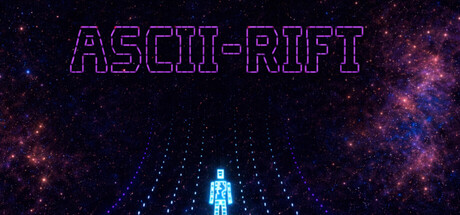
Visual effects and imagery in the game are generated deterministically by the program’s code using mathematical and procedural rendering techniques (ASCII graphics and SDL-based visual effects). These systems do not use generative AI.
AI coding assistants were used during development to help write and debug game code. All game content — visuals, audio, color palettes, recipes, and gameplay mechanics — is procedurally generated by the game's own algorithms, not by generative AI.
A small selection (approx. 15-20%) of the environmental wallpapers were AI-assisted to provide visual variety, while the majority of the 30+ artworks and the core 'Dojo' aesthetic are custom-designed. AI was also used to help master and refine the lofi soundtrack and assist with initial marketing drafts.
Some marketing text and store presentation materials were assisted by generative AI tools during development.
The application itself does not use AI to generate lessons, analyze typing, or alter gameplay. All training content and functionality are authored and controlled by the developer.
Generative AI tools were used during development to create some supporting materials, including store page and promotional text, as well as certain marketing/community images.
In addition, the in-game music was generated using Suno.
Generative AI is not used in real time during gameplay; all content was reviewed and, where necessary, edited by the developer.
AI is used to assist in development across all departments. Our team is small, but dedicated and fiercely dedicated to providing the best games possible, using whatever tools are available.
This game uses AI-generated content. Marketing artwork and store capsule images were created using image generation. Voice narration audio was generated using text-to-speech AI. Game code was developed with AI assistance. All AI-generated content was reviewed and curated by the developer.
This game uses generative AI tools during development for limited content assistance, such as text drafting and creative reference.
All core gameplay systems, level design, mechanics, and implementation were created and designed by the developer.
No AI-generated content is dynamically created during gameplay.
This game was developed with the assistance of generative AI tools for coding support and some visual asset creation.
All content was reviewed and finalized by the developer.
No generative AI is used during gameplay.
This game was made entirely with AI. The writing, code, art, music, and deployment were all created using generative AI tools — primarily Claude by Anthropic. That's not a disclaimer, it's the premise. Meet Claude is a satire about AI dependency, built with AI, by someone still figuring out where the line is.
We use AI selectively to generate pre-rendered backgrounds for our games, as well as supporting assets for store page, marketing materials and game assets, while ensuring all content is polished to maintain a consistent artistic style.
ASCII-RIFT was developed using generative AI tools as part of the creative process. Music tracks were created using Suno and curated by the developer. Programming and system design were developed with AI-assisted tools under the developer’s direction. No live AI-generated content is used during gameplay.
Hello! The card illustrations in this work were created with the help of AI, which supported me in developing this independent game. I apologize for my limited art skills, so I’ve mainly kept a minimalist style throughout the game.
- Character profile images were generated using AI tools, then reviewed and edited by the developer to fit the game's art direction.
- AI-assisted tools were used in parts of the development process.
- No AI content is generated during gameplay. All in-game experiences are designed and curated by the developer.
COALCOM was built by a solo developer with 20+ years in the power industry. Generative AI was used to write and iterate on game code — it's what made finishing a +10-year project idea finally possible. Some written content, including store page copy and the game manual, was drafted with AI assistance and refined by the developer. The game design, mechanics, domain expertise, and voice are entirely human. The visual assets were not AI-generated.
The core textual content of this application, including the multilingual translations of the Tao Te Ching and the in-depth semantic analysis of each individual ancient Chinese character, is pre-generated utilizing advanced Large Language Models (such as Claude and Gemini). The powerful logical reasoning and cross-linguistic mapping capabilities of AI help us break down the barriers of language and time, delivering a highly accurate, modern deconstruction of classical Eastern philosophy from over two thousand years ago.
During the development, AI assistance may be used in creating content used in the game.
All such content is rooted in the original art direction of the project, and shaped individually before reaching the final product.
No generative AI was used in the development of the game itself. All gameplay systems, code, and in-game assets were created without the use of generative AI.
Generative AI was used only in the creation of certain Steam store assets, such as capsule images and other store page graphics.
Some visual art assets displayed within the in-game gallery were created using generative AI tools. These images were manually curated, edited, and selected by the developer to fit the game's psychological themes and narrative structure. No live generation occurs during gameplay.
Portions of the game's source code were authored with the assistance of AI tools. All AI-assisted code has been manually reviewed, refined, and tested by the development team.
Word Gladiator: Infinite Evolution" features a cutting-edge AI Forge powered by Gemini (by Google) models. This system dynamically generates customized vocabulary packs and real-time contextual example sentences based on the themes or keywords you provide. Whether you're practicing for an exam or exploring a specific interest, our AI ensures your learning material is infinite, personalized, and relevant. To maintain a safe and high-quality educational environment, all AI-generated content is passed through strict filters to ensure it remains appropriate and focused on your linguistic progress.
AI was used during development to help create some visual assets, including certain textures, logo elements, and background images. These assets were reviewed, edited, and integrated by the developer before being used in the game. The game does not use live AI generation during gameplay.
The marketing materials (Steam Library assets, headers, and capsules) for this game were created using Generative AI tools during the development process. All AI-generated content has been reviewed to ensure it aligns with the game's themes and safety guidelines
Human touch + AI. Artificial Intelligence (AI) was used to enhance code efficiency and optimize selected graphical elements, improving the overall performance and visual quality of the project — while preserving its handcrafted style and unique artistic identity.
Some static visual assets in this game were created with the assistance of AI tools during development. All AI-assisted assets have been reviewed, edited, and integrated by the developer to fit the game's art style. No AI-generated content is created during gameplay.
AI-assisted tools were used during development to help create certain store assets and to assist with portions of the program’s source code.
The shipped game does not generate AI content during gameplay and does not connect to external AI services.
Visual effects and imagery in the game are generated deterministically by the program’s code using mathematical and procedural rendering techniques (ASCII graphics and SDL-based visual effects). These systems do not use generative AI.
AI coding assistants were used during development to help write and debug game code. All game content — visuals, audio, color palettes, recipes, and gameplay mechanics — is procedurally generated by the game's own algorithms, not by generative AI.
A small selection (approx. 15-20%) of the environmental wallpapers were AI-assisted to provide visual variety, while the majority of the 30+ artworks and the core 'Dojo' aesthetic are custom-designed. AI was also used to help master and refine the lofi soundtrack and assist with initial marketing drafts.
Some marketing text and store presentation materials were assisted by generative AI tools during development.
The application itself does not use AI to generate lessons, analyze typing, or alter gameplay. All training content and functionality are authored and controlled by the developer.
Generative AI tools were used during development to create some supporting materials, including store page and promotional text, as well as certain marketing/community images.
In addition, the in-game music was generated using Suno.
Generative AI is not used in real time during gameplay; all content was reviewed and, where necessary, edited by the developer.
AI is used to assist in development across all departments. Our team is small, but dedicated and fiercely dedicated to providing the best games possible, using whatever tools are available.
This game uses AI-generated content. Marketing artwork and store capsule images were created using image generation. Voice narration audio was generated using text-to-speech AI. Game code was developed with AI assistance. All AI-generated content was reviewed and curated by the developer.
This game uses generative AI tools during development for limited content assistance, such as text drafting and creative reference.
All core gameplay systems, level design, mechanics, and implementation were created and designed by the developer.
No AI-generated content is dynamically created during gameplay.
This game was developed with the assistance of generative AI tools for coding support and some visual asset creation.
All content was reviewed and finalized by the developer.
No generative AI is used during gameplay.
This game was made entirely with AI. The writing, code, art, music, and deployment were all created using generative AI tools — primarily Claude by Anthropic. That's not a disclaimer, it's the premise. Meet Claude is a satire about AI dependency, built with AI, by someone still figuring out where the line is.
We use AI selectively to generate pre-rendered backgrounds for our games, as well as supporting assets for store page, marketing materials and game assets, while ensuring all content is polished to maintain a consistent artistic style.
ASCII-RIFT was developed using generative AI tools as part of the creative process. Music tracks were created using Suno and curated by the developer. Programming and system design were developed with AI-assisted tools under the developer’s direction. No live AI-generated content is used during gameplay.
Hello! The card illustrations in this work were created with the help of AI, which supported me in developing this independent game. I apologize for my limited art skills, so I’ve mainly kept a minimalist style throughout the game.
- Character profile images were generated using AI tools, then reviewed and edited by the developer to fit the game's art direction.
- AI-assisted tools were used in parts of the development process.
- No AI content is generated during gameplay. All in-game experiences are designed and curated by the developer.
COALCOM was built by a solo developer with 20+ years in the power industry. Generative AI was used to write and iterate on game code — it's what made finishing a +10-year project idea finally possible. Some written content, including store page copy and the game manual, was drafted with AI assistance and refined by the developer. The game design, mechanics, domain expertise, and voice are entirely human. The visual assets were not AI-generated.
The core textual content of this application, including the multilingual translations of the Tao Te Ching and the in-depth semantic analysis of each individual ancient Chinese character, is pre-generated utilizing advanced Large Language Models (such as Claude and Gemini). The powerful logical reasoning and cross-linguistic mapping capabilities of AI help us break down the barriers of language and time, delivering a highly accurate, modern deconstruction of classical Eastern philosophy from over two thousand years ago.
During the development, AI assistance may be used in creating content used in the game.
All such content is rooted in the original art direction of the project, and shaped individually before reaching the final product.
No generative AI was used in the development of the game itself. All gameplay systems, code, and in-game assets were created without the use of generative AI.
Generative AI was used only in the creation of certain Steam store assets, such as capsule images and other store page graphics.
Some visual art assets displayed within the in-game gallery were created using generative AI tools. These images were manually curated, edited, and selected by the developer to fit the game's psychological themes and narrative structure. No live generation occurs during gameplay.
Portions of the game's source code were authored with the assistance of AI tools. All AI-assisted code has been manually reviewed, refined, and tested by the development team.
Word Gladiator: Infinite Evolution" features a cutting-edge AI Forge powered by Gemini (by Google) models. This system dynamically generates customized vocabulary packs and real-time contextual example sentences based on the themes or keywords you provide. Whether you're practicing for an exam or exploring a specific interest, our AI ensures your learning material is infinite, personalized, and relevant. To maintain a safe and high-quality educational environment, all AI-generated content is passed through strict filters to ensure it remains appropriate and focused on your linguistic progress.
AI was used during development to help create some visual assets, including certain textures, logo elements, and background images. These assets were reviewed, edited, and integrated by the developer before being used in the game. The game does not use live AI generation during gameplay.
The marketing materials (Steam Library assets, headers, and capsules) for this game were created using Generative AI tools during the development process. All AI-generated content has been reviewed to ensure it aligns with the game's themes and safety guidelines
Human touch + AI. Artificial Intelligence (AI) was used to enhance code efficiency and optimize selected graphical elements, improving the overall performance and visual quality of the project — while preserving its handcrafted style and unique artistic identity.