Public Steam disclosure research25,394 disclosures tracked
Where do games disclose AI use?
Search developers’ Steam disclosures, compare classified AI use across
games, and follow recorded changes.
This index adds cross-game classifications and statistics to
statements published on individual store pages.
Groups reflect automatic analysis of public disclosures; mature records are excluded. These counts do not measure AI use across all of Steam.
Missing or unclear statements cannot establish whether a game uses AI.
Generative AI was used during development to help draft and edit some in-game text, such as card descriptions and UI copy. All AI-assisted text was reviewed and finalized by the developer before shipping. The game does not generate content live using AI.
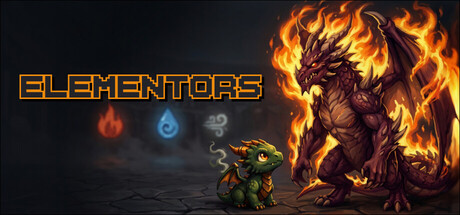
Some creature sprites and artwork were created with the assistance of AI image generation tools (Pixellab) and subsequently edited and refined by hand. All game design, mechanics, and balance are human-made. Development tools with AI assistance were used for portions of the code. The game does not generate any content with AI at runtime.
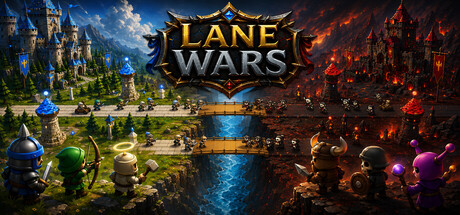
Lane Wars uses generative AI only for some pre-made 2D artwork: the game's icon, main-menu key art, and the Steam store capsule/promotional images were created with AI image-generation tools and then edited by the developer. Some trailer and marketing music was made with an AI music tool. Everything you interact with in-game — the 3D characters, environments, HUD, visual and sound effects, and all gameplay systems — is hand-built and procedurally generated in code, not AI-generated. The game does not use any generative AI at runtime.
The game does not use AI to generate content for the game. Some of the game content was developed using AI, but the game itself does not use AI to generate any content.
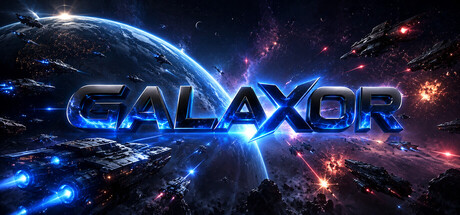
Galaxor uses generative AI tools to support the creation and revision of selected visual content, including icons, artwork, banners, store graphics and marketing materials. Generated content is reviewed, selected and, where necessary, manually adjusted before being used in the game or on the store page. No live-generated AI content is created during gameplay.
Generative AI was used as an assistive tool for some parts of the following game development tasks:
(Background images, item images, coloring of character artwork, sound, code review, optimization, and localization text.)
Some of the game's 2D artwork — including character selection images and user interface elements — was created with the help of generative AI tools. All AI-generated assets were reviewed and curated by our team before being included in the game.
This game uses generative AI in the production process for some item images. The generated images are reviewed and adjusted by the developer before being used in the game.
In King of Props, generative AI is used exclusively for text-based content: An AI assistant helped translate the in-game texts and menus into the supported languages (German, English, French, Spanish, Italian, Japanese) and assisted with drafts for shop pages and marketing texts. I reviewed and revised all results. Visual assets come from licensed asset packs and are not generated by AI; no AI runs during gameplay.
During production we use generative AI in one narrow way: internal placeholders. Rough concept sketches and scratch voice lines hold a spot while the real assets are being made. Every placeholder is flagged in-engine, and none of it ships in the game players buy — the release version contains no generative AI content. Testers in early builds may spot flagged placeholders; that's what the flags are for. All art, writing, and voice work in the finished game is made by people. We know even placeholder use is a fair thing to question, so where we do use these tools, we aim for ones that license their training data and compensate the creators behind it.
Slimeball Castle Wars was made by a solo developer with the help of generative AI tools. AI was used during development to help create:
Music and audio — background music tracks were made using AI music-generation tools.
Art and sprites — building art, unit sprites, and other in-game graphics were created or assisted with AI image tools.
In-game text — some descriptions and written content were drafted with AI assistance.
Code — parts of the game's code were written with the help of an AI coding assistant.
Some visual assets used during the development of **Hordes of War** were created or enhanced with the assistance of generative artificial intelligence. These assets include certain promotional artwork, concept art, and placeholder images used during development.
All gameplay systems, game design, world-building, maps, mechanics, balance, programming, and the final implementation of in-game content have been created, reviewed, and curated by the development team. Any AI-assisted content is carefully edited and integrated to ensure it meets the artistic style and quality standards of the game.
We use generative AI tools to assist with:- Machine translation (MT) of interface and data text, reviewed before release.- Drafts of store page text and marketing materials.All content is reviewed by a human before publication.Art, creatures, and music [adjust to reflect reality] do not use generative AI / use AI for [X].
Some music and assets in this game were created with generative AI tools, then manually reworked and adapted by the developer. The game design, code and integration are the developer's own work.
This game utilizes AI support solely for system programming.
All other elements—such as music, illustrations, and design—are created by humans without AI assistance.
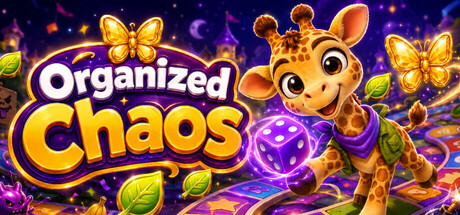
Some visual assets used in Organized Chaos were created with the assistance of generative artificial intelligence tools, including character art, item icons, environmental props, and promotional/game UI visuals. These assets were reviewed, selected, edited, and implemented by the developer to match the game’s intended style, readability, and gameplay needs.
This game uses pre-generated AI-assisted artwork during development, including some character illustrations, item icons, background images, and store/marketing assets. All AI-assisted assets are reviewed, selected, and edited by the development team before being included in the game. The game does not use live generative AI during gameplay and does not connect to external AI services.
This game uses AI-assisted tools for the creation of some content. Certain artwork, voice lines, and sound effects are generated or assisted using third-party AI services, including ElevenLabs. All AI-assisted content is reviewed and integrated during development to ensure it fits the game’s style and overall experience.
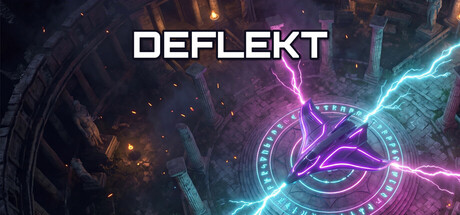
DEFLEKT uses AI-generated assets created during development ("pre-generated"): 3D models for ships, bosses and environment dioramas, background artwork, and portions of the music soundtrack were generated with AI tools and then curated, edited and integrated by the developer. Sound effects are CC0 licensed (Kenney.nl). The game does not generate any content with AI at runtime.
A small number of icons and minor graphical assets currently used in the game are temporary placeholders created with the help of AI. These assets will be replaced with original, custom-made artwork as development progresses. Our goal is to use fully original content in the final version.
AI tools were used as supportive tools during the development process, including assistance with code, visual assets, and music. All AI-assisted content was reviewed, edited, and integrated by our development team before being included in the game.
Most of the images used in the narrative mode scenes were initially generated using generative AI and subsequently refined through manual editing. Generative AI was also employed to assist with the translation of the narrative text.
This game uses generative AI tools during development to assist with the creation of pre-generated game content.
AI tools were used as part of the production workflow for concept/reference images, some 3D model generation, and audio/source material discovery or selection support. The final assets included in the game were reviewed, edited, and integrated by the developer before being added to the game.
The game does not use generative AI to create new content during gameplay.
This game uses AI-assisted tools during development, including assistance with coding and the creation or iteration of some promotional and visual art assets.
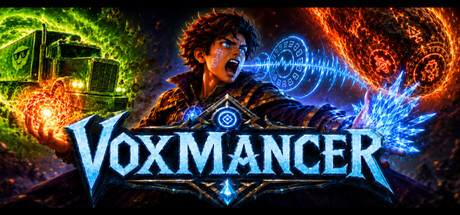
During gameplay, AI may be used to help interpret the player’s spoken spell commands and map them to predefined in-game spell actions.
Some of the meshes are generated with AI (its just for pre- alpha), in the final build all AI generated meshes and things will get replaced with handmade stuffs...
Generative AI was used during the development of this game to assist with creating certain visual assets, interface concepts, and localized text. All AI-generated content was reviewed, edited, and approved by the developer before being included in the final product. No gameplay content, player interactions, or user-generated content are created by AI during gameplay.
Bot or Brush uses generative artificial intelligence as a core part of the game. Players guess whether drawings were created by AI or by a human. In-game content includes AI-generated sketches, pre-drawn AI images, and similar visual assets, as well as human-created drawings.
LLMs were used during development as coding assistants and to help write the game's text and translations. No AI-generated images, audio, or video ship as assets, and no AI model runs during play.
Feierabend Poker is developed by a solo creator with the help of AI tools. The story and character dialogue are written with AI assistance and then reviewed and edited by the developer. The game's visuals are 2D vector graphics drawn directly in code rather than produced by image generators, and all sound is created procedurally in code. No AI generates content live while you play.
We use generative AI to help create this game. It's part of what lets a small team build a game like this. We believe in being transparent about the tools we use, but they're only tools. Every part of this game is reviewed, refined, and curated by our team to meet our creative vision and quality standards, and we hope you'll enjoy the game for the experience it delivers.
AI Generated Content Disclosure
Pre-generated AI:
"Artificial intelligence tools were utilized during the development process to generate initial 3D character assets and models. Following the generation, our development team extensively refined the textures, customized the coloring, and completely performed the rigging and weight painting manually."
Some of the art, music, and voice assets that ship with this game were created with the help of generative AI tools during development, then curated,
▎ edited, and assembled by the developer. This includes character and mascot art, background and scene art, UI and logo imagery, background music tracks,
▎ and in-game voice lines. The game does not generate any AI content live at runtime. All AI-assisted assets were reviewed before inclusion, and we do not
▎ knowingly ship content that infringes third-party intellectual property.
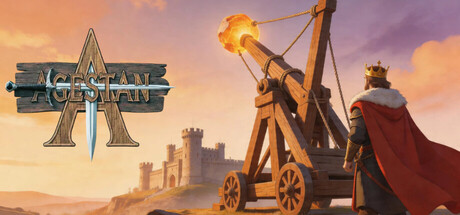
The basic concepts and raw assets for the characters and buildings in our 2D game, 'Agestan,' were created using AI tools. However, all AI-generated visuals have been significantly modified, manually refined, and hand-edited by the developer to ensure high quality and consistency with the game's unique art style. Additionally, AI tools were utilized for the promotional video, with the necessary editing performed by our team.
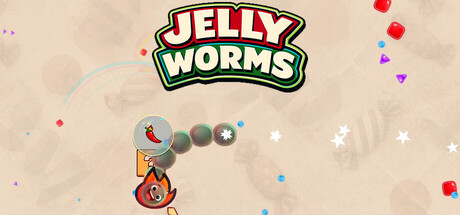
JellyWorms uses generative AI-assisted visual content for some game art, store assets, and marketing materials. Final assets are reviewed and edited by the developer before release. The game does not generate live AI content during gameplay.
Everything is AI generated... I built my own Agentic AI harness, and then used it to build this game (as well as generating images, soundtrack, and 1000s of lines of text content etc)... I'm not a developer, I'm a Functional/UX/Graphic Designer that finally found a tool that could help me build my dream games... I wouldn't consider the game "vibe coded", it has been months of obsessive iterations to ensure the functionality and user experience is of the highest level, which was 100% designed and directed by me, using Agentic AI to build to order. It's far from a "one-shot" prompt hope and prayer... and I think you'll be surprised when you see it.
Generative AI was used during development to help draft and edit some in-game text, such as card descriptions and UI copy. All AI-assisted text was reviewed and finalized by the developer before shipping. The game does not generate content live using AI.
Some creature sprites and artwork were created with the assistance of AI image generation tools (Pixellab) and subsequently edited and refined by hand. All game design, mechanics, and balance are human-made. Development tools with AI assistance were used for portions of the code. The game does not generate any content with AI at runtime.
Lane Wars uses generative AI only for some pre-made 2D artwork: the game's icon, main-menu key art, and the Steam store capsule/promotional images were created with AI image-generation tools and then edited by the developer. Some trailer and marketing music was made with an AI music tool. Everything you interact with in-game — the 3D characters, environments, HUD, visual and sound effects, and all gameplay systems — is hand-built and procedurally generated in code, not AI-generated. The game does not use any generative AI at runtime.
The game does not use AI to generate content for the game. Some of the game content was developed using AI, but the game itself does not use AI to generate any content.
Galaxor uses generative AI tools to support the creation and revision of selected visual content, including icons, artwork, banners, store graphics and marketing materials. Generated content is reviewed, selected and, where necessary, manually adjusted before being used in the game or on the store page. No live-generated AI content is created during gameplay.
Generative AI was used as an assistive tool for some parts of the following game development tasks:
(Background images, item images, coloring of character artwork, sound, code review, optimization, and localization text.)
Some of the game's 2D artwork — including character selection images and user interface elements — was created with the help of generative AI tools. All AI-generated assets were reviewed and curated by our team before being included in the game.
This game uses generative AI in the production process for some item images. The generated images are reviewed and adjusted by the developer before being used in the game.
In King of Props, generative AI is used exclusively for text-based content: An AI assistant helped translate the in-game texts and menus into the supported languages (German, English, French, Spanish, Italian, Japanese) and assisted with drafts for shop pages and marketing texts. I reviewed and revised all results. Visual assets come from licensed asset packs and are not generated by AI; no AI runs during gameplay.
During production we use generative AI in one narrow way: internal placeholders. Rough concept sketches and scratch voice lines hold a spot while the real assets are being made. Every placeholder is flagged in-engine, and none of it ships in the game players buy — the release version contains no generative AI content. Testers in early builds may spot flagged placeholders; that's what the flags are for. All art, writing, and voice work in the finished game is made by people. We know even placeholder use is a fair thing to question, so where we do use these tools, we aim for ones that license their training data and compensate the creators behind it.
Slimeball Castle Wars was made by a solo developer with the help of generative AI tools. AI was used during development to help create:
Music and audio — background music tracks were made using AI music-generation tools.
Art and sprites — building art, unit sprites, and other in-game graphics were created or assisted with AI image tools.
In-game text — some descriptions and written content were drafted with AI assistance.
Code — parts of the game's code were written with the help of an AI coding assistant.
Some visual assets used during the development of **Hordes of War** were created or enhanced with the assistance of generative artificial intelligence. These assets include certain promotional artwork, concept art, and placeholder images used during development.
All gameplay systems, game design, world-building, maps, mechanics, balance, programming, and the final implementation of in-game content have been created, reviewed, and curated by the development team. Any AI-assisted content is carefully edited and integrated to ensure it meets the artistic style and quality standards of the game.
We use generative AI tools to assist with:- Machine translation (MT) of interface and data text, reviewed before release.- Drafts of store page text and marketing materials.All content is reviewed by a human before publication.Art, creatures, and music [adjust to reflect reality] do not use generative AI / use AI for [X].
Some music and assets in this game were created with generative AI tools, then manually reworked and adapted by the developer. The game design, code and integration are the developer's own work.
This game utilizes AI support solely for system programming.
All other elements—such as music, illustrations, and design—are created by humans without AI assistance.
Some visual assets used in Organized Chaos were created with the assistance of generative artificial intelligence tools, including character art, item icons, environmental props, and promotional/game UI visuals. These assets were reviewed, selected, edited, and implemented by the developer to match the game’s intended style, readability, and gameplay needs.
This game uses pre-generated AI-assisted artwork during development, including some character illustrations, item icons, background images, and store/marketing assets. All AI-assisted assets are reviewed, selected, and edited by the development team before being included in the game. The game does not use live generative AI during gameplay and does not connect to external AI services.
This game uses AI-assisted tools for the creation of some content. Certain artwork, voice lines, and sound effects are generated or assisted using third-party AI services, including ElevenLabs. All AI-assisted content is reviewed and integrated during development to ensure it fits the game’s style and overall experience.
DEFLEKT uses AI-generated assets created during development ("pre-generated"): 3D models for ships, bosses and environment dioramas, background artwork, and portions of the music soundtrack were generated with AI tools and then curated, edited and integrated by the developer. Sound effects are CC0 licensed (Kenney.nl). The game does not generate any content with AI at runtime.
A small number of icons and minor graphical assets currently used in the game are temporary placeholders created with the help of AI. These assets will be replaced with original, custom-made artwork as development progresses. Our goal is to use fully original content in the final version.
AI tools were used as supportive tools during the development process, including assistance with code, visual assets, and music. All AI-assisted content was reviewed, edited, and integrated by our development team before being included in the game.
Most of the images used in the narrative mode scenes were initially generated using generative AI and subsequently refined through manual editing. Generative AI was also employed to assist with the translation of the narrative text.
This game uses generative AI tools during development to assist with the creation of pre-generated game content.
AI tools were used as part of the production workflow for concept/reference images, some 3D model generation, and audio/source material discovery or selection support. The final assets included in the game were reviewed, edited, and integrated by the developer before being added to the game.
The game does not use generative AI to create new content during gameplay.
This game uses AI-assisted tools during development, including assistance with coding and the creation or iteration of some promotional and visual art assets.
During gameplay, AI may be used to help interpret the player’s spoken spell commands and map them to predefined in-game spell actions.
Some of the meshes are generated with AI (its just for pre- alpha), in the final build all AI generated meshes and things will get replaced with handmade stuffs...
Generative AI was used during the development of this game to assist with creating certain visual assets, interface concepts, and localized text. All AI-generated content was reviewed, edited, and approved by the developer before being included in the final product. No gameplay content, player interactions, or user-generated content are created by AI during gameplay.
Bot or Brush uses generative artificial intelligence as a core part of the game. Players guess whether drawings were created by AI or by a human. In-game content includes AI-generated sketches, pre-drawn AI images, and similar visual assets, as well as human-created drawings.
LLMs were used during development as coding assistants and to help write the game's text and translations. No AI-generated images, audio, or video ship as assets, and no AI model runs during play.
Feierabend Poker is developed by a solo creator with the help of AI tools. The story and character dialogue are written with AI assistance and then reviewed and edited by the developer. The game's visuals are 2D vector graphics drawn directly in code rather than produced by image generators, and all sound is created procedurally in code. No AI generates content live while you play.
We use generative AI to help create this game. It's part of what lets a small team build a game like this. We believe in being transparent about the tools we use, but they're only tools. Every part of this game is reviewed, refined, and curated by our team to meet our creative vision and quality standards, and we hope you'll enjoy the game for the experience it delivers.
AI Generated Content Disclosure
Pre-generated AI:
"Artificial intelligence tools were utilized during the development process to generate initial 3D character assets and models. Following the generation, our development team extensively refined the textures, customized the coloring, and completely performed the rigging and weight painting manually."
Some of the art, music, and voice assets that ship with this game were created with the help of generative AI tools during development, then curated,
▎ edited, and assembled by the developer. This includes character and mascot art, background and scene art, UI and logo imagery, background music tracks,
▎ and in-game voice lines. The game does not generate any AI content live at runtime. All AI-assisted assets were reviewed before inclusion, and we do not
▎ knowingly ship content that infringes third-party intellectual property.
The basic concepts and raw assets for the characters and buildings in our 2D game, 'Agestan,' were created using AI tools. However, all AI-generated visuals have been significantly modified, manually refined, and hand-edited by the developer to ensure high quality and consistency with the game's unique art style. Additionally, AI tools were utilized for the promotional video, with the necessary editing performed by our team.
JellyWorms uses generative AI-assisted visual content for some game art, store assets, and marketing materials. Final assets are reviewed and edited by the developer before release. The game does not generate live AI content during gameplay.
Everything is AI generated... I built my own Agentic AI harness, and then used it to build this game (as well as generating images, soundtrack, and 1000s of lines of text content etc)... I'm not a developer, I'm a Functional/UX/Graphic Designer that finally found a tool that could help me build my dream games... I wouldn't consider the game "vibe coded", it has been months of obsessive iterations to ensure the functionality and user experience is of the highest level, which was 100% designed and directed by me, using Agentic AI to build to order. It's far from a "one-shot" prompt hope and prayer... and I think you'll be surprised when you see it.