Public Steam disclosure research25,394 disclosures tracked
Where do games disclose AI use?
Search developers’ Steam disclosures, compare classified AI use across
games, and follow recorded changes.
This index adds cross-game classifications and statistics to
statements published on individual store pages.
Groups reflect automatic analysis of public disclosures; mature records are excluded. These counts do not measure AI use across all of Steam.
Missing or unclear statements cannot establish whether a game uses AI.
Some visual assets (pixel art sprites) and music tracks were created with the assistance of AI generation tools during development. All AI-generated content was reviewed and curated by the developer. No AI content is generated during gameplay.
Some visual, audio, and creative assets in Overcommit may be partially created with the assistance of generative AI tools during the development process.
These tools are used to help prototype ideas, generate reference material, or assist in producing certain assets. All generated content is reviewed, edited, and curated by the developer to ensure it fits the game’s artistic style and design.
Generative AI is not used to create gameplay dynamically, and it does not interact with player data.
Some visual and audio assets were partially generated with the help of AI tools. These elements represent a small portion of the overall content and were further edited and integrated by the developer. AI was also used to assist with minor code optimization and to translate all in-game dialogue.
Our crafting system depends on AI to generate new game data when you combine a combination of items not yet seen before, so you never run out of weapons to discover and experiment with. We also generate text and sprites for any new items created.
Assets for the game also use image generation: the title screen and other UI elements use generated textures and graphics. These images have been touched up by a human and reused on our Steam page also.
AI was used only for creating a small number of store page promotional images (capsule and marketing visuals).
All in-game content, including gameplay, visuals, and assets, was created manually by the developer or uses properly licensed assets.
No AI is used during gameplay.
Generative AI is used to create base materials for certain image assets, including character portraits, enemies, and UI. These generated images are not used as-is; they undergo manual processing such as retouching or animation before being implemented into the game.
Pre-Generated: Source code generated with AI coding assistance (Claude Code by Anthropic), directed and reviewed by the developer. A portion of visual assets generated with AI image tools, edited and integrated by the developer.
Live-Generated: None.
AI Disclosure:
Generative AI tools were used during development to assist in creating some visual assets and refining animations. Additionally, AI-assisted tools were utilized for technical optimization to ensure a stable gameplay experience. All results were manually reviewed and finalized by the developer. This game does not use any live-generated AI content.
This app includes pre-generated content created or assisted using generative AI.
This includes the game logo, title screen, certain story-related images used during key moments of the game, a majority of item-related visuals (such as weapons, armors, accessories, and quest items), and approximately 60% of character portraits used in dialogue.
All such content was selected, reviewed, and in many cases manually edited and integrated by the developer before being included in the game or on the store page.
Additionally, most of the game's plugins were developed with the assistance of AI tools. No AI is used at runtime or during gameplay.
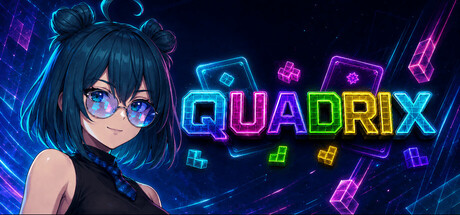
Some of the pre-made visual elements used in Quadrix—including certain card images/templates, game music, and some game mode icons—were created with the help of generative AI tools. These elements were reviewed, selected, and refined by the developer before being added to the game to ensure they align with the game’s visual style and usability requirements. Quadrix does not use real-time generative AI during gameplay, and players cannot generate AI-generated content within the game.
No AI was used to write the storyline or visual assets in the game. All of it is my own creative work. However, AI was used to assist in the creation of game artwork used for the store page and for helping craft and improve store descriptions.
This game utilizes generative AI for part of its localized text and certain background environment assets. These tools were used to enhance development efficiency, and all final outputs have been curated and edited by our team.
The background music for Geometry Attack was created using Soundraw, an AI-powered music generation tool. All musical tracks were pre-generated during development and are included as static assets in the final game.
Remember to Die was built solo with no official budget using AI as a creative instrument — not to replace the human decisions, but to handle the ones that would have made this game impossible otherwise. No jobs were lost, but a game was made possible.
Generative AI tools were used exclusively for the creation of marketing materials and store capsules. No generative AI was used to create the in-game assets, which consist of a mix of custom work and hand-crafted assets from third-party creators.
I was working on this game for more than 2 years without ai.
I started to use ai 1-2 months ago for:
Due to a lack of capital for professional sounds i bought sound packages and for
some few sounds i used AI software. Depending on the game's success, I will invest in replacing sounds and self-created elements with professional assistance.
AI was used mainly for bug fixing in the code and for translating the game text into different languages.
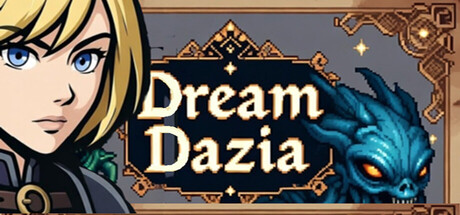
Grok AI was used in order to make some of the pictures in the library, game store page, and some intro./outro. picture in the game representing Dream Dazia.
Some illustrations used in the Arcade Mode (beta version) were created using a hybrid workflow that combines hand-drawn artwork and generative AI-assisted editing.
The developer first creates original pencil sketches by hand, then digitizes and edits them on PC. Generative AI is used only to assist with draft refinement and background adjustments, followed by additional manual editing in image software.
It has not yet been decided whether these illustrations will be replaced with fully hand-crafted versions during or after Early Access development.
AI usage has been very light and, in my opinion, the correct/optimal use of AI.
AI has been predominately used in the form of a chatbot efficiency tool. I've used it to troubleshoot matchmaking logic flows, I've pasted blocks of text for it to clean up readability or catch spelling errors, I just asked it for the quickest way to change images to grayscale in MS Paint as I was creating Steam Achievements. Things like that.
I have hired an artist that claims he does not use AI, though I admit I cannot completely verify that. The hero image and some title art was developed by him. All sprite work in the game itself was made by humans. Music was pulled from various places. My brother-in-law created some songs and did not use AI. Other tracks and sound effects were pulled from free-use websites that did not make any AI disclosures.
Really truly, the heart and soul of this game is for humans made by humans. AI has been used, but only as the tool it is meant to be, not as the replacement of human creativity it is slowly elbowing its way into.
Certain pre-generated visual assets in the game and store materials, such as some icons and background artwork, were created with the assistance of generative AI during development. All such assets were reviewed, curated, and integrated by the developer. The game does not generate AI content during gameplay and does not use live external AI services.
Generative AI (LLM) was used to assist in translating in-game text.
Additionally, AI tools provided assistance in writing, optimizing, and debugging source code.
AI tools were used to assist in the conceptualization of store page art and background art. The final in-game assets are hand-crafted pixel art based on these AI-generated concepts.
Some visual assets (pixel art sprites) and music tracks were created with the assistance of AI generation tools during development. All AI-generated content was reviewed and curated by the developer. No AI content is generated during gameplay.
Some visual, audio, and creative assets in Overcommit may be partially created with the assistance of generative AI tools during the development process.
These tools are used to help prototype ideas, generate reference material, or assist in producing certain assets. All generated content is reviewed, edited, and curated by the developer to ensure it fits the game’s artistic style and design.
Generative AI is not used to create gameplay dynamically, and it does not interact with player data.
Some visual and audio assets were partially generated with the help of AI tools. These elements represent a small portion of the overall content and were further edited and integrated by the developer. AI was also used to assist with minor code optimization and to translate all in-game dialogue.
Our crafting system depends on AI to generate new game data when you combine a combination of items not yet seen before, so you never run out of weapons to discover and experiment with. We also generate text and sprites for any new items created.
Assets for the game also use image generation: the title screen and other UI elements use generated textures and graphics. These images have been touched up by a human and reused on our Steam page also.
AI was used only for creating a small number of store page promotional images (capsule and marketing visuals).
All in-game content, including gameplay, visuals, and assets, was created manually by the developer or uses properly licensed assets.
No AI is used during gameplay.
Generative AI is used to create base materials for certain image assets, including character portraits, enemies, and UI. These generated images are not used as-is; they undergo manual processing such as retouching or animation before being implemented into the game.
Pre-Generated: Source code generated with AI coding assistance (Claude Code by Anthropic), directed and reviewed by the developer. A portion of visual assets generated with AI image tools, edited and integrated by the developer.
Live-Generated: None.
AI Disclosure:
Generative AI tools were used during development to assist in creating some visual assets and refining animations. Additionally, AI-assisted tools were utilized for technical optimization to ensure a stable gameplay experience. All results were manually reviewed and finalized by the developer. This game does not use any live-generated AI content.
This app includes pre-generated content created or assisted using generative AI.
This includes the game logo, title screen, certain story-related images used during key moments of the game, a majority of item-related visuals (such as weapons, armors, accessories, and quest items), and approximately 60% of character portraits used in dialogue.
All such content was selected, reviewed, and in many cases manually edited and integrated by the developer before being included in the game or on the store page.
Additionally, most of the game's plugins were developed with the assistance of AI tools. No AI is used at runtime or during gameplay.
Some of the pre-made visual elements used in Quadrix—including certain card images/templates, game music, and some game mode icons—were created with the help of generative AI tools. These elements were reviewed, selected, and refined by the developer before being added to the game to ensure they align with the game’s visual style and usability requirements. Quadrix does not use real-time generative AI during gameplay, and players cannot generate AI-generated content within the game.
No AI was used to write the storyline or visual assets in the game. All of it is my own creative work. However, AI was used to assist in the creation of game artwork used for the store page and for helping craft and improve store descriptions.
This game utilizes generative AI for part of its localized text and certain background environment assets. These tools were used to enhance development efficiency, and all final outputs have been curated and edited by our team.
The background music for Geometry Attack was created using Soundraw, an AI-powered music generation tool. All musical tracks were pre-generated during development and are included as static assets in the final game.
Remember to Die was built solo with no official budget using AI as a creative instrument — not to replace the human decisions, but to handle the ones that would have made this game impossible otherwise. No jobs were lost, but a game was made possible.
Generative AI tools were used exclusively for the creation of marketing materials and store capsules. No generative AI was used to create the in-game assets, which consist of a mix of custom work and hand-crafted assets from third-party creators.
I was working on this game for more than 2 years without ai.
I started to use ai 1-2 months ago for:
Due to a lack of capital for professional sounds i bought sound packages and for
some few sounds i used AI software. Depending on the game's success, I will invest in replacing sounds and self-created elements with professional assistance.
AI was used mainly for bug fixing in the code and for translating the game text into different languages.
Grok AI was used in order to make some of the pictures in the library, game store page, and some intro./outro. picture in the game representing Dream Dazia.
Some illustrations used in the Arcade Mode (beta version) were created using a hybrid workflow that combines hand-drawn artwork and generative AI-assisted editing.
The developer first creates original pencil sketches by hand, then digitizes and edits them on PC. Generative AI is used only to assist with draft refinement and background adjustments, followed by additional manual editing in image software.
It has not yet been decided whether these illustrations will be replaced with fully hand-crafted versions during or after Early Access development.
AI usage has been very light and, in my opinion, the correct/optimal use of AI.
AI has been predominately used in the form of a chatbot efficiency tool. I've used it to troubleshoot matchmaking logic flows, I've pasted blocks of text for it to clean up readability or catch spelling errors, I just asked it for the quickest way to change images to grayscale in MS Paint as I was creating Steam Achievements. Things like that.
I have hired an artist that claims he does not use AI, though I admit I cannot completely verify that. The hero image and some title art was developed by him. All sprite work in the game itself was made by humans. Music was pulled from various places. My brother-in-law created some songs and did not use AI. Other tracks and sound effects were pulled from free-use websites that did not make any AI disclosures.
Really truly, the heart and soul of this game is for humans made by humans. AI has been used, but only as the tool it is meant to be, not as the replacement of human creativity it is slowly elbowing its way into.
Certain pre-generated visual assets in the game and store materials, such as some icons and background artwork, were created with the assistance of generative AI during development. All such assets were reviewed, curated, and integrated by the developer. The game does not generate AI content during gameplay and does not use live external AI services.
Generative AI (LLM) was used to assist in translating in-game text.
Additionally, AI tools provided assistance in writing, optimizing, and debugging source code.
AI tools were used to assist in the conceptualization of store page art and background art. The final in-game assets are hand-crafted pixel art based on these AI-generated concepts.