Public Steam disclosure research25,380 disclosures tracked
Where do games disclose AI use?
Search developers’ Steam disclosures, compare classified AI use across
games, and follow recorded changes.
This index adds cross-game classifications and statistics to
statements published on individual store pages.
Groups reflect automatic analysis of public disclosures; mature records are excluded. These counts do not measure AI use across all of Steam.
Missing or unclear statements cannot establish whether a game uses AI.
AI was used in the coding of this game, the asset generation, brainstorming practical solutions (knowledge about opensource tts options, distribution options), and in helping problem solve most steps in the development, and application process. It allowed one developer to create a high quality, low cost educational product to greatly assist in language learning worldwide.
The developer utilized AI image generation tools to assist in the creation of specific static visual assets where professional human artist craft was not financially viable for a solo project. These assets include the store capsule art, menu background textures, and narrative event illustrations. All AI generated output was heavily curated, edited, and painfully amended by the developer to ensure consistency with the game's 1970s pulp fantasy aesthetic and pixel-art gameplay. No AI is used to generate content live during gameplay.
Generative AI was used for images generation used in-game. Part of generated images was then corrected by a paid human worker. Another generated part is relatively low quality and is aimed to be replaced by proper art before the full release.
Images for the Steam page are including AI-generated graphical content from the game.
Generative AI was also partially used for programming help, with every generated line being reviewed by the actual developer.
"OpenAI ChatGPT" and "pixellab.ai" were used during development.
During development, we used some AI tools to speed things up in areas where we weren’t as experienced. That saved us a lot of time, letting us focus on the fun stuff — creating cool gameplay mechanics, improving performance, and making sure the game runs smoothly without annoying bugs.
Some in-game text were proofread and improved by AI-powered writing reviewer.
No other game assets were AI-gnereated. All sprites you see here are hand-pixelated.
Some assets and promotional materials were created or enhanced using AI tools.
However, all game content is original, owned by the developer, and does not include unlicensed third-party material. The AI tools were used only to assist in creating art, text, and marketing visuals under full creative control.
AI Disclosure
All writing, directing, editing, art direction and production, and all music and sprite work were fully created and/or imagined by Julio Salazar.
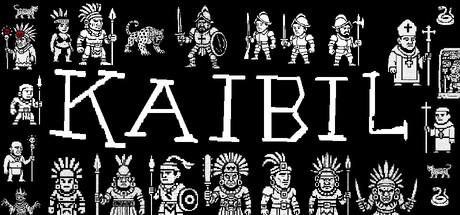
KAIBIL includes limited AI-assisted elements: Music by Udio; Video by Hailuo; Sprites: assisted by ChatGPT
Select card art, event imagery, and UI elements were developed with the help of AI tools.
No AI is used in the coding, audio, video, or marketing of the game.
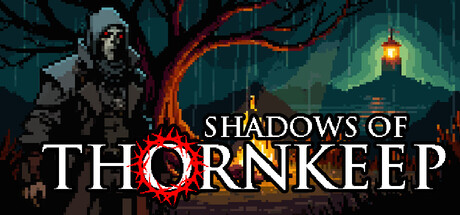
During development, AI was used as a tool to create pixel art drafts, which were then manually edited and finalized by the developer to ensure uniqueness and quality.
AI is used for placeholder images for sprites and backgrounds, to be replaced when i can get the funds to hire artists to redo all the art and make it way better quality
Some of the game's artwork and marketing materials were created with the help of AI tools. All final assets were curated and refined by our art team to ensure quality and consistency with the game’s style.
We used generative-AI tools during development for some art and audio, plus AI assistants for code and copy edits. All results were reviewed/edited by us. No in-game or real-time AI; no player data is sent to AI services.
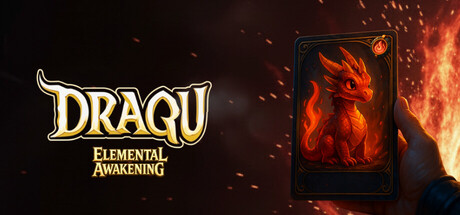
Generative AI tools were used during development to create some visual assets (such as UI artwork and promotional images). All AI-assisted assets were reviewed and manually edited to match DraQu’s style and quality standards.
Some writing tools and image-generation processes were used alongside our own artwork. We begin with concepts and exploratory art created in-house, and these tools help us produce consistent final assets when needed.
AI helped me a lot when moving from GML to C#. The music in the Early Access version is also AI generated this is just a free-time hobby project and I mainly needed some semi ambient tracks to set the mood. Later on, I plan to purchase proper human made tracks before the full release. Towards the end of development I also used an AI plugin for Aseprite to speed up animating some of my own hand drawn sprites, but the very vast majority of the graphics was made by me, handcrafted, pixel by pixel.
This game includes limited use of generative AI during development.
Generative AI was used in the creation of the game’s logo and certain background visuals, and was used to generate a small number of sound effects.
Additional audio assets were sourced from third-party asset stores and integrated into the project in accordance with their licenses.
All remaining content, including gameplay design, implementation, art, and systems, was created directly by the developer.
No generative AI is used during gameplay and it does not affect the player experience.
Some in-game scenes are AI-generated and then manually post-processed.
The character artwork in the game is AI-generated and subsequently refined by hand.
Title: Disclosure of AI-Generated Content
Disclaimer:
This game contains art assets that were created with the assistance of generative AI tools. All AI-generated content was heavily curated, edited, and modified by our human art team to ensure it aligns with the game's unique artistic vision and quality standards. We affirm that we have the appropriate rights to all assets, both AI-generated and human-created, used in our game.
AI was used in the coding of this game, the asset generation, brainstorming practical solutions (knowledge about opensource tts options, distribution options), and in helping problem solve most steps in the development, and application process. It allowed one developer to create a high quality, low cost educational product to greatly assist in language learning worldwide.
The developer utilized AI image generation tools to assist in the creation of specific static visual assets where professional human artist craft was not financially viable for a solo project. These assets include the store capsule art, menu background textures, and narrative event illustrations. All AI generated output was heavily curated, edited, and painfully amended by the developer to ensure consistency with the game's 1970s pulp fantasy aesthetic and pixel-art gameplay. No AI is used to generate content live during gameplay.
Generative AI was used for images generation used in-game. Part of generated images was then corrected by a paid human worker. Another generated part is relatively low quality and is aimed to be replaced by proper art before the full release.
Images for the Steam page are including AI-generated graphical content from the game.
Generative AI was also partially used for programming help, with every generated line being reviewed by the actual developer.
"OpenAI ChatGPT" and "pixellab.ai" were used during development.
During development, we used some AI tools to speed things up in areas where we weren’t as experienced. That saved us a lot of time, letting us focus on the fun stuff — creating cool gameplay mechanics, improving performance, and making sure the game runs smoothly without annoying bugs.
Some in-game text were proofread and improved by AI-powered writing reviewer.
No other game assets were AI-gnereated. All sprites you see here are hand-pixelated.
Some assets and promotional materials were created or enhanced using AI tools.
However, all game content is original, owned by the developer, and does not include unlicensed third-party material. The AI tools were used only to assist in creating art, text, and marketing visuals under full creative control.
AI Disclosure
All writing, directing, editing, art direction and production, and all music and sprite work were fully created and/or imagined by Julio Salazar.
KAIBIL includes limited AI-assisted elements: Music by Udio; Video by Hailuo; Sprites: assisted by ChatGPT
Select card art, event imagery, and UI elements were developed with the help of AI tools.
No AI is used in the coding, audio, video, or marketing of the game.
During development, AI was used as a tool to create pixel art drafts, which were then manually edited and finalized by the developer to ensure uniqueness and quality.
AI is used for placeholder images for sprites and backgrounds, to be replaced when i can get the funds to hire artists to redo all the art and make it way better quality
Some of the game's artwork and marketing materials were created with the help of AI tools. All final assets were curated and refined by our art team to ensure quality and consistency with the game’s style.
We used generative-AI tools during development for some art and audio, plus AI assistants for code and copy edits. All results were reviewed/edited by us. No in-game or real-time AI; no player data is sent to AI services.
Generative AI tools were used during development to create some visual assets (such as UI artwork and promotional images). All AI-assisted assets were reviewed and manually edited to match DraQu’s style and quality standards.
Some writing tools and image-generation processes were used alongside our own artwork. We begin with concepts and exploratory art created in-house, and these tools help us produce consistent final assets when needed.
AI helped me a lot when moving from GML to C#. The music in the Early Access version is also AI generated this is just a free-time hobby project and I mainly needed some semi ambient tracks to set the mood. Later on, I plan to purchase proper human made tracks before the full release. Towards the end of development I also used an AI plugin for Aseprite to speed up animating some of my own hand drawn sprites, but the very vast majority of the graphics was made by me, handcrafted, pixel by pixel.
This game includes limited use of generative AI during development.
Generative AI was used in the creation of the game’s logo and certain background visuals, and was used to generate a small number of sound effects.
Additional audio assets were sourced from third-party asset stores and integrated into the project in accordance with their licenses.
All remaining content, including gameplay design, implementation, art, and systems, was created directly by the developer.
No generative AI is used during gameplay and it does not affect the player experience.
Some in-game scenes are AI-generated and then manually post-processed.
The character artwork in the game is AI-generated and subsequently refined by hand.
Title: Disclosure of AI-Generated Content
Disclaimer:
This game contains art assets that were created with the assistance of generative AI tools. All AI-generated content was heavily curated, edited, and modified by our human art team to ensure it aligns with the game's unique artistic vision and quality standards. We affirm that we have the appropriate rights to all assets, both AI-generated and human-created, used in our game.