Public Steam disclosure research25,986 disclosures tracked
Where do games disclose AI use?
Search developers’ Steam disclosures, compare classified AI use across
games, and follow recorded changes.
This index adds cross-game classifications and statistics to
statements published on individual store pages.
Groups reflect automatic analysis of public disclosures; mature records are excluded. These counts do not measure AI use across all of Steam.
Missing or unclear statements cannot establish whether a game uses AI.
The game features assets and promotional imagery created with the assistance of generative AI, which served as a tool to enhance the production workflow; all such elements were subsequently hand-refined by the developer to ensure artistic consistency. This technology was also used to streamline the development of generic code components. Every aspect of the game’s design, mechanics, and final polish remains the result of human creative direction and manual oversight.
Some Images and text for the store page are generated by AI. I am solo and I am not much of a writer. The game was coded working hard for 10 months to put this together. It is my first major project in game dev.
During the creative process, we utilized artificial intelligence (AI) technology as a generative tool for inspiration, primarily applied to original artwork and partial narrative texts. Our use of AI is not intended to replace traditional creativity, but rather to push beyond the boundaries of conventional game design—delivering you a uniquely immersive adventure filled with delightful surprises. All AI-generated content operates within our meticulously designed rule-based framework, ensuring a coherent and engaging experience.
Development uses AI tools as coding assistants to optimize scripts and refactor systems. Some UI icons and graphic elements may have been generated or iterated with AI assistance, but all were manually reviewed and edited to ensure final quality.
During the development of the game, generative artificial intelligence tools were partially used.
AI was used to help create some graphic elements. All the results were finalized and integrated manually by the developers in accordance with the artistic vision of the project.
Generative AI is not used to create user-generated content in real time during gameplay.
Some visual elements of the game, including certain artwork and UI assets, were created with the assistance of generative AI tools during development.
All AI-generated assets were curated, edited, and integrated by the developer to ensure visual consistency and artistic direction.
The game does not use live AI generation during gameplay.
AI generative models were used to create localization files to support languages that would otherwise be difficult for a solo developer. Placeholder AI-generated assets have been created for the Steam store splash images, with the intent of commissioning an artist if this gains community support. All in-game assets (sprites, music, sound effects, UI elements, and interactive content) were created by humans and are credited in the game credits. CPU opponents use traditional game AI algorithms, not generative AI models.
This is the third iteration of development, that was originally developed in 2019 with HTML + JS, then rebuilt in Unity, and then transferred to LOVE2D written in Lua. It was more-or-less built with a box of scraps in a cave in its first iterations, and modern software since those days have effectively blurred the line where task automation meets unethical AI consumption.
It's up to each of us to determine where that line is for ourselves in a rapidly changing digital age. As both a solo game dev and multimedia artist carrying a full-time job in neither of those fields, I feel that it's important to be educating ourselves on where AI can be a useful tool to allow new opportunities and expand capabilities for independent creators that are otherwise untenable, while keeping the human side of game dev at its core, especially in the indie genre.
Only used strictly as a foundational tool to assist in creating base concepts for certain 2D sprites and background textures. Every AI-assisted asset was heavily modified, color-corrected, and manually integrated to fit the retro aesthetic.
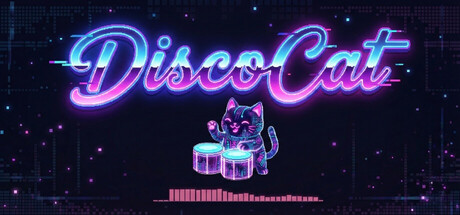
Generative AI was used during the development process to assist in creating 2D visual assets, including the character art (the cyber cat) and promotional imagery. These assets were pre-generated and are included as static files within the application.
AI has been used as a helping tool for minor tasks during the prototyping and development phase (debugging, generating placeholders, etc). There are a few AI generated 3D models used in the final version of the game, but everything else has been replaced with human-made and -written content.
This game includes AI-generated content. Voice lines were created using ElevenLabs AI voice synthesis technology. Some sound effects were generated using AI tools. The intro sequence features AI-generated images that were heavily edited and manipulated in Adobe Photoshop as part of the artistic process.
As a solo developer I did lean on a bit of AI for assisting me with the Title Screen and Steam Capsule Artwork though I did a lot of paint over in Photoshop. A few of the SFX are AI generated.
This game was developed with the assistance of generative AI tools:
- Game narratives, dialogue, and descriptive text were written collaboratively with AI assistance and edited by humans
- Cover artwork was generated using AI image generation tools based on human-created prompts and edited by humans
- Game code and engine systems were developed with AI programming assistance
All AI-generated content was reviewed, edited, and curated by human developers to ensure quality and consistency.
I make use of AI-powered tools during the promotional process of my game. Additionally, the in-game background music was created with the assistance of generative AI. All content produced with the help of AI is reviewed and refined by me before being finalized.
AI was used to assist with writing/editing text (I’m a non-native English speaker), as well as for calculations and development troubleshooting. No AI-generated art, audio, or in-game writing is included in the game, and the game does not generate AI content during gameplay.
This game uses generative artificial intelligence tools in the creation of visual assets, including character art and background illustrations. All AI-generated content has been reviewed, curated, and integrated into the game by the developer to ensure consistency with the artistic direction and narrative tone.
After I personally finalized the design phase, some art assets were first rendered using generative AI tools, and I then manually refined and detailed them.
Similarly, certain background music pieces were developed with the help of generative AI tools.
Should you have any concerns about these methods, please feel free to experience the game according to your own preferences. Thank you for your understanding and consideration.
This title uses generative AI tools to assist in the creation of some written content and visual assets. All AI-assisted content is curated, edited, and finalized by the developer, and no AI-generated content is created dynamically during gameplay.
Generative AI was used to help code the game, create music, create sound effects (including voice lines), and create marketing assets such as the capsule and other images.
This game utilizes generative AI tools to assist in the creation of visual assets, specifically sprites, as well as for generating in-game text for English language.
Some promotional visual assets (such as capsule images and store graphics) were created with the assistance of generative AI tools and were then reviewed, edited, and finalized by the development team.
No generative AI is used during gameplay or to create real-time in-game content.
Generative AI tools were used during the development process for coding assistance and creating certain visual textures or artistic assets. All final assets have been reviewed and refined by the developer to ensure they align with the game's unique cyberpunk and steampunk art style.
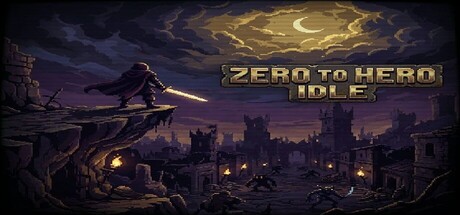
The development of Zero to Hero was assisted by Generative AI tools (Large Language Models). As a solo developer and non-programmer, I utilized AI to help write the game's source code, debug errors, extensive refactoring, and assist in designing mathematical progression systems. All AI-generated code and content were manually reviewed, tested, and refined to ensure a cohesive and fun gameplay experience. The game's core design, vision, and final polish are human-curated.
A limited number of background images and sprites were created with generative AI. Most assets and all gameplay were created manually, the other rest is self-created or from the Unity Asset Store.
I used generative AI tools to assist parts of production, including writing support (proofreading/translation) and the creation of some visual elements. AI was used to generate or iterate on specific visual assets (e.g., promotional images and/or certain 2D visuals), which were then curated and edited by me. Core development decisions (game design, implementation, narrative structure, and final integration) were made by me, and all AI-assisted outputs were reviewed and adjusted to fit the game’s artistic direction.
- Character profile images were generated using AI tools, then reviewed and edited by the developer to fit the game's art direction.
- AI-assisted tools were used in parts of the development process.
- No AI content is generated during gameplay. All in-game experiences are designed and curated by the developer.
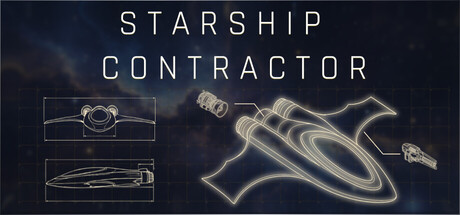
Generative AI was used strictly as a technical tool to digitize original, hand-drawn pencil sketches. Each asset in the game reflects the developer’s physical drawings 1:1, with AI only assisting in the translation of paper lines into a clean digital format. No additional details or artistic elements were generated by the AI. All final styling, including the 'blueprint' aesthetic, was performed manually by the developer in graphic design software
The game features assets and promotional imagery created with the assistance of generative AI, which served as a tool to enhance the production workflow; all such elements were subsequently hand-refined by the developer to ensure artistic consistency. This technology was also used to streamline the development of generic code components. Every aspect of the game’s design, mechanics, and final polish remains the result of human creative direction and manual oversight.
Some Images and text for the store page are generated by AI. I am solo and I am not much of a writer. The game was coded working hard for 10 months to put this together. It is my first major project in game dev.
During the creative process, we utilized artificial intelligence (AI) technology as a generative tool for inspiration, primarily applied to original artwork and partial narrative texts. Our use of AI is not intended to replace traditional creativity, but rather to push beyond the boundaries of conventional game design—delivering you a uniquely immersive adventure filled with delightful surprises. All AI-generated content operates within our meticulously designed rule-based framework, ensuring a coherent and engaging experience.
Development uses AI tools as coding assistants to optimize scripts and refactor systems. Some UI icons and graphic elements may have been generated or iterated with AI assistance, but all were manually reviewed and edited to ensure final quality.
During the development of the game, generative artificial intelligence tools were partially used.
AI was used to help create some graphic elements. All the results were finalized and integrated manually by the developers in accordance with the artistic vision of the project.
Generative AI is not used to create user-generated content in real time during gameplay.
Some visual elements of the game, including certain artwork and UI assets, were created with the assistance of generative AI tools during development.
All AI-generated assets were curated, edited, and integrated by the developer to ensure visual consistency and artistic direction.
The game does not use live AI generation during gameplay.
AI generative models were used to create localization files to support languages that would otherwise be difficult for a solo developer. Placeholder AI-generated assets have been created for the Steam store splash images, with the intent of commissioning an artist if this gains community support. All in-game assets (sprites, music, sound effects, UI elements, and interactive content) were created by humans and are credited in the game credits. CPU opponents use traditional game AI algorithms, not generative AI models.
This is the third iteration of development, that was originally developed in 2019 with HTML + JS, then rebuilt in Unity, and then transferred to LOVE2D written in Lua. It was more-or-less built with a box of scraps in a cave in its first iterations, and modern software since those days have effectively blurred the line where task automation meets unethical AI consumption.
It's up to each of us to determine where that line is for ourselves in a rapidly changing digital age. As both a solo game dev and multimedia artist carrying a full-time job in neither of those fields, I feel that it's important to be educating ourselves on where AI can be a useful tool to allow new opportunities and expand capabilities for independent creators that are otherwise untenable, while keeping the human side of game dev at its core, especially in the indie genre.
Only used strictly as a foundational tool to assist in creating base concepts for certain 2D sprites and background textures. Every AI-assisted asset was heavily modified, color-corrected, and manually integrated to fit the retro aesthetic.
Generative AI was used during the development process to assist in creating 2D visual assets, including the character art (the cyber cat) and promotional imagery. These assets were pre-generated and are included as static files within the application.
AI has been used as a helping tool for minor tasks during the prototyping and development phase (debugging, generating placeholders, etc). There are a few AI generated 3D models used in the final version of the game, but everything else has been replaced with human-made and -written content.
This game includes AI-generated content. Voice lines were created using ElevenLabs AI voice synthesis technology. Some sound effects were generated using AI tools. The intro sequence features AI-generated images that were heavily edited and manipulated in Adobe Photoshop as part of the artistic process.
As a solo developer I did lean on a bit of AI for assisting me with the Title Screen and Steam Capsule Artwork though I did a lot of paint over in Photoshop. A few of the SFX are AI generated.
This game was developed with the assistance of generative AI tools:
- Game narratives, dialogue, and descriptive text were written collaboratively with AI assistance and edited by humans
- Cover artwork was generated using AI image generation tools based on human-created prompts and edited by humans
- Game code and engine systems were developed with AI programming assistance
All AI-generated content was reviewed, edited, and curated by human developers to ensure quality and consistency.
I make use of AI-powered tools during the promotional process of my game. Additionally, the in-game background music was created with the assistance of generative AI. All content produced with the help of AI is reviewed and refined by me before being finalized.
AI was used to assist with writing/editing text (I’m a non-native English speaker), as well as for calculations and development troubleshooting. No AI-generated art, audio, or in-game writing is included in the game, and the game does not generate AI content during gameplay.
This game uses generative artificial intelligence tools in the creation of visual assets, including character art and background illustrations. All AI-generated content has been reviewed, curated, and integrated into the game by the developer to ensure consistency with the artistic direction and narrative tone.
After I personally finalized the design phase, some art assets were first rendered using generative AI tools, and I then manually refined and detailed them.
Similarly, certain background music pieces were developed with the help of generative AI tools.
Should you have any concerns about these methods, please feel free to experience the game according to your own preferences. Thank you for your understanding and consideration.
This title uses generative AI tools to assist in the creation of some written content and visual assets. All AI-assisted content is curated, edited, and finalized by the developer, and no AI-generated content is created dynamically during gameplay.
Generative AI was used to help code the game, create music, create sound effects (including voice lines), and create marketing assets such as the capsule and other images.
This game utilizes generative AI tools to assist in the creation of visual assets, specifically sprites, as well as for generating in-game text for English language.
Some promotional visual assets (such as capsule images and store graphics) were created with the assistance of generative AI tools and were then reviewed, edited, and finalized by the development team.
No generative AI is used during gameplay or to create real-time in-game content.
Generative AI tools were used during the development process for coding assistance and creating certain visual textures or artistic assets. All final assets have been reviewed and refined by the developer to ensure they align with the game's unique cyberpunk and steampunk art style.
The development of Zero to Hero was assisted by Generative AI tools (Large Language Models). As a solo developer and non-programmer, I utilized AI to help write the game's source code, debug errors, extensive refactoring, and assist in designing mathematical progression systems. All AI-generated code and content were manually reviewed, tested, and refined to ensure a cohesive and fun gameplay experience. The game's core design, vision, and final polish are human-curated.
A limited number of background images and sprites were created with generative AI. Most assets and all gameplay were created manually, the other rest is self-created or from the Unity Asset Store.
I used generative AI tools to assist parts of production, including writing support (proofreading/translation) and the creation of some visual elements. AI was used to generate or iterate on specific visual assets (e.g., promotional images and/or certain 2D visuals), which were then curated and edited by me. Core development decisions (game design, implementation, narrative structure, and final integration) were made by me, and all AI-assisted outputs were reviewed and adjusted to fit the game’s artistic direction.
- Character profile images were generated using AI tools, then reviewed and edited by the developer to fit the game's art direction.
- AI-assisted tools were used in parts of the development process.
- No AI content is generated during gameplay. All in-game experiences are designed and curated by the developer.
Generative AI was used strictly as a technical tool to digitize original, hand-drawn pencil sketches. Each asset in the game reflects the developer’s physical drawings 1:1, with AI only assisting in the translation of paper lines into a clean digital format. No additional details or artistic elements were generated by the AI. All final styling, including the 'blueprint' aesthetic, was performed manually by the developer in graphic design software