Public Steam disclosure research25,394 disclosures tracked
Where do games disclose AI use?
Search developers’ Steam disclosures, compare classified AI use across
games, and follow recorded changes.
This index adds cross-game classifications and statistics to
statements published on individual store pages.
Groups reflect automatic analysis of public disclosures; mature records are excluded. These counts do not measure AI use across all of Steam.
Missing or unclear statements cannot establish whether a game uses AI.
During development, AI-assisted tools may have been used in a limited role for tasks such as concept support and writing assistance. These tools were used only to assist the development process. All final content choices, editing, implementation, and creative direction were carried out by the solo developer. The game does not include live-generated AI content during runtime.
This game uses generative AI as part of its development process. Most of the game’s implementation is based on AI-assisted code generated through prompts, which is then reviewed, modified, and integrated by the developer.
Generative AI is also used to create some 3D assets, including the player character object and certain background building objects. These assets are not used as raw AI output; they are selected, adjusted, revised, and optimized for in-game use by the developer before being implemented in the game.
The content shown in this game is not generated live during gameplay. It is created and reviewed in advance before being included in the final product.
Generative AI was utilized strictly to assist in drafting the narrative script and visuals for our promotional marketing trailers, and for in-game cutscenes. All other actual in-game content—including the gameplay code, 3D models, level design, physics, and mechanics—was meticulously crafted by hand by human developers.
Haunt & Hide uses generative AI for two pre-production assets that ship in the final game:
1. The game logo was created using ChatGPT / DALL-E image generation tools. It appears in menus, loading screens, and promotional materials.
2. Background music tracks were generated using Producer.ai (a generative AI music tool) and pre-rendered as standard audio files that ship with the game.
All other content is human-created: game code (C#/Unity), 3D assets (Synty Studios asset packs used under license), level design, game mechanics, UI layout, voice chat content (player-driven at runtime), and written text. No generative AI is used at runtime — the game does not call any AI services during gameplay. All AI-generated assets were reviewed and integrated by the developer.
All character and environmental art began as hand-drawn sketches, which were then refined using generative AI before final pixel-perfect editing in Aseprite and Photoshop. The soundtrack originated as original piano compositions, enhanced through Udio for texture, and professionally mixed in Avid Pro Tools. Our intro sequences were hand-drawn and brought to life through Seedance 2.0 animation technology.
We utilized generative AI tools (such as Midjourney and Stable Diffusion) during the development phase to assist in creating 2D concept art, UI elements, and background textures for the game. We carefully reviewed, edited, and upscaled all generated assets manually to ensure they do not infringe on any existing intellectual property or copyrights. No content is generated in real-time during gameplay.
This game uses AI-generated voice acting for character dialogue and cutscenes. All AI-generated audio content was reviewed by the developer before inclusion in the game.
This game uses AI-generated imagery for promotional artwork and capsule images. All AI-generated visual content was reviewed by the developer before inclusion.
This game's background music was generated using Suno (AI music generation).
Some sprite and store artwork was created programmatically using Python scripts with
AI-assisted design. No AI content is generated during gameplay.
During early development, some voice lines are generated using AI technology as part of the prototyping process. These elements are subject to change and may be replaced with fully produced voice acting in future updates. The rest of the game content is created manually or using properly licensed assets.
Some visual assets, including environmental art and vegetation, were created with the assistance of AI image generation tools and manually refined for use in the game.
Some visual assets, including loading screen images and menu screen artwork, were developed with the assistance of AI image generation tools. AI video generation tools were also used to assist in the production of opening, ending, and promotional trailer videos. All content was created and directed by the developer, with AI serving as a supporting tool to realize the game's creative vision.
Generative IA was used for the translation and localization of in-game text and store page content into multiple languages. This helped ensure natural-sounding phrases for the voice recognition system.
Some programming code
writing for Torizon Telecom utilized AI.
(However, the code written by AI is either directly corrected or used for reference.)
All other resources and fonts are available
It reveals that AI has not been used at all.
Pre-generated:
We have used AI tools to assist in the creation of certain 2D graphic elements, specifically some user interface (UI) icons. All AI-generated assets have been manually refined, integrated, and polished by our team to ensure they fit the game's unique visual style and meet our quality standards.
Live-generated:
None. The game does not use any AI to generate content in real-time during gameplay.
The game does not use AI-generated art, music, character assets, or gameplay content. Generative AI tools were used only to assist with localization drafts for some in-game and store page text, and the final text was reviewed and edited by the developer.
AI was used to extend the variations in characters and to enhance some of our own visuals.
Voices were performed by actual actors or AI voices.
Original music was enhanced with AI.
AI coding tools were used during development to assist with writing game code and store page text. All game content (gameplay, visuals, audio, level design) was created and reviewed by the developer. No AI generates content at runtime.
Some visual assets and 3D models in this game were created with the assistance of AI tools. All such content is pre-rendered and does not change during gameplay.
Artificial intelligence was used to assist with code debugging, translating in-game text into multiple languages, and refining the store page descriptions."
How does this game use generative AI?
-Musical Content: The soundtrack was generated using AI tools (Suno), then curated and produced to match the game's atmosphere and biomes.
-Visual Content and Assets: AI tools were used as a base for some illustrations and visual elements. All of these assets have been manually reviewed, edited, and refined by the developer to ensure final quality and consistency with the project's art style.
AI tools were utilized to assist with text correction and translation. Additionally, AI was used to refine certain artwork, as well as to generate certain audio elements.
All other aspects of the project, from creative direction and story to core gameplay and scripting, represent the dedicated, hand-crafted effort of a solo developer.
How I use AI:
To have it translated.
To have it coded.
To have the Impressionist-style-like paintings I painted transformed into accurate, precise images.
To have the songs I composed enhanced with various instruments.
Generative AI has been used during the development of this game in the following ways: AI tools were used to assist in writing part of the game's source code and to help create or refine some 2D graphic assets, such as logos and UI elements.
This game uses generative AI during development for certain 2D icons, concept art, placeholder graphics, and text. All AI-generated content has been manually reviewed, edited, and adapted by the developer before being included in the final game.
Generative AI (SoundID VoiceAI) was used to process recorded voice-acting performances for character dialogue and undead vocals. AI tools were also used in the creation of environmental textures and ambient sound layers."
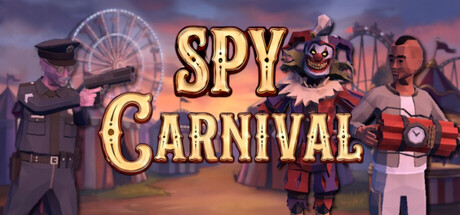
Spy Carnival uses generative AI as a creative aid during the art production process. AI-generated visuals was used strictly as reference material and visual inspiration. All final artwork visible in the game has been reviewed, reworked, and refined by a human artist. No raw AI-generated output is used directly in the game.
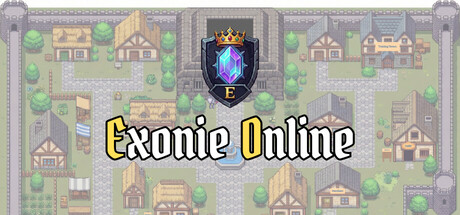
Exonie Online uses pre-generated AI content to provide a high-quality multiplayer experience.
Gameplay Code: Generative AI was used as a primary collaborative tool to develop the game's networking logic, hybrid asset-loading systems, and core mechanics.
Visual Assets: AI tools were used to generate environmental maps, character sprites, and UI elements.
Audio: The game’s soundtrack was generated using Suno AI (Pro Tier), ensuring the developer holds full commercial rights.
All AI-assisted content was manually reviewed and integrated by the developer. No AI content is generated live during gameplay
During development, AI-assisted tools may have been used in a limited role for tasks such as concept support and writing assistance. These tools were used only to assist the development process. All final content choices, editing, implementation, and creative direction were carried out by the solo developer. The game does not include live-generated AI content during runtime.
This game uses generative AI as part of its development process. Most of the game’s implementation is based on AI-assisted code generated through prompts, which is then reviewed, modified, and integrated by the developer.
Generative AI is also used to create some 3D assets, including the player character object and certain background building objects. These assets are not used as raw AI output; they are selected, adjusted, revised, and optimized for in-game use by the developer before being implemented in the game.
The content shown in this game is not generated live during gameplay. It is created and reviewed in advance before being included in the final product.
Generative AI was utilized strictly to assist in drafting the narrative script and visuals for our promotional marketing trailers, and for in-game cutscenes. All other actual in-game content—including the gameplay code, 3D models, level design, physics, and mechanics—was meticulously crafted by hand by human developers.
Haunt & Hide uses generative AI for two pre-production assets that ship in the final game:
1. The game logo was created using ChatGPT / DALL-E image generation tools. It appears in menus, loading screens, and promotional materials.
2. Background music tracks were generated using Producer.ai (a generative AI music tool) and pre-rendered as standard audio files that ship with the game.
All other content is human-created: game code (C#/Unity), 3D assets (Synty Studios asset packs used under license), level design, game mechanics, UI layout, voice chat content (player-driven at runtime), and written text. No generative AI is used at runtime — the game does not call any AI services during gameplay. All AI-generated assets were reviewed and integrated by the developer.
All character and environmental art began as hand-drawn sketches, which were then refined using generative AI before final pixel-perfect editing in Aseprite and Photoshop. The soundtrack originated as original piano compositions, enhanced through Udio for texture, and professionally mixed in Avid Pro Tools. Our intro sequences were hand-drawn and brought to life through Seedance 2.0 animation technology.
We utilized generative AI tools (such as Midjourney and Stable Diffusion) during the development phase to assist in creating 2D concept art, UI elements, and background textures for the game. We carefully reviewed, edited, and upscaled all generated assets manually to ensure they do not infringe on any existing intellectual property or copyrights. No content is generated in real-time during gameplay.
This game uses AI-generated voice acting for character dialogue and cutscenes. All AI-generated audio content was reviewed by the developer before inclusion in the game.
This game uses AI-generated imagery for promotional artwork and capsule images. All AI-generated visual content was reviewed by the developer before inclusion.
This game's background music was generated using Suno (AI music generation).
Some sprite and store artwork was created programmatically using Python scripts with
AI-assisted design. No AI content is generated during gameplay.
During early development, some voice lines are generated using AI technology as part of the prototyping process. These elements are subject to change and may be replaced with fully produced voice acting in future updates. The rest of the game content is created manually or using properly licensed assets.
Some visual assets, including environmental art and vegetation, were created with the assistance of AI image generation tools and manually refined for use in the game.
Some visual assets, including loading screen images and menu screen artwork, were developed with the assistance of AI image generation tools. AI video generation tools were also used to assist in the production of opening, ending, and promotional trailer videos. All content was created and directed by the developer, with AI serving as a supporting tool to realize the game's creative vision.
Generative IA was used for the translation and localization of in-game text and store page content into multiple languages. This helped ensure natural-sounding phrases for the voice recognition system.
Some programming code
writing for Torizon Telecom utilized AI.
(However, the code written by AI is either directly corrected or used for reference.)
All other resources and fonts are available
It reveals that AI has not been used at all.
Pre-generated:
We have used AI tools to assist in the creation of certain 2D graphic elements, specifically some user interface (UI) icons. All AI-generated assets have been manually refined, integrated, and polished by our team to ensure they fit the game's unique visual style and meet our quality standards.
Live-generated:
None. The game does not use any AI to generate content in real-time during gameplay.
The game does not use AI-generated art, music, character assets, or gameplay content. Generative AI tools were used only to assist with localization drafts for some in-game and store page text, and the final text was reviewed and edited by the developer.
AI was used to extend the variations in characters and to enhance some of our own visuals.
Voices were performed by actual actors or AI voices.
Original music was enhanced with AI.
AI coding tools were used during development to assist with writing game code and store page text. All game content (gameplay, visuals, audio, level design) was created and reviewed by the developer. No AI generates content at runtime.
Some visual assets and 3D models in this game were created with the assistance of AI tools. All such content is pre-rendered and does not change during gameplay.
Artificial intelligence was used to assist with code debugging, translating in-game text into multiple languages, and refining the store page descriptions."
How does this game use generative AI?
-Musical Content: The soundtrack was generated using AI tools (Suno), then curated and produced to match the game's atmosphere and biomes.
-Visual Content and Assets: AI tools were used as a base for some illustrations and visual elements. All of these assets have been manually reviewed, edited, and refined by the developer to ensure final quality and consistency with the project's art style.
AI tools were utilized to assist with text correction and translation. Additionally, AI was used to refine certain artwork, as well as to generate certain audio elements.
All other aspects of the project, from creative direction and story to core gameplay and scripting, represent the dedicated, hand-crafted effort of a solo developer.
How I use AI:
To have it translated.
To have it coded.
To have the Impressionist-style-like paintings I painted transformed into accurate, precise images.
To have the songs I composed enhanced with various instruments.
Generative AI has been used during the development of this game in the following ways: AI tools were used to assist in writing part of the game's source code and to help create or refine some 2D graphic assets, such as logos and UI elements.
This game uses generative AI during development for certain 2D icons, concept art, placeholder graphics, and text. All AI-generated content has been manually reviewed, edited, and adapted by the developer before being included in the final game.
Generative AI (SoundID VoiceAI) was used to process recorded voice-acting performances for character dialogue and undead vocals. AI tools were also used in the creation of environmental textures and ambient sound layers."
Spy Carnival uses generative AI as a creative aid during the art production process. AI-generated visuals was used strictly as reference material and visual inspiration. All final artwork visible in the game has been reviewed, reworked, and refined by a human artist. No raw AI-generated output is used directly in the game.
Exonie Online uses pre-generated AI content to provide a high-quality multiplayer experience.
Gameplay Code: Generative AI was used as a primary collaborative tool to develop the game's networking logic, hybrid asset-loading systems, and core mechanics.
Visual Assets: AI tools were used to generate environmental maps, character sprites, and UI elements.
Audio: The game’s soundtrack was generated using Suno AI (Pro Tier), ensuring the developer holds full commercial rights.
All AI-assisted content was manually reviewed and integrated by the developer. No AI content is generated live during gameplay