


Disclosure
Using AI to partially generate game code and character portraits.
- Creator
- LumiXL
- Reviews
- -
- Added
- Nov 26, 2026
Public Steam disclosure research 27,951 disclosures tracked
Search developers’ Steam disclosures, compare classified AI use across games, and follow recorded changes. This index adds cross-game classifications and statistics to statements published on individual store pages.
Code help, debugging and other development work.
Capsule art, trailers and promotional material.
Pre-made art, audio, writing and other game assets.
Interactive or runtime AI features disclosed by the developer.
Groups reflect automatic analysis of public disclosures; mature records are excluded. These counts do not measure AI use across all of Steam. Missing or unclear statements cannot establish whether a game uses AI.
Using AI to partially generate game code and character portraits.
The game's pixel art, music, sound effects and translations, as well as its store page art and texts, were created with the help of AI tools under the developer's direction. Nothing is generated by AI while you play.
AI is used in the illustrations and programming for this game.
Pre-generated AI-assisted content includes artwork for backgrounds, comic scenes, interface elements, some equipment and store graphics, as well as synthetic dialogue voices and assistance with text and localization. These assets are packaged with the game. The game does not generate content with AI while running.
Generative AI was used for some of the music in Shining: Block 21.
AI tools were used to help create graphical assets for RINO RUSH 2
Some of the store's capsule art was made with the help of AI image tools. The voices in the teaser trailer were made with AI text-to-speech.
During the development of this game, we used AI as a reference tool to explore ideas and support the development process. AI served as an aid to the reference process, while the final decisions regarding the game's design and development were made by us.
Massive human effort, but AI is used to help create content.
The game uses AI assisted translations for all languages besides English and Portuguese. Some in game items and achievements had their art refined with AI assisted tools. All AI assisted artwork used in the game passed through full human revision before inclusion.
AI did all of the development of this game, from the idea and the design to its code, testing, translations (28 of its 30 languages are AI translations), and upload and release work. Its UI art, icons and effects are drawn by code the AI wrote. Its 3D models, animations, music and sound effects are licensed assets made by people (Kenney, Adobe Mixamo, Hayq Art, Kevin MacLeod); code the AI wrote fitted Santa to the game and made the elves' hats. Nothing is generated while you play. The game shows this notice at its first launch and asks players to agree before playing.
Some news and event images, shown on the store page and occasionally in the game, were created using generative AI tools and reviewed by our team before release.
Generative AI was used to create or modify some of the audio and visual assets in the game.
Our ethical code of conduct regarding AI: 1. IMPORTANT: All the assets, music, art are human made. 2. AI was used for some translations. We consider this a necessity to reach fans everyone in the world and be inclusive with people in different countries, languages and cultures. However, if you are a fan who is interested in helping with translations please reach out so we can remove the IA translations. 3. Code snippets taken from search engine's AI and discussions on technical issues with LLMs may be considered by some a use of AI they may not agree with. We respect that.
Entire game is made from AI. Creatively directed by myself.
Generative AI tools were used to assist in creating promotional artwork for the game's Steam store page, including capsule images and other marketing graphics. AI-generated artwork is limited to promotional materials and is not used in the game's actual gameplay, environments, characters, or other in-game assets.
Our team uses generative AI technologies to assist in the development of certain in-game elements.
Generative AI tools assisted development, including the creation of vector artwork, game text, translations, and code used to produce visual and audio content. These tools were used under the developer’s direction, with human review and creative decisions. The game does not use live generative AI during gameplay.
Generative AI has been used to assist in creating some ambient background music and a limited number of textures in Never Be Alone. The AI-assisted music is used to enhance the atmosphere during exploration and gameplay, while AI-assisted textures are used for certain environmental details. The game's story, missions, characters, gameplay systems, and programming are developed by the team. All main story characters are voiced by real human voice actors, with over 1,500 recorded voice lines.
No AI has been used for gameplay, design, art, audio or other creative assets. Only text localization and code debugging has been assisted with AI.
Ape Express is made by a tiny team, and AI tools helped us get there. Many of our 3D models and concept art began as AI generations. None of them shipped that way. Everything else is ours: the gameplay, music, levels, puzzles, physics, networking, and writing. No AI content is generated while you play. AI gave us a lump of clay. The imagination and shaping is ours.
90% of this game was developed with a few asset packs and by hand. A 3 features were modified with AI. Approximately 12 fixes including fixes to the asset packs used(a few had existing bugs) and two shader bugs were fixed by AI. The game was mostly developed a few years ago and AI has actually made it possible to fix the bugs that were stalling delivery. Hope you enjoy the experience. May be using AI to add some difficulty levels is all that is planned for before EA release. The rest is ready to go.
Eisenkiefer was originally developed over a period of more than two years without generative AI. Following an extended development break, AI-assisted tools were introduced to help resume development and complete the remaining work. Generative AI is primarily used to assist with programming, debugging, and further development of existing game systems. The original game concept, core gameplay, and majority of the game's content were created through traditional development.
Some artwork in this game was created using generative AI. Steam community assets, including trading cards, may also have been created using generative AI.
Some of the game's sound effects (about 80 interface, race and medal sounds) were generated with an AI tool (Higgsfield Seed Audio), then selected, edited and mixed by the developer. No content is generated by AI during gameplay.
AI tools were used during development to generate art assets (3D models, textures, icons and promotional art), sound effects and translations, which the developer then selected, adjusted and integrated into the game. The gameplay, levels and systems were designed by the developer. The game does not generate any AI content while you play.
Some voice/vocal audio in the game was created with the help of generative AI tools. All visual art, level design, code, gameplay and writing were created by hand.
We use generative AI tools for some parts of the game: character voices, some UI icons, the localization of in-game text, and some promotional and cover art. All AI-assisted content is reviewed and edited by our team. Gameplay, design, code, levels and the rest of the art are made by our human team.
Generative AI tools assisted in creating artwork and player-facing text during development. The music was created without generative AI.
The code was made by AI, the trailer was too.
AI is used for voiceover, music, translation, and coding. All graphics, sounds, and the story were created by people.
Some voice-over lines (the AI character SAREN, the system announcer and Yusuf) were generated with ElevenLabs text-to-speech from our own original scripts and edited by the developer. Some 3D prop and character base meshes were generated with Meshy AI and then reworked, retextured and integrated into the game by hand. Some 2D images used in the game (such as textures, in-world screens and posters) and on our Steam store page (capsule art, banners and promotional images) were created with the help of AI image generation tools and then edited by the developer. Parts of the Steam store page text were drafted with the help of AI writing tools and then reviewed and edited by the developer. Some store screenshots were captured in-engine and lightly retouched (exposure, denoise) with AI tools; they do not show anything that is not in the game. No content is generated by AI while the game is running.
Some character voice lines were generated with AI text-to-speech.
Our development team uses generative AI tools as assistive aids in our workflow. Specifically, some visual assets (such as early concepts, background textures, or UI elements) and initial localization drafts are generated with the help of AI. However, all AI-generated content undergoes strict human review, modification, and final integration by our artists and developers to ensure quality and consistency. The game does not feature any real-time AI-generated content during gameplay.
We used AI tools during development to help create some of the game, including: limited sound effects, a limited amount of 3D models and art, most voice lines, and translations. Our team directs, selects and edits this work, and the final game reflects our own creative decisions. We used AI to assist with making marketing assets.
Some dialogue in the early part of Odd Town was created with assistance from LLM during development of the original demo and carried over into the full game. We are reviewing the script to identify all affected dialogue and replace it with original, human-written text in an upcoming update. No other content in the released version of Odd Town was generated or created with AI assistance.
The achievement icons for this game were created with the help of generative AI tools. Apart from them, all artwork in the game was created by our team of artists.
Some textures and visual artwork in House Trap, including promotional materials, were created with the assistance of AI tools. All AI-assisted content is reviewed and incorporated into the game during development. Some of the store page assets are ai-assisted to enhance the visuals of the gameplay.
Used to pre-render scenes using assets and in-game scenes
Designed and made by a solo developer. AI tools were used as a starting point for some 3D assets and texts, all reworked by the author. No content is generated during gameplay.
Some of the artwork, music and translations were made with AI tools. We use AI as a tool to enhance our work, not just to generate it, and we edit and review everything by hand.
The promotional image was optimized through feedback from AI, and environmental sounds and church bells were generated through AI.
No AI-generated output has been used as-is in the visual assets of ArcheAge Chronicles. During development, AI generation tools were used only as a starting point for some visual assets, and every one of them was edited, composited, retouched, or remodeled by our art team before being finalized. These include: - Item icons for items that exist only as icons, without an in-game 3D model - Some in-game images used within the UI, which were partially processed and edited with AI tools - Parts of the world map - Some 2D background decoration assets and character weapon 3D models, where AI tools were used only in the early stages of production The Portuguese (Brazil) and Japanese versions of the game currently use AI-assisted translation as a provisional measure. No AI-generated content is created during gameplay.
AI tools were used for some translations and to create the totem’s 3D model.
Some textures and icons are pre-generated by AI
AI tools were used to help write the store page text and to create some promotional images. The in-game characters and backgrounds are drawn by the developer’s own code.
Generative AI was used to create some of the art and music, localization, features, and bug fixes.
Used for voicing part of the characters. The game also features a story location containing "AI art". The paintings displayed there are generated.
We use generative AI tools to support research, documentation, code development, translation, and store page copywriting. We do not use generative AI to create the game's visual or audio assets. These assets are created through original creative processes by professionals hired by our studio, including 2D artists, 3D modelers, animators, and sound designers.
Generative AI was used to create some visuals.
| Title⇅ | Disclosure | Creator⇅ | Src | Reviews⇅ | Added↓ |
|---|---|---|---|---|---|
 Rum & Rovers In-game content artcode | Using AI to partially generate game code and character portraits. | LumiXL | - | Nov 26, 2026 | |
 The Wolfheaded In-game content artaudiotext | The game's pixel art, music, sound effects and translations, as well as its store page art and texts, were created with the help of AI tools under the developer's direction. Nothing is generated by AI while you play. | Alex K | - | Nov 26, 2026 | |
 ぷにぽんドリーム In-game content artcode | AI is used in the illustrations and programming for this game. | mokosoft | - | Nov 26, 2026 | |
 STICKFURY In-game content arttext | Pre-generated AI-assisted content includes artwork for backgrounds, comic scenes, interface elements, some equipment and store graphics, as well as synthetic dialogue voices and assistance with text and localization. These assets are packaged with the game. The game does not generate content with AI while running. | Naya Games | - | Nov 26, 2026 | |
 Shining: Block 21 In-game content audio | Generative AI was used for some of the music in Shining: Block 21. | Return 0 Game Studio | - | Nov 26, 2026 | |
 RINO RUSH 2 In-game content art | AI tools were used to help create graphical assets for RINO RUSH 2 | AHU Entertainment | - | Nov 26, 2026 | |
 Last Call Market In-game content artaudio | Some of the store's capsule art was made with the help of AI image tools. The voices in the teaser trailer were made with AI text-to-speech. | NewGen | - | Nov 26, 2026 | |
 Saturnia Dev only | During the development of this game, we used AI as a reference tool to explore ideas and support the development process. AI served as an aid to the reference process, while the final decisions regarding the game's design and development were made by us. | İzmaritGames | - | Nov 26, 2026 | |
 Pickle & Biscuit Unclear | Massive human effort, but AI is used to help create content. | fp32.ai LLC | - | Nov 26, 2026 | |
 Arithmancy In-game content textart | The game uses AI assisted translations for all languages besides English and Portuguese.
Some in game items and achievements had their art refined with AI assisted tools. All AI assisted artwork used in the game passed through full human revision before inclusion. | Pumpkin41 | - | Nov 26, 2026 | |
 Snoozin' Santa: Gift Heist In-game content artcodetext | AI did all of the development of this game, from the idea and the design to its code, testing, translations (28 of its 30 languages are AI translations), and upload and release work. Its UI art, icons and effects are drawn by code the AI wrote. Its 3D models, animations, music and sound effects are licensed assets made by people (Kenney, Adobe Mixamo, Hayq Art, Kevin MacLeod); code the AI wrote fitted Santa to the game and made the elves' hats. Nothing is generated while you play. The game shows this notice at its first launch and asks players to agree before playing. | Kuso Game Studio | - | Nov 24, 2026 | |
 SOS OPS! In-game content art | Some news and event images, shown on the store page and occasionally in the game, were created using generative AI tools and reviewed by our team before release. | ArtDock | 1.1k | Nov 24, 2026 | |
 Killer Santa 1990 In-game content artaudio | Generative AI was used to create or modify some of the audio and visual assets in the game. | 31 Studios | 17 | Nov 24, 2026 | |
 Noctheria In-game content textcode | Our ethical code of conduct regarding AI:
1. IMPORTANT: All the assets, music, art are human made.
2. AI was used for some translations. We consider this a necessity to reach fans everyone in the world and be inclusive with people in different countries, languages and cultures.
However, if you are a fan who is interested in helping with translations please reach out so we can remove the IA translations.
3. Code snippets taken from search engine's AI and discussions on technical issues with LLMs may be considered by some a use of AI they may not agree with. We respect that. | zombiebytegames | - | Nov 24, 2026 | |
 Soul Of Sin In-game content artaudiocodetext | Entire game is made from AI.
Creatively directed by myself. | CRNKD | - | Nov 24, 2026 | |
 Crown & Decay: Gordak In-game content art | Generative AI tools were used to assist in creating promotional artwork for the game's Steam store page, including capsule images and other marketing graphics.
AI-generated artwork is limited to promotional materials and is not used in the game's actual gameplay, environments, characters, or other in-game assets. | Sphynx Softworks | - | Nov 23, 2026 | |
 The Blindside Protocol Unclear | Our team uses generative AI technologies to assist in the development of certain in-game elements. | Night Raiders | - | Nov 23, 2026 | |
 Alone in the Nights In-game content arttextcode | Generative AI tools assisted development, including the creation of vector artwork, game text, translations, and code used to produce visual and audio content. These tools were used under the developer’s direction, with human review and creative decisions. The game does not use live generative AI during gameplay. | Cold Mass Digital Entertainment | - | Nov 23, 2026 | |
 Never Be Alone In-game content audioart | Generative AI has been used to assist in creating some ambient background music and a limited number of textures in Never Be Alone.
The AI-assisted music is used to enhance the atmosphere during exploration and gameplay, while AI-assisted textures are used for certain environmental details.
The game's story, missions, characters, gameplay systems, and programming are developed by the team. All main story characters are voiced by real human voice actors, with over 1,500 recorded voice lines. | Jonas Jensen | - | Nov 23, 2026 | |
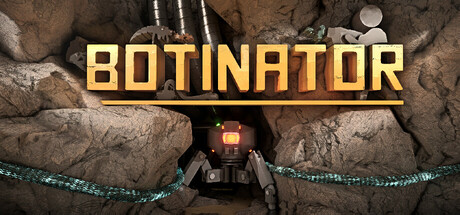 Botinator In-game content textcode | No AI has been used for gameplay, design, art, audio or other creative assets. Only text localization and code debugging has been assisted with AI. | Slash Interactive | - | Nov 22, 2026 | |
 Ape Express In-game content arttext | Ape Express is made by a tiny team, and AI tools helped us get there. Many of our 3D models and concept art began as AI generations. None of them shipped that way.
Everything else is ours: the gameplay, music, levels, puzzles, physics, networking, and writing. No AI content is generated while you play.
AI gave us a lump of clay. The imagination and shaping is ours. | Teal Robot | - | Nov 22, 2026 | |
 Isle of the Jötunn In-game content artcode | 90% of this game was developed with a few asset packs and by hand. A 3 features were modified with AI. Approximately 12 fixes including fixes to the asset packs used(a few had existing bugs) and two shader bugs were fixed by AI. The game was mostly developed a few years ago and AI has actually made it possible to fix the bugs that were stalling delivery. Hope you enjoy the experience. May be using AI to add some difficulty levels is all that is planned for before EA release. The rest is ready to go. | Tom's Feral Cat Games | - | Nov 22, 2026 | |
 Eisenkiefer Dev only code | Eisenkiefer was originally developed over a period of more than two years without generative AI. Following an extended development break, AI-assisted tools were introduced to help resume development and complete the remaining work.
Generative AI is primarily used to assist with programming, debugging, and further development of existing game systems. The original game concept, core gameplay, and majority of the game's content were created through traditional development. | Marcel Rankwiler | - | Nov 21, 2026 | |
 PINK ELEPHANT In-game content art | Some artwork in this game was created using generative AI. Steam community assets, including trading cards, may also have been created using generative AI. | IOIG Games | 66 | Nov 21, 2026 | |
 FPV Worldwide: Real World Drone Simulator In-game content audio | Some of the game's sound effects (about 80 interface, race and medal sounds) were generated with an AI tool (Higgsfield Seed Audio), then selected, edited and mixed by the developer. No content is generated by AI during gameplay. | Robin Cretinon | 25 | Nov 21, 2026 | |
 The Last Summons In-game content artaudiotext | AI tools were used during development to generate art assets (3D models, textures, icons and promotional art), sound effects and translations, which the developer then selected, adjusted and integrated into the game. The gameplay, levels and systems were designed by the developer. The game does not generate any AI content while you play. | WeiTrail Games | - | Nov 21, 2026 | |
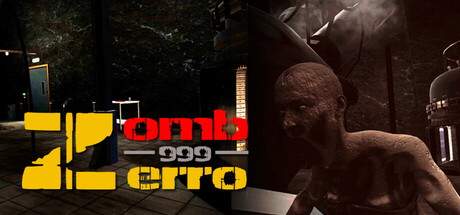 ZombZerro999 In-game content audio | Some voice/vocal audio in the game was created with the help of generative AI tools. All visual art, level design, code, gameplay and writing were created by hand. | Apex Aurora Games | - | Nov 21, 2026 | |
 Dark & Evil In-game content audioarttext | We use generative AI tools for some parts of the game: character voices, some UI icons, the localization of in-game text, and some promotional and cover art. All AI-assisted content is reviewed and edited by our team. Gameplay, design, code, levels and the rest of the art are made by our human team. | Bright Tower Int. | - | Nov 21, 2026 | |
 Strange Plains In-game content arttext | Generative AI tools assisted in creating artwork and player-facing text during development. The music was created without generative AI. | Wallow & Wire | - | Nov 21, 2026 | |
 PurpleStar Store/marketing codeart | The code was made by AI, the trailer was too. | EnergeticSniffer | - | Nov 20, 2026 | |
 Do I Feel? In-game content audiotextcode | AI is used for voiceover, music, translation, and coding. All graphics, sounds, and the story were created by people. | Ruslan Sharipov | - | Nov 20, 2026 | |
 The Last Core: PANOPTICON In-game content audioarttext | Some voice-over lines (the AI character SAREN, the system announcer and Yusuf) were generated with ElevenLabs text-to-speech from our own original scripts and edited by the developer. Some 3D prop and character base meshes were generated with Meshy AI and then reworked, retextured and integrated into the game by hand. Some 2D images used in the game (such as textures, in-world screens and posters) and on our Steam store page (capsule art, banners and promotional images) were created with the help of AI image generation tools and then edited by the developer. Parts of the Steam store page text were drafted with the help of AI writing tools and then reviewed and edited by the developer. Some store screenshots were captured in-engine and lightly retouched (exposure, denoise) with AI tools; they do not show anything that is not in the game. No content is generated by AI while the game is running. | Alihan Durdu | - | Nov 20, 2026 | |
 Fighting Moore In-game content audio | Some character voice lines were generated with AI text-to-speech. | complicatedAloofness | - | Nov 20, 2026 | |
 Are We Core Yet? In-game content arttext | Our development team uses generative AI tools as assistive aids in our workflow. Specifically, some visual assets (such as early concepts, background textures, or UI elements) and initial localization drafts are generated with the help of AI. However, all AI-generated content undergoes strict human review, modification, and final integration by our artists and developers to ensure quality and consistency. The game does not feature any real-time AI-generated content during gameplay. | Team 707 | - | Nov 20, 2026 | |
 Southbound Overkill In-game content audioarttext | We used AI tools during development to help create some of the game, including: limited sound effects, a limited amount of 3D models and art, most voice lines, and translations. Our team directs, selects and edits this work, and the final game reflects our own creative decisions. We used AI to assist with making marketing assets. | FAKORPO | - | Nov 20, 2026 | |
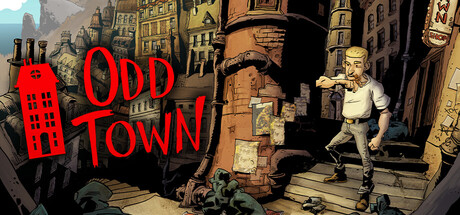 Odd Town In-game content text | Some dialogue in the early part of Odd Town was created with assistance from LLM during development of the original demo and carried over into the full game. We are reviewing the script to identify all affected dialogue and replace it with original, human-written text in an upcoming update.
No other content in the released version of Odd Town was generated or created with AI assistance. | The Flying Baguette | 119 | Nov 19, 2026 | |
 Kleks Academy In-game content art | The achievement icons for this game were created with the help of generative AI tools. Apart from them, all artwork in the game was created by our team of artists. | Raccoons Studio | 21 | Nov 19, 2026 | |
 House Trap In-game content art | Some textures and visual artwork in House Trap, including promotional materials, were created with the assistance of AI tools. All AI-assisted content is reviewed and incorporated into the game during development. Some of the store page assets are ai-assisted to enhance the visuals of the gameplay. | Jaysea Studios | - | Nov 19, 2026 | |
 Spellburst Store/marketing art | Used to pre-render scenes using assets and in-game scenes | xixgames | - | Nov 19, 2026 | |
 BOOT > REminiscence Protocol In-game content arttext | Designed and made by a solo developer. AI tools were used as a starting point for some 3D assets and texts, all reworked by the author. No content is generated during gameplay. | Nolina Studio | - | Nov 19, 2026 | |
 Mytheria In-game content artaudiotext | Some of the artwork, music and translations were made with AI tools. We use AI as a tool to enhance our work, not just to generate it, and we edit and review everything by hand. | Cobo Makes Games | - | Nov 19, 2026 | |
 无名勇者见闻录 Store/marketing audioart | The promotional image was optimized through feedback from AI, and environmental sounds and church bells were generated through AI. | LiuXinRui | - | Nov 19, 2026 | |
 ArcheAge Chronicles In-game content arttext | No AI-generated output has been used as-is in the visual assets of ArcheAge Chronicles. During development, AI generation tools were used only as a starting point for some visual assets, and every one of them was edited, composited, retouched, or remodeled by our art team before being finalized. These include:
- Item icons for items that exist only as icons, without an in-game 3D model
- Some in-game images used within the UI, which were partially processed and edited with AI tools
- Parts of the world map
- Some 2D background decoration assets and character weapon 3D models, where AI tools were used only in the early stages of production
The Portuguese (Brazil) and Japanese versions of the game currently use AI-assisted translation as a provisional measure.
No AI-generated content is created during gameplay. | XLGAMES | 2.3k | Nov 19, 2026 | |
 Skinwalker Hunt In-game content arttext | AI tools were used for some translations and to create the totem’s 3D model. | Gua | 803 | Nov 19, 2026 | |
 FATAL HEELZ In-game content art | Some textures and icons are pre-generated by AI | Ming Yen Wu | - | Nov 19, 2026 | |
 KENKAKU In-game content textart | AI tools were used to help write the store page text and to create some promotional images. The in-game characters and backgrounds are drawn by the developer’s own code. | DokoroGames | - | Nov 19, 2026 | |
 Worldsmith by Charles A. Debczak In-game content artaudiotext | Generative AI was used to create some of the art and music, localization, features, and bug fixes. | Charles A. Debczak | - | Nov 19, 2026 | |
 Olympius In-game content audioart | Used for voicing part of the characters.
The game also features a story location containing "AI art". The paintings displayed there are generated. | Lion's Shade | 266 | Nov 19, 2026 | |
 Yaguareté: The Game In-game content textcode | We use generative AI tools to support research, documentation, code development, translation, and store page copywriting.
We do not use generative AI to create the game's visual or audio assets. These assets are created through original creative processes by professionals hired by our studio, including 2D artists, 3D modelers, animators, and sound designers. | Febatis Studio | - | Nov 19, 2026 | |
 Night Chain Unclear art | Generative AI was used to create some visuals. | Artneron Games | - | Nov 18, 2026 |


