Public Steam disclosure research25,380 disclosures tracked
Where do games disclose AI use?
Search developers’ Steam disclosures, compare classified AI use across
games, and follow recorded changes.
This index adds cross-game classifications and statistics to
statements published on individual store pages.
Groups reflect automatic analysis of public disclosures; mature records are excluded. These counts do not measure AI use across all of Steam.
Missing or unclear statements cannot establish whether a game uses AI.
Live in-game: NPC conversations are generated in real time by a large language model. Every dialogue you have with a villager is dynamically written rather than scripted, and NPCs remember what you've said to them across the playthrough. Conversations are filtered for safety, but as with any AI-generated text, responses may occasionally be unexpected.
Pre-rendered during development: Character and creature sprites, ambient music, and some background artwork were created with the assistance of generative AI tools and then hand-curated, edited, and integrated by the developer.
Mix a Meow uses AI generation tools to create some assets, including character illustrations, icons, music, and sound effects. All character concepts and design directions were crafted by the developer; AI was used as a tool to bring them to life. No content is generated by AI during gameplay — all AI-assisted assets were reviewed and finalized by the developer before release.
Some visual assets (such as the app icon) and store page text were created with the assistance of AI tools. All game content — puzzles, code, and gameplay — is handcrafted by the developer.
Game development was accelerated through use of AI code assistants to help create and test the software code.
Language translations were provided by AI.
Pre-rendered AI tools were used to generate the base artwork for the Steam store page capsule images and marketing materials. All generated assets were manually edited and combined in image editing software.
The images for the steam store were created using concept images, some of which were ai-generated.
And the text for the steam store page was translated using google translate. Except for english, dutch/nederlands, and german/deutsch.
None of the assets seen or heard in the game have been generated by AI, but AI generated images and music have been used when ideating the finished content created by humans.
AI has been used to help in the coding process and localisation, but everything has been always checked (if not created) by at least one human. Localisations usually have been created by one person and checked by another to assure quality of translations.
Agraria is a solo-developed project, and we're upfront that we used Ai as part of our workflow. AI tools were used as part of the production process for some art assets, music, and code assistance, with human design, creation, direction, editing, integration, and final implementation throughout. If that’s a deal-breaker for you, we totally understand!
The steam shop page features some language translations that were generated with the help of DeepL.
The game itself does not use any AI generated translations or any other AI generated assets or code.
Select visual assets and base scripts in this title were created with the assistance of generative AI. All AI-generated content was manually edited and strictly reviewed by the developer before final inclusion.
AI tools were used to localize Solitaire Deck's text into multiple languages, this is the only AI content in the game. As a solo developer, it was my only feasible way to support players who prefer games in their native language. Some translations have been reviewed by native speakers, and I'm working to get more checked over time. If you spot anything off, please let me know through the Steam discussions and I'll get it fixed.
Some pre-generated visual assets used in the game and its store/marketing materials, including certain splash images and UI icons, were created with the assistance of generative AI tools. These assets were integrated as pre-generated content during development. The game does not use live-generated AI content during gameplay and does not connect to external AI services while running.
We used AI in some of the UI assets of the game. It was used for ideas as well as to generate some of the icons that would then be cleaned up by us and added in.
Our main programmer didn't use any AI for code, but our newbie programmer did use it to help with learning code and to develop/help with smaller portions of the game.
PhotoGuesser uses generative AI to assist in creating some pre-rendered audio content, such as sound effects and music used in the game. All AI-assisted audio content is reviewed, selected, and integrated by the developer before being included.
The game does not use live generative AI during gameplay, and player input is not sent to any generative AI service.
This game was developed using AI-assisted tools in multiple areas of development, including programming, writing, music, and visual assets. AI tools were used during the creation process to help generate and prototype content, which was then reviewed, edited, and integrated into the game by the developer.
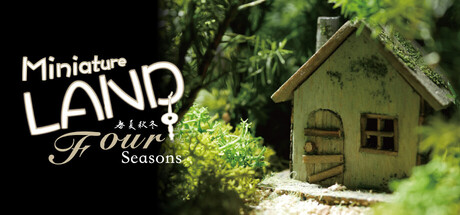
We use generative AI in a limited capacity to extend backgrounds (canvas expansion) and remove unwanted elements in some of the live-action miniature images.
The original source materials are real photographs, and all content is reviewed and adjusted by the developer.
Generative AI is also used as a writing assistant for parts of the in-game text.
A small selection (approx. 15-20%) of the environmental wallpapers were AI-assisted to provide visual variety, while the majority of the 30+ artworks and the core 'Dojo' aesthetic are custom-designed. AI was also used to help master and refine the lofi soundtrack and assist with initial marketing drafts.
AI was used to assist with writing/editing text (I’m a non-native English speaker), as well as for calculations and development troubleshooting. No AI-generated art, audio, or in-game writing is included in the game, and the game does not generate AI content during gameplay.
This game used generative AI as a development assistant. AI tools were used to help generate parts of the game logic and event structures during development. Some placeholder art assets were initially generated with AI and later manually edited and refined by the developer. All final gameplay design, programming decisions, and core creative direction were created and curated by a human developer.
We have used generative AI to create reference images of Promo materials, which were later redrawn by an artist, and for creating item frames. We are also utilizing several assets that contain UI images that were created using AI and edited by hand afterwards.
Live in-game: NPC conversations are generated in real time by a large language model. Every dialogue you have with a villager is dynamically written rather than scripted, and NPCs remember what you've said to them across the playthrough. Conversations are filtered for safety, but as with any AI-generated text, responses may occasionally be unexpected.
Pre-rendered during development: Character and creature sprites, ambient music, and some background artwork were created with the assistance of generative AI tools and then hand-curated, edited, and integrated by the developer.
Mix a Meow uses AI generation tools to create some assets, including character illustrations, icons, music, and sound effects. All character concepts and design directions were crafted by the developer; AI was used as a tool to bring them to life. No content is generated by AI during gameplay — all AI-assisted assets were reviewed and finalized by the developer before release.
Some visual assets (such as the app icon) and store page text were created with the assistance of AI tools. All game content — puzzles, code, and gameplay — is handcrafted by the developer.
Game development was accelerated through use of AI code assistants to help create and test the software code.
Language translations were provided by AI.
Pre-rendered AI tools were used to generate the base artwork for the Steam store page capsule images and marketing materials. All generated assets were manually edited and combined in image editing software.
The images for the steam store were created using concept images, some of which were ai-generated.
And the text for the steam store page was translated using google translate. Except for english, dutch/nederlands, and german/deutsch.
None of the assets seen or heard in the game have been generated by AI, but AI generated images and music have been used when ideating the finished content created by humans.
AI has been used to help in the coding process and localisation, but everything has been always checked (if not created) by at least one human. Localisations usually have been created by one person and checked by another to assure quality of translations.
Agraria is a solo-developed project, and we're upfront that we used Ai as part of our workflow. AI tools were used as part of the production process for some art assets, music, and code assistance, with human design, creation, direction, editing, integration, and final implementation throughout. If that’s a deal-breaker for you, we totally understand!
The steam shop page features some language translations that were generated with the help of DeepL.
The game itself does not use any AI generated translations or any other AI generated assets or code.
Select visual assets and base scripts in this title were created with the assistance of generative AI. All AI-generated content was manually edited and strictly reviewed by the developer before final inclusion.
AI tools were used to localize Solitaire Deck's text into multiple languages, this is the only AI content in the game. As a solo developer, it was my only feasible way to support players who prefer games in their native language. Some translations have been reviewed by native speakers, and I'm working to get more checked over time. If you spot anything off, please let me know through the Steam discussions and I'll get it fixed.
Some pre-generated visual assets used in the game and its store/marketing materials, including certain splash images and UI icons, were created with the assistance of generative AI tools. These assets were integrated as pre-generated content during development. The game does not use live-generated AI content during gameplay and does not connect to external AI services while running.
We used AI in some of the UI assets of the game. It was used for ideas as well as to generate some of the icons that would then be cleaned up by us and added in.
Our main programmer didn't use any AI for code, but our newbie programmer did use it to help with learning code and to develop/help with smaller portions of the game.
PhotoGuesser uses generative AI to assist in creating some pre-rendered audio content, such as sound effects and music used in the game. All AI-assisted audio content is reviewed, selected, and integrated by the developer before being included.
The game does not use live generative AI during gameplay, and player input is not sent to any generative AI service.
This game was developed using AI-assisted tools in multiple areas of development, including programming, writing, music, and visual assets. AI tools were used during the creation process to help generate and prototype content, which was then reviewed, edited, and integrated into the game by the developer.
We use generative AI in a limited capacity to extend backgrounds (canvas expansion) and remove unwanted elements in some of the live-action miniature images.
The original source materials are real photographs, and all content is reviewed and adjusted by the developer.
Generative AI is also used as a writing assistant for parts of the in-game text.
A small selection (approx. 15-20%) of the environmental wallpapers were AI-assisted to provide visual variety, while the majority of the 30+ artworks and the core 'Dojo' aesthetic are custom-designed. AI was also used to help master and refine the lofi soundtrack and assist with initial marketing drafts.
AI was used to assist with writing/editing text (I’m a non-native English speaker), as well as for calculations and development troubleshooting. No AI-generated art, audio, or in-game writing is included in the game, and the game does not generate AI content during gameplay.
This game used generative AI as a development assistant. AI tools were used to help generate parts of the game logic and event structures during development. Some placeholder art assets were initially generated with AI and later manually edited and refined by the developer. All final gameplay design, programming decisions, and core creative direction were created and curated by a human developer.
We have used generative AI to create reference images of Promo materials, which were later redrawn by an artist, and for creating item frames. We are also utilizing several assets that contain UI images that were created using AI and edited by hand afterwards.