Public Steam disclosure research25,394 disclosures tracked
Where do games disclose AI use?
Search developers’ Steam disclosures, compare classified AI use across
games, and follow recorded changes.
This index adds cross-game classifications and statistics to
statements published on individual store pages.
Groups reflect automatic analysis of public disclosures; mature records are excluded. These counts do not measure AI use across all of Steam.
Missing or unclear statements cannot establish whether a game uses AI.
Pre-generated only. Nothing is generated live while the game runs, and the game makes no network calls of any kind.
2D card illustrations were produced with an AI image tool from hand-written art-direction prompts, then cropped, recoloured and composited by hand into the game's painted card frames. A small number of 3D prop meshes were produced with an image-to-3D model (Microsoft TRELLIS, MIT licensed) and edited before use; most world geometry is built procedurally in code rather than generated. Ambient beds and music were produced with an AI music tool against a fixed written spec (key of D, 72 BPM, fades in from silence, no climax) and are mixed and crossfaded by the game's own audio code.
All code, game design, UI layout, in-game text and store text are human-authored. Some combat sound effects are CC0 samples from Freesound.
No player data is sent to any AI service.
Some promotional materials for this game — including portions of the trailer and key art — were created with the assistance of generative AI tools. All such content is pre-generated, reviewed, and edited by the developer before publication. The game itself does not generate any content with AI at runtime.
I've been developing this game solo for three years now. Honestly, some of the models I made myself were just too ugly, and I was getting completely burned out. So, I had to use AI for just a couple of the models just to get it done.
Generative AI tools were used during development to assist in the creation of some visual assets. All AI-assisted content is pre-generated and included as part of the game. The game does not generate AI content during gameplay.
Some visual assets and background music included in this game were created using generative AI tools and have been reviewed, edited, and integrated by the developer.
Various visual assets and promotional materials for Get Outta My Gut were created with the assistance of generative AI tools.
All AI-generated content was reviewed, refined, and integrated by the developer to ensure consistency with the game's artistic direction and quality standards.
Generative AI tools, including Claude and Codex, were used during development to assist with programming, game logic, written content, and other development tasks. All AI-assisted output was reviewed, edited, and integrated by the developer before inclusion in the final product. The game does not generate AI content during gameplay and does not connect to external generative AI services at runtime.
Generative AI tools were used during development to create base 3D assets and some store images. The menu artwork, along with all design, direction, scene construction, lighting, and writing, is my own. Dusky's Nook does not generate any content while you play and never connects to external AI services.
Generative AI tools were used during development to assist with the creation and refinement of certain visual assets, including some user interface graphics, promotional artwork, and other supporting art elements. All AI-assisted content was reviewed, edited, and selected by the developer before being included in the game. Generative AI is not used to create content during gameplay.
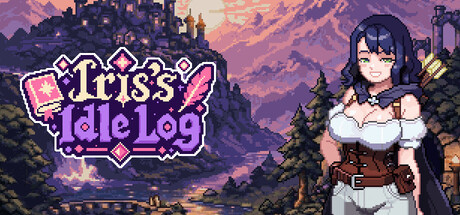
Generative AI tools were used to assist in the creation of some 2D visual assets and artwork (including character illustrations and background art). All generated assets have been reviewed and refined to fit the game's pixel art style and quality standards.
The English localization of Channel 453 was produced through a combination of human translation and editing.
Some sections of the game, including portions of the demo, were translated by a human translator.
For a limited number of sections in the full game, generative AI tools were used only as a first-pass aid for English localization and language editing. These tools were not used to create the original scenario or characters.
All AI-assisted English text was subsequently reviewed, revised, and polished by humans before being included in the final game.
We are providing this information on Steam in the interest of transparency and to help players make an informed decision about the game.
To avoid any misunderstanding: this refers to a test-stage build. The final release will be provided with fully human-translated localization alongside the finalized store page update.
Generative AI tools were used during development to create some pre-generated 2D concept art and visual assets that appear in the game and its marketing materials. These assets were selected, edited, integrated, and reviewed by the development team. The game does not generate AI content while it is running.
Generative AI was used to assist in creating some UI elements. No AI-generated content was used as-is; all assets were manually reviewed, refined, and polished by our designers before inclusion in the game.
Ricochet Witch includes content created with the assistance of generative AI tools. Every AI-assisted element was directed, selected and edited by the developer, and all of it was reviewed before release.
- 2D artwork (title illustration, game logo, clear end card, scoreboard background, and the application icon, which is a crop of the title illustration): generated with Google Gemini and OpenAI ChatGPT, then selected and edited by the developer.
- Achievement icons: base images generated with OpenAI ChatGPT; the grayscale (locked) versions were made by the developer in Photoshop.
- The player character 3D model: generated with Meshy AI, then adjusted and integrated into the game by the developer.
- English localization text: translated with the assistance of a generative AI tool (Anthropic Claude), then reviewed and adjusted by the developer.
- Store page description text (Simplified Chinese, Korean, Traditional Chinese, Brazilian Portuguese, German and Spanish): translated with the assistance of generative AI tools (OpenAI ChatGPT and Anthropic Claude), then reviewed and adjusted by the developer.
- Store page images: these use the AI-assisted artwork described above.
No content is generated by AI while the game is running.
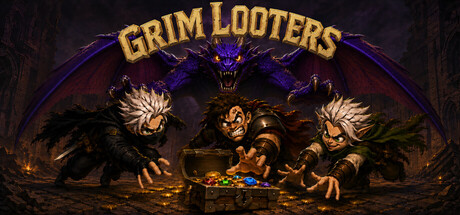
The visual assets in Grim Looters — character, monster, item and card artwork, plus the store and marketing images — were created with the assistance of generative AI image tools and then curated, edited, and assembled by the developer. Some background music was AI-assisted. All AI-generated content is reviewed by the developer to ensure it is appropriate and cleared for use. No AI content is generated live during gameplay.
Generative AI tools were used to create visual concepts and initial drafts for most of the game's artwork. These drafts were used as references and starting points for the final pixel art assets, which were manually created, reviewed, edited, and refined by the developer before being included in the game or its marketing materials.
Generative AI tools were also used to assist with localization and the creation of some in-game names and text. All AI-assisted text was manually reviewed and edited by the developer before being included in the game.
The game does not use generative AI to create content during gameplay.
During development, generative AI was used to create or edit selected 2D character and environment art, UI elements and icons, VFX and animation assets, English and Simplified Chinese character voices, and store marketing artwork. It was also used in the production of the opening cinematic and its audio. All generated content was reviewed and edited, composited, or post-processed by the development team as appropriate. The game does not use generative AI at runtime and does not generate content in response to player input.
AI was used to generate some temporary artwork for the store page and in-game placeholder character sprites, as well as to assist with translation during localization. Temporary AI-generated assets will be replaced with final artwork during development. All content is reviewed by the development team.
Generative AI tools were used during development to assist with programming and to create or refine portions of the game’s artwork, visual assets, sound effects, and other audio. All AI-assisted content was selected, edited, integrated, and reviewed by the developer. The game does not generate AI content or connect to external AI services during gameplay.
This game uses generative AI in a limited way. Some in-game and store-page text was drafted, edited, or partially translated with the help of an AI model, then reviewed, adapted, and finalized by the developer. None of the game's art, sprites, animation, music or sound is AI-generated.
This game used generative artificial intelligence to assist in creating certain content, including: concept designs for the opening comic and concept art for some UI elements. All AI-assisted content has been reviewed, edited, and remade manually. The game does not generate real-time AI content during runtime.
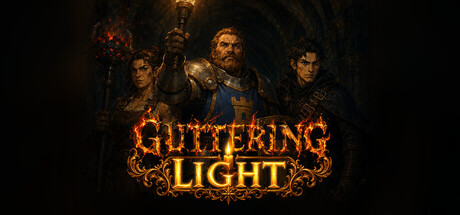
Guttering Light's content was created using generative AI tools, with every piece prompted, curated, and integrated by the game's solo developer. All AI-generated content is pre-generated: it was reviewed and hand-finished during development, and nothing is generated while you play.
Generative AI tools were used as part of the development workflow for selected visual and audio asset refinement and production. All final content is reviewed and edited by the developer. No generative AI is used during gameplay.
Some of the capsule artwork on this store page was created with the help of AI tools. No AI-generated content is used in the game's in-game art, code, audio or text.
This game uses generative AI as an assistive tool for creating some artwork and store assets. All AI-assisted content has been reviewed, edited, and approved by the developer before inclusion. The game does not generate AI content during gameplay.
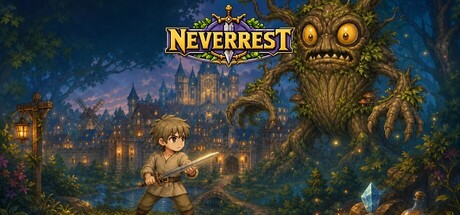
Neverrest uses generative AI tools during development to assist with the creation of some pre-rendered 2D artwork and visual assets. All AI-assisted content is reviewed, edited, and integrated by the developer. The game does not generate AI content during gameplay.
During development, OpenAI image generation tools were used to create portions of the game's 2D artwork, including characters, monsters, backgrounds, UI elements, and icons. Suno was used to create portions of the background music, and ElevenLabs was used to create portions of the sound effects. Generative AI was also used as a drafting and editing aid for some in-game writing and localization.
All generated material was selected, edited, processed, and reviewed by the developer before inclusion in the game. The game does not connect to generative AI services at runtime and does not generate content from player input.
During development, AI was used to refine some fixed ASCII pixel-art data and portions of the code-defined sound data embedded in the game's C# source. Deterministic rendering and synthesis functions convert this fixed data into sprites and audio at runtime. Some Steam store images use renders of the same sprites.
No generative AI is used while the game is running. The game does not contact an AI service, generate AI content during play, or send player input to an AI service.
Some of the game's 2D artwork - was created using generative AI tools, then manually curated and edited by the developer. Text
localization into non-English languages is AI-assisted and reviewed by
the developer. A planned voice for one character will use AI speech
generation. All game design, level design, code, gameplay systems, and
the English text are human-made.
Generative AI tools were used during development to assist in the creation of some 3D assets. All AI-assisted content was reviewed, edited, and integrated by the developer before being included in the game.
Generative AI tools were used during development for visual assets, 3D models, audio, and localization. Final assets were selected and integrated by the developer. Generative AI was also used to assist with translations. No AI content is generated during gameplay.
Pre-generated only. Nothing is generated live while the game runs, and the game makes no network calls of any kind.
2D card illustrations were produced with an AI image tool from hand-written art-direction prompts, then cropped, recoloured and composited by hand into the game's painted card frames. A small number of 3D prop meshes were produced with an image-to-3D model (Microsoft TRELLIS, MIT licensed) and edited before use; most world geometry is built procedurally in code rather than generated. Ambient beds and music were produced with an AI music tool against a fixed written spec (key of D, 72 BPM, fades in from silence, no climax) and are mixed and crossfaded by the game's own audio code.
All code, game design, UI layout, in-game text and store text are human-authored. Some combat sound effects are CC0 samples from Freesound.
No player data is sent to any AI service.
Some promotional materials for this game — including portions of the trailer and key art — were created with the assistance of generative AI tools. All such content is pre-generated, reviewed, and edited by the developer before publication. The game itself does not generate any content with AI at runtime.
I've been developing this game solo for three years now. Honestly, some of the models I made myself were just too ugly, and I was getting completely burned out. So, I had to use AI for just a couple of the models just to get it done.
Generative AI tools were used during development to assist in the creation of some visual assets. All AI-assisted content is pre-generated and included as part of the game. The game does not generate AI content during gameplay.
Some visual assets and background music included in this game were created using generative AI tools and have been reviewed, edited, and integrated by the developer.
Various visual assets and promotional materials for Get Outta My Gut were created with the assistance of generative AI tools.
All AI-generated content was reviewed, refined, and integrated by the developer to ensure consistency with the game's artistic direction and quality standards.
Generative AI tools, including Claude and Codex, were used during development to assist with programming, game logic, written content, and other development tasks. All AI-assisted output was reviewed, edited, and integrated by the developer before inclusion in the final product. The game does not generate AI content during gameplay and does not connect to external generative AI services at runtime.
Generative AI tools were used during development to create base 3D assets and some store images. The menu artwork, along with all design, direction, scene construction, lighting, and writing, is my own. Dusky's Nook does not generate any content while you play and never connects to external AI services.
Generative AI tools were used during development to assist with the creation and refinement of certain visual assets, including some user interface graphics, promotional artwork, and other supporting art elements. All AI-assisted content was reviewed, edited, and selected by the developer before being included in the game. Generative AI is not used to create content during gameplay.
Generative AI tools were used to assist in the creation of some 2D visual assets and artwork (including character illustrations and background art). All generated assets have been reviewed and refined to fit the game's pixel art style and quality standards.
The English localization of Channel 453 was produced through a combination of human translation and editing.
Some sections of the game, including portions of the demo, were translated by a human translator.
For a limited number of sections in the full game, generative AI tools were used only as a first-pass aid for English localization and language editing. These tools were not used to create the original scenario or characters.
All AI-assisted English text was subsequently reviewed, revised, and polished by humans before being included in the final game.
We are providing this information on Steam in the interest of transparency and to help players make an informed decision about the game.
To avoid any misunderstanding: this refers to a test-stage build. The final release will be provided with fully human-translated localization alongside the finalized store page update.
Generative AI tools were used during development to create some pre-generated 2D concept art and visual assets that appear in the game and its marketing materials. These assets were selected, edited, integrated, and reviewed by the development team. The game does not generate AI content while it is running.
Generative AI was used to assist in creating some UI elements. No AI-generated content was used as-is; all assets were manually reviewed, refined, and polished by our designers before inclusion in the game.
Ricochet Witch includes content created with the assistance of generative AI tools. Every AI-assisted element was directed, selected and edited by the developer, and all of it was reviewed before release.
- 2D artwork (title illustration, game logo, clear end card, scoreboard background, and the application icon, which is a crop of the title illustration): generated with Google Gemini and OpenAI ChatGPT, then selected and edited by the developer.
- Achievement icons: base images generated with OpenAI ChatGPT; the grayscale (locked) versions were made by the developer in Photoshop.
- The player character 3D model: generated with Meshy AI, then adjusted and integrated into the game by the developer.
- English localization text: translated with the assistance of a generative AI tool (Anthropic Claude), then reviewed and adjusted by the developer.
- Store page description text (Simplified Chinese, Korean, Traditional Chinese, Brazilian Portuguese, German and Spanish): translated with the assistance of generative AI tools (OpenAI ChatGPT and Anthropic Claude), then reviewed and adjusted by the developer.
- Store page images: these use the AI-assisted artwork described above.
No content is generated by AI while the game is running.
The visual assets in Grim Looters — character, monster, item and card artwork, plus the store and marketing images — were created with the assistance of generative AI image tools and then curated, edited, and assembled by the developer. Some background music was AI-assisted. All AI-generated content is reviewed by the developer to ensure it is appropriate and cleared for use. No AI content is generated live during gameplay.
Generative AI tools were used to create visual concepts and initial drafts for most of the game's artwork. These drafts were used as references and starting points for the final pixel art assets, which were manually created, reviewed, edited, and refined by the developer before being included in the game or its marketing materials.
Generative AI tools were also used to assist with localization and the creation of some in-game names and text. All AI-assisted text was manually reviewed and edited by the developer before being included in the game.
The game does not use generative AI to create content during gameplay.
During development, generative AI was used to create or edit selected 2D character and environment art, UI elements and icons, VFX and animation assets, English and Simplified Chinese character voices, and store marketing artwork. It was also used in the production of the opening cinematic and its audio. All generated content was reviewed and edited, composited, or post-processed by the development team as appropriate. The game does not use generative AI at runtime and does not generate content in response to player input.
AI was used to generate some temporary artwork for the store page and in-game placeholder character sprites, as well as to assist with translation during localization. Temporary AI-generated assets will be replaced with final artwork during development. All content is reviewed by the development team.
Generative AI tools were used during development to assist with programming and to create or refine portions of the game’s artwork, visual assets, sound effects, and other audio. All AI-assisted content was selected, edited, integrated, and reviewed by the developer. The game does not generate AI content or connect to external AI services during gameplay.
This game uses generative AI in a limited way. Some in-game and store-page text was drafted, edited, or partially translated with the help of an AI model, then reviewed, adapted, and finalized by the developer. None of the game's art, sprites, animation, music or sound is AI-generated.
This game used generative artificial intelligence to assist in creating certain content, including: concept designs for the opening comic and concept art for some UI elements. All AI-assisted content has been reviewed, edited, and remade manually. The game does not generate real-time AI content during runtime.
Guttering Light's content was created using generative AI tools, with every piece prompted, curated, and integrated by the game's solo developer. All AI-generated content is pre-generated: it was reviewed and hand-finished during development, and nothing is generated while you play.
Generative AI tools were used as part of the development workflow for selected visual and audio asset refinement and production. All final content is reviewed and edited by the developer. No generative AI is used during gameplay.
Some of the capsule artwork on this store page was created with the help of AI tools. No AI-generated content is used in the game's in-game art, code, audio or text.
This game uses generative AI as an assistive tool for creating some artwork and store assets. All AI-assisted content has been reviewed, edited, and approved by the developer before inclusion. The game does not generate AI content during gameplay.
Neverrest uses generative AI tools during development to assist with the creation of some pre-rendered 2D artwork and visual assets. All AI-assisted content is reviewed, edited, and integrated by the developer. The game does not generate AI content during gameplay.
During development, OpenAI image generation tools were used to create portions of the game's 2D artwork, including characters, monsters, backgrounds, UI elements, and icons. Suno was used to create portions of the background music, and ElevenLabs was used to create portions of the sound effects. Generative AI was also used as a drafting and editing aid for some in-game writing and localization.
All generated material was selected, edited, processed, and reviewed by the developer before inclusion in the game. The game does not connect to generative AI services at runtime and does not generate content from player input.
During development, AI was used to refine some fixed ASCII pixel-art data and portions of the code-defined sound data embedded in the game's C# source. Deterministic rendering and synthesis functions convert this fixed data into sprites and audio at runtime. Some Steam store images use renders of the same sprites.
No generative AI is used while the game is running. The game does not contact an AI service, generate AI content during play, or send player input to an AI service.
Some of the game's 2D artwork - was created using generative AI tools, then manually curated and edited by the developer. Text
localization into non-English languages is AI-assisted and reviewed by
the developer. A planned voice for one character will use AI speech
generation. All game design, level design, code, gameplay systems, and
the English text are human-made.
Generative AI tools were used during development to assist in the creation of some 3D assets. All AI-assisted content was reviewed, edited, and integrated by the developer before being included in the game.
Generative AI tools were used during development for visual assets, 3D models, audio, and localization. Final assets were selected and integrated by the developer. Generative AI was also used to assist with translations. No AI content is generated during gameplay.