Public Steam disclosure research25,383 disclosures tracked
Where do games disclose AI use?
Search developers’ Steam disclosures, compare classified AI use across
games, and follow recorded changes.
This index adds cross-game classifications and statistics to
statements published on individual store pages.
Groups reflect automatic analysis of public disclosures; mature records are excluded. These counts do not measure AI use across all of Steam.
Missing or unclear statements cannot establish whether a game uses AI.
Scope: Pre-generated 2D visual content only. Some visual assets use AI-generated source images created from developer prompts, while other visual assets come from licensed art packs. These assets are selected, composited, cropped, and edited by the developer for use in the game.
No runtime AI: The game does not generate any content during gameplay.
Guardrails: Players cannot generate or upload content in-game. AI-generated images are manually reviewed before use, and license records are kept for third-party art packs used in development.
In order to better reflect the identity of our game and obtain easier outputs, we use artificial intelligence to produce content such as capsule images, small logos, and simple text found on our game's store page.
In the demo version, to support development, we use AI-assisted tools to create PLACEHOLDER CONTENT ONLY. These assets are temporary and will NOT appear in the final version of the game.
Some graphical assets are generated using AI as templates. These are then proccesses manually in a custom made animation software or edited in image editing software.
Some of the art assets in this game were produced with the assistance of AI. The content has been rigorously screened and produced by the developers.
This game contains content created with the assistance of generative AI during development.
Generative AI tools were used to help create and iterate on parts of the game code, artwork, images, and multilingual translations. All AI-assisted content was reviewed, edited, selected, and integrated by the developer.
The game does not use generative AI to create content during gameplay.
English and Italian localization have been handled internally by our team. All other currently available languages, such as Simplified Chinese, Spanish, Brazilian Portuguese, German, Japanese, Russian, and French, are temporarily supported through AI-assisted translation.
These translations are placeholder versions and will be gradually replaced with finalized localizations leading up to the 1.0 release of the game.
No AI-generated content has been used for any other aspect of development, including coding, art, music, or 3D modeling.
This game uses generative artificial intelligence to create some of its visual content, particularly the images shown in cutscenes. These AI-generated visuals help bring the story to life and allow for faster iteration and creative exploration.
The cutscene images will be updated regularly as the technology improves and as the game's story evolves. This means you may notice changes in visual quality and storytelling over time, as we continue to refine and enhance the experience.
Several music tracks used AI tools during production. When possible I used historical paintings for reference in drawing pixel art for cards, but some card art used generated art for inspiration instead.
Generative AI is initially used in the localization, but later replaced with human-translated text in the main release version. Additional languages only available in the optional "testing" beta branch contains AI-translated text that is not yet replaced.
Some voice acting, music, and graphics(SVG) and game capsules/main menu art were created using AI generation tools All content was reviewed and curated by the developer.
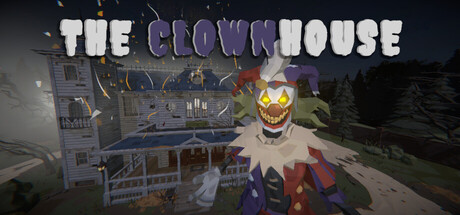
Some scripts, documentation, and marketing texts in The Clownhouse were created with the assistance of AI-based tools. All AI-generated content has been reviewed, edited, and approved by the development team to ensure quality and consistency with the game's vision.
No AI-generated art, sound, music, or voice acting is used in this game. All visual assets, audio, and core creative content were made by humans.
I need artwork for my first game so that's generated as a place holder for a human artist in the future. Just the artwork is generated, the game is made by me.
As a solo developer, I used generative AI tools to assist in creating many of the game's character sprites, environmental art, and audio assets. This allowed me to focus my limited time on the things I care about most: deep mechanical systems, addictive prestige progression, satisfying combat feel, and making the "numbers go up" fantasy as juicy and rewarding as possible.
Some visual assets were created with the assistance of generative AI tools and further refined and curated by the developer. No live AI generation occurs during gameplay.
This game uses generative AI in parts of the development process. Claude was used for programming assistance, ChatGPT Images for creating and refining some visual assets, and Suno for producing some music.
All AI-assisted content was reviewed, selected, and modified as necessary by the developer before being included in the game.
The game does not generate content or code with AI during gameplay and does not connect to external AI services.
This game uses AI-generated visual content in both the store page and in-game assets. Specifically: store page artwork (header, capsule images, and screenshots backgrounds), in-game character sprites, enemy sprites, background art, visual effects, item icons, and sprite-based animations were created with the assistance of AI image generation tools. All AI-generated content was reviewed, selected, edited, and refined by the development team to fit the game's art style. No AI-generated content is produced during gameplay — all assets are pre-rendered and curated before distribution.
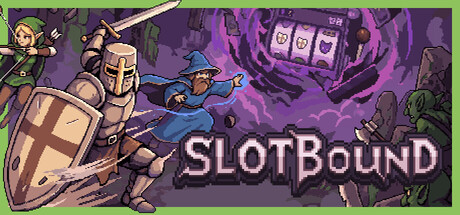
Some visual assets and promotional materials for Slotbound were created with the assistance of generative AI tools.
All AI-generated content was reviewed, refined, and integrated by the developer to ensure consistency with the game's artistic direction and quality standards.
AI-assisted tools were used during development to help create certain store assets and to assist with portions of the program’s source code.
The shipped game does not generate AI content during gameplay and does not connect to external AI services.
Visual effects and imagery in the game are generated deterministically by the program’s code using mathematical and procedural rendering techniques (ASCII graphics and SDL-based visual effects). These systems do not use generative AI.
I used generative AI tools to assist in the creation of some environmental textures and background concept art. These assets were then manually edited and refined by our team to fit the game's final art style
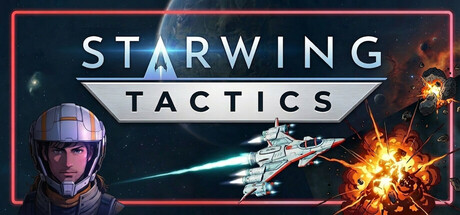
A limited number of visual assets (such as certain icons and ship concepts) were created using AI-assisted tools and refined by the developer. All gameplay systems, core content, and procedural planet simulations are original.
This game uses generative AI (Large Language Models) as its core engine. Every NPC independently makes decisions, engages in dialogue, forms relationships, and creates emergent stories powered by LLM. AI generates text narratives including NPC thoughts, actions, dialogue, combat scenes, and story events in real time during gameplay. Players must provide their own API key to connect to an LLM service of their choice. No AI content is pre-generated or stored by the developer.
This game uses pre-rendered assets and sound effects created with the assistance of generative AI tools. These tools were used during the development process to create static image sprites and audio files that are included in the final game build. No content is generated live during gameplay, and no external AI services are accessed by the game client.
Some parts of development used AI-assisted workflows, including asset creation, image processing/background removal, voice work, and localization of in-game text into multiple languages.
Scope: Pre-generated 2D visual content only. Some visual assets use AI-generated source images created from developer prompts, while other visual assets come from licensed art packs. These assets are selected, composited, cropped, and edited by the developer for use in the game.
No runtime AI: The game does not generate any content during gameplay.
Guardrails: Players cannot generate or upload content in-game. AI-generated images are manually reviewed before use, and license records are kept for third-party art packs used in development.
In order to better reflect the identity of our game and obtain easier outputs, we use artificial intelligence to produce content such as capsule images, small logos, and simple text found on our game's store page.
In the demo version, to support development, we use AI-assisted tools to create PLACEHOLDER CONTENT ONLY. These assets are temporary and will NOT appear in the final version of the game.
Some graphical assets are generated using AI as templates. These are then proccesses manually in a custom made animation software or edited in image editing software.
Some of the art assets in this game were produced with the assistance of AI. The content has been rigorously screened and produced by the developers.
This game contains content created with the assistance of generative AI during development.
Generative AI tools were used to help create and iterate on parts of the game code, artwork, images, and multilingual translations. All AI-assisted content was reviewed, edited, selected, and integrated by the developer.
The game does not use generative AI to create content during gameplay.
English and Italian localization have been handled internally by our team. All other currently available languages, such as Simplified Chinese, Spanish, Brazilian Portuguese, German, Japanese, Russian, and French, are temporarily supported through AI-assisted translation.
These translations are placeholder versions and will be gradually replaced with finalized localizations leading up to the 1.0 release of the game.
No AI-generated content has been used for any other aspect of development, including coding, art, music, or 3D modeling.
This game uses generative artificial intelligence to create some of its visual content, particularly the images shown in cutscenes. These AI-generated visuals help bring the story to life and allow for faster iteration and creative exploration.
The cutscene images will be updated regularly as the technology improves and as the game's story evolves. This means you may notice changes in visual quality and storytelling over time, as we continue to refine and enhance the experience.
Several music tracks used AI tools during production. When possible I used historical paintings for reference in drawing pixel art for cards, but some card art used generated art for inspiration instead.
Generative AI is initially used in the localization, but later replaced with human-translated text in the main release version. Additional languages only available in the optional "testing" beta branch contains AI-translated text that is not yet replaced.
Some voice acting, music, and graphics(SVG) and game capsules/main menu art were created using AI generation tools All content was reviewed and curated by the developer.
Some scripts, documentation, and marketing texts in The Clownhouse were created with the assistance of AI-based tools. All AI-generated content has been reviewed, edited, and approved by the development team to ensure quality and consistency with the game's vision.
No AI-generated art, sound, music, or voice acting is used in this game. All visual assets, audio, and core creative content were made by humans.
I need artwork for my first game so that's generated as a place holder for a human artist in the future. Just the artwork is generated, the game is made by me.
As a solo developer, I used generative AI tools to assist in creating many of the game's character sprites, environmental art, and audio assets. This allowed me to focus my limited time on the things I care about most: deep mechanical systems, addictive prestige progression, satisfying combat feel, and making the "numbers go up" fantasy as juicy and rewarding as possible.
Some visual assets were created with the assistance of generative AI tools and further refined and curated by the developer. No live AI generation occurs during gameplay.
This game uses generative AI in parts of the development process. Claude was used for programming assistance, ChatGPT Images for creating and refining some visual assets, and Suno for producing some music.
All AI-assisted content was reviewed, selected, and modified as necessary by the developer before being included in the game.
The game does not generate content or code with AI during gameplay and does not connect to external AI services.
This game uses AI-generated visual content in both the store page and in-game assets. Specifically: store page artwork (header, capsule images, and screenshots backgrounds), in-game character sprites, enemy sprites, background art, visual effects, item icons, and sprite-based animations were created with the assistance of AI image generation tools. All AI-generated content was reviewed, selected, edited, and refined by the development team to fit the game's art style. No AI-generated content is produced during gameplay — all assets are pre-rendered and curated before distribution.
Some visual assets and promotional materials for Slotbound were created with the assistance of generative AI tools.
All AI-generated content was reviewed, refined, and integrated by the developer to ensure consistency with the game's artistic direction and quality standards.
AI-assisted tools were used during development to help create certain store assets and to assist with portions of the program’s source code.
The shipped game does not generate AI content during gameplay and does not connect to external AI services.
Visual effects and imagery in the game are generated deterministically by the program’s code using mathematical and procedural rendering techniques (ASCII graphics and SDL-based visual effects). These systems do not use generative AI.
I used generative AI tools to assist in the creation of some environmental textures and background concept art. These assets were then manually edited and refined by our team to fit the game's final art style
A limited number of visual assets (such as certain icons and ship concepts) were created using AI-assisted tools and refined by the developer. All gameplay systems, core content, and procedural planet simulations are original.
This game uses generative AI (Large Language Models) as its core engine. Every NPC independently makes decisions, engages in dialogue, forms relationships, and creates emergent stories powered by LLM. AI generates text narratives including NPC thoughts, actions, dialogue, combat scenes, and story events in real time during gameplay. Players must provide their own API key to connect to an LLM service of their choice. No AI content is pre-generated or stored by the developer.
This game uses pre-rendered assets and sound effects created with the assistance of generative AI tools. These tools were used during the development process to create static image sprites and audio files that are included in the final game build. No content is generated live during gameplay, and no external AI services are accessed by the game client.
Some parts of development used AI-assisted workflows, including asset creation, image processing/background removal, voice work, and localization of in-game text into multiple languages.