








Disclosure
Some visual assets (e.g. boss portraits) were created with the assistance of generative AI tools, then refined and finalized by the developer.
- Creator
- Byoungyoung Gu
- Reviews
- -
- Added
- Jul 30, 2026
Public Steam disclosure research 25,394 disclosures tracked
Search developers’ Steam disclosures, compare classified AI use across games, and follow recorded changes. This index adds cross-game classifications and statistics to statements published on individual store pages.
Code help, debugging and other development work.
Capsule art, trailers and promotional material.
Pre-made art, audio, writing and other game assets.
Interactive or runtime AI features disclosed by the developer.
Groups reflect automatic analysis of public disclosures; mature records are excluded. These counts do not measure AI use across all of Steam. Missing or unclear statements cannot establish whether a game uses AI.
Some visual assets (e.g. boss portraits) were created with the assistance of generative AI tools, then refined and finalized by the developer.
Shadow Slayer is built almost entirely in code. The character and enemy art is drawn procedurally as vector graphics, and the sound effects and adaptive music layers are synthesized in real time in the browser - none of that is AI-generated. Generative AI tools were used to help create some of the content that ships with the game: - Music: several of the recorded background-music tracks were produced with the help of generative AI music tools. - Localization: the non-English translations were produced with AI-assisted translation and reviewed by the developer. - Store page & marketing images: some capsule/promotional artwork was created with generative AI image tools. All AI-assisted content was selected, edited, and integrated by a human developer. No AI content is generated live while you play - everything ships pre-made and reviewed.
Pre-rendered content used to fill in game for testing and early access as development and artistic design are completed for full release in 2027
This game used generative AI in its art.
Some of this game's assets were created with the assistance of generative AI tools during development, and were curated and edited by the developer.
The background music in this game was created using generative AI tools. All other content — artwork, code, gameplay systems, and design — is made by humans.
The game's music was generated using artificial intelligence.
card picture and enemies
Generative AI was used during game development to create images and musical accompaniment.
Currently using some AI art assets, however the goal is to replace all or the vast majority of these before release.
LLMs were used to help create this game. The characters are human drawn.
Generative AI is used to post-process capsule and marketing artwork on this game's Steam page; the underlying compositions and creative direction are the developer's own.
The visual and audio assets in Lv Down RPG were created with the assistance of generative AI tools during development. All assets were selected, reviewed, edited, and integrated by the developer. Game design, programming, systems, and balancing were created by the developer. No AI content is generated during gameplay.
Generative AI tools were used to assist in creating some pre-generated 2D visual assets and promotional artwork. All generated material was selected, edited, composited, and integrated by the developer. The game does not generate AI content during gameplay and does not send player data to generative AI services.
AI tools (coding assistants) were used to help write portions of the game's source code during development. All art, music, and game content shipped in the product are hand-authored or procedurally generated by our own code; no generative AI is used to produce any assets, and no AI generates content at runtime. Basically, I write software for a living but I was not a video game dev, so I used some coding assistants to help me out with areas I was less familiar.
Generative AI tools were used during development to create and refine portions of the game’s pre-generated visual artwork, including character and enemy art, environments, UI elements, icons, effects, and cutscene imagery. Generative AI was also used for sound effects and as an assistant during programming and development. All generated material was reviewed, edited, and integrated by the developer.
Some item names and interface translations into languages other than English were created with AI assistance, then carefully reviewed and edited by the developer. Parts of the 2D artwork were created with image generation tools, then carefully curated, edited, and composited by hand. Audio was created by people and comes from CC0-licensed sources with attribution. No AI content is generated during gameplay. The game does not generate AI content at runtime, and no player data is ever sent to any AI service.
Includes AI and handcrafted artwork and audio
Some background images and decorative visual assets were created using generative AI.
AI was used to create images, text, and algorithms used in the game. This game was made by a solo-developer with the help of AI.
Generative AI was used during development to create 22 music tracks with AI music-generation tools licensed for commercial use and to draft portions of the non-English localization and store-page text. All AI-assisted material has been reviewed and finalized by the developer. The game does not generate content or code with AI during play and does not connect to external AI services at runtime.
This game uses generative AI tools (such as PixelLab) during development to create or assist with some pre-rendered pixel art: enemy/character sprites, UI panels, visual effects, and certain store or marketing stills. There is no live generative AI during gameplay. The game does not generate images, text, or audio with AI while you play.
AI is used to assist in generating images and translating text.
Some of this game's visual assets (character art, icons, and UI) were created with the help of generative AI tools and were manually edited and reviewed by the developer.
AI was used to generate code, assets, graphics and sounds.
This game includes some content created with generative AI: the music and sound effects were made using AI audio tools, and the in-game translations for languages other than English and French were produced with AI translation tools. The artwork, game design and gameplay are created by the developer.
Some material images and sound effects are AI-generated.
The developer used generative AI tools during development to help create some art assets (such as character portraits, sprites, and background art) and marketing materials (store capsules and trailers), and to assist with text localization. All AI-assisted content was reviewed and edited by the developer. The game itself does not generate any content in real time and does not connect to AI services during gameplay.
AI-assisted game development
SnapQuest uses live-generated AI as part of its core photo-scanning mechanic. When a player captures or selects a photo, a vision-language model analyzes the image and generates structured card content, including a card name, description, category, and gameplay attributes. The card artwork uses the player's submitted photo rather than an AI-generated replacement image. Generated results vary depending on the submitted photo.
Generative AI was used solely for the creation of a store/community icon associated with this product. No gameplay content, in-game assets, or soundtrack audio were generated using AI.
Generative AI tools were used during development to assist in creating visual concept art, UI background textures, and promotional graphics, as well as providing development assistance for code optimization and localization text. All AI-assisted assets were pre-generated prior to release, curated, and manually edited by the developer. The game does not feature any live or real-time AI content generation during gameplay.
Generative AI was used in the creation of a small number of image assets included in this game.
Ironwake contains pre-generated AI content. Some 2D art assets (character sprites, portraits, item illustrations, backgrounds, and icon sets) were created using AI image-generation tools (PixelLab and MidJourney, plus licensed third-party icon packs produced with Stable Diffusion). Some sound effects, ambient audio, and music tracks were created using AI audio-generation tools (ElevenLabs). All AI-generated assets were reviewed, curated, and edited by the developer. The game does not generate any content with AI at runtime, and no live AI models are accessed by the game.
During development, AI-assisted and AI-generated tools were used for pre-generated player-facing content. Our production workflow combines original human-created assets with AI-assisted or AI-generated content. AI tools were used to assist with text translation/localization, visual asset modification and refinement, and the generation of certain audio assets. Most final assets are the result of a mixed workflow: they may include both original developer-created elements and AI-assisted or AI-generated elements. All final text, visual, and audio assets included in the game have been manually reviewed, edited, selected, and approved by the development team. The game does not include live-generated AI content. It does not generate new text, images, audio, or other player-facing content through AI during gameplay.
During the development of this game, artificial intelligence tools were used strictly for pre-generated content. Specifically, AI was utilized to assist with code refinement, the creation of initial concept art, and the design of certain user interface (UI) elements. All AI-assisted assets and code were thoroughly reviewed, modified, and integrated manually to ensure they meet the game's specific style and technical requirements.
Some character art, icons, and store capsule/key-art images in this game were created with the help of generative AI tools (Google Gemini). All AI-generated assets were reviewed, curated, and edited by the developer, and do not misuse third-party copyrighted works. No AI content is generated live for players at runtime — all assets are pre-generated and fixed.
Selected promotional artwork on the Steam store page was created with assistance from generative AI tools. This artwork was manually reviewed and edited by the developer. The application itself does not contain any AI-generated code or visual assets, does not generate AI content during use, and does not connect to external AI services.
Some of the art and audio in The Ancient Caverns was created with the help of generative AI tools — including character and creature animations, item, weapon and environment art, and the musical soundtrack. All AI-assisted assets were reviewed, edited and integrated by the developer. The game does not generate any content with AI while you play; everything is fixed and created ahead of time.
Generative AI is used in this game for both asset creation (such as UI elements and character visuals) and as a tool to assist in the development process (such as code organization). Every piece of content generated by AI is carefully reviewed and refined by the development team to ensure it meets our quality standards.
Some fixed music tracks and selected pre-rendered promotional and manual artwork were created with generative AI tools. No AI content is generated during gameplay.
Many scene illustrations were generated with AI image tools, then selected, edited, and integrated by hand. Every image in the game was individually reviewed and curated by the developer.
Generative AI tools were used during the development process to assist in creating and refining some visual assets. All AI-assisted content was reviewed, edited, and curated by the developer before being included in the game or its promotional materials.
Games localization is created by assistance of AI
This game was built with the help of AI, for audio, images, text translation, and to some extent the code itself.
Generative AI was used in the game's art production for image creation and image enhancement. Generative AI was used to translate the game's localized content.
Some of this game's artwork — including key art, the main-menu background, and store/marketing images — was created with the help of generative AI (Midjourney) and then curated and edited by the developer. Everything else, including gameplay, code, sound, and the in-game pixel art, is human-made or from licensed asset packs. No AI-generated content is produced live while you play. Some in-game text translations were produced with AI assistance and reviewed for accuracy.
Al were used to assist with translating text into multiple languages.
Some of the artwork in Arcanum Collegium — including character portraits and illustrations — was created with the help of generative AI tools. All AI-assisted art was reviewed, edited, and curated by the developer to match the game's overall visual style. No AI-generated content is created live during gameplay; everything you see was finalized before release.
This game utilizes AI-assisted generation for certain art assets and the core code framework. Every element has undergone thorough manual review, fine-tuning, and integration by our developers, guaranteeing that the final output aligns with the game's intended aesthetic and quality standards.No live‑generated AI content appears during gameplay
| Title⇅ | Disclosure | Creator⇅ | Src | Reviews⇅ | Added↓ |
|---|---|---|---|---|---|
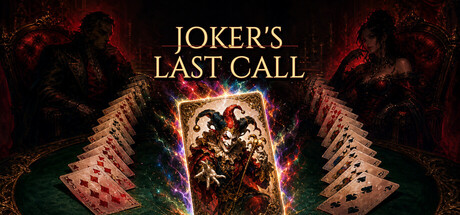 Joker's Last Call In-game content art | Some visual assets (e.g. boss portraits) were created with the assistance of generative AI tools, then refined and finalized by the developer. | Byoungyoung Gu | - | Jul 30, 2026 | |
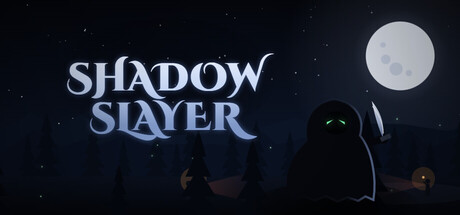 Shadow Slayer | Shadow Slayer is built almost entirely in code. The character and enemy art is
drawn procedurally as vector graphics, and the sound effects and adaptive music
layers are synthesized in real time in the browser - none of that is AI-generated.
Generative AI tools were used to help create some of the content that ships with
the game:
- Music: several of the recorded background-music tracks were produced with the
help of generative AI music tools.
- Localization: the non-English translations were produced with AI-assisted
translation and reviewed by the developer.
- Store page & marketing images: some capsule/promotional artwork was created
with generative AI image tools.
All AI-assisted content was selected, edited, and integrated by a human
developer. No AI content is generated live while you play - everything ships
pre-made and reviewed. | Solvaris | - | Jul 30, 2026 | |
 xvorogue Dev only | Pre-rendered content used to fill in game for testing and early access as development and artistic design are completed for full release in 2027 | aerbuf | - | Jul 30, 2026 | |
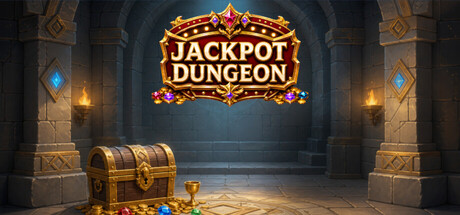 잭팟 던전 In-game content art | This game used generative AI in its art. | Bluesky Games | - | Jul 30, 2026 | |
 修仙·卦象录 In-game content art | Some of this game's assets were created with the assistance of generative AI tools during development, and were curated and edited by the developer. | Bixie Games | - | Jul 30, 2026 | |
 Bounce Intelligence In-game content audio | The background music in this game was created using generative AI tools. All other content — artwork, code, gameplay systems, and design — is made by humans. | tobinekodou | - | Jul 30, 2026 | |
 VERAKORIA In-game content audio | The game's music was generated using artificial intelligence. | Leakage Games | - | Jul 30, 2026 | |
 Four-Dimensional Unclear art | card picture and enemies | MirrorWater | - | Jul 30, 2026 | |
 Topdeck Duel In-game content artaudio | Generative AI was used during game development to create images and musical accompaniment. | One Ink Studio | - | Jul 30, 2026 | |
 Perry's Pizzeria In-game content art | Currently using some AI art assets, however the goal is to replace all or the vast majority of these before release. | Stuffed Crust Studios | - | Jul 30, 2026 | |
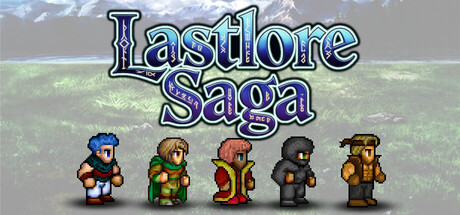 Lastlore Saga Unclear | LLMs were used to help create this game. The characters are human drawn. | 30 Minute Games | 19 | Jul 30, 2026 | |
 Knucklebones Store/marketing art | Generative AI is used to post-process capsule and marketing artwork on this game's Steam page; the underlying compositions and creative direction are the developer's own. | Iron Quill Games Studio | - | Jul 30, 2026 | |
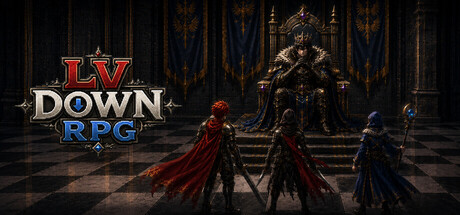 Lv Down RPG In-game content artaudio | The visual and audio assets in Lv Down RPG were created with the assistance of generative AI tools during development. All assets were selected, reviewed, edited, and integrated by the developer. Game design, programming, systems, and balancing were created by the developer. No AI content is generated during gameplay. | FlashForm | - | Jul 29, 2026 | |
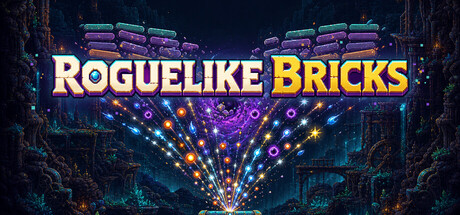 Roguelike Bricks Store/marketing art | Generative AI tools were used to assist in creating some pre-generated 2D visual assets and promotional artwork. All generated material was selected, edited, composited, and integrated by the developer. The game does not generate AI content during gameplay and does not send player data to generative AI services. | Hunmo | - | Jul 29, 2026 | |
 Depths of Providence Dev only code | AI tools (coding assistants) were used to help write portions of the game's source code during development. All art, music, and game content shipped in the product are hand-authored or procedurally generated by our own code; no generative AI is used to produce any assets, and no AI generates content at runtime.
Basically, I write software for a living but I was not a video game dev, so I used some coding assistants to help me out with areas I was less familiar. | Ryan Lutz | - | Jul 29, 2026 | |
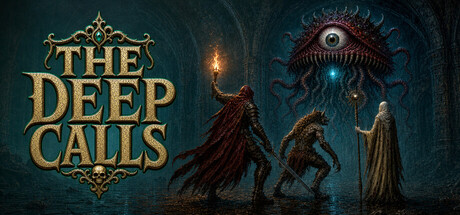 The Deep Calls In-game content artaudiocode | Generative AI tools were used during development to create and refine portions of the game’s pre-generated visual artwork, including character and enemy art, environments, UI elements, icons, effects, and cutscene imagery. Generative AI was also used for sound effects and as an assistant during programming and development. All generated material was reviewed, edited, and integrated by the developer. | RandyPotatoGames | - | Jul 29, 2026 | |
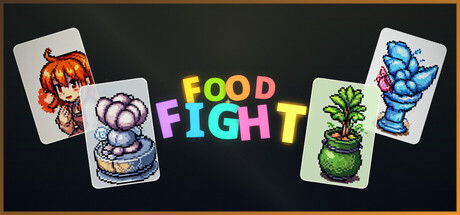 Food Fight In-game content textart | Some item names and interface translations into languages other than English were created
with AI assistance, then carefully reviewed and edited by the developer. Parts of the 2D
artwork were created with image generation tools, then carefully curated, edited, and
composited by hand. Audio was created by people and comes from CC0-licensed sources with
attribution. No AI content is generated during gameplay. The game does not generate AI
content at runtime, and no player data is ever sent to any AI service. | Midnight Pixel | - | Jul 29, 2026 | |
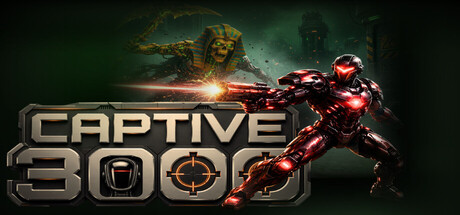 Captive 3000 In-game content artaudio | Includes AI and handcrafted artwork and audio | Twin-FX | - | Jul 29, 2026 | |
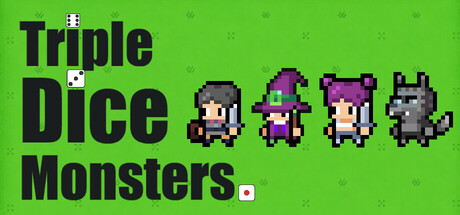 Triple Dice Monsters In-game content art | Some background images and decorative visual assets were created using generative AI. | Hakuto Games | - | Jul 29, 2026 | |
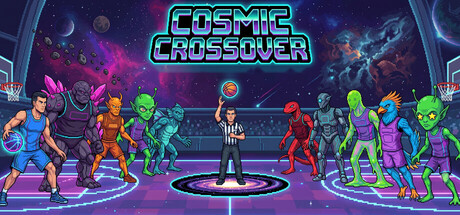 Cosmic Crossover: Roguelike Basketball In-game content arttextcode | AI was used to create images, text, and algorithms used in the game.
This game was made by a solo-developer with the help of AI. | EJ Applications | - | Jul 29, 2026 | |
 MASSFALL In-game content audiotext | Generative AI was used during development to create 22 music tracks with AI music-generation tools licensed for commercial use and to draft portions of the non-English localization and store-page text. All AI-assisted material has been reviewed and finalized by the developer. The game does not generate content or code with AI during play and does not connect to external AI services at runtime. | wagyalab | - | Jul 29, 2026 | |
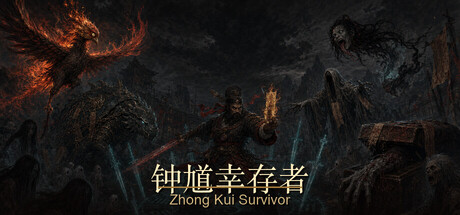 钟馗幸存者 In-game content art | This game uses generative AI tools (such as PixelLab) during development to create or assist with some pre-rendered pixel art: enemy/character sprites, UI panels, visual effects, and certain store or marketing stills.
There is no live generative AI during gameplay. The game does not generate images, text, or audio with AI while you play. | fanyifan | - | Jul 29, 2026 | |
 Rogue Link Loop In-game content arttext | AI is used to assist in generating images and translating text. | 淡耀 | - | Jul 29, 2026 | |
 Dead Broke In-game content art | Some of this game's visual assets (character art, icons, and UI) were created with the help of generative AI tools and were manually edited and reviewed by the developer. | Render Estudio 3D | - | Jul 29, 2026 | |
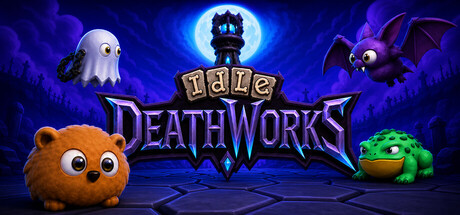 Idle Deathworks In-game content artaudiocode | AI was used to generate code, assets, graphics and sounds. | NiutNiut Games | - | Jul 29, 2026 | |
 11 pm In-game content audiotext | This game includes some content created with generative AI: the music and sound effects were made using AI audio tools, and the in-game translations for languages other than English and French were produced with AI translation tools. The artwork, game design and gameplay are created by the developer. | Marijenburg | - | Jul 29, 2026 | |
 TEST 5 In-game content artaudio | Some material images and sound effects are AI-generated. | wanghaoran | - | Jul 29, 2026 | |
 Corsair Fleet Tides of Plunder In-game content arttext | The developer used generative AI tools during development to help create some art assets (such as character portraits, sprites, and background art) and marketing materials (store capsules and trailers), and to assist with text localization. All AI-assisted content was reviewed and edited by the developer. The game itself does not generate any content in real time and does not connect to AI services during gameplay. | Velron Games | - | Jul 29, 2026 | |
 Protocol: Assimilation Unclear | AI-assisted game development | Lodi Gaming | - | Jul 29, 2026 | |
 照片勇者 Live AI textart | SnapQuest uses live-generated AI as part of its core photo-scanning mechanic. When a player captures or selects a photo, a vision-language model analyzes the image and generates structured card content, including a card name, description, category, and gameplay attributes. The card artwork uses the player's submitted photo rather than an AI-generated replacement image. Generated results vary depending on the submitted photo. | Liminis Studio | - | Jul 29, 2026 | |
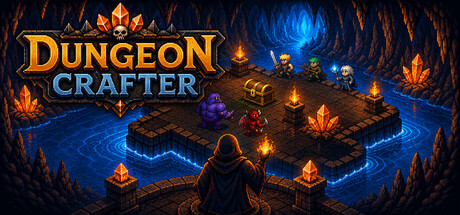 Dungeon Crafter In-game content art | Generative AI was used solely for the creation of a store/community icon associated with this product. No gameplay content, in-game assets, or soundtrack audio were generated using AI. | Fintasys Studio | - | Jul 29, 2026 | |
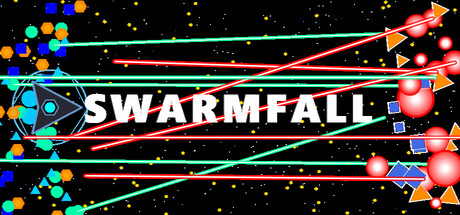 Swarmfall In-game content arttextcode | Generative AI tools were used during development to assist in creating visual concept art, UI background textures, and promotional graphics, as well as providing development assistance for code optimization and localization text. All AI-assisted assets were pre-generated prior to release, curated, and manually edited by the developer. The game does not feature any live or real-time AI content generation during gameplay. | grannyForge | - | Jul 28, 2026 | |
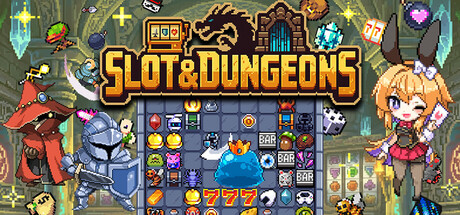 Slot & Dungeons In-game content art | Generative AI was used in the creation of a small number of image assets included in this game. | MUC GAMES | 257 | Jul 28, 2026 | |
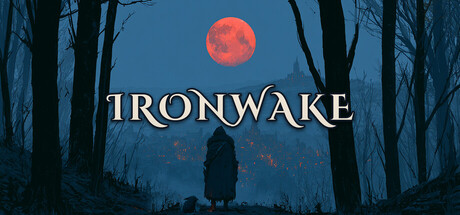 Ironwake In-game content artaudio | Ironwake contains pre-generated AI content. Some 2D art assets (character sprites, portraits, item illustrations,
backgrounds, and icon sets) were created using AI image-generation tools (PixelLab and MidJourney, plus licensed
third-party icon packs produced with Stable Diffusion). Some sound effects, ambient audio, and music tracks were created
using AI audio-generation tools (ElevenLabs). All AI-generated assets were reviewed, curated, and edited by the
developer. The game does not generate any content with AI at runtime, and no live AI models are accessed by the game. | Seahorse Games | - | Jul 27, 2026 | |
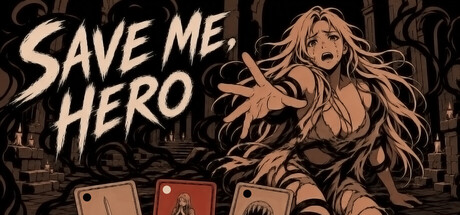 救救我,勇者大人! In-game content artaudiotext | During development, AI-assisted and AI-generated tools were used for pre-generated player-facing content.
Our production workflow combines original human-created assets with AI-assisted or AI-generated content. AI tools were used to assist with text translation/localization, visual asset modification and refinement, and the generation of certain audio assets.
Most final assets are the result of a mixed workflow: they may include both original developer-created elements and AI-assisted or AI-generated elements. All final text, visual, and audio assets included in the game have been manually reviewed, edited, selected, and approved by the development team.
The game does not include live-generated AI content. It does not generate new text, images, audio, or other player-facing content through AI during gameplay. | X-Servivor | - | Jul 27, 2026 | |
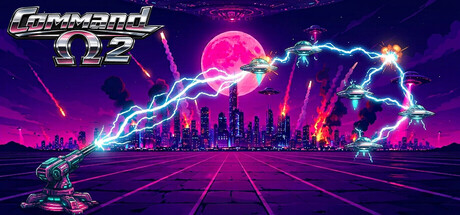 Command-Ω Omega 2 In-game content artcode | During the development of this game, artificial intelligence tools were used strictly for pre-generated content. Specifically, AI was utilized to assist with code refinement, the creation of initial concept art, and the design of certain user interface (UI) elements. All AI-assisted assets and code were thoroughly reviewed, modified, and integrated manually to ensure they meet the game's specific style and technical requirements. | IMPERIAL DYNAMICS | - | Jul 25, 2026 | |
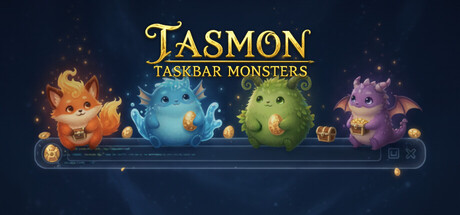 TASMON: Taskbar Monsters art | Some character art, icons, and store capsule/key-art images in this game were
created with the help of generative AI tools (Google Gemini). All AI-generated
assets were reviewed, curated, and edited by the developer, and do not
misuse third-party copyrighted works. No AI content is generated live for
players at runtime — all assets are pre-generated and fixed. | ProjectZeta | 75 | Jul 25, 2026 | |
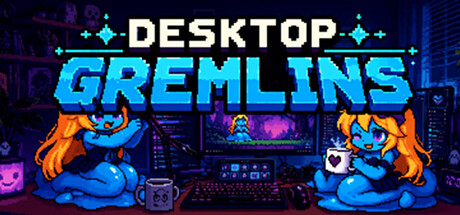 Desktop Gremlins Store/marketing art | Selected promotional artwork on the Steam store page was created with assistance from generative AI tools. This artwork was manually reviewed and edited by the developer. The application itself does not contain any AI-generated code or visual assets, does not generate AI content during use, and does not connect to external AI services. | ShuGhost | - | Jul 25, 2026 | |
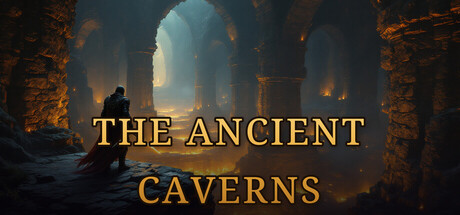 The Ancient Caverns In-game content artaudio | Some of the art and audio in The Ancient Caverns was created with the help of generative AI tools — including character and creature animations, item, weapon and environment art, and the musical soundtrack. All AI-assisted assets were reviewed, edited and integrated by the developer. The game does not generate any content with AI while you play; everything is fixed and created ahead of time. | Meridian Studios | - | Jul 25, 2026 | |
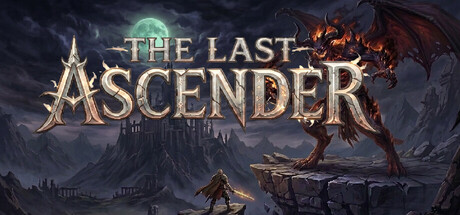 Last Ascender In-game content artcode | Generative AI is used in this game for both asset creation (such as UI elements and character visuals) and as a tool to assist in the development process (such as code organization). Every piece of content generated by AI is carefully reviewed and refined by the development team to ensure it meets our quality standards. | Ideal Creative | - | Jul 25, 2026 | |
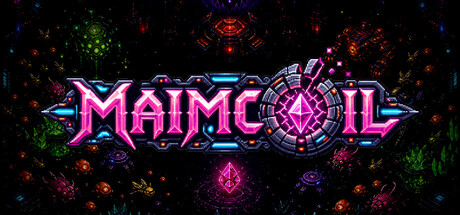 MAIMCOIL In-game content audioart | Some fixed music tracks and selected pre-rendered promotional and manual artwork were created with generative AI tools. No AI content is generated during gameplay. | corewisevideo | - | Jul 25, 2026 | |
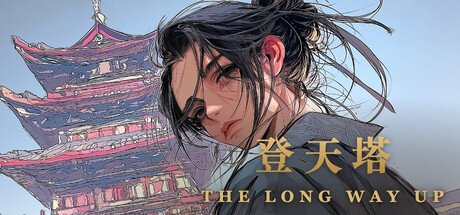 The Long Way Up In-game content art | Many scene illustrations were generated with AI image tools, then selected, edited, and integrated by hand. Every image in the game was individually reviewed and curated by the developer. | Flytel | - | Jul 25, 2026 | |
 Osiedlowy In-game content art | Generative AI tools were used during the development process to assist in creating and refining some visual assets. All AI-assisted content was reviewed, edited, and curated by the developer before being included in the game or its promotional materials. | Koy Games | - | Jul 25, 2026 | |
 Glyphforge In-game content text | Games localization is created by assistance of AI | Salty Games Studio | - | Jul 25, 2026 | |
 Folklore War Game In-game content audioarttextcode | This game was built with the help of AI, for audio, images, text translation, and to some extent the code itself. | Join Digital Land | - | Jul 25, 2026 | |
 Touhou Bansho Cards In-game content arttext | Generative AI was used in the game's art production for image creation and image enhancement.
Generative AI was used to translate the game's localized content. | EskiNott Game Studio | - | Jul 25, 2026 | |
 Just Five More Minutes In-game content arttext | Some of this game's artwork — including key art, the main-menu background, and store/marketing images — was created with the help of generative AI (Midjourney) and then curated and edited by the developer.
Everything else, including gameplay, code, sound, and the in-game pixel art, is human-made or from licensed asset packs. No AI-generated content is produced live while you play.
Some in-game text translations were produced with AI assistance and reviewed for accuracy. | Meridian Studios | - | Jul 25, 2026 | |
 Celestial 9 In-game content text | Al were used to assist with translating text into multiple languages. | TELO | - | Jul 25, 2026 | |
 Arcanum Collegium In-game content art | Some of the artwork in Arcanum Collegium — including character portraits and illustrations — was created with the help of generative AI tools. All AI-assisted art was reviewed, edited, and curated by the developer to match the game's overall visual style. No AI-generated content is created live during gameplay; everything you see was finalized before release. | DonQ Studio | - | Jul 25, 2026 | |
 天宫乱斗 In-game content artcode | This game utilizes AI-assisted generation for certain art assets and the core code framework. Every element has undergone thorough manual review, fine-tuning, and integration by our developers, guaranteeing that the final output aligns with the game's intended aesthetic and quality standards.No live‑generated AI content appears during gameplay | Chromew | - | Jul 25, 2026 |


