Public Steam disclosure research25,893 disclosures tracked
Where do games disclose AI use?
Search developers’ Steam disclosures, compare classified AI use across
games, and follow recorded changes.
This index adds cross-game classifications and statistics to
statements published on individual store pages.
Groups reflect automatic analysis of public disclosures; mature records are excluded. These counts do not measure AI use across all of Steam.
Missing or unclear statements cannot establish whether a game uses AI.
Some content was created with the help of generative AI. In-game: parts of the UI and skybox/background textures. Out-of-game: the game logo and some store/marketing images. The game does not generate AI content during gameplay and does not use third-party AI services while running.
AI tools were used during development to assist a solo developer.
This includes AI-generated voice-overs and the creation of initial base assets for background environments, which were subsequently manually adapted, animated, and refined to fit the game's specific style.
No AI systems are used to generate content, dialogue, or code dynamically during gameplay.
The game’s story, characters, core gameplay, logic, animations, effects, music, and the overall artistic composition were created manually.
"We use generative AI tools to assist in the creation of concept art, marketing capsules, UI mockups, and store page assets. All AI-generated assets are manually reviewed and edited by the developer to ensure they align with the game's artistic vision."
Generative AI was used during development to assist with the creation of some 2D images, audio assets, and the initial translation of text. All AI-generated content was reviewed, edited, and approved by the developer before being included in the game.
I used generative AI tools to create various 2D art assets used in the game, including character concepts, background textures, and UI elements. Additionally, the store page assets, such as the capsule images and library artwork, were generated using AI and then manually edited/refined to fit the game's theme.
Generative AI was used to create a small portion of the visual content in a video segment. This is openly acknowledged in the game as part of the story.
To help with store visuals I used generative AI tools to assist in creating some promotional artwork and banners for the Steam page. All actual game content, gameplay and in-game assets were made without using AI.
Beyond Voice uses generative AI to create the character’s conversation responses in real time. You speak into a microphone, the app transcribes your speech, and the character replies with AI-generated dialogue that is spoken using a synthesized voice, with lip-sync and gestures.
The character also maintains a lightweight relationship and memory system to help conversations carry across sessions. AI output can vary and may be filtered or refused when it violates content rules.
This game uses Spotify's Basic Pitch, a machine learning model for audio-to-MIDI transcription. This technology assists in converting audio files into note data for gameplay purposes and is entirely optional—players can choose whether or not to use this feature. It does not generate music, artwork, or other creative content; all such elements are created by human artists and composers.
Some text content prepared in advance, including descriptions and localized text, may be created, translated, or improved with the assistance of AI-based tools.
– Some textures in the game were initially AI-generated and then significantly refined by hand in a graphics editor.
– Certain 3D assets began as AI-generated concepts but were readjusted or fully reworked in a 3D modeling tool to fit the game’s aesthetic.
– The promotional artwork on this Steam page was AI-assisted and then heavily edited to match the game’s visual identity.
The translations into Simplified Chinese were done using AI, as were some of the store images. The game itself does not include AI-generated content beyond the translations mentioned above.
Our game utilizes generative AI to create and iterate on user interface elements, icons, and environmental character art. All AI-generated content is reviewed and manually refined by the developer to ensure quality and originality. We own the rights to all final assets and ensure they do not infringe on any third-party intellectual property.
All marketing was AI Generated - except the screenshots and demo video.
Most source code was vibe coded, though it's getting too complex for the better models and I've done a lot of personal touch-ups.
How much AI will be used for more than research going forward is up to see.
Voice Acting- AI generated voices used in trailer for few seconds only. Major announcements in the game such as achievements, game saved loaded also uses AI for few seconds only.
We use AI tools as a support system for our small development team to enhance the quality and balance of the game. Specifically:
Balancing & Math: We use AI to help calculate and balance the game ecosystem (drop rates, damage scaling, and economy).
Concepting: AI is used to generate reference images and mood boards to inspire our artists. The final in-game visual assets are hand-crafted or manually refined based on these concepts.
Drafting: AI assists in drafting initial marketing copy and lore structures, which are then finalized by our writers.
Generative AI tools were used to create some pre-rendered visual assets, including promotional artwork and certain in-game images. These assets are created in advance and integrated into the game. No AI-generated content is created dynamically during gameplay, and all game systems, mechanics, and code are created manually.
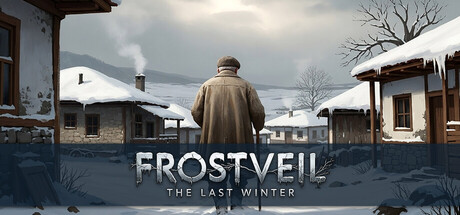
As a two-person independent team with no dedicated art department or budget, we have utilized generative AI to create all visual assets within the game. This includes:
Environment & Backgrounds: All village landscapes, interiors, and atmospheric backdrops depicting 1920s Anatolia.
Character Portraits: All visual representations of the villagers and historical figures.
UI & Icons: The majority of the user interface elements, icons, and parchment-style menus.
Concept Art: All marketing materials and store page assets.
We have carefully curated, edited, and integrated these AI-generated visuals to ensure they align with our specific historical narrative and charcoal-style aesthetic. Our use of this technology was the only way to bring our vision of this National Struggle story to life with the limited resources of a two-man studio.
This product uses AI-generated content in a limited capacity.
AI-generated images were used for locked achievement icons.
AI-generated audio was partially used for character sound elements.
All AI-generated assets were reviewed and integrated by the development team.
This is a game that you can make games in it by describing the tags, we are using AI to achieve such gameplay!
Some chat is also generated using LLM!
Part of the art & promotional assets are generated by AI model.
AI tools were used to assist in the programming and scripting phases of development. The AI acted as a coding companion to help optimize game logic, debug scripts, and implement standard architectural patterns. All AI-generated code has been manually reviewed, tested, and modified by the developer to ensure quality and functionality..Additionally, some static 2D assets (such as UI icons or talent card illustrations) were created using AI generation tools and then manually edited for artistic consistency
This game was developed with the assistance of Generative AI tools which served as a coding co-pilot. The AI was used to assist in writing the simulation logic, database structure, and user interface code during the development phase. All generated code was reviewed, tested, and finalized by the developer. The game does not utilize live Generative AI during gameplay
This game uses live-generated AI to power the dialogue of the suspects. When you type a question, the response is generated in real-time, ensuring that suspects react dynamically to your specific accusations and evidence. An active internet connection is required to play.
This game features music from a variety of genres where the lyrics describe the anatomy of the hand and the biomechanics of posture. These songs were performed with the help of generative AI, and the album art for these songs was also created with the help of generative AI.
Some content was created with the help of generative AI. In-game: parts of the UI and skybox/background textures. Out-of-game: the game logo and some store/marketing images. The game does not generate AI content during gameplay and does not use third-party AI services while running.
AI tools were used during development to assist a solo developer.
This includes AI-generated voice-overs and the creation of initial base assets for background environments, which were subsequently manually adapted, animated, and refined to fit the game's specific style.
No AI systems are used to generate content, dialogue, or code dynamically during gameplay.
The game’s story, characters, core gameplay, logic, animations, effects, music, and the overall artistic composition were created manually.
"We use generative AI tools to assist in the creation of concept art, marketing capsules, UI mockups, and store page assets. All AI-generated assets are manually reviewed and edited by the developer to ensure they align with the game's artistic vision."
Generative AI was used during development to assist with the creation of some 2D images, audio assets, and the initial translation of text. All AI-generated content was reviewed, edited, and approved by the developer before being included in the game.
I used generative AI tools to create various 2D art assets used in the game, including character concepts, background textures, and UI elements. Additionally, the store page assets, such as the capsule images and library artwork, were generated using AI and then manually edited/refined to fit the game's theme.
Generative AI was used to create a small portion of the visual content in a video segment. This is openly acknowledged in the game as part of the story.
To help with store visuals I used generative AI tools to assist in creating some promotional artwork and banners for the Steam page. All actual game content, gameplay and in-game assets were made without using AI.
Beyond Voice uses generative AI to create the character’s conversation responses in real time. You speak into a microphone, the app transcribes your speech, and the character replies with AI-generated dialogue that is spoken using a synthesized voice, with lip-sync and gestures.
The character also maintains a lightweight relationship and memory system to help conversations carry across sessions. AI output can vary and may be filtered or refused when it violates content rules.
This game uses Spotify's Basic Pitch, a machine learning model for audio-to-MIDI transcription. This technology assists in converting audio files into note data for gameplay purposes and is entirely optional—players can choose whether or not to use this feature. It does not generate music, artwork, or other creative content; all such elements are created by human artists and composers.
Some text content prepared in advance, including descriptions and localized text, may be created, translated, or improved with the assistance of AI-based tools.
– Some textures in the game were initially AI-generated and then significantly refined by hand in a graphics editor.
– Certain 3D assets began as AI-generated concepts but were readjusted or fully reworked in a 3D modeling tool to fit the game’s aesthetic.
– The promotional artwork on this Steam page was AI-assisted and then heavily edited to match the game’s visual identity.
The translations into Simplified Chinese were done using AI, as were some of the store images. The game itself does not include AI-generated content beyond the translations mentioned above.
Our game utilizes generative AI to create and iterate on user interface elements, icons, and environmental character art. All AI-generated content is reviewed and manually refined by the developer to ensure quality and originality. We own the rights to all final assets and ensure they do not infringe on any third-party intellectual property.
All marketing was AI Generated - except the screenshots and demo video.
Most source code was vibe coded, though it's getting too complex for the better models and I've done a lot of personal touch-ups.
How much AI will be used for more than research going forward is up to see.
Voice Acting- AI generated voices used in trailer for few seconds only. Major announcements in the game such as achievements, game saved loaded also uses AI for few seconds only.
We use AI tools as a support system for our small development team to enhance the quality and balance of the game. Specifically:
Balancing & Math: We use AI to help calculate and balance the game ecosystem (drop rates, damage scaling, and economy).
Concepting: AI is used to generate reference images and mood boards to inspire our artists. The final in-game visual assets are hand-crafted or manually refined based on these concepts.
Drafting: AI assists in drafting initial marketing copy and lore structures, which are then finalized by our writers.
Generative AI tools were used to create some pre-rendered visual assets, including promotional artwork and certain in-game images. These assets are created in advance and integrated into the game. No AI-generated content is created dynamically during gameplay, and all game systems, mechanics, and code are created manually.
As a two-person independent team with no dedicated art department or budget, we have utilized generative AI to create all visual assets within the game. This includes:
Environment & Backgrounds: All village landscapes, interiors, and atmospheric backdrops depicting 1920s Anatolia.
Character Portraits: All visual representations of the villagers and historical figures.
UI & Icons: The majority of the user interface elements, icons, and parchment-style menus.
Concept Art: All marketing materials and store page assets.
We have carefully curated, edited, and integrated these AI-generated visuals to ensure they align with our specific historical narrative and charcoal-style aesthetic. Our use of this technology was the only way to bring our vision of this National Struggle story to life with the limited resources of a two-man studio.
This product uses AI-generated content in a limited capacity.
AI-generated images were used for locked achievement icons.
AI-generated audio was partially used for character sound elements.
All AI-generated assets were reviewed and integrated by the development team.
This is a game that you can make games in it by describing the tags, we are using AI to achieve such gameplay!
Some chat is also generated using LLM!
Part of the art & promotional assets are generated by AI model.
AI tools were used to assist in the programming and scripting phases of development. The AI acted as a coding companion to help optimize game logic, debug scripts, and implement standard architectural patterns. All AI-generated code has been manually reviewed, tested, and modified by the developer to ensure quality and functionality..Additionally, some static 2D assets (such as UI icons or talent card illustrations) were created using AI generation tools and then manually edited for artistic consistency
This game was developed with the assistance of Generative AI tools which served as a coding co-pilot. The AI was used to assist in writing the simulation logic, database structure, and user interface code during the development phase. All generated code was reviewed, tested, and finalized by the developer. The game does not utilize live Generative AI during gameplay
This game uses live-generated AI to power the dialogue of the suspects. When you type a question, the response is generated in real-time, ensuring that suspects react dynamically to your specific accusations and evidence. An active internet connection is required to play.
This game features music from a variety of genres where the lyrics describe the anatomy of the hand and the biomechanics of posture. These songs were performed with the help of generative AI, and the album art for these songs was also created with the help of generative AI.