Public Steam disclosure research25,394 disclosures tracked
Where do games disclose AI use?
Search developers’ Steam disclosures, compare classified AI use across
games, and follow recorded changes.
This index adds cross-game classifications and statistics to
statements published on individual store pages.
Groups reflect automatic analysis of public disclosures; mature records are excluded. These counts do not measure AI use across all of Steam.
Missing or unclear statements cannot establish whether a game uses AI.
None of the music is AI generated.
The Bard's Kingdom was built by a solo developer using AI as a creative partner. Artwork was generated with AI tools and hand-edited to fit the game's vision. Programming was done collaboratively with AI assistance, guided by over a decade of software development experience. The story, design, and heart of the game are entirely human.
The game does not generate content at runtime using AI.
Generative AI tools were used only during development to assist with the creation of visual assets.
All AI-assisted assets were reviewed, edited, and finalized by the development team to ensure originality and compliance with copyright laws.
Players cannot generate or upload AI-generated content within the game.
This game was developed with AI assistance for programming and code generation. Some marketing graphics and game pictures were created and edited using AI image generation tools. The game itself does not use AI to generate any live content during gameplay. All in-game text, data, and mechanics are pre-written and static.
Upgrade names based on player progress
Short functional descriptions for power-ups
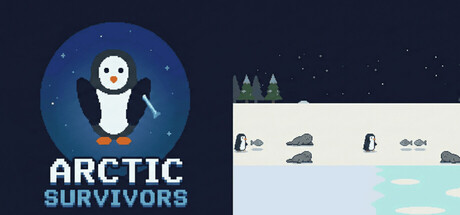
Lore quotes from "Ancient Penguin Spirits"
How it works:
When players level up during gameplay, the AI creates contextual narrative elements based on the player's current level, recent performance, and the type of upgrade being offered. This content is generated in real-time and adapts to the language setting (English or Traditional Chinese).
Player experience:
AI-generated content is limited to optional narrative flavor text only. All core gameplay, mechanics, weapons, enemies, and progression systems are pre-designed by the developer. The AI does not affect game balance, difficulty, or player outcomes.
The translations in this game (excluding English and Polish) were prepared with the assistance of artificial intelligence. Each text has been verified and edited by the developer.
I want to be fully transparent with you. Some of the visual assets in this game were created with the help of generative AI tools. However, AI was used strictly as a tool, not as a replacement for creativity or craftsmanship.
No image generated by AI was used “as is.” Every asset went through heavy manual modification, repainting, redesigning, compositional changes, color correction, detailing, and integration into the game’s visual language.
I spent hundreds of hours in GIMP reworking compositions, adjusting lighting and color palettes, redrawing shapes and much more.
The final result you see in the game is the outcome of extensive manual work and artistic decisions. I'm not an artist at all, and AI simply helped accelerate early-stage iteration. Without this help the game could not exist.
The game’s design, mechanics, balance, progression systems, and overall vision are entirely human-made.
Thank you for supporting indie development.
This game uses AI-assisted tools to create visual assets such as herbs, characters, and backgrounds. All content has been curated, edited, and integrated manually to ensure a consistent and cohesive art style.
This game does not use generative AI during gameplay. Some visual and audio assets were created with the help of AI-assisted tools before development, but all content is fixed, reviewed, and does not generate new material during play.
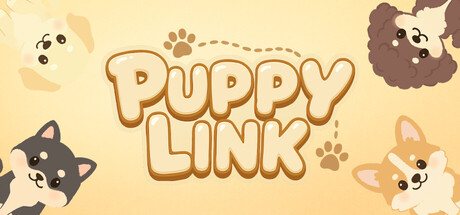
In Level 2, there is a picture-memory task where players must remember one of four images. The dog pictures used for this are AI-generated.
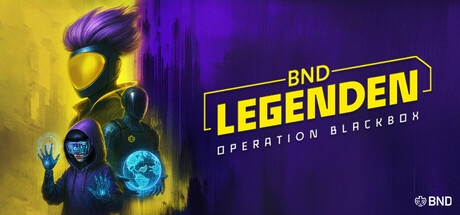
In our assets on the shop page, the globe that Atlas is holding has been edited using AI.
Generative AI was used during the development process as an assistant for writing code scripts and debugging. Additionally, AI tools were utilized to assist with the translation of in-game text for localization purposes. All AI-generated content has been reviewed and edited by the developers.
Some promotional images for Pigmen’s Challenge, including store page artwork and certain non-gameplay visual materials, were created with the assistance of AI tools.
AI is not used during gameplay. The game does not use AI to generate gameplay, logic, systems, dialogue, characters, levels, or any interactive player-facing content in real time.
All AI-assisted materials were reviewed and edited by the developer before being used.
In our game development process, we utilize a commercially licensed AI drawing engine to generate character roles by inputting keywords. The creative process does not reference any third-party materials and strictly complies with local laws and regulations. All AI-generated images produced through this method are exclusively owned by our game developers in terms of copyright.
We use AI tools to support various parts of our development process:
Coding assistance: AI helps streamline parts of the game development by suggesting or optimizing code.
Concept art: We collaborate with our artists to generate AI-assisted concept art, allowing us to iterate faster during early visual development.
Marketing: Occasionally, we use AI tools in combination with our VFX and music teams to create promotional videos.
Voice acting: We use AI-generated sample lines to guide voice actors during recording sessions and provide reference tone and pacing.
AI generated images have been used as reference images. All generated images have been either very heavily modified or fully redrawn by artists before.
We use AI in early conceptual design, to figure out an appropriate background art. We then go through several iterations manually with artist modifications, to produce a good, highly polished background that gels well with our characters, story and intended art style.
Our characters are hand drawn by humans.
Our objects are hand drawn by humans.
All user interface (UI) elements are hand drawn by humans.
All animations are hand drawn and meticulously rigged (also by humans) using bone animation.
We use AI in early conceptual design, to figure out an appropriate background art. We then go through several iterations manually with artist modifications, to produce a good, highly polished background that gels well with our characters, story and intended art style.
Our characters are hand drawn by humans.
Our objects are hand drawn by humans.
All user interface (UI) elements are hand drawn by humans.
All animations are hand drawn and meticulously rigged (also by humans) using bone animation.
AI was used in the development of GNF, but only for small, mundane tasks. All creative work — including design, writing, humour, and gameplay — was fully created by the developer.
None of the music is AI generated.
The Bard's Kingdom was built by a solo developer using AI as a creative partner. Artwork was generated with AI tools and hand-edited to fit the game's vision. Programming was done collaboratively with AI assistance, guided by over a decade of software development experience. The story, design, and heart of the game are entirely human.
The game does not generate content at runtime using AI.
Generative AI tools were used only during development to assist with the creation of visual assets.
All AI-assisted assets were reviewed, edited, and finalized by the development team to ensure originality and compliance with copyright laws.
Players cannot generate or upload AI-generated content within the game.
This game was developed with AI assistance for programming and code generation. Some marketing graphics and game pictures were created and edited using AI image generation tools. The game itself does not use AI to generate any live content during gameplay. All in-game text, data, and mechanics are pre-written and static.
Upgrade names based on player progress
Short functional descriptions for power-ups
Lore quotes from "Ancient Penguin Spirits"
How it works:
When players level up during gameplay, the AI creates contextual narrative elements based on the player's current level, recent performance, and the type of upgrade being offered. This content is generated in real-time and adapts to the language setting (English or Traditional Chinese).
Player experience:
AI-generated content is limited to optional narrative flavor text only. All core gameplay, mechanics, weapons, enemies, and progression systems are pre-designed by the developer. The AI does not affect game balance, difficulty, or player outcomes.
The translations in this game (excluding English and Polish) were prepared with the assistance of artificial intelligence. Each text has been verified and edited by the developer.
I want to be fully transparent with you. Some of the visual assets in this game were created with the help of generative AI tools. However, AI was used strictly as a tool, not as a replacement for creativity or craftsmanship.
No image generated by AI was used “as is.” Every asset went through heavy manual modification, repainting, redesigning, compositional changes, color correction, detailing, and integration into the game’s visual language.
I spent hundreds of hours in GIMP reworking compositions, adjusting lighting and color palettes, redrawing shapes and much more.
The final result you see in the game is the outcome of extensive manual work and artistic decisions. I'm not an artist at all, and AI simply helped accelerate early-stage iteration. Without this help the game could not exist.
The game’s design, mechanics, balance, progression systems, and overall vision are entirely human-made.
Thank you for supporting indie development.
This game uses AI-assisted tools to create visual assets such as herbs, characters, and backgrounds. All content has been curated, edited, and integrated manually to ensure a consistent and cohesive art style.
This game does not use generative AI during gameplay. Some visual and audio assets were created with the help of AI-assisted tools before development, but all content is fixed, reviewed, and does not generate new material during play.
In Level 2, there is a picture-memory task where players must remember one of four images. The dog pictures used for this are AI-generated.
In our assets on the shop page, the globe that Atlas is holding has been edited using AI.
Generative AI was used during the development process as an assistant for writing code scripts and debugging. Additionally, AI tools were utilized to assist with the translation of in-game text for localization purposes. All AI-generated content has been reviewed and edited by the developers.
Some promotional images for Pigmen’s Challenge, including store page artwork and certain non-gameplay visual materials, were created with the assistance of AI tools.
AI is not used during gameplay. The game does not use AI to generate gameplay, logic, systems, dialogue, characters, levels, or any interactive player-facing content in real time.
All AI-assisted materials were reviewed and edited by the developer before being used.
In our game development process, we utilize a commercially licensed AI drawing engine to generate character roles by inputting keywords. The creative process does not reference any third-party materials and strictly complies with local laws and regulations. All AI-generated images produced through this method are exclusively owned by our game developers in terms of copyright.
We use AI tools to support various parts of our development process:
Coding assistance: AI helps streamline parts of the game development by suggesting or optimizing code.
Concept art: We collaborate with our artists to generate AI-assisted concept art, allowing us to iterate faster during early visual development.
Marketing: Occasionally, we use AI tools in combination with our VFX and music teams to create promotional videos.
Voice acting: We use AI-generated sample lines to guide voice actors during recording sessions and provide reference tone and pacing.
AI generated images have been used as reference images. All generated images have been either very heavily modified or fully redrawn by artists before.
We use AI in early conceptual design, to figure out an appropriate background art. We then go through several iterations manually with artist modifications, to produce a good, highly polished background that gels well with our characters, story and intended art style.
Our characters are hand drawn by humans.
Our objects are hand drawn by humans.
All user interface (UI) elements are hand drawn by humans.
All animations are hand drawn and meticulously rigged (also by humans) using bone animation.
We use AI in early conceptual design, to figure out an appropriate background art. We then go through several iterations manually with artist modifications, to produce a good, highly polished background that gels well with our characters, story and intended art style.
Our characters are hand drawn by humans.
Our objects are hand drawn by humans.
All user interface (UI) elements are hand drawn by humans.
All animations are hand drawn and meticulously rigged (also by humans) using bone animation.
AI was used in the development of GNF, but only for small, mundane tasks. All creative work — including design, writing, humour, and gameplay — was fully created by the developer.