Public Steam disclosure research25,394 disclosures tracked
Where do games disclose AI use?
Search developers’ Steam disclosures, compare classified AI use across
games, and follow recorded changes.
This index adds cross-game classifications and statistics to
statements published on individual store pages.
Groups reflect automatic analysis of public disclosures; mature records are excluded. These counts do not measure AI use across all of Steam.
Missing or unclear statements cannot establish whether a game uses AI.
Some of the visuals in this game were created with the help of AI-based tools to speed up the art process and visualize ideas more efficiently.
However, all final designs were edited, refined, and color-corrected by artists to match the game tone and atmosphere.
The goal was never to let AI make the art, but to use it as a creative tool like an extra brush in the process.
This game uses generative AI for coding assistance and translation reference.
All in-game graphics, music, and sound effects are created by human creators and do not contain AI-generated content.
*This excludes placeholder assets used during development (including demos) and third-party assets.
Out of the 996+ files that make up this game, only 5 image files are AI generated. (Title screen, intro screen, game over screen)
This game is made by a solo indie developer with licensed work from independent artists.
Some artwork on the store page is created using generative AI tools.
This game uses generative AI tools to create some non-gameplay assets such as 3D models and UI backgrounds.
No AI is used to generate content or make decisions during gameplay.
This game does not use AI features that players can interact with.
All gameplay systems and content are handcrafted and fully controlled by the developer.
AI tools were only used during development to assist with asset creation and productivity, and are not present or accessible during gameplay.
Rift Investigations uses AI in three core ways: First, every mystery case is procedurally generated by AI,
creating unique investigations with original characters, clues, and solutions—no two cases are ever the same.
Second, you can interrogate NPCs using natural language questions; an AI system generates contextual, believable
responses based on what each character knows and their relationship to the crime. Third, all character portraits
and location backgrounds are AI-generated to visually bring each procedurally-created case to life. The power of AI enables infinite replayability
with genuinely different detective stories each time you play.
This product uses AI-assisted tools during development for selected visual and audio assets and marketing materials. Gameplay does not involve AI-generated content.
About half of the character 3D models were created using AI. AI was used for most of the music, with a few exceptions. For images, AI was used for the icons.
The game uses some AI-generated text to enhance immersion through short form responsive NPC dialogue and procedurally described events. Each character’s dialogue is contextually grounded in their role, knowledge, and surroundings, keeping interactions cohesive and authentic.
Generative AI is NOT used for world narrative writing, lore, game logic, audio, images, or calculating outcomes of any kind.
AI systems ensure every player’s experience feels distinct while remaining true to the game’s established lore and tone.
This feature is experimental, and is not part of the core game.
This game is an experimental pilot project commissioned by World Labs, the creators of Marble AI technology. I used their AI as a tool for producing scenes and landscapes. The creative process always began with my spatial planning and, in many cases, my own hand-drawn sketches. These were translated into a realistic image style using generative AI and ultimately used by Marble AI to create the final scenes under my strict artistic direction.
In the game, players can press the "G" key to open the AI communication panel, and interact with the two AIs—Doubao and DeepSeek—by typing text. Players can choose to chat with either Doubao or DeepSeek, and both AIs will respond based on the player's input.
Meanwhile, the AIs' decisions will influence the progression of the in-game storyline and their own specific behaviors. For instance, the AIs may determine the direction of storyline branches based on the content of the player's conversation, or change their movement paths in the game world and perform different actions. This creates a richer and more personalized gaming experience for players.
This game may include some visual art or background music created with generative AI tools for prototyping purposes. All assets were reviewed, edited, and curated by the developer, and to the best of our knowledge contain no copyrighted or protected third-party material. No user-generated or live AI content is created while the game is running.
Concept arts and drafts for characters, monsters, UI icons are generated by AI, however, they have all gone through manual post-processed. Sound assets are generated by generative-AI models. Marketing materials including Library Assets are also AI-assisted generated. Some parts of localization string is assisted by AI to get proper translation.
The developer utilized AI image generation tools to assist in the creation of specific static visual assets where professional human artist craft was not financially viable for a solo project. These assets include the store capsule art, menu background textures, and narrative event illustrations. All AI generated output was heavily curated, edited, and painfully amended by the developer to ensure consistency with the game's 1970s pulp fantasy aesthetic and pixel-art gameplay. No AI is used to generate content live during gameplay.
This game does not use AI during gameplay.
However, certain promotional images on the store page were partially created or enhanced using AI-based tools.
All characters and key artwork in this work were created entirely by hand by human artists. AI tools were used solely as an auxiliary tool during the coloring of backgrounds and user interface elements, with only public-domain images used as references. All content was completed through lawful production processes and does not infringe any third party’s copyright or related rights.
we use AI across multiple areas of our creative process. This includes generating and enhancing textures, videos, stories, logos, concepts and ideas, music, voice acting, sound effects, and even 3D models. AI tools help us experiment faster, explore new artistic directions, and bring our worlds to life with greater efficiency and creativity.
Umbra Survivors does not use artificial intelligence during runtime.
AI tools were only used as development assistance to help prepare, optimize, or comment on code.
All in-game content (graphics, sounds, text, and code) has been manually reviewed and originates from internal development or properly licensed sources.
Libra Apocrypha combines traditional art creation methods with generative AI practices to create hybrid designs for some 2D artworks featured within the game. Typically this is used to conform existing artworks to an aesthetic style by using AI-based tools to recolour and adjust composition of pre-rendered shots of characters, locations and effects, most notably present in current card designs.
Some assets and promotional materials were created or enhanced using AI tools.
However, all game content is original, owned by the developer, and does not include unlicensed third-party material. The AI tools were used only to assist in creating art, text, and marketing visuals under full creative control.
ForgeRun does not use AI to generate gameplay content, code, or behavior during gameplay.
All in-game systems, visuals, and logic are manually designed and scripted. However, AI tools were used outside of the game for marketing and support materials, such as assisting with text writing, image concepts, and store page descriptions.
AI Disclosure
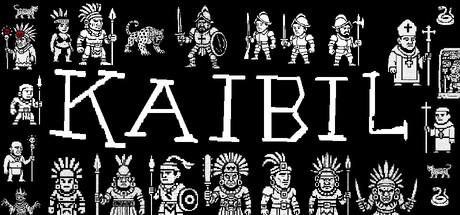
All writing, directing, editing, art direction and production, and all music and sprite work were fully created and/or imagined by Julio Salazar.
KAIBIL includes limited AI-assisted elements: Music by Udio; Video by Hailuo; Sprites: assisted by ChatGPT
Certain visual content within the game was created using generative AI. This includes the static background images and illustrations that appear as part of the main storyline and narrative progression
Select card art, event imagery, and UI elements were developed with the help of AI tools.
No AI is used in the coding, audio, video, or marketing of the game.
All in-game content, interactions, and outcomes are fully created and controlled by the development team, with no AI influencing gameplay. Some development assets, such as concept art, icons, or marketing materials, were generated using AI tools.
Some of the visuals in this game were created with the help of AI-based tools to speed up the art process and visualize ideas more efficiently.
However, all final designs were edited, refined, and color-corrected by artists to match the game tone and atmosphere.
The goal was never to let AI make the art, but to use it as a creative tool like an extra brush in the process.
This game uses generative AI for coding assistance and translation reference.
All in-game graphics, music, and sound effects are created by human creators and do not contain AI-generated content.
*This excludes placeholder assets used during development (including demos) and third-party assets.
Out of the 996+ files that make up this game, only 5 image files are AI generated. (Title screen, intro screen, game over screen)
This game is made by a solo indie developer with licensed work from independent artists.
Some artwork on the store page is created using generative AI tools.
This game uses generative AI tools to create some non-gameplay assets such as 3D models and UI backgrounds.
No AI is used to generate content or make decisions during gameplay.
This game does not use AI features that players can interact with.
All gameplay systems and content are handcrafted and fully controlled by the developer.
AI tools were only used during development to assist with asset creation and productivity, and are not present or accessible during gameplay.
Rift Investigations uses AI in three core ways: First, every mystery case is procedurally generated by AI,
creating unique investigations with original characters, clues, and solutions—no two cases are ever the same.
Second, you can interrogate NPCs using natural language questions; an AI system generates contextual, believable
responses based on what each character knows and their relationship to the crime. Third, all character portraits
and location backgrounds are AI-generated to visually bring each procedurally-created case to life. The power of AI enables infinite replayability
with genuinely different detective stories each time you play.
This product uses AI-assisted tools during development for selected visual and audio assets and marketing materials. Gameplay does not involve AI-generated content.
About half of the character 3D models were created using AI. AI was used for most of the music, with a few exceptions. For images, AI was used for the icons.
The game uses some AI-generated text to enhance immersion through short form responsive NPC dialogue and procedurally described events. Each character’s dialogue is contextually grounded in their role, knowledge, and surroundings, keeping interactions cohesive and authentic.
Generative AI is NOT used for world narrative writing, lore, game logic, audio, images, or calculating outcomes of any kind.
AI systems ensure every player’s experience feels distinct while remaining true to the game’s established lore and tone.
This feature is experimental, and is not part of the core game.
This game is an experimental pilot project commissioned by World Labs, the creators of Marble AI technology. I used their AI as a tool for producing scenes and landscapes. The creative process always began with my spatial planning and, in many cases, my own hand-drawn sketches. These were translated into a realistic image style using generative AI and ultimately used by Marble AI to create the final scenes under my strict artistic direction.
In the game, players can press the "G" key to open the AI communication panel, and interact with the two AIs—Doubao and DeepSeek—by typing text. Players can choose to chat with either Doubao or DeepSeek, and both AIs will respond based on the player's input.
Meanwhile, the AIs' decisions will influence the progression of the in-game storyline and their own specific behaviors. For instance, the AIs may determine the direction of storyline branches based on the content of the player's conversation, or change their movement paths in the game world and perform different actions. This creates a richer and more personalized gaming experience for players.
This game may include some visual art or background music created with generative AI tools for prototyping purposes. All assets were reviewed, edited, and curated by the developer, and to the best of our knowledge contain no copyrighted or protected third-party material. No user-generated or live AI content is created while the game is running.
Concept arts and drafts for characters, monsters, UI icons are generated by AI, however, they have all gone through manual post-processed. Sound assets are generated by generative-AI models. Marketing materials including Library Assets are also AI-assisted generated. Some parts of localization string is assisted by AI to get proper translation.
The developer utilized AI image generation tools to assist in the creation of specific static visual assets where professional human artist craft was not financially viable for a solo project. These assets include the store capsule art, menu background textures, and narrative event illustrations. All AI generated output was heavily curated, edited, and painfully amended by the developer to ensure consistency with the game's 1970s pulp fantasy aesthetic and pixel-art gameplay. No AI is used to generate content live during gameplay.
This game does not use AI during gameplay.
However, certain promotional images on the store page were partially created or enhanced using AI-based tools.
All characters and key artwork in this work were created entirely by hand by human artists. AI tools were used solely as an auxiliary tool during the coloring of backgrounds and user interface elements, with only public-domain images used as references. All content was completed through lawful production processes and does not infringe any third party’s copyright or related rights.
we use AI across multiple areas of our creative process. This includes generating and enhancing textures, videos, stories, logos, concepts and ideas, music, voice acting, sound effects, and even 3D models. AI tools help us experiment faster, explore new artistic directions, and bring our worlds to life with greater efficiency and creativity.
Umbra Survivors does not use artificial intelligence during runtime.
AI tools were only used as development assistance to help prepare, optimize, or comment on code.
All in-game content (graphics, sounds, text, and code) has been manually reviewed and originates from internal development or properly licensed sources.
Libra Apocrypha combines traditional art creation methods with generative AI practices to create hybrid designs for some 2D artworks featured within the game. Typically this is used to conform existing artworks to an aesthetic style by using AI-based tools to recolour and adjust composition of pre-rendered shots of characters, locations and effects, most notably present in current card designs.
Some assets and promotional materials were created or enhanced using AI tools.
However, all game content is original, owned by the developer, and does not include unlicensed third-party material. The AI tools were used only to assist in creating art, text, and marketing visuals under full creative control.
ForgeRun does not use AI to generate gameplay content, code, or behavior during gameplay.
All in-game systems, visuals, and logic are manually designed and scripted. However, AI tools were used outside of the game for marketing and support materials, such as assisting with text writing, image concepts, and store page descriptions.
AI Disclosure
All writing, directing, editing, art direction and production, and all music and sprite work were fully created and/or imagined by Julio Salazar.
KAIBIL includes limited AI-assisted elements: Music by Udio; Video by Hailuo; Sprites: assisted by ChatGPT
Certain visual content within the game was created using generative AI. This includes the static background images and illustrations that appear as part of the main storyline and narrative progression
Select card art, event imagery, and UI elements were developed with the help of AI tools.
No AI is used in the coding, audio, video, or marketing of the game.
All in-game content, interactions, and outcomes are fully created and controlled by the development team, with no AI influencing gameplay. Some development assets, such as concept art, icons, or marketing materials, were generated using AI tools.