Public Steam disclosure research25,394 disclosures tracked
Where do games disclose AI use?
Search developers’ Steam disclosures, compare classified AI use across
games, and follow recorded changes.
This index adds cross-game classifications and statistics to
statements published on individual store pages.
Groups reflect automatic analysis of public disclosures; mature records are excluded. These counts do not measure AI use across all of Steam.
Missing or unclear statements cannot establish whether a game uses AI.
The game uses AI tools to assist in generating background graphics and supporting the artistic process. AI is also used to aid in translation and localization, making the game available in multiple regions and languages.
Generative AI tools were used to assist in the creation of some visual assets, 3D assets, and music used in the game. All AI-assisted content was reviewed, edited, and integrated by the developer before being included in the final game.
Generative AI was used throughout the development process. It was utilized alongside the developer to assist with tasks. Notably: debugging, localization, asset creation, and marketing materials. All AI-generated content was reviewed, edited, and integrated by the developer to ensure both quality and consistency standards were met.
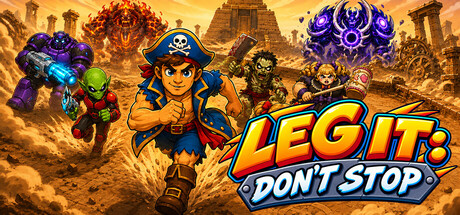
Some visual assets in Leg It: Don't Stop, including character and environment artwork, were created with the assistance of generative AI tools and then selected, edited, and integrated into the game by the developer. The game does not generate AI content during gameplay.
Generative AI tools were used during development to help create visual assets for this game, including character art, environments such as the temple, weapons, and other in-game artwork, as well as store and marketing images (capsule art, logo, and store background). All AI-assisted content was reviewed, edited, and finalized by the developer, who holds the rights to use it. No AI-generated content is created live during gameplay.
Generative AI was used to assist in the creation of some pre-generated visual assets, including character models, props, environmental assets, and textures. All AI-assisted content was reviewed, edited, and integrated into the game by the developer. The game does not generate AI content during gameplay.
Some 3D character and creature models in this game were created with AI-assisted generation tools (Meshy) as a starting point, then hand-finished, rigged, textured, and integrated by the developer in Blender and Unity. Some quest dialogue text was also written with AI assistance and edited by the developer before being included in the game. No content is generated in real time during gameplay — everything players see is fixed at build time and has been reviewed and edited by hand.
AI is used for programming assistance, for generating in-game sound effects and music, and for drafting store page text. All 3D art assets and level design are created by hand in Blender.
The game's art and sound are drawn and synthesised in code at runtime rather than shipped as asset files, and that code was written with AI coding assistance under human direction. No AI runs while the game is playing. The soundtrack is licensed human-authored works.
The character illustrations and their animation frames were created with the assistance of image-generation AI (Stable Diffusion), then manually layered, retouched and reviewed by the developer. All other content — game design, code, music, sound effects and text — is made by humans. No AI content is generated at runtime.
Some cinematic shots in the trailer were created with generative AI tools, and the trailer narration uses an AI-generated voice. The library banner image is derived from one of those trailer shots. All gameplay, in-game assets, and other store images were created without generative AI.
Some promotional artwork and store page text were created with the help of
generative AI and edited by hand. The game itself does not use AI at runtime
and does not connect to any AI service.
All pre-rendered visual artwork was created using generative AI under developer direction. This includes environment backgrounds, interface and menu artwork, branding, icons, and promotional/title-card images.
The developer uses generative AI tools during the development process to assist in creating pre-generated visual assets, environment textures, and background sound effects. These AI-assisted elements are finalized and integrated into the game's static files to enhance the overall horror atmosphere.
Generative AI tools were used in the development of this game to assist with creating select artwork, writing promotional/store page descriptions, and localization.
The artwork in this game was pre generated with AI tools, then cut, curated, corrected and animated by the developer before it shipped. This covers the character art, the city backdrops, the item and badge icons, and the store capsules. All code, level design, music and written text are the developer's own. No third party artwork was used as a source.
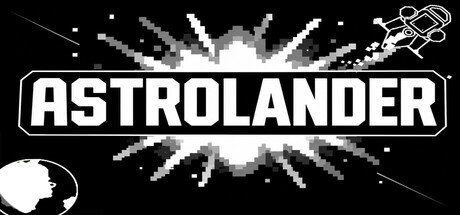
Generative AI was used as an assistive tool during the development of ASTROLANDER. It helped accelerate certain prototyping phases, explore concept art ideas, and experiment with programming solutions. All assets integrated into the game were modified or recreated by the developer to align with the project's art direction and gameplay.
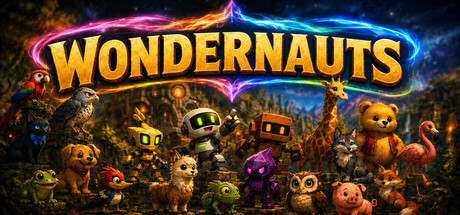
Some visual assets, sound effects, and music in Wondernauts were created with the help of generative AI tools during development, then refined, validated, and integrated by the development team. All gameplay logic and game systems are human-authored.
Generating general in-game scripts
Music
Level design
In general, the developer uses AI to create like a cubes; ultimately, they decide where to place each cube to build a castle—or, in this case, the video game itself.
Generative AI tools were used during development to assist with certain parts of the game, including code and game assets such as artwork, audio, and localization. All AI generated content has been reviewed before being included in the game.
Some store page artwork, promotional images, textures, and visual assets were created using generative AI tools and then edited and finalized by the developer. AI-generated content is used only for visual assets and does not generate content during gameplay.
Generative AI was used during development to assist with the creation of some promotional and marketing materials, including the game's capsule artwork and logo. These materials were reviewed, edited, and finalized by the development team. Generative AI is not used to generate content dynamically during gameplay.
This game was developed with the assistance of generative AI tools during the development process. Generative AI was used to help produce elements of the game's code, artwork, and music. All AI-assisted output was reviewed, edited, and curated by our team before being included in the final game, ensuring it met our creative and quality standards.
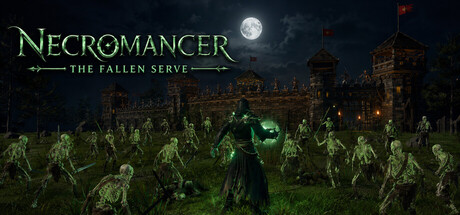
Necromancer: The Fallen Serve is primarily developed by me as a solo indie developer. I use generative AI as one of the tools in the project, including for some 3D assets, character voice lines, music, and promotional artwork. I've also worked with freelance artists and animators on parts of the game, including the skeleton army and animation work. I personally go through, refine and rework the assets until they fit the game the way I want them to. No generative AI content is created during gameplay.
Some of the artwork was created using AI tools. The code was also reviewed with, or assisted by, AI.
If the concept finds its audience, we intend to pay an artist to produce artwork that is not AI-generated. Artists who would like to be part of the project are welcome to join us.
Some of this game's assets (e.g., sprites, artwork, and music) were made with the assistance of generative AI tools and were reviewed, curated, and hand-finished by the developer. No content is generated while you play.
Generative AI tools were used during development to create and refine some pre-generated content. Codex was used for parts of the 3D model work, GPT Image was used to generate parts of the user interface, and AI tools assisted with some text and some Steam store and marketing visuals. These assets were reviewed and integrated by the developer. No audio or music was created with generative AI. The game does not generate AI content during gameplay.
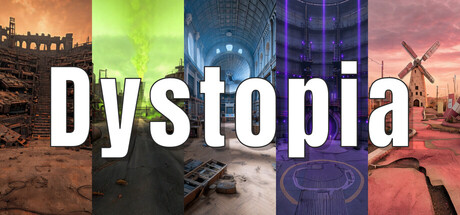
Dystopia uses AI to live-generate its radio: all music, DJ voices, lyrics,
song titles, and artist names are created by AI on our own servers and
streamed to every player. Our 3D environments render as Gaussian splats and
were AI generated using World Labs' Marble.
Generative AI tools were used during development to assist with pre-generated visual and audio assets. Final content was reviewed and integrated under the developer’s direction. NO content is generated by AI during gameplay.
Generative AI was used during development to assist in creating some pre-generated content, including certain visual assets, music and sound assets, as well as some text and localization content. All such content was generated during development and was reviewed, selected, edited, adjusted, and integrated by the developer before being included in the game.
The game does not use generative AI at runtime and does not generate new text, images, audio, or other game content dynamically in response to player input.
Generative AI is used to draft the written text on this store page and in our announcement and update posts. A human reads, edits and approves every line before it is published. AI coding assistants are also used while building the game. The game itself does not generate any content with AI while you play, and it does not connect to any AI service.
The music, a few sound effects. And very few of the menus have been created using AI. I know that many communities hate games with AI. And yes, lads, I’ve used it. But I can assure you that 90 per cent of the game has been lovingly crafted by a developer.
The game uses AI tools to assist in generating background graphics and supporting the artistic process. AI is also used to aid in translation and localization, making the game available in multiple regions and languages.
Generative AI tools were used to assist in the creation of some visual assets, 3D assets, and music used in the game. All AI-assisted content was reviewed, edited, and integrated by the developer before being included in the final game.
Generative AI was used throughout the development process. It was utilized alongside the developer to assist with tasks. Notably: debugging, localization, asset creation, and marketing materials. All AI-generated content was reviewed, edited, and integrated by the developer to ensure both quality and consistency standards were met.
Some visual assets in Leg It: Don't Stop, including character and environment artwork, were created with the assistance of generative AI tools and then selected, edited, and integrated into the game by the developer. The game does not generate AI content during gameplay.
Generative AI tools were used during development to help create visual assets for this game, including character art, environments such as the temple, weapons, and other in-game artwork, as well as store and marketing images (capsule art, logo, and store background). All AI-assisted content was reviewed, edited, and finalized by the developer, who holds the rights to use it. No AI-generated content is created live during gameplay.
Generative AI was used to assist in the creation of some pre-generated visual assets, including character models, props, environmental assets, and textures. All AI-assisted content was reviewed, edited, and integrated into the game by the developer. The game does not generate AI content during gameplay.
Some 3D character and creature models in this game were created with AI-assisted generation tools (Meshy) as a starting point, then hand-finished, rigged, textured, and integrated by the developer in Blender and Unity. Some quest dialogue text was also written with AI assistance and edited by the developer before being included in the game. No content is generated in real time during gameplay — everything players see is fixed at build time and has been reviewed and edited by hand.
AI is used for programming assistance, for generating in-game sound effects and music, and for drafting store page text. All 3D art assets and level design are created by hand in Blender.
The game's art and sound are drawn and synthesised in code at runtime rather than shipped as asset files, and that code was written with AI coding assistance under human direction. No AI runs while the game is playing. The soundtrack is licensed human-authored works.
The character illustrations and their animation frames were created with the assistance of image-generation AI (Stable Diffusion), then manually layered, retouched and reviewed by the developer. All other content — game design, code, music, sound effects and text — is made by humans. No AI content is generated at runtime.
Some cinematic shots in the trailer were created with generative AI tools, and the trailer narration uses an AI-generated voice. The library banner image is derived from one of those trailer shots. All gameplay, in-game assets, and other store images were created without generative AI.
Some promotional artwork and store page text were created with the help of
generative AI and edited by hand. The game itself does not use AI at runtime
and does not connect to any AI service.
All pre-rendered visual artwork was created using generative AI under developer direction. This includes environment backgrounds, interface and menu artwork, branding, icons, and promotional/title-card images.
The developer uses generative AI tools during the development process to assist in creating pre-generated visual assets, environment textures, and background sound effects. These AI-assisted elements are finalized and integrated into the game's static files to enhance the overall horror atmosphere.
Generative AI tools were used in the development of this game to assist with creating select artwork, writing promotional/store page descriptions, and localization.
The artwork in this game was pre generated with AI tools, then cut, curated, corrected and animated by the developer before it shipped. This covers the character art, the city backdrops, the item and badge icons, and the store capsules. All code, level design, music and written text are the developer's own. No third party artwork was used as a source.
Generative AI was used as an assistive tool during the development of ASTROLANDER. It helped accelerate certain prototyping phases, explore concept art ideas, and experiment with programming solutions. All assets integrated into the game were modified or recreated by the developer to align with the project's art direction and gameplay.
Some visual assets, sound effects, and music in Wondernauts were created with the help of generative AI tools during development, then refined, validated, and integrated by the development team. All gameplay logic and game systems are human-authored.
Generating general in-game scripts
Music
Level design
In general, the developer uses AI to create like a cubes; ultimately, they decide where to place each cube to build a castle—or, in this case, the video game itself.
Generative AI tools were used during development to assist with certain parts of the game, including code and game assets such as artwork, audio, and localization. All AI generated content has been reviewed before being included in the game.
Some store page artwork, promotional images, textures, and visual assets were created using generative AI tools and then edited and finalized by the developer. AI-generated content is used only for visual assets and does not generate content during gameplay.
Generative AI was used during development to assist with the creation of some promotional and marketing materials, including the game's capsule artwork and logo. These materials were reviewed, edited, and finalized by the development team. Generative AI is not used to generate content dynamically during gameplay.
This game was developed with the assistance of generative AI tools during the development process. Generative AI was used to help produce elements of the game's code, artwork, and music. All AI-assisted output was reviewed, edited, and curated by our team before being included in the final game, ensuring it met our creative and quality standards.
Necromancer: The Fallen Serve is primarily developed by me as a solo indie developer. I use generative AI as one of the tools in the project, including for some 3D assets, character voice lines, music, and promotional artwork. I've also worked with freelance artists and animators on parts of the game, including the skeleton army and animation work. I personally go through, refine and rework the assets until they fit the game the way I want them to. No generative AI content is created during gameplay.
Some of the artwork was created using AI tools. The code was also reviewed with, or assisted by, AI.
If the concept finds its audience, we intend to pay an artist to produce artwork that is not AI-generated. Artists who would like to be part of the project are welcome to join us.
Some of this game's assets (e.g., sprites, artwork, and music) were made with the assistance of generative AI tools and were reviewed, curated, and hand-finished by the developer. No content is generated while you play.
Generative AI tools were used during development to create and refine some pre-generated content. Codex was used for parts of the 3D model work, GPT Image was used to generate parts of the user interface, and AI tools assisted with some text and some Steam store and marketing visuals. These assets were reviewed and integrated by the developer. No audio or music was created with generative AI. The game does not generate AI content during gameplay.
Dystopia uses AI to live-generate its radio: all music, DJ voices, lyrics,
song titles, and artist names are created by AI on our own servers and
streamed to every player. Our 3D environments render as Gaussian splats and
were AI generated using World Labs' Marble.
Generative AI tools were used during development to assist with pre-generated visual and audio assets. Final content was reviewed and integrated under the developer’s direction. NO content is generated by AI during gameplay.
Generative AI was used during development to assist in creating some pre-generated content, including certain visual assets, music and sound assets, as well as some text and localization content. All such content was generated during development and was reviewed, selected, edited, adjusted, and integrated by the developer before being included in the game.
The game does not use generative AI at runtime and does not generate new text, images, audio, or other game content dynamically in response to player input.
Generative AI is used to draft the written text on this store page and in our announcement and update posts. A human reads, edits and approves every line before it is published. AI coding assistants are also used while building the game. The game itself does not generate any content with AI while you play, and it does not connect to any AI service.
The music, a few sound effects. And very few of the menus have been created using AI. I know that many communities hate games with AI. And yes, lads, I’ve used it. But I can assure you that 90 per cent of the game has been lovingly crafted by a developer.