Public Steam disclosure research25,394 disclosures tracked
Where do games disclose AI use?
Search developers’ Steam disclosures, compare classified AI use across
games, and follow recorded changes.
This index adds cross-game classifications and statistics to
statements published on individual store pages.
Groups reflect automatic analysis of public disclosures; mature records are excluded. These counts do not measure AI use across all of Steam.
Missing or unclear statements cannot establish whether a game uses AI.
Certain visual assets incorporated into the final product were subject to a multi-stage development, revision, and production process involving, at intermediate stages of asset preparation, generative AI-assisted material, together with subsequent developer-directed editing, alteration, reconstruction, and final implementation.
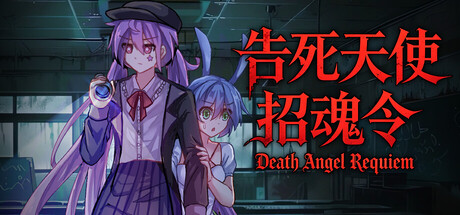
Generative AI was used in the development of this game. 2D artwork (characters, familiars, cards, backgrounds, etc.) was created with image-generation AI, then curated, edited, and retouched by the developer. AI-assisted tools were also used during development (e.g., programming). No AI content is generated at runtime. BOT opponents are rule-based programs, not generative AI.
The images in this game start from generative AI output and are then redrawn pixel by pixel by the developer. This covers equipment icons, character and enemy sprites, backgrounds, and the images on this store page.
The music was created with a generative AI music service under a commercial-use license.
The text is written in Japanese and machine-translated into other languages.
Generative AI was used to assist with the localization of the game's text into multiple languages. The Portuguese and English localizations were reviewed by the developer, while the Japanese localization received partial human review. Other supported languages were translated with AI assistance and have not yet received full human review, or their review is still in progress.
Generative AI tools were used during development to assist with some pre-generated visual assets and with drafting, editing, and localization of text. All AI-assisted content was reviewed, edited, curated, and integrated by the developer before inclusion in the game. No content is generated by AI during gameplay.
Some of our store and marketing art started as AI-generated images. We used Midjourney to create the base key art for the Steam capsules, the library hero and the page background, then edited and composited those into the final images ourselves. The logo, wordmark and typography are our own work.
The game itself does not use generative AI. Every in-game asset (art, animation, UI, music, sound, and code) was made by us, by hand or with our own tools.
We’ve reviewed the AI-assisted art, we hold the rights to use it commercially, and as far as we’re aware it doesn’t infringe anyone else’s work.
Petrivore uses AI-assisted tools in parts of its development: some icons and steam assets were made with AI image generation, the in-game text and steam page was translated with AI translation tools. All of it was reviewed and edited by the developer.
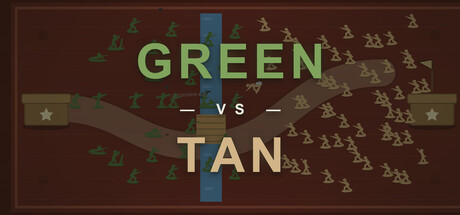
Green vs Tan was built with AI-assisted development tools under human direction. Every design decision was made and reviewed by a person.
The art you see while playing is not shipped as image files. The soldiers, vehicles, carpet and bosses are drawn procedurally by the game's own code, and the sound effects are synthesized as they play.
Some of our store and marketing artwork was AI-assisted and human-curated.
No content is generated by AI while you play, and the game never calls out to an AI service.
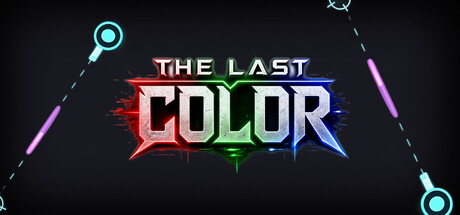
The Last Color was created with the assistance of AI-powered software in several areas of production, including technical development, early-stage ideation, visual experimentation, and selected artwork. These tools were used only as part of the development process. All content available to players is pre-made, and no artificial intelligence is used to create or modify content while the game is running.
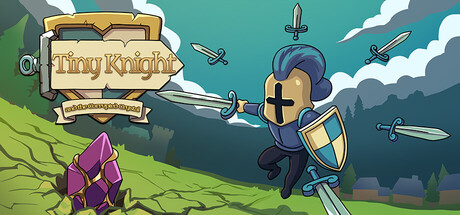
Tiny Knight and the Corrupted Crystal uses AI-generated music. All background music tracks were created with Suno, then edited, and mixed by the developer before being placed in the game.
AI tools were used during development to assist with coding and to create internal task, references and supporting documentation. The game does not include any player-facing generative AI features.
Generative AI was used to create the game's artwork, audio, localization, and promotional materials. All AI-generated content was personally reviewed, selected, directed, and refined by the developer before being included in the game. No generative AI is used during gameplay.
Generative AI tools assisted with English Steam store-page copy, and were used to create pre-generated illustrative key art for Steam store capsules, library artwork, and the store-page background. All AI-assisted outputs are reviewed, edited, integrated, and tested by the developer. The artwork is promotional and is not presented as gameplay footage; screenshots and trailers are captured from the actual game. The game does not use generative AI at runtime or generate live player-facing content.
Generative AI tools were used during development to assist with portions of the game's code, hand-drawn-style visual elements, original music and audio, written text, and some store and community marketing materials. All included material was reviewed, selected, edited, and integrated by the developer.
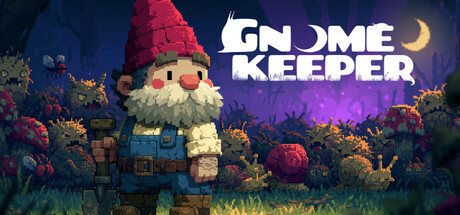
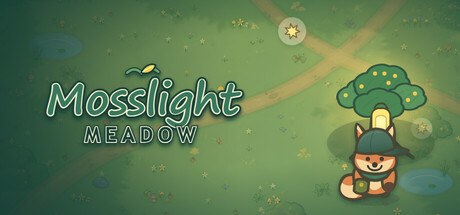
The game does not use generative AI during gameplay and does not connect to external AI services. Its randomized meadows are created through conventional procedural generation.
Generative AI was used during the development of this game to assist with portions of the artwork, programming, and translation. All generated content was reviewed and edited by the developer as necessary.
Some of the artwork in this game was made with AI image generators and edited by hand afterwards. This covers the two player characters, the logo, the menu icons and the curtain texture. The English interface texts were written with the help of a language model and reviewed afterwards. The German texts are written by hand.
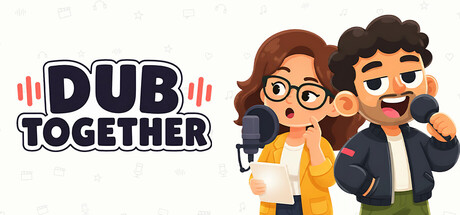
The bundled Pack Creator uses a speech recognition model to find the spoken parts of a video you supply yourself and turn them into the lines you read out. An AI noise filter for your microphone recordings and AI-based separation of speech and background audio work the same way. All of this runs locally on your own machine and never sends data to an external service. These models only process material you provide yourself, they do not invent content of their own, and the result stays inside your own lobby.
Most of the visual assets used in the game's promotional materials and Steam Store page were created with the assistance of AI image generation tools, and were subsequently selected and refined by the developer. The game's gameplay, level design, programming, and game logic were developed by the developer with input from AI throughout the development process. The game does not use AI to generate any content during gameplay.
During development we may use procedural and AI-based tools to assist with sound effects creation. The final result is always chosen and edited by the developer.
Some raster artwork, interface and marketing artwork, sprite animation frames, and authored music were created with assistance from generative AI tools during development. All shipped output was artist-directed, reviewed, edited, and integrated specifically for Bunnyhop. No content is generated by AI while the game is running.
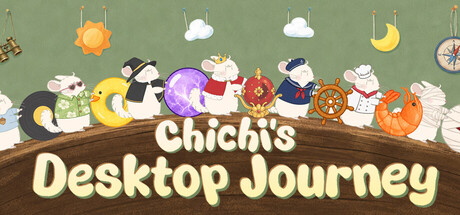
This game uses generative AI to power the pet's dialogue system. Players can choose to enable AI chat and freely select a local model (running offline) or a cloud API (requires their own API key), or completely disable AI chat and use preset or custom dialogue instead. Every AI conversation is generated in real time.
As a solo developer, I used AI-assisted tools to support development, including implementation and some audio-related work. All final content was reviewed and edited by me. Character sprite art is hand-drawn, and the game does not use generative AI while running.
Coin Cleaner is made by a solo developer with the help of AI tools. Generative AI was used during development to assist in creating some of the game's content - including artwork, music, sound effects, and code - all of which was directed, curated, and reviewed by the developer, and used with appropriate commercial licensing. All AI-assisted content is created ahead of time (pre-generated). The game does not use AI to generate any content or code during gameplay, and does not connect to any external AI service while you play.
This game used AI-assisted tools during development to help create parts of the Unity/C# code, and some music was created with AI-assisted music generation tools.
All AI-assisted code and AI-generated music were reviewed, edited, tested, and integrated by the developer.
The game does not generate code during gameplay and does not connect to external generative AI services while players are playing.
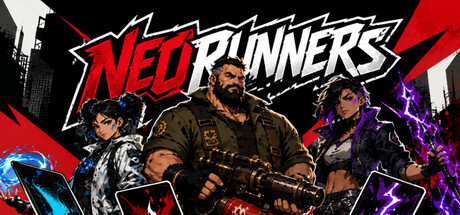
NeoRunners uses generative AI tools as part of its development process. AI-assisted content includes portions of the game's visual artwork and UI assets, promotional/store artwork, and character voice audio. These assets are generated and/or iterated on during development and are reviewed, selected, edited, and integrated by the development team before being included in the game. The game does not generate this content dynamically during gameplay.
I am a solo developer with limited art experience. Generative AI tools were used to assist with the creation of some assets, while I created and refined other assets and sound effects myself.
Generative AI was used to create some marketing assets, specifically the store capsule images and page banners. The core game content, including the code, levels, character pixel art, and music, has been traditionally developed to ensure a consistent and high-quality solo-developer experience.
AI was used in the initial generation of some assets, but we edited them in Photoshop to adjust proportions and remove any obvious AI Slop.
As this is primarily a management game, we focused heavily on the gameplay mechanics, ensuring the game is bug-free, fun to play, and, dare we say, addicting!
That said, we would love for the art to be more authentic and beautiful. We have an artist under contract who can replace all of the art in the game if the game sells well enough, and we will release the updated art as a patch to all users who have previously purchased the game.
Some BGs and the temporary world map use AI generated 2D content which is based on 3D asset packs. However, these assets are intended as temporary placeholders and in the polish process they are planned to be swapped with hand made ones.
Some shipped visual assets, narrative text, localization, and store or marketing artwork were created or iterated with the assistance of generative AI tools. All output was selected, edited, reviewed, integrated, and tested by the developer. The game performs no live AI generation
and sends no player input or data to an AI service.
CRETA: Taskbar Fishing uses generative AI tools to assist with the creation of some visual and audio assets used in the game. AI was used as a supporting tool during development, while the game's design, gameplay systems, programming, and overall creative direction were created by the developer.
During the development of this game, AI tools were used solely as a coding assistance aid — primarily to help identify and fix minor bugs, and to assist with small code corrections and improvements. AI was not used to generate any content experienced by the player, including visual assets, audio, narrative or in-game text. All artwork, sound, and written content presented to the player are original and human-created. The AI usage disclosed here is limited to development-side coding assistance and does not appear as generated content within the final player-facing experience.
Pre-generated AI tools were used to create store page and marketing artwork (capsules, key art, banners, broadcast panels). No AI-generated content ships inside the game itself: all in-game visuals are built procedurally in code or come from CC0 asset kits. No live-generated AI content.
Certain visual assets incorporated into the final product were subject to a multi-stage development, revision, and production process involving, at intermediate stages of asset preparation, generative AI-assisted material, together with subsequent developer-directed editing, alteration, reconstruction, and final implementation.
Generative AI was used in the development of this game. 2D artwork (characters, familiars, cards, backgrounds, etc.) was created with image-generation AI, then curated, edited, and retouched by the developer. AI-assisted tools were also used during development (e.g., programming). No AI content is generated at runtime. BOT opponents are rule-based programs, not generative AI.
The images in this game start from generative AI output and are then redrawn pixel by pixel by the developer. This covers equipment icons, character and enemy sprites, backgrounds, and the images on this store page.
The music was created with a generative AI music service under a commercial-use license.
The text is written in Japanese and machine-translated into other languages.
Generative AI was used to assist with the localization of the game's text into multiple languages. The Portuguese and English localizations were reviewed by the developer, while the Japanese localization received partial human review. Other supported languages were translated with AI assistance and have not yet received full human review, or their review is still in progress.
Generative AI tools were used during development to assist with some pre-generated visual assets and with drafting, editing, and localization of text. All AI-assisted content was reviewed, edited, curated, and integrated by the developer before inclusion in the game. No content is generated by AI during gameplay.
Some of our store and marketing art started as AI-generated images. We used Midjourney to create the base key art for the Steam capsules, the library hero and the page background, then edited and composited those into the final images ourselves. The logo, wordmark and typography are our own work.
The game itself does not use generative AI. Every in-game asset (art, animation, UI, music, sound, and code) was made by us, by hand or with our own tools.
We’ve reviewed the AI-assisted art, we hold the rights to use it commercially, and as far as we’re aware it doesn’t infringe anyone else’s work.
Petrivore uses AI-assisted tools in parts of its development: some icons and steam assets were made with AI image generation, the in-game text and steam page was translated with AI translation tools. All of it was reviewed and edited by the developer.
Green vs Tan was built with AI-assisted development tools under human direction. Every design decision was made and reviewed by a person.
The art you see while playing is not shipped as image files. The soldiers, vehicles, carpet and bosses are drawn procedurally by the game's own code, and the sound effects are synthesized as they play.
Some of our store and marketing artwork was AI-assisted and human-curated.
No content is generated by AI while you play, and the game never calls out to an AI service.
The Last Color was created with the assistance of AI-powered software in several areas of production, including technical development, early-stage ideation, visual experimentation, and selected artwork. These tools were used only as part of the development process. All content available to players is pre-made, and no artificial intelligence is used to create or modify content while the game is running.
Tiny Knight and the Corrupted Crystal uses AI-generated music. All background music tracks were created with Suno, then edited, and mixed by the developer before being placed in the game.
AI tools were used during development to assist with coding and to create internal task, references and supporting documentation. The game does not include any player-facing generative AI features.
Generative AI was used to create the game's artwork, audio, localization, and promotional materials. All AI-generated content was personally reviewed, selected, directed, and refined by the developer before being included in the game. No generative AI is used during gameplay.
Generative AI tools assisted with English Steam store-page copy, and were used to create pre-generated illustrative key art for Steam store capsules, library artwork, and the store-page background. All AI-assisted outputs are reviewed, edited, integrated, and tested by the developer. The artwork is promotional and is not presented as gameplay footage; screenshots and trailers are captured from the actual game. The game does not use generative AI at runtime or generate live player-facing content.
Generative AI tools were used during development to assist with portions of the game's code, hand-drawn-style visual elements, original music and audio, written text, and some store and community marketing materials. All included material was reviewed, selected, edited, and integrated by the developer.
The game does not use generative AI during gameplay and does not connect to external AI services. Its randomized meadows are created through conventional procedural generation.
Generative AI was used during the development of this game to assist with portions of the artwork, programming, and translation. All generated content was reviewed and edited by the developer as necessary.
Some of the artwork in this game was made with AI image generators and edited by hand afterwards. This covers the two player characters, the logo, the menu icons and the curtain texture. The English interface texts were written with the help of a language model and reviewed afterwards. The German texts are written by hand.
The bundled Pack Creator uses a speech recognition model to find the spoken parts of a video you supply yourself and turn them into the lines you read out. An AI noise filter for your microphone recordings and AI-based separation of speech and background audio work the same way. All of this runs locally on your own machine and never sends data to an external service. These models only process material you provide yourself, they do not invent content of their own, and the result stays inside your own lobby.
Most of the visual assets used in the game's promotional materials and Steam Store page were created with the assistance of AI image generation tools, and were subsequently selected and refined by the developer. The game's gameplay, level design, programming, and game logic were developed by the developer with input from AI throughout the development process. The game does not use AI to generate any content during gameplay.
During development we may use procedural and AI-based tools to assist with sound effects creation. The final result is always chosen and edited by the developer.
Some raster artwork, interface and marketing artwork, sprite animation frames, and authored music were created with assistance from generative AI tools during development. All shipped output was artist-directed, reviewed, edited, and integrated specifically for Bunnyhop. No content is generated by AI while the game is running.
This game uses generative AI to power the pet's dialogue system. Players can choose to enable AI chat and freely select a local model (running offline) or a cloud API (requires their own API key), or completely disable AI chat and use preset or custom dialogue instead. Every AI conversation is generated in real time.
As a solo developer, I used AI-assisted tools to support development, including implementation and some audio-related work. All final content was reviewed and edited by me. Character sprite art is hand-drawn, and the game does not use generative AI while running.
Coin Cleaner is made by a solo developer with the help of AI tools. Generative AI was used during development to assist in creating some of the game's content - including artwork, music, sound effects, and code - all of which was directed, curated, and reviewed by the developer, and used with appropriate commercial licensing. All AI-assisted content is created ahead of time (pre-generated). The game does not use AI to generate any content or code during gameplay, and does not connect to any external AI service while you play.
This game used AI-assisted tools during development to help create parts of the Unity/C# code, and some music was created with AI-assisted music generation tools.
All AI-assisted code and AI-generated music were reviewed, edited, tested, and integrated by the developer.
The game does not generate code during gameplay and does not connect to external generative AI services while players are playing.
NeoRunners uses generative AI tools as part of its development process. AI-assisted content includes portions of the game's visual artwork and UI assets, promotional/store artwork, and character voice audio. These assets are generated and/or iterated on during development and are reviewed, selected, edited, and integrated by the development team before being included in the game. The game does not generate this content dynamically during gameplay.
I am a solo developer with limited art experience. Generative AI tools were used to assist with the creation of some assets, while I created and refined other assets and sound effects myself.
Generative AI was used to create some marketing assets, specifically the store capsule images and page banners. The core game content, including the code, levels, character pixel art, and music, has been traditionally developed to ensure a consistent and high-quality solo-developer experience.
AI was used in the initial generation of some assets, but we edited them in Photoshop to adjust proportions and remove any obvious AI Slop.
As this is primarily a management game, we focused heavily on the gameplay mechanics, ensuring the game is bug-free, fun to play, and, dare we say, addicting!
That said, we would love for the art to be more authentic and beautiful. We have an artist under contract who can replace all of the art in the game if the game sells well enough, and we will release the updated art as a patch to all users who have previously purchased the game.
Some BGs and the temporary world map use AI generated 2D content which is based on 3D asset packs. However, these assets are intended as temporary placeholders and in the polish process they are planned to be swapped with hand made ones.
Some shipped visual assets, narrative text, localization, and store or marketing artwork were created or iterated with the assistance of generative AI tools. All output was selected, edited, reviewed, integrated, and tested by the developer. The game performs no live AI generation
and sends no player input or data to an AI service.
CRETA: Taskbar Fishing uses generative AI tools to assist with the creation of some visual and audio assets used in the game. AI was used as a supporting tool during development, while the game's design, gameplay systems, programming, and overall creative direction were created by the developer.
During the development of this game, AI tools were used solely as a coding assistance aid — primarily to help identify and fix minor bugs, and to assist with small code corrections and improvements. AI was not used to generate any content experienced by the player, including visual assets, audio, narrative or in-game text. All artwork, sound, and written content presented to the player are original and human-created. The AI usage disclosed here is limited to development-side coding assistance and does not appear as generated content within the final player-facing experience.
Pre-generated AI tools were used to create store page and marketing artwork (capsules, key art, banners, broadcast panels). No AI-generated content ships inside the game itself: all in-game visuals are built procedurally in code or come from CC0 asset kits. No live-generated AI content.