Public Steam disclosure research25,394 disclosures tracked
Where do games disclose AI use?
Search developers’ Steam disclosures, compare classified AI use across
games, and follow recorded changes.
This index adds cross-game classifications and statistics to
statements published on individual store pages.
Groups reflect automatic analysis of public disclosures; mature records are excluded. These counts do not measure AI use across all of Steam.
Missing or unclear statements cannot establish whether a game uses AI.
Generative AI tools were used as development assistance for code prototyping, design iteration, selected promotional/store artwork, and AI-generated trailer music. The final game content is reviewed, edited, integrated, and curated by the developer.
The game does not use live generative AI during gameplay. No runtime AI-generated text, images, audio, or dialogue are produced for players.
AI tools were used to assist with code development and localization. All game design, art direction, and creative decisions were made by the developer.
Some of its content was created with AI tools and reviewed by the
developer before inclusion: visual art, audio, and in-game text.
No AI content is generated while you play.
Some of the visual assets in this game (such as concept arts, UI elements, and store capsules) and the initial ideation processes were developed with the assistance of generative AI tools. All AI-generated concepts were manually edited, refined, and integrated into the game by the developer. The game does not contain any live, real-time generative AI systems that react to player interactions.
It is currently being used for generating sound background music and stage images.
Other characters and tiles were created directly using pixel art and are not the result of generative AI.
The game uses AI-assisted translation to localize in-game text into multiple languages. All other content is created by human developers using licensed assets.
Generative AI was utilized strictly to assist in drafting the narrative script and visuals for our promotional marketing trailers, and for in-game cutscenes. All other actual in-game content—including the gameplay code, 3D models, level design, physics, and mechanics—was meticulously crafted by hand by human developers.
As a solo indie developer working with a limited art budget, I have used generative AI tools for some visual assets, primarily UI artwork.
The gameplay systems, mechanics, programming, balancing, and overall game design are created and implemented by me.
My long-term goal is to continue improving the game’s artwork and, as the game grows, work with professional artists to replace and further refine AI-assisted visual assets.
All character and environmental art began as hand-drawn sketches, which were then refined using generative AI before final pixel-perfect editing in Aseprite and Photoshop. The soundtrack originated as original piano compositions, enhanced through Udio for texture, and professionally mixed in Avid Pro Tools. Our intro sequences were hand-drawn and brought to life through Seedance 2.0 animation technology.
This game includes elements using Generative AI in some pre-produced content such as intro videos.
These contents were created during the development process and finally used after editing and post-processing by the development team, and no Generative AI was used for gameplay.
This game's background music was generated using Suno (AI music generation).
Some sprite and store artwork was created programmatically using Python scripts with
AI-assisted design. No AI content is generated during gameplay.
AI was used for multilingual localization work and during the prototyping and implementation of in-game systems. All AI-generated outputs were directly reviewed and modified by the developer before final integration.
The promotional visuals and banners on the Steam store page were created with the support of generative AI tools. In contrast, the in-game assets were either manually created or later edited. However, certain marketing materials, such as headers, capsules, and banners, contain AI-generated components.
The Steam store page banners and promotional materials were created with the help of generative AI tools. The in-game assets were either manually created or edited afterward, while certain marketing visuals (such as headers, capsules, and banners) contain AI-generated elements.
I am a single Dev - with 5 dependents ( 3 have special needs and demand time) and a ZERO budget. I am unemployed trying to have a go.
I wanted to make this game and it would of NEVER happened with out AI generated art.
The Steam store page banners and promotional creatives for the app were created with the assistance of generative AI tools. The in-game assets were either created manually or edited afterwards, but the visual materials used for marketing (such as header images, capsules, and promotional banners) include AI-generated elements.
This game was developed by a solo beginner from the ground up. AI tools were used during development to assist with coding, learn new software, generating some audio, and create in-game product and console artwork. All game design, systems, and creative direction are my own work.
The code, mechanics, and gameplay of 'Sabor de España' do not use generative Artificial Intelligence. However, some promotional graphic elements displayed exclusively on the Steam store page (such as store headers, promotional banners, and base logo designs) have been created or refined with the assistance of AI image generation tools.
The game does not use AI-generated art, music, character assets, or gameplay content. Generative AI tools were used only to assist with localization drafts for some in-game and store page text, and the final text was reviewed and edited by the developer.
Some visual content used in the game and on its store page was created with the assistance of generative AI. All such content was selected, reviewed, and implemented by the developer. The game does not generate AI content during gameplay.
AI tools were used to assist with the creation of game content, such as generating and refining text-based expressions and supporting development tasks. All core gameplay design, implementation, and final content selection were created and curated by the developer.
Art: Certain background, character, and animation assets were generated by AI, then manually cropped, composited, and post-processed.
Audio: Some in-game music and sound effects were generated by AI, then manually selected, edited, and integrated.
Code: Some foundational functional code was generated with AI assistance, then reviewed, modified, compiled, and integrated by the developers.
The core game design, gameplay logic, and final integration were all completed manually.
No real-time generative AI in the client. Static in-game and store art/audio may include material initially produced with generative AI, revised and approved by the developer before release.
Some visual assets in this game, such as the capsule art, were generated with the assistance of AI tools and then edited and refined by the developer. No gameplay, mechanics, or code were generated by AI.
Spa World was developed with AI-assisted tools used during
the development process, including code assistance and
content drafting. All game design, creative direction,
artwork, and final decisions were made by the developer.
The game itself does not use or generate AI content
during gameplay.
Some visual assets were created with the assistance of generative AI and later refined by the developer. All content has been reviewed for originality. No generative AI is used during gameplay.
Some visual assets (such as the app icon) and store page text were created with the assistance of AI tools. All game content — puzzles, code, and gameplay — is handcrafted by the developer.
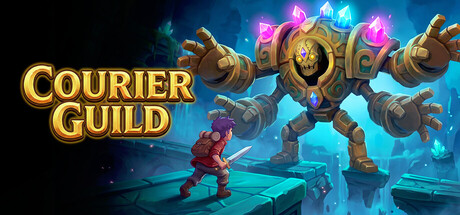
Some content in COURIER GUILD was created with the assistance of AI tools, including visual assets, music, and text. All AI-generated content has been manually reviewed, edited, and refined by the developer to fit the game's style and vision.
Generative AI tools were used as development assistance for code prototyping, design iteration, selected promotional/store artwork, and AI-generated trailer music. The final game content is reviewed, edited, integrated, and curated by the developer.
The game does not use live generative AI during gameplay. No runtime AI-generated text, images, audio, or dialogue are produced for players.
AI tools were used to assist with code development and localization. All game design, art direction, and creative decisions were made by the developer.
Some of its content was created with AI tools and reviewed by the
developer before inclusion: visual art, audio, and in-game text.
No AI content is generated while you play.
Some of the visual assets in this game (such as concept arts, UI elements, and store capsules) and the initial ideation processes were developed with the assistance of generative AI tools. All AI-generated concepts were manually edited, refined, and integrated into the game by the developer. The game does not contain any live, real-time generative AI systems that react to player interactions.
It is currently being used for generating sound background music and stage images.
Other characters and tiles were created directly using pixel art and are not the result of generative AI.
The game uses AI-assisted translation to localize in-game text into multiple languages. All other content is created by human developers using licensed assets.
Generative AI was utilized strictly to assist in drafting the narrative script and visuals for our promotional marketing trailers, and for in-game cutscenes. All other actual in-game content—including the gameplay code, 3D models, level design, physics, and mechanics—was meticulously crafted by hand by human developers.
As a solo indie developer working with a limited art budget, I have used generative AI tools for some visual assets, primarily UI artwork.
The gameplay systems, mechanics, programming, balancing, and overall game design are created and implemented by me.
My long-term goal is to continue improving the game’s artwork and, as the game grows, work with professional artists to replace and further refine AI-assisted visual assets.
All character and environmental art began as hand-drawn sketches, which were then refined using generative AI before final pixel-perfect editing in Aseprite and Photoshop. The soundtrack originated as original piano compositions, enhanced through Udio for texture, and professionally mixed in Avid Pro Tools. Our intro sequences were hand-drawn and brought to life through Seedance 2.0 animation technology.
This game includes elements using Generative AI in some pre-produced content such as intro videos.
These contents were created during the development process and finally used after editing and post-processing by the development team, and no Generative AI was used for gameplay.
This game's background music was generated using Suno (AI music generation).
Some sprite and store artwork was created programmatically using Python scripts with
AI-assisted design. No AI content is generated during gameplay.
AI was used for multilingual localization work and during the prototyping and implementation of in-game systems. All AI-generated outputs were directly reviewed and modified by the developer before final integration.
The promotional visuals and banners on the Steam store page were created with the support of generative AI tools. In contrast, the in-game assets were either manually created or later edited. However, certain marketing materials, such as headers, capsules, and banners, contain AI-generated components.
The Steam store page banners and promotional materials were created with the help of generative AI tools. The in-game assets were either manually created or edited afterward, while certain marketing visuals (such as headers, capsules, and banners) contain AI-generated elements.
I am a single Dev - with 5 dependents ( 3 have special needs and demand time) and a ZERO budget. I am unemployed trying to have a go.
I wanted to make this game and it would of NEVER happened with out AI generated art.
The Steam store page banners and promotional creatives for the app were created with the assistance of generative AI tools. The in-game assets were either created manually or edited afterwards, but the visual materials used for marketing (such as header images, capsules, and promotional banners) include AI-generated elements.
This game was developed by a solo beginner from the ground up. AI tools were used during development to assist with coding, learn new software, generating some audio, and create in-game product and console artwork. All game design, systems, and creative direction are my own work.
The code, mechanics, and gameplay of 'Sabor de España' do not use generative Artificial Intelligence. However, some promotional graphic elements displayed exclusively on the Steam store page (such as store headers, promotional banners, and base logo designs) have been created or refined with the assistance of AI image generation tools.
The game does not use AI-generated art, music, character assets, or gameplay content. Generative AI tools were used only to assist with localization drafts for some in-game and store page text, and the final text was reviewed and edited by the developer.
Some visual content used in the game and on its store page was created with the assistance of generative AI. All such content was selected, reviewed, and implemented by the developer. The game does not generate AI content during gameplay.
AI tools were used to assist with the creation of game content, such as generating and refining text-based expressions and supporting development tasks. All core gameplay design, implementation, and final content selection were created and curated by the developer.
Art: Certain background, character, and animation assets were generated by AI, then manually cropped, composited, and post-processed.
Audio: Some in-game music and sound effects were generated by AI, then manually selected, edited, and integrated.
Code: Some foundational functional code was generated with AI assistance, then reviewed, modified, compiled, and integrated by the developers.
The core game design, gameplay logic, and final integration were all completed manually.
No real-time generative AI in the client. Static in-game and store art/audio may include material initially produced with generative AI, revised and approved by the developer before release.
Some visual assets in this game, such as the capsule art, were generated with the assistance of AI tools and then edited and refined by the developer. No gameplay, mechanics, or code were generated by AI.
Spa World was developed with AI-assisted tools used during
the development process, including code assistance and
content drafting. All game design, creative direction,
artwork, and final decisions were made by the developer.
The game itself does not use or generate AI content
during gameplay.
Some visual assets were created with the assistance of generative AI and later refined by the developer. All content has been reviewed for originality. No generative AI is used during gameplay.
Some visual assets (such as the app icon) and store page text were created with the assistance of AI tools. All game content — puzzles, code, and gameplay — is handcrafted by the developer.
Some content in COURIER GUILD was created with the assistance of AI tools, including visual assets, music, and text. All AI-generated content has been manually reviewed, edited, and refined by the developer to fit the game's style and vision.