Public Steam disclosure research25,394 disclosures tracked
Where do games disclose AI use?
Search developers’ Steam disclosures, compare classified AI use across
games, and follow recorded changes.
This index adds cross-game classifications and statistics to
statements published on individual store pages.
Groups reflect automatic analysis of public disclosures; mature records are excluded. These counts do not measure AI use across all of Steam.
Missing or unclear statements cannot establish whether a game uses AI.
Generative AI was used during development to assist in the creation of certain pre-generated visual assets, including some UI artwork, icons, textures, and other 2D art. All AI-assisted content was reviewed and integrated by the developer before being included in the game. The game does not use live-generated AI during gameplay.
Parts of this game's 2D art were created with the help of generative AI, and every generated asset was reviewed, edited and approved by us before it shipped.
Specifically:
• In-game UI icons (weapon and stat icons) start as AI-generated flat silhouettes, which we then clean up, recolour and integrate by hand.
• Some marketing and store page imagery — background and atmospheric layers of our capsule art — is AI-generated.
• Parts of the source code and some store page text were written with AI assistance and then reviewed, edited and tested by the developers.
Everything else is made by hand, without generative AI: the logo, the app icon and mascot, all 3D models, materials, shaders and visual effects, level layouts.
No generative AI runs while you play. The game does not create content or code at runtime, and it never connects to an external AI service.
Some visual assets used in the game and its promotional materials were created with the assistance of generative AI. The game does not generate AI content at runtime.
Generative AI tools were used during development to assist in creating pre-generated visual assets for the game, including character and hero artwork, team logos, backgrounds, interface elements, and other decorative assets. All generated content is reviewed, selected, edited, and integrated into the game by the developer. The game does not generate AI content during gameplay.
Some promotional artwork on the store page (capsule images and logo) was created with the assistance of generative AI tools, based on the game's own original key art and branding. The game itself contains no AI-generated content: all gameplay, music, visuals, and levels are hand-crafted.
Generative AI was used only for a small set of supporting assets — some interface icons, a few decorative visuals and some sound effects. It is not used while the game is running, and no part of the gameplay or the paintings depends on it.
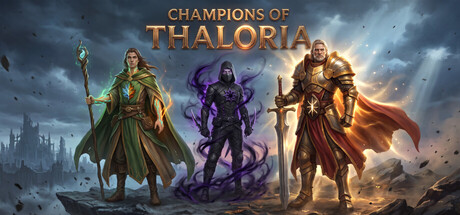
Some of the visual assets in Champions of Thaloria were created with the help
of generative AI tools during development. This includes parts of the store
page artwork and trailer, along with a portion of the in-game 2D art such as
item icons, avatar frames and class emblems.
Every AI-assisted asset was selected, edited and assembled by hand before it
went into the game, and all of it was reviewed by the developer.
The game does not generate anything while you play. No content is created at
runtime and no AI service is contacted during gameplay — everything ships
with the game.
AI tools were used in the creation of some promotional renderings and in-game scene assets. All AI-generated visual content was reviewed, edited, and finalized by the development team to ensure consistency with the game's artistic direction.
Generative AI was used during development to assist with code, artwork, in-game text such as death messages, and store page text. All AI-generated content was reviewed and edited by the developer. No AI runs during gameplay - the game is fully offline and generates no content at runtime.
This game uses AI-assisted tools in parts of its development process, including translation for the Steam store page and some in-game UI text, as well as assistance during the creation of certain visual assets.
AI-assisted tools were used solely during development to support programming tasks such as coding, debugging, and refactoring. All resulting code was reviewed, tested, and integrated by the developer. The game does not generate content using AI during gameplay.
Generative AI tools were used to help create some of the game's assets (such as certain textures, icons, and 3D models), some store page text, and store page artwork (capsules and library art). All AI-assisted content was directed, curated, and edited by the developer. No AI content is generated during gameplay.
Some pre-generated 2D illustrations (menu backgrounds, mode card images, app icon, and store capsule artwork) were created with AI image generation tools and reviewed by a human. The game itself contains no live-generated AI content — all gameplay, 3D models, audio, and code are human-made.
This game uses generative AI to create part of its visual content. Specifically, AI tools were used as part of the graphics workflow to generate concept and source material for sprites and artwork, which were then manually reworked, adjusted, and integrated into the final game using Affinity Designer.
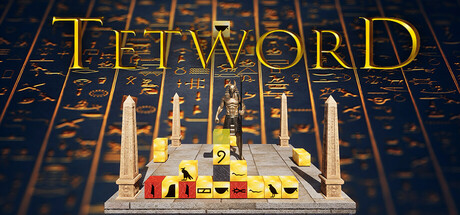
Some of the art assets in TETWORD were created with the help of generative AI tools. Certain textures and 2D artwork were produced using AI image-generation tools, and some 3D models were generated using Meshy AI. Generative AI assistants (ChatGPT and Claude) were also used during development. All AI-assisted assets were reviewed, edited, and curated by the developer before being included in the game. The game's design, code, gameplay, and word content were created by the developer.
Generative AI was used during development to assist in creating some of the pre-generated visual assets. All such assets were manually selected, modified, and integrated by the developers. The game does not generate content in real-time during gameplay, nor does it connect to external AI services.
Some visual assets and text content used in this game were created or assisted by generative artificial intelligence tools. All AI-generated content has been reviewed, edited, and integrated by the development team to ensure consistency with the game's design and quality standards.
The game does not generate AI content during play.
Generative AI tools assisted development and contributed to some pre-generated content used in the game or its marketing. All shipped content was selected, edited, reviewed, and integrated by the development team, and the final product reflects our own creative direction.
Some sound effects in this game were created with the help of generative AI tools, and edited by hand afterwards. All other assets — art, models, animation and design — were made or licensed by the developer without generative AI.
Generative AI tools were used during development to assist with the creation of some game artwork, audio, localization text, and other game content. All AI-assisted outputs were reviewed and, where necessary, edited by the developer before being included in the game. The game does not generate AI content during gameplay.
Background Art — AI generation tools were used for some of the background images. Not all backgrounds were created with AI; hand-made backgrounds are also used. AI-assisted images were further processed to match the game's pixel art style.
Music — The music in this game was created using AI generation tools.
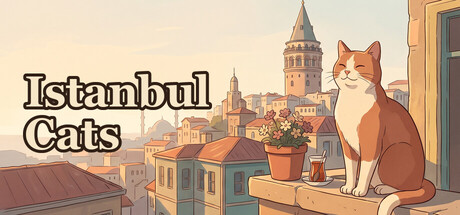
The illustrations, the sound effects and the music in this game were created with the help of generative AI tools, then selected, edited, arranged and mixed by hand. Every cat and every bonus object was placed by hand. There is no live AI generation while the game is running: everything ships with the build and is identical for every player.
Generative AI tools were used during development to assist with the creation and iteration of some 2D artwork, visual assets, UI elements, and marketing materials. All generated content used in the final product is selected and reviewed by the developer. No generative AI content is generated during gameplay.
Some in-game 2D assets (item and UI icons) and marketing materials (store capsule artwork and logo) were created with the help of generative AI image tools and then edited by hand. All code, level design, 3D assets and gameplay systems are authored by the developer. No content is generated by AI during gameplay.
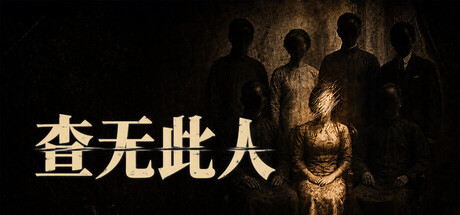
All photorealistic in-game assets and store promotional images are pre-generated via text-to-image AI tools during development. No existing copyrighted photographs, real-life reference images, or specific real-person portraits are used as the basis for generation.
All character visuals are created solely from broad, generic descriptive prompts such as "Chinese young man in the 1990s", and do not reference any real individual. All third-party brand logos, commercial trademarks and potentially infringing elements have been manually reviewed and removed from the generated content.
The developer holds full commercial rights to all AI-generated content in the game and promotional materials.
Generative AI tools were used only to assist with localization and the writing of text for the Steam store page. No content is generated while the product is running.
Some of this game's assets were made with the assistance of generative AI tools and were reviewed, curated and hand-finished by the developer. No content is generated while you play.
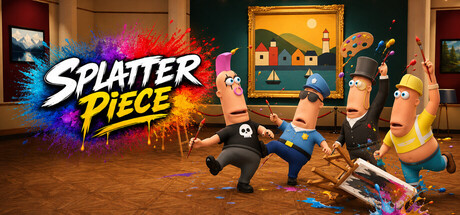
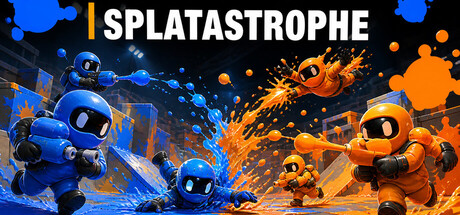
Generative AI tools were used during development to assist with portions of the game’s code, environmental design, visual assets, and promotional artwork. All AI-assisted content was reviewed, edited, and integrated by the developer. Splatastrophe does not generate AI content during gameplay and does not send player data to generative AI services.
Some elements of this game were created using generative AI tools: part of the visual assets (including the logo), the music, and part of the translations. No generative AI is used during gameplay.
Our visual development workflow uses generative AI to create parts of graphical elements and textures. Every AI-assisted visual asset is reviewed, edited and polished by our team to maintain a consistent visual standard across the game.
Generative AI tools were used during development to assist with concept exploration and some fixed, pre-generated visual assets. All outputs were reviewed, edited, curated, and integrated by the developer. The game does not generate AI content at runtime, and players cannot prompt or create AI-generated content.
Some content was created with the assistance of generative AI tools: 2D store and
marketing art (library capsule and library hero), the game's localization into
non-English languages, and portions of in-game flavour text. All localization was
reviewed before shipping. All in-game visuals are generated procedurally at runtime
from code, all sound effects are synthesised at runtime, and all music is
human-composed and licensed under CC BY 4.0. The game performs no AI generation at
runtime and connects to no external AI service.
Some pre-generated game assets, artwork and translations were created or assisted using generative AI. All AI-generated content has been reviewed, edited and integrated by the developer. QuizForge does not use generative AI to create live in-game content during gameplay.
Generative AI was used during development to assist in the creation of certain pre-generated visual assets, including some UI artwork, icons, textures, and other 2D art. All AI-assisted content was reviewed and integrated by the developer before being included in the game. The game does not use live-generated AI during gameplay.
Parts of this game's 2D art were created with the help of generative AI, and every generated asset was reviewed, edited and approved by us before it shipped.
Specifically:
• In-game UI icons (weapon and stat icons) start as AI-generated flat silhouettes, which we then clean up, recolour and integrate by hand.
• Some marketing and store page imagery — background and atmospheric layers of our capsule art — is AI-generated.
• Parts of the source code and some store page text were written with AI assistance and then reviewed, edited and tested by the developers.
Everything else is made by hand, without generative AI: the logo, the app icon and mascot, all 3D models, materials, shaders and visual effects, level layouts.
No generative AI runs while you play. The game does not create content or code at runtime, and it never connects to an external AI service.
Some visual assets used in the game and its promotional materials were created with the assistance of generative AI. The game does not generate AI content at runtime.
Generative AI tools were used during development to assist in creating pre-generated visual assets for the game, including character and hero artwork, team logos, backgrounds, interface elements, and other decorative assets. All generated content is reviewed, selected, edited, and integrated into the game by the developer. The game does not generate AI content during gameplay.
Some promotional artwork on the store page (capsule images and logo) was created with the assistance of generative AI tools, based on the game's own original key art and branding. The game itself contains no AI-generated content: all gameplay, music, visuals, and levels are hand-crafted.
Generative AI was used only for a small set of supporting assets — some interface icons, a few decorative visuals and some sound effects. It is not used while the game is running, and no part of the gameplay or the paintings depends on it.
Some of the visual assets in Champions of Thaloria were created with the help
of generative AI tools during development. This includes parts of the store
page artwork and trailer, along with a portion of the in-game 2D art such as
item icons, avatar frames and class emblems.
Every AI-assisted asset was selected, edited and assembled by hand before it
went into the game, and all of it was reviewed by the developer.
The game does not generate anything while you play. No content is created at
runtime and no AI service is contacted during gameplay — everything ships
with the game.
AI tools were used in the creation of some promotional renderings and in-game scene assets. All AI-generated visual content was reviewed, edited, and finalized by the development team to ensure consistency with the game's artistic direction.
Generative AI was used during development to assist with code, artwork, in-game text such as death messages, and store page text. All AI-generated content was reviewed and edited by the developer. No AI runs during gameplay - the game is fully offline and generates no content at runtime.
This game uses AI-assisted tools in parts of its development process, including translation for the Steam store page and some in-game UI text, as well as assistance during the creation of certain visual assets.
AI-assisted tools were used solely during development to support programming tasks such as coding, debugging, and refactoring. All resulting code was reviewed, tested, and integrated by the developer. The game does not generate content using AI during gameplay.
Generative AI tools were used to help create some of the game's assets (such as certain textures, icons, and 3D models), some store page text, and store page artwork (capsules and library art). All AI-assisted content was directed, curated, and edited by the developer. No AI content is generated during gameplay.
Some pre-generated 2D illustrations (menu backgrounds, mode card images, app icon, and store capsule artwork) were created with AI image generation tools and reviewed by a human. The game itself contains no live-generated AI content — all gameplay, 3D models, audio, and code are human-made.
This game uses generative AI to create part of its visual content. Specifically, AI tools were used as part of the graphics workflow to generate concept and source material for sprites and artwork, which were then manually reworked, adjusted, and integrated into the final game using Affinity Designer.
Some of the art assets in TETWORD were created with the help of generative AI tools. Certain textures and 2D artwork were produced using AI image-generation tools, and some 3D models were generated using Meshy AI. Generative AI assistants (ChatGPT and Claude) were also used during development. All AI-assisted assets were reviewed, edited, and curated by the developer before being included in the game. The game's design, code, gameplay, and word content were created by the developer.
Generative AI was used during development to assist in creating some of the pre-generated visual assets. All such assets were manually selected, modified, and integrated by the developers. The game does not generate content in real-time during gameplay, nor does it connect to external AI services.
Some visual assets and text content used in this game were created or assisted by generative artificial intelligence tools. All AI-generated content has been reviewed, edited, and integrated by the development team to ensure consistency with the game's design and quality standards.
The game does not generate AI content during play.
Generative AI tools assisted development and contributed to some pre-generated content used in the game or its marketing. All shipped content was selected, edited, reviewed, and integrated by the development team, and the final product reflects our own creative direction.
Some sound effects in this game were created with the help of generative AI tools, and edited by hand afterwards. All other assets — art, models, animation and design — were made or licensed by the developer without generative AI.
Generative AI tools were used during development to assist with the creation of some game artwork, audio, localization text, and other game content. All AI-assisted outputs were reviewed and, where necessary, edited by the developer before being included in the game. The game does not generate AI content during gameplay.
Background Art — AI generation tools were used for some of the background images. Not all backgrounds were created with AI; hand-made backgrounds are also used. AI-assisted images were further processed to match the game's pixel art style.
Music — The music in this game was created using AI generation tools.
The illustrations, the sound effects and the music in this game were created with the help of generative AI tools, then selected, edited, arranged and mixed by hand. Every cat and every bonus object was placed by hand. There is no live AI generation while the game is running: everything ships with the build and is identical for every player.
Generative AI tools were used during development to assist with the creation and iteration of some 2D artwork, visual assets, UI elements, and marketing materials. All generated content used in the final product is selected and reviewed by the developer. No generative AI content is generated during gameplay.
Some in-game 2D assets (item and UI icons) and marketing materials (store capsule artwork and logo) were created with the help of generative AI image tools and then edited by hand. All code, level design, 3D assets and gameplay systems are authored by the developer. No content is generated by AI during gameplay.
All photorealistic in-game assets and store promotional images are pre-generated via text-to-image AI tools during development. No existing copyrighted photographs, real-life reference images, or specific real-person portraits are used as the basis for generation.
All character visuals are created solely from broad, generic descriptive prompts such as "Chinese young man in the 1990s", and do not reference any real individual. All third-party brand logos, commercial trademarks and potentially infringing elements have been manually reviewed and removed from the generated content.
The developer holds full commercial rights to all AI-generated content in the game and promotional materials.
Generative AI tools were used only to assist with localization and the writing of text for the Steam store page. No content is generated while the product is running.
Some of this game's assets were made with the assistance of generative AI tools and were reviewed, curated and hand-finished by the developer. No content is generated while you play.
Generative AI tools were used during development to assist with portions of the game’s code, environmental design, visual assets, and promotional artwork. All AI-assisted content was reviewed, edited, and integrated by the developer. Splatastrophe does not generate AI content during gameplay and does not send player data to generative AI services.
Some elements of this game were created using generative AI tools: part of the visual assets (including the logo), the music, and part of the translations. No generative AI is used during gameplay.
Our visual development workflow uses generative AI to create parts of graphical elements and textures. Every AI-assisted visual asset is reviewed, edited and polished by our team to maintain a consistent visual standard across the game.
Generative AI tools were used during development to assist with concept exploration and some fixed, pre-generated visual assets. All outputs were reviewed, edited, curated, and integrated by the developer. The game does not generate AI content at runtime, and players cannot prompt or create AI-generated content.
Some content was created with the assistance of generative AI tools: 2D store and
marketing art (library capsule and library hero), the game's localization into
non-English languages, and portions of in-game flavour text. All localization was
reviewed before shipping. All in-game visuals are generated procedurally at runtime
from code, all sound effects are synthesised at runtime, and all music is
human-composed and licensed under CC BY 4.0. The game performs no AI generation at
runtime and connects to no external AI service.
Some pre-generated game assets, artwork and translations were created or assisted using generative AI. All AI-generated content has been reviewed, edited and integrated by the developer. QuizForge does not use generative AI to create live in-game content during gameplay.