Public Steam disclosure research25,877 disclosures tracked
Where do games disclose AI use?
Search developers’ Steam disclosures, compare classified AI use across
games, and follow recorded changes.
This index adds cross-game classifications and statistics to
statements published on individual store pages.
Groups reflect automatic analysis of public disclosures; mature records are excluded. These counts do not measure AI use across all of Steam.
Missing or unclear statements cannot establish whether a game uses AI.
This game used generative AI in a limited capacity during development to assist with Blueprint/code writing and debugging. It does not include any features that generate content or code in real time during gameplay, and no art, textures, sounds, story elements, marketing images were created using generative AI.
This game is an experimental pilot project commissioned by World Labs, the creators of Marble AI technology. I used their AI as a tool for producing scenes and landscapes. The creative process always began with my spatial planning and, in many cases, my own hand-drawn sketches. These were translated into a realistic image style using generative AI and ultimately used by Marble AI to create the final scenes under my strict artistic direction.
To our players:
During the development of this game, I used artificial intelligence (AI) as an auxiliary creative tool, primarily to generate some art assets and character voice files.
As a solo developer, all AI-generated content has been individually adjusted, optimized, and integrated by me to ensure consistency in style and alignment with the game's overall vision. The core gameplay, level design, and all content were completed independently by me. The background music is sourced from copyright-free open music libraries to ensure legal compliance.
AI served as a helper to realize my creative ideas, while the soul and craftsmanship of the entire work remain human-made. Thank you for your understanding and support, and I hope you enjoy this unique gaming experience.
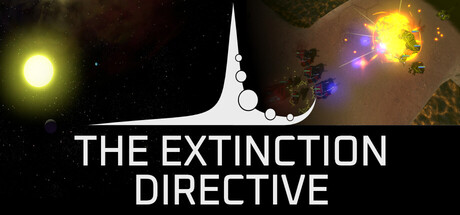
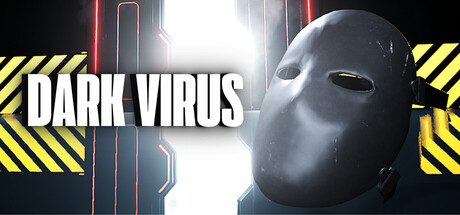
AI Has been used to assist in game development, as well as designing some of the character and enemy voxel models. It has also been used to enhance clips or screenshots from the game to use for the store page items. For example the VD Logo is polished from the in game main menu screen, and then used AI to fit together and clean it up.
AI-assisted tools were used during development for prototyping and reference purposes, including code, visuals, and audio.
All such materials were manually reviewed and approved by the development team.
The final game does not rely on AI-generated content during gameplay.
AI tools were used during development to assist with game code and visual design. The AI helped with coding support, debugging suggestions, and creating certain visual assets such as icons and background elements. No AI-generated content is produced in real time during gameplay — all AI-assisted work was done before release to improve development efficiency and visual quality.
Some character voices, textures, ambient audio, and concept images in Silent Chamber were created or enhanced using AI tools during development. All AI-generated content is pre-rendered and reviewed by the development team to ensure quality, originality, and suitability for the story. No live or dynamic AI generation occurs during gameplay.
Certain interface icons and logos in this game were generated using GPT Image 1, while some 3D models were created with Meshy. All AI-generated assets have been manually modified and refined.
In the game, players can press the "G" key to open the AI communication panel, and interact with the two AIs—Doubao and DeepSeek—by typing text. Players can choose to chat with either Doubao or DeepSeek, and both AIs will respond based on the player's input.
Meanwhile, the AIs' decisions will influence the progression of the in-game storyline and their own specific behaviors. For instance, the AIs may determine the direction of storyline branches based on the content of the player's conversation, or change their movement paths in the game world and perform different actions. This creates a richer and more personalized gaming experience for players.
Artwork, both inspirational and in game, have been generated for us by AI. Our long term plan, pending the success of the game, is to replace all AI geneated artwork with custom created, human made assets.
・Program Development Support: Using GitHub Copilot and OpenAI ChatGPT for code completion and refactoring.
・Graphic and Design Creation Support: Utilizing OpenAI ChatGPT and Google Gemini to support asset creation.
・Scenario Writing Support: Employing OpenAI ChatGPT and Microsoft 365 Copilot for story structuring and text improvement.
・Pre-translated content using OpenAI API (gpt-4o-mini) for multilingual support.
As a solo developer, I used AI tools to assist in creating the base assets for marketing materials and background art. Each generated element was then manually edited, polished, and overpainted to ensure it met the game's aesthetic standards and to guarantee that the final output contains no infringing or illegal content.
However, no AI has been used in the actual game; all gameplay assets, including sprites, UI and card art are entirely hand-drawn.
As a small Indie studio, we can't afford a composer and voice actors, so for the moment we decided to use AI. Ideally, for the release, we will be using real voices actors and music composed by a real composer.
Some visual assets and BGM in this game were created using AI-assisted tools during development.
AI was used only for concept generation and illustration support, not for real-time gameplay or content generation.
We used AI to generate images and for initial code reviews. Our team reviewed everything it produced, and we shipped those results in early production. It also served as a great "rubber duck" for us to work through tough problems.
Some visual and audio assets in this game were partially created or enhanced using generative AI tools under the developer’s supervision.
All content has been reviewed and edited manually to ensure it fits the artistic style and atmosphere of the game.
The game itself does not generate or use AI content in real time.
Concept arts and drafts for characters, monsters, UI icons are generated by AI, however, they have all gone through manual post-processed. Sound assets are generated by generative-AI models. Marketing materials including Library Assets are also AI-assisted generated. Some parts of localization string is assisted by AI to get proper translation.
Some visual and textual elements used in the game's marketing materials were created with the assistance of artificial intelligence tools.
No AI is used during gameplay, and all in-game content is designed and implemented manually.
Trailer section and some of the game’s models were created with the assistance of AI. However, the overall content and design of the game were designed by us. AI was used only to support us in the visual aspects of the project.
The developer utilized AI image generation tools to assist in the creation of specific static visual assets where professional human artist craft was not financially viable for a solo project. These assets include the store capsule art, menu background textures, and narrative event illustrations. All AI generated output was heavily curated, edited, and painfully amended by the developer to ensure consistency with the game's 1970s pulp fantasy aesthetic and pixel-art gameplay. No AI is used to generate content live during gameplay.
Some visual assets such as in-game posters were created using generative AI tools during development. All AI generated content was reviewed and edited manually to ensure originality and compliance with Steam guidelines.
Generative AI was used for images generation used in-game. Part of generated images was then corrected by a paid human worker. Another generated part is relatively low quality and is aimed to be replaced by proper art before the full release.
Images for the Steam page are including AI-generated graphical content from the game.
Generative AI was also partially used for programming help, with every generated line being reviewed by the actual developer.
"OpenAI ChatGPT" and "pixellab.ai" were used during development.
This game used generative AI in a limited capacity during development to assist with Blueprint/code writing and debugging. It does not include any features that generate content or code in real time during gameplay, and no art, textures, sounds, story elements, marketing images were created using generative AI.
This game is an experimental pilot project commissioned by World Labs, the creators of Marble AI technology. I used their AI as a tool for producing scenes and landscapes. The creative process always began with my spatial planning and, in many cases, my own hand-drawn sketches. These were translated into a realistic image style using generative AI and ultimately used by Marble AI to create the final scenes under my strict artistic direction.
To our players:
During the development of this game, I used artificial intelligence (AI) as an auxiliary creative tool, primarily to generate some art assets and character voice files.
As a solo developer, all AI-generated content has been individually adjusted, optimized, and integrated by me to ensure consistency in style and alignment with the game's overall vision. The core gameplay, level design, and all content were completed independently by me. The background music is sourced from copyright-free open music libraries to ensure legal compliance.
AI served as a helper to realize my creative ideas, while the soul and craftsmanship of the entire work remain human-made. Thank you for your understanding and support, and I hope you enjoy this unique gaming experience.
AI Has been used to assist in game development, as well as designing some of the character and enemy voxel models. It has also been used to enhance clips or screenshots from the game to use for the store page items. For example the VD Logo is polished from the in game main menu screen, and then used AI to fit together and clean it up.
AI-assisted tools were used during development for prototyping and reference purposes, including code, visuals, and audio.
All such materials were manually reviewed and approved by the development team.
The final game does not rely on AI-generated content during gameplay.
AI tools were used during development to assist with game code and visual design. The AI helped with coding support, debugging suggestions, and creating certain visual assets such as icons and background elements. No AI-generated content is produced in real time during gameplay — all AI-assisted work was done before release to improve development efficiency and visual quality.
Some character voices, textures, ambient audio, and concept images in Silent Chamber were created or enhanced using AI tools during development. All AI-generated content is pre-rendered and reviewed by the development team to ensure quality, originality, and suitability for the story. No live or dynamic AI generation occurs during gameplay.
Certain interface icons and logos in this game were generated using GPT Image 1, while some 3D models were created with Meshy. All AI-generated assets have been manually modified and refined.
In the game, players can press the "G" key to open the AI communication panel, and interact with the two AIs—Doubao and DeepSeek—by typing text. Players can choose to chat with either Doubao or DeepSeek, and both AIs will respond based on the player's input.
Meanwhile, the AIs' decisions will influence the progression of the in-game storyline and their own specific behaviors. For instance, the AIs may determine the direction of storyline branches based on the content of the player's conversation, or change their movement paths in the game world and perform different actions. This creates a richer and more personalized gaming experience for players.
Artwork, both inspirational and in game, have been generated for us by AI. Our long term plan, pending the success of the game, is to replace all AI geneated artwork with custom created, human made assets.
・Program Development Support: Using GitHub Copilot and OpenAI ChatGPT for code completion and refactoring.
・Graphic and Design Creation Support: Utilizing OpenAI ChatGPT and Google Gemini to support asset creation.
・Scenario Writing Support: Employing OpenAI ChatGPT and Microsoft 365 Copilot for story structuring and text improvement.
・Pre-translated content using OpenAI API (gpt-4o-mini) for multilingual support.
As a solo developer, I used AI tools to assist in creating the base assets for marketing materials and background art. Each generated element was then manually edited, polished, and overpainted to ensure it met the game's aesthetic standards and to guarantee that the final output contains no infringing or illegal content.
However, no AI has been used in the actual game; all gameplay assets, including sprites, UI and card art are entirely hand-drawn.
As a small Indie studio, we can't afford a composer and voice actors, so for the moment we decided to use AI. Ideally, for the release, we will be using real voices actors and music composed by a real composer.
Some visual assets and BGM in this game were created using AI-assisted tools during development.
AI was used only for concept generation and illustration support, not for real-time gameplay or content generation.
We used AI to generate images and for initial code reviews. Our team reviewed everything it produced, and we shipped those results in early production. It also served as a great "rubber duck" for us to work through tough problems.
Some visual and audio assets in this game were partially created or enhanced using generative AI tools under the developer’s supervision.
All content has been reviewed and edited manually to ensure it fits the artistic style and atmosphere of the game.
The game itself does not generate or use AI content in real time.
Concept arts and drafts for characters, monsters, UI icons are generated by AI, however, they have all gone through manual post-processed. Sound assets are generated by generative-AI models. Marketing materials including Library Assets are also AI-assisted generated. Some parts of localization string is assisted by AI to get proper translation.
Some visual and textual elements used in the game's marketing materials were created with the assistance of artificial intelligence tools.
No AI is used during gameplay, and all in-game content is designed and implemented manually.
Trailer section and some of the game’s models were created with the assistance of AI. However, the overall content and design of the game were designed by us. AI was used only to support us in the visual aspects of the project.
The developer utilized AI image generation tools to assist in the creation of specific static visual assets where professional human artist craft was not financially viable for a solo project. These assets include the store capsule art, menu background textures, and narrative event illustrations. All AI generated output was heavily curated, edited, and painfully amended by the developer to ensure consistency with the game's 1970s pulp fantasy aesthetic and pixel-art gameplay. No AI is used to generate content live during gameplay.
Some visual assets such as in-game posters were created using generative AI tools during development. All AI generated content was reviewed and edited manually to ensure originality and compliance with Steam guidelines.
Generative AI was used for images generation used in-game. Part of generated images was then corrected by a paid human worker. Another generated part is relatively low quality and is aimed to be replaced by proper art before the full release.
Images for the Steam page are including AI-generated graphical content from the game.
Generative AI was also partially used for programming help, with every generated line being reviewed by the actual developer.
"OpenAI ChatGPT" and "pixellab.ai" were used during development.