Public Steam disclosure research25,394 disclosures tracked
Where do games disclose AI use?
Search developers’ Steam disclosures, compare classified AI use across
games, and follow recorded changes.
This index adds cross-game classifications and statistics to
statements published on individual store pages.
Groups reflect automatic analysis of public disclosures; mature records are excluded. These counts do not measure AI use across all of Steam.
Missing or unclear statements cannot establish whether a game uses AI.
Generative AI tools were used during development to assist in creating some pre-generated 2D visual assets, including character imagery and certain promotional and store page artwork.
All AI-assisted content is pre-generated, reviewed, selected, and edited by the developer before being included in the game or its marketing materials.
The game does not use live generative AI and no content is generated by AI during gameplay.
Our work incorporates commissioned artwork, licensed and publicly available assets, and AI-generated content. Regardless of the source materials used, the final product is the creative expression of our development team.
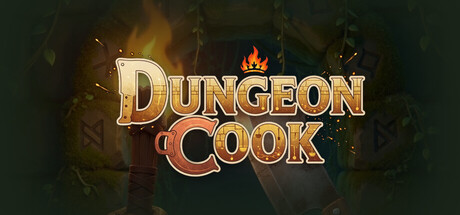
Most of the game’s art, music, and other audiovisual assets were first generated with AI tools, then hand-picked, cropped, retouched, and reworked by the developer so they fit this game’s look, feel, and systems.
Nothing is generated by AI while you play. Combat, cooking, exploration, and story presentation use only content that shipped with the game after that human edit pass.
This game uses generative AI to create a portion of its image assets. Specifically, some illustrations and background images were pre-generated during development using Kling AI and Microsoft Copilot. All AI-generated images were reviewed, selected, and edited by the developer before being included in the game. No generative AI content is generated live during gameplay, and no generative AI was used for the scenario, music, or voices.
Generative AI tools were used during development to assist with selected 2D and 3D visual assets, sounds, localization, and marketing materials.
All AI-assisted content was reviewed, edited, and integrated by the developer to ensure consistency with the game's visual style and intended design.
This game has been developed using AI programming agents, and also contains audio and image files generated by AI. No AI contents are generated during gameplay.
Dragon Soul: Awakening is a solo-developed game that uses generative AI as one of many creative tools during development. The logo, some backgrounds, character sprites, UI elements, and music were created using AI-assisted workflows alongside original writing, design, editing, and human-created artwork. Some AI-assisted assets currently serve as placeholders during development and will be replaced before the full release.
Ashen Wild was created almost exclusively with AI tools to generate the code and graphics, VFX, sound etc. The store page, website and other marketing materials were created using AI.
Some non-gameplay materials in this project were created with the help of generative AI tools, such as certain promotional visuals, store page imagery, and supporting text. All core game design, mechanics, story, and gameplay content were created by the developer. AI-assisted materials were reviewed and edited by the developer before release.
This game used generative AI tools during development to assist with a limited portion of visual and audio asset creation. All AI-assisted content was reviewed and curated by the developer before release. No AI content is generated live during gameplay.
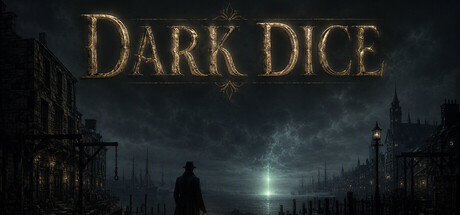
AI-assisted tools were used during the development of DarkDice in the following ways:
Code development — AI coding assistants helped write and refactor portions of the game's codebase.
Text editing — AI tools were used to proofread, polish, and tighten narrative and UI copy.
Localization & Editing — AI is used to assist with the translation, text expansion, polishing, and style adjustment of game text between English and Chinese (Traditional/Simplified).
Image generation — Some visual assets (case artwork, promotional images) were created using AI image-generation tools.
No content is generated in real time during gameplay — every case is a fixed, pre-authored story; nothing changes between playthroughs.
I developed this game entirely on my own, handling all the game design, hand-drawn artwork, and music composition myself.
Only the translations/localizations were generated by AI.
Some placeholder assets in the current build (terrain textures and sound effects) were AI-generated and are being replaced with human-made and procedural versions. All models, writing, characters, and design are human-made.
Generative AI tools were used to assist with programming during development and to support the creation of some of the game's music. All AI-assisted content was reviewed and integrated by the developer.
As a small independent developer, obviously AI tools was used to assist in the development of this game, including working on graphical elements as well as writing code.
Portions of the in-game codex (character biographies, historical battle summaries) were drafted with the assistance of a large language model based on the developer's own lore notes and edited by hand. A subset of pixel-art tile and prop textures were procedurally generated from developer-written Python scripts. All content is reviewed and finalized by the developer; no generative image models (e.g. Stable Diffusion, Midjourney) were used to produce in-game art.
AI tools (LLMs) were used solely for programming assistance, brainstorming, and writing Unreal Engine Blueprint logic. All visual assets, 3D models, and gameplay systems were entirely created and implemented manually by the solo developer.
In-game background and character artwork, as well as store graphical assets, were pre-rendered using generative AI and manually reviewed and edited by the developer. All narrative text was written by the developer. No live-generated content.
Generative AI tools were used during development to assist with the creation of pre-generated visual assets, including some game artwork and Steam store/marketing assets. All generated content is reviewed and curated before inclusion in the game or its marketing materials. The game does not generate AI content during gameplay.
Character/background art: ChatGPT (image generation)
Music: SOUNDRAW (AI music generation)
Translations other than Japanese (10 languages): Machine-translated via ChatGPT
No AI runs at runtime — everything is pre-generated and bundled
We use AI-based text-to-speech tools to generate the character voice-over in this game. Everything else that ships in the game is made by our own development team.
Generative AI tools were used to assist in the creation and enhancement of selected promotional artwork and Store Page imagery. All generated materials were reviewed, edited, and curated by the development team. The game itself does not use generative AI to create content dynamically during gameplay.
Generative AI tools were used to assist with store page text localization and marketing copy drafts. All content was reviewed and edited by the developer before publication.
The background images featured in the game were created using AI.
Some of the images used in the in-game UI were generated using AI.
The in-game background music (BGM) was created using AI.
Generative AI tools were used in the artwork production process for this game. The resulting images were selected, edited, and integrated by the developer to match the game’s atmosphere and direction.
Game Arena X uses AI-generated content only to a very limited extent. A small number of UI elements were initially created with the assistance of AI, after which they were extensively refined, adjusted, and customized by our in-house design team.
All other aspects of Game Arena X — including the platform’s concept, visual design, competitive systems, gameplay features, user experience, and overall development — are entirely original and created by our team.
Generative AI was used in the development of this game. The background art and character illustrations were created with an image generation model; all images were selected, edited, and processed by the developer. The story text and game logic were drafted and implemented with a large language model, with the developer directing the story and scene design, reviewing and approving all content, and requesting revisions. No generative AI runs at runtime during gameplay.
Generative AI tools were used during the early production stage to create preliminary visual assets and reference materials. All AI-assisted assets included in the final game were manually edited, refined, and reviewed by our designers.
AI tools were used during development to generate some of the visual assets (such as UI elements/background textures) and promotional/audio elements. All AI-generated content was reviewed, edited, and integrated manually into the game.
This game uses generative AI tools to help create static visual assets, including card illustrations and background artwork. All AI-generated content is produced during development and does not change during gameplay — nothing is generated in real time.
Generative AI tools were used during development to assist in creating some pre-generated 2D visual assets, including character imagery and certain promotional and store page artwork.
All AI-assisted content is pre-generated, reviewed, selected, and edited by the developer before being included in the game or its marketing materials.
The game does not use live generative AI and no content is generated by AI during gameplay.
Our work incorporates commissioned artwork, licensed and publicly available assets, and AI-generated content. Regardless of the source materials used, the final product is the creative expression of our development team.
Most of the game’s art, music, and other audiovisual assets were first generated with AI tools, then hand-picked, cropped, retouched, and reworked by the developer so they fit this game’s look, feel, and systems.
Nothing is generated by AI while you play. Combat, cooking, exploration, and story presentation use only content that shipped with the game after that human edit pass.
This game uses generative AI to create a portion of its image assets. Specifically, some illustrations and background images were pre-generated during development using Kling AI and Microsoft Copilot. All AI-generated images were reviewed, selected, and edited by the developer before being included in the game. No generative AI content is generated live during gameplay, and no generative AI was used for the scenario, music, or voices.
Generative AI tools were used during development to assist with selected 2D and 3D visual assets, sounds, localization, and marketing materials.
All AI-assisted content was reviewed, edited, and integrated by the developer to ensure consistency with the game's visual style and intended design.
This game has been developed using AI programming agents, and also contains audio and image files generated by AI. No AI contents are generated during gameplay.
Dragon Soul: Awakening is a solo-developed game that uses generative AI as one of many creative tools during development. The logo, some backgrounds, character sprites, UI elements, and music were created using AI-assisted workflows alongside original writing, design, editing, and human-created artwork. Some AI-assisted assets currently serve as placeholders during development and will be replaced before the full release.
Ashen Wild was created almost exclusively with AI tools to generate the code and graphics, VFX, sound etc. The store page, website and other marketing materials were created using AI.
Some non-gameplay materials in this project were created with the help of generative AI tools, such as certain promotional visuals, store page imagery, and supporting text. All core game design, mechanics, story, and gameplay content were created by the developer. AI-assisted materials were reviewed and edited by the developer before release.
This game used generative AI tools during development to assist with a limited portion of visual and audio asset creation. All AI-assisted content was reviewed and curated by the developer before release. No AI content is generated live during gameplay.
AI-assisted tools were used during the development of DarkDice in the following ways:
Code development — AI coding assistants helped write and refactor portions of the game's codebase.
Text editing — AI tools were used to proofread, polish, and tighten narrative and UI copy.
Localization & Editing — AI is used to assist with the translation, text expansion, polishing, and style adjustment of game text between English and Chinese (Traditional/Simplified).
Image generation — Some visual assets (case artwork, promotional images) were created using AI image-generation tools.
No content is generated in real time during gameplay — every case is a fixed, pre-authored story; nothing changes between playthroughs.
I developed this game entirely on my own, handling all the game design, hand-drawn artwork, and music composition myself.
Only the translations/localizations were generated by AI.
Some placeholder assets in the current build (terrain textures and sound effects) were AI-generated and are being replaced with human-made and procedural versions. All models, writing, characters, and design are human-made.
Generative AI tools were used to assist with programming during development and to support the creation of some of the game's music. All AI-assisted content was reviewed and integrated by the developer.
As a small independent developer, obviously AI tools was used to assist in the development of this game, including working on graphical elements as well as writing code.
Portions of the in-game codex (character biographies, historical battle summaries) were drafted with the assistance of a large language model based on the developer's own lore notes and edited by hand. A subset of pixel-art tile and prop textures were procedurally generated from developer-written Python scripts. All content is reviewed and finalized by the developer; no generative image models (e.g. Stable Diffusion, Midjourney) were used to produce in-game art.
AI tools (LLMs) were used solely for programming assistance, brainstorming, and writing Unreal Engine Blueprint logic. All visual assets, 3D models, and gameplay systems were entirely created and implemented manually by the solo developer.
In-game background and character artwork, as well as store graphical assets, were pre-rendered using generative AI and manually reviewed and edited by the developer. All narrative text was written by the developer. No live-generated content.
Generative AI tools were used during development to assist with the creation of pre-generated visual assets, including some game artwork and Steam store/marketing assets. All generated content is reviewed and curated before inclusion in the game or its marketing materials. The game does not generate AI content during gameplay.
Character/background art: ChatGPT (image generation)
Music: SOUNDRAW (AI music generation)
Translations other than Japanese (10 languages): Machine-translated via ChatGPT
No AI runs at runtime — everything is pre-generated and bundled
We use AI-based text-to-speech tools to generate the character voice-over in this game. Everything else that ships in the game is made by our own development team.
Generative AI tools were used to assist in the creation and enhancement of selected promotional artwork and Store Page imagery. All generated materials were reviewed, edited, and curated by the development team. The game itself does not use generative AI to create content dynamically during gameplay.
Generative AI tools were used to assist with store page text localization and marketing copy drafts. All content was reviewed and edited by the developer before publication.
The background images featured in the game were created using AI.
Some of the images used in the in-game UI were generated using AI.
The in-game background music (BGM) was created using AI.
Generative AI tools were used in the artwork production process for this game. The resulting images were selected, edited, and integrated by the developer to match the game’s atmosphere and direction.
Game Arena X uses AI-generated content only to a very limited extent. A small number of UI elements were initially created with the assistance of AI, after which they were extensively refined, adjusted, and customized by our in-house design team.
All other aspects of Game Arena X — including the platform’s concept, visual design, competitive systems, gameplay features, user experience, and overall development — are entirely original and created by our team.
Generative AI was used in the development of this game. The background art and character illustrations were created with an image generation model; all images were selected, edited, and processed by the developer. The story text and game logic were drafted and implemented with a large language model, with the developer directing the story and scene design, reviewing and approving all content, and requesting revisions. No generative AI runs at runtime during gameplay.
Generative AI tools were used during the early production stage to create preliminary visual assets and reference materials. All AI-assisted assets included in the final game were manually edited, refined, and reviewed by our designers.
AI tools were used during development to generate some of the visual assets (such as UI elements/background textures) and promotional/audio elements. All AI-generated content was reviewed, edited, and integrated manually into the game.
This game uses generative AI tools to help create static visual assets, including card illustrations and background artwork. All AI-generated content is produced during development and does not change during gameplay — nothing is generated in real time.