


Disclosure
Using AI to partially generate game code and character portraits.
- Creator
- LumiXL
- Reviews
- -
- Added
- Nov 26, 2026
Public Steam disclosure research 27,951 disclosures tracked
Search developers’ Steam disclosures, compare classified AI use across games, and follow recorded changes. This index adds cross-game classifications and statistics to statements published on individual store pages.
Code help, debugging and other development work.
Capsule art, trailers and promotional material.
Pre-made art, audio, writing and other game assets.
Interactive or runtime AI features disclosed by the developer.
Groups reflect automatic analysis of public disclosures; mature records are excluded. These counts do not measure AI use across all of Steam. Missing or unclear statements cannot establish whether a game uses AI.
Using AI to partially generate game code and character portraits.
The game's pixel art, music, sound effects and translations, as well as its store page art and texts, were created with the help of AI tools under the developer's direction. Nothing is generated by AI while you play.
Pre-generated AI-assisted content includes artwork for backgrounds, comic scenes, interface elements, some equipment and store graphics, as well as synthetic dialogue voices and assistance with text and localization. These assets are packaged with the game. The game does not generate content with AI while running.
Some of the artworks were created or enhanced using AI-based tools. All generated content has been reviewed, edited, and integrated to ensure consistency with the overall visual style and quality .The pilgrims' voices were generated using AI. Their dialogue and combat barks are included in the game as finished audio recordings and are played during moments such as encounters with boss enemies. No AI is used during gameplay.
Generative AI was used for some of the music in Shining: Block 21.
Some assets used AI tools as a starting point, then were edited and improved by the developer.
Used for proof checking code, sound design, testing, and to aid with bug fixing.
Day of the Smudgies was directed by Michael Jonsson and built on his Smudge characters, using AI tools throughout. Anthropic's Claude generated the game code, pixel art and synth score, and drafted the dialogue, from his direction. He rewrote the dialogue, and picked, cut, fixed and playtested what made it into the game. Character voices are ElevenLabs AI voices. Cinematic stills, character portraits and the end-credits music video "Verny's Cut" (song and video) were made with AI image, video and music tools.
Generative AI tools assisted in creating and editing in-game visual assets, dialogue, translations, music, and sound effects, as well as promotional artwork and text for the Steam store page. These materials were prepared during development. The game does not generate AI content during gameplay.
As a small independent studio, we used generative AI tools offline to assist with a limited set of assets, including select 2D and promotional artwork, voice lines, and a handful of 3D environmental landmarks. Everything was directed, edited, and integrated by hand. No generative AI runs during gameplay, and all core ships, characters, and game systems are built from custom code and licensed art assets.
Artificial intelligence was used to generate some of the visuals, sounds, and promotional page content within the game. All AI-generated content has been reviewed, edited, and approved by a human. All AI content was created in advance; no AI-generated content is produced in real time during gameplay.
AI tools were used to help create graphical assets for RINO RUSH 2
The sailor's voice and a few sound effects were made with the help of AI tools. The game's idea and gameplay are our own.
Some of the store's capsule art was made with the help of AI image tools. The voices in the teaser trailer were made with AI text-to-speech.
This game includes content created with the assistance of generative AI. AI-assisted tools were used in the creation of various game assets and materials, including visual elements, text, and other supporting content. All AI-assisted content was reviewed and integrated by the developer before release.
During the development of this game, we used AI as a reference tool to explore ideas and support the development process. AI served as an aid to the reference process, while the final decisions regarding the game's design and development were made by us.
Some of this game's art and audio assets were produced with the assistance of generative AI, including character and monster portraits, skill effect sprite sequences, environment and animation assets, and background music. All AI-generated assets were manually selected and refined — background removal, frame slicing, color grading, and resizing — before being integrated into the game. The game does not call any AI model at runtime and does not generate content in real time. Every asset the player sees or hears is fixed before release.
Some in-game artwork and sound effects were created using generative AI.
Generative AI tools were used extensively during development, including to help create some of the game’s content. The development team reviewed and edited the AI-assisted content before including it in the game.
Massive human effort, but AI is used to help create content.
AI tools were used during development. All sound effects, ambience, music and voice lines were made with AI, as were some UI elements, icons and textures, and the 3D models of the rope and a few of the monsters. The store artwork, trailer and marketing material were also made with AI. The game's code was written with an AI coding assistant, directed and tested by the developer. Everything was reviewed and edited by the developer. The game does not generate any AI content while you play.
Store page materails and a few of the in game visuals are created with the help of the ai.
The game uses AI assisted translations for all languages besides English and Portuguese. Some in game items and achievements had their art refined with AI assisted tools. All AI assisted artwork used in the game passed through full human revision before inclusion.
A small number of scene models in the game are AI-generated and have been manually modified before being implemented.
TAs a solo developer, I utilized Generative AI tools to assist in the creation of various assets, including art, code, sound, and text. However, the core game design, complex systems, and the overall vision are the result of my own manual work, passion, and coordination. AI was used as a production tool to allow a single person to build a game of this scale and complexity, but the heart of the experience is human-crafted
Some sound effects / music were generated using AI and then adjusted. Some art assets (like wall texture / Particle Effects ) were generated using AI.
Used AI-assisted creation
Some of the game’s base images were generated using AI, then refined and polished by hand by experienced artists. AI has also been used as a coding partner throughout development. All code is either written or reviewed by a developer. The game itself contains no AI-generated or AI-driven content or systems.
Some of the in-game text (interface, emails and memos, in English and French) was written with the help of AI tools, then reviewed and edited by hand. The ten ID photos you pick from at the start are AI-generated portraits of people who don't exist. The 3D models, sounds and music come from packs made by people. Nothing is generated by AI while you play.
The game includes pre-rendered artwork made with AI assistance, including its logo, promotional illustrations and selected supporting graphics. Original character sprites are also used. No AI content is created during gameplay.
Some news and event images, shown on the store page and occasionally in the game, were created using generative AI tools and reviewed by our team before release.
Tower Up was developed with the assistance of AI tools. These tools were used to create the game's user interface assets and support various aspects of the development process, and AI coding tools.
Generative AI was used to create or modify some of the audio and visual assets in the game.
Some 2D art (player avatar portraits and clan emblems) was created with the help of AI image generation tools and then edited by the developer. No AI content is generated during gameplay.
AI-assisted tools were used for some artwork, audio, and programming during development. The resulting assets and code were reviewed and edited by our team.
Mebula has been around for a long time: we have been developing the game since 2013, and it launched in 2017. The Mebulys and the game world are carefully drawn by hand. Today we use generative AI to translate the game texts into other languages. AI tools also help us write, revise and proofread texts for the game, the store page and announcements. The short intro and ending of our trailer (clouds, motion and sound) were created with AI. All content was selected, edited and reviewed by our team.
This game uses AI-generated images created during development. Applicant ID photos, opening and ending illustrations, the title screen background, and some horror imagery were generated with Google Gemini and then selected and edited by the developer. Store images are composited from this in-game art. No AI content is generated during gameplay.
Some store images were generated with AI and manually reviewed.
Our ethical code of conduct regarding AI: 1. IMPORTANT: All the assets, music, art are human made. 2. AI was used for some translations. We consider this a necessity to reach fans everyone in the world and be inclusive with people in different countries, languages and cultures. However, if you are a fan who is interested in helping with translations please reach out so we can remove the IA translations. 3. Code snippets taken from search engine's AI and discussions on technical issues with LLMs may be considered by some a use of AI they may not agree with. We respect that.
The game was developed entirely with generative AI (Claude by Anthropic): program code, shaders, sound synthesis, game text, translations and store text. Development was led by a human developer who reviewed the results. In-game graphics and sound are generated procedurally in code; the game contains no files created with image, voice or music generators. No AI is used while the game is running. The music in the trailers was generated with Suno.
Some of the store images were generated using artificial intelligence (AI).
Generative AI tools were used to assist in creating promotional artwork for the game's Steam store page, including capsule images and other marketing graphics. AI-generated artwork is limited to promotional materials and is not used in the game's actual gameplay, environments, characters, or other in-game assets.
Our team uses generative AI technologies to assist in the development of certain in-game elements.
Generative AI tools assisted development, including the creation of vector artwork, game text, translations, and code used to produce visual and audio content. These tools were used under the developer’s direction, with human review and creative decisions. The game does not use live generative AI during gameplay.
In our project, AI was used to partially create art assets, helping our artists bring some ideas to life.
AI was used for creating more clothing and accessories to get better character customization and for localizing the game into other languages.
A small portion of the artwork, including Steam achievement icons, was created with AI assistance.
Our game explores themes such as the AI-slope and the distinction between humans and machines. For this reason, at certain points in the game there is a very small proportion of graphical assets generated using AI, alongside the majority of assets created by our artists. It is important for ‘lore’ purposes that the player is able to distinguish between them. We have also used AI for some icons, placeholders and translations. This content will be replaced with ‘human’ work in updates following the initial release, throughout the game’s time in Early Access.
Some cover images may contain the use of AI. Otherwise, the game is purely made by hand without the use of any AI.
Generative AI has been used to assist in creating some ambient background music and a limited number of textures in Never Be Alone. The AI-assisted music is used to enhance the atmosphere during exploration and gameplay, while AI-assisted textures are used for certain environmental details. The game's story, missions, characters, gameplay systems, and programming are developed by the team. All main story characters are voiced by real human voice actors, with over 1,500 recorded voice lines.
| Title⇅ | Disclosure | Creator⇅ | Src | Reviews⇅ | Added↓ |
|---|---|---|---|---|---|
 Rum & Rovers In-game content artcode | Using AI to partially generate game code and character portraits. | LumiXL | - | Nov 26, 2026 | |
 The Wolfheaded In-game content artaudiotext | The game's pixel art, music, sound effects and translations, as well as its store page art and texts, were created with the help of AI tools under the developer's direction. Nothing is generated by AI while you play. | Alex K | - | Nov 26, 2026 | |
 STICKFURY In-game content arttext | Pre-generated AI-assisted content includes artwork for backgrounds, comic scenes, interface elements, some equipment and store graphics, as well as synthetic dialogue voices and assistance with text and localization. These assets are packaged with the game. The game does not generate content with AI while running. | Naya Games | - | Nov 26, 2026 | |
 Hellward Pilgrimage In-game content artaudiotext | Some of the artworks were created or enhanced using AI-based tools. All generated content has been reviewed, edited, and integrated to ensure consistency with the overall visual style and quality .The pilgrims' voices were generated using AI. Their dialogue and combat barks are included in the game as finished audio recordings and are played during moments such as encounters with boss enemies.
No AI is used during gameplay. | Blackmonkgaming | - | Nov 26, 2026 | |
 Shining: Block 21 In-game content audio | Generative AI was used for some of the music in Shining: Block 21. | Return 0 Game Studio | - | Nov 26, 2026 | |
 Dean Archer Stories: Escape the Rusty Bell In-game content artaudiotext | Some assets used AI tools as a starting point, then were edited and improved by the developer. | Sneaky Peek | - | Nov 26, 2026 | |
 DEADAIR Dev only codeaudio | Used for proof checking code, sound design, testing, and to aid with bug fixing. | DriveCoreGames | - | Nov 26, 2026 | |
 Day of the Smudgies In-game content artaudiotext | Day of the Smudgies was directed by Michael Jonsson and built on his Smudge characters, using AI tools throughout. Anthropic's Claude generated the game code, pixel art and synth score, and drafted the dialogue, from his direction. He rewrote the dialogue, and picked, cut, fixed and playtested what made it into the game. Character voices are ElevenLabs AI voices. Cinematic stills, character portraits and the end-credits music video "Verny's Cut" (song and video) were made with AI image, video and music tools. | Michael Jonsson | - | Nov 26, 2026 | |
 Caritas Nocturna In-game content arttextaudio | Generative AI tools assisted in creating and editing in-game visual assets, dialogue, translations, music, and sound effects, as well as promotional artwork and text for the Steam store page. These materials were prepared during development. The game does not generate AI content during gameplay. | Ambertide Studio | - | Nov 26, 2026 | |
 Captain's Wake In-game content artaudio | As a small independent studio, we used generative AI tools offline to assist with a limited set of assets, including select 2D and promotional artwork, voice lines, and a handful of 3D environmental landmarks. Everything was directed, edited, and integrated by hand. No generative AI runs during gameplay, and all core ships, characters, and game systems are built from custom code and licensed art assets. | DigitalMarsh | - | Nov 26, 2026 | |
 Road To Zero In-game content artaudiotext | Artificial intelligence was used to generate some of the visuals, sounds, and promotional page content within the game. All AI-generated content has been reviewed, edited, and approved by a human. All AI content was created in advance; no AI-generated content is produced in real time during gameplay. | Grim Toaster Interactive | - | Nov 26, 2026 | |
 RINO RUSH 2 In-game content art | AI tools were used to help create graphical assets for RINO RUSH 2 | AHU Entertainment | - | Nov 26, 2026 | |
 A Game About Digging For Worms In-game content audio | The sailor's voice and a few sound effects were made with the help of AI tools. The game's idea and gameplay are our own. | USUBOV GAMES | - | Nov 26, 2026 | |
 Last Call Market In-game content artaudio | Some of the store's capsule art was made with the help of AI image tools. The voices in the teaser trailer were made with AI text-to-speech. | NewGen | - | Nov 26, 2026 | |
 BIRDS HUNTING In-game content arttext | This game includes content created with the assistance of generative AI. AI-assisted tools were used in the creation of various game assets and materials, including visual elements, text, and other supporting content. All AI-assisted content was reviewed and integrated by the developer before release. | Buggy Code | - | Nov 26, 2026 | |
 Saturnia Dev only | During the development of this game, we used AI as a reference tool to explore ideas and support the development process. AI served as an aid to the reference process, while the final decisions regarding the game's design and development were made by us. | İzmaritGames | - | Nov 26, 2026 | |
 登神长阶 artaudio | Some of this game's art and audio assets were produced with the assistance of
generative AI, including character and monster portraits, skill effect sprite
sequences, environment and animation assets, and background music. All
AI-generated assets were manually selected and refined — background removal,
frame slicing, color grading, and resizing — before being integrated into the game.
The game does not call any AI model at runtime and does not generate content in
real time. Every asset the player sees or hears is fixed before release. | LUO CHEN | - | Nov 26, 2026 | |
 Forsakia In-game content artaudio | Some in-game artwork and sound effects were created using generative AI. | PixelLoong | - | Nov 26, 2026 | |
 60 Days Adrift In-game content | Generative AI tools were used extensively during development, including to help create some of the game’s content. The development team reviewed and edited the AI-assisted content before including it in the game. | Maomao Workshop | - | Nov 26, 2026 | |
 Pickle & Biscuit Unclear | Massive human effort, but AI is used to help create content. | fp32.ai LLC | - | Nov 26, 2026 | |
 It's probably Safe In-game content artaudiotextcode | AI tools were used during development. All sound effects, ambience, music and voice lines were made with AI, as were some UI elements, icons and textures, and the 3D models of the rope and a few of the monsters. The store artwork, trailer and marketing material were also made with AI. The game's code was written with an AI coding assistant, directed and tested by the developer. Everything was reviewed and edited by the developer.
The game does not generate any AI content while you play. | Polar Night Games | - | Nov 26, 2026 | |
 What Have I Become? | Store page materails and a few of the in game visuals are created with the help of the ai. | One-legged Ronin | - | Nov 26, 2026 | |
 Arithmancy In-game content textart | The game uses AI assisted translations for all languages besides English and Portuguese.
Some in game items and achievements had their art refined with AI assisted tools. All AI assisted artwork used in the game passed through full human revision before inclusion. | Pumpkin41 | - | Nov 26, 2026 | |
 入侵 In-game content art | A small number of scene models in the game are AI-generated and have been manually modified before being implemented. | 泉游工作室 | - | Nov 25, 2026 | |
 LUCENTARY In-game content artaudiotextcode | TAs a solo developer, I utilized Generative AI tools to assist in the creation of various assets, including art, code, sound, and text. However, the core game design, complex systems, and the overall vision are the result of my own manual work, passion, and coordination. AI was used as a production tool to allow a single person to build a game of this scale and complexity, but the heart of the experience is human-crafted | Single Thread Studio | - | Nov 25, 2026 | |
 Gaia Ritual In-game content audioart | Some sound effects / music were generated using AI and then adjusted.
Some art assets (like wall texture / Particle Effects ) were generated using AI. | Sbooky Games | - | Nov 25, 2026 | |
 奶蛙再爱我一次 Unclear | Used AI-assisted creation | 86岁按时吃饭 | - | Nov 24, 2026 | |
 Life in Frydenlund Dev only artcode | Some of the game’s base images were generated using AI, then refined and polished by hand by experienced artists. AI has also been used as a coding partner throughout development. All code is either written or reviewed by a developer. The game itself contains no AI-generated or AI-driven content or systems. | KelpMine | - | Nov 24, 2026 | |
 The Night Tenant In-game content textart | Some of the in-game text (interface, emails and memos, in English and French) was written with the help of AI tools, then reviewed and edited by hand. The ten ID photos you pick from at the start are AI-generated portraits of people who don't exist. The 3D models, sounds and music come from packs made by people. Nothing is generated by AI while you play. | Desarrh | - | Nov 24, 2026 | |
 Avalanca In-game content art | The game includes pre-rendered artwork made with AI assistance, including its logo, promotional illustrations and selected supporting graphics. Original character sprites are also used. No AI content is created during gameplay. | Drunk Yeti Studio | - | Nov 24, 2026 | |
 SOS OPS! In-game content art | Some news and event images, shown on the store page and occasionally in the game, were created using generative AI tools and reviewed by our team before release. | ArtDock | 1.1k | Nov 24, 2026 | |
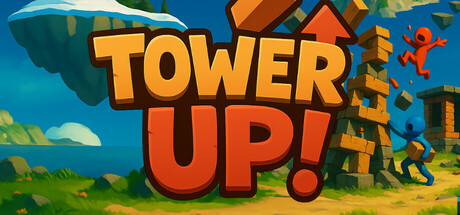 Tower Up In-game content artcode | Tower Up was developed with the assistance of AI tools. These tools were used to create the game's user interface assets and support various aspects of the development process, and AI coding tools. | New Sun Entertainment | - | Nov 24, 2026 | |
 Killer Santa 1990 In-game content artaudio | Generative AI was used to create or modify some of the audio and visual assets in the game. | 31 Studios | 17 | Nov 24, 2026 | |
 STAY ALIVE: USSR In-game content art | Some 2D art (player avatar portraits and clan emblems) was created with the help of AI image generation tools and then edited by the developer. No AI content is generated during gameplay. | AVER | - | Nov 24, 2026 | |
 Aqua Doctor In-game content artaudiocode | AI-assisted tools were used for some artwork, audio, and programming during development. The resulting assets and code were reviewed and edited by our team. | Silver Magic | - | Nov 24, 2026 | |
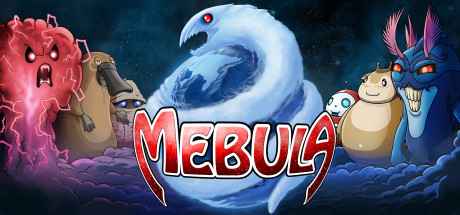 Mebula In-game content text | Mebula has been around for a long time: we have been developing the game since 2013, and it launched in 2017. The Mebulys and the game world are carefully drawn by hand. Today we use generative AI to translate the game texts into other languages. AI tools also help us write, revise and proofread texts for the game, the store page and announcements. The short intro and ending of our trailer (clouds, motion and sound) were created with AI. All content was selected, edited and reviewed by our team. | BITMEUP | 25 | Nov 24, 2026 | |
 履歴死ョ In-game content art | This game uses AI-generated images created during development. Applicant ID photos, opening and ending illustrations, the title screen background, and some horror imagery were generated with Google Gemini and then selected and edited by the developer. Store images are composited from this in-game art. No AI content is generated during gameplay. | ViRD | - | Nov 24, 2026 | |
 Loot Nook Store/marketing art | Some store images were generated with AI and manually reviewed. | Fantasy Tree | - | Nov 24, 2026 | |
 Noctheria In-game content textcode | Our ethical code of conduct regarding AI:
1. IMPORTANT: All the assets, music, art are human made.
2. AI was used for some translations. We consider this a necessity to reach fans everyone in the world and be inclusive with people in different countries, languages and cultures.
However, if you are a fan who is interested in helping with translations please reach out so we can remove the IA translations.
3. Code snippets taken from search engine's AI and discussions on technical issues with LLMs may be considered by some a use of AI they may not agree with. We respect that. | zombiebytegames | - | Nov 24, 2026 | |
 Pyrihel: Open World Space Simulator In-game content artaudiotext | The game was developed entirely with generative AI (Claude by Anthropic): program code, shaders, sound synthesis, game text, translations and store text. Development was led by a human developer who reviewed the results. In-game graphics and sound are generated procedurally in code; the game contains no files created with image, voice or music generators. No AI is used while the game is running. The music in the trailers was generated with Suno. | Lodewood Labs | - | Nov 23, 2026 | |
 Sus Squad Store/marketing art | Some of the store images were generated using artificial intelligence (AI). | PineAxe Studios | - | Nov 23, 2026 | |
 Crown & Decay: Gordak In-game content art | Generative AI tools were used to assist in creating promotional artwork for the game's Steam store page, including capsule images and other marketing graphics.
AI-generated artwork is limited to promotional materials and is not used in the game's actual gameplay, environments, characters, or other in-game assets. | Sphynx Softworks | - | Nov 23, 2026 | |
 The Blindside Protocol Unclear | Our team uses generative AI technologies to assist in the development of certain in-game elements. | Night Raiders | - | Nov 23, 2026 | |
 Alone in the Nights In-game content arttextcode | Generative AI tools assisted development, including the creation of vector artwork, game text, translations, and code used to produce visual and audio content. These tools were used under the developer’s direction, with human review and creative decisions. The game does not use live generative AI during gameplay. | Cold Mass Digital Entertainment | - | Nov 23, 2026 | |
 Adventure Seekers: Restless Waters Collector's Edition In-game content art | In our project, AI was used to partially create art assets, helping our artists bring some ideas to life. | DominiGames | - | Nov 23, 2026 | |
 Cozy Holiday 2 In-game content arttext | AI was used for creating more clothing and accessories to get better character customization and for localizing the game into other languages. | Centurion Developments | - | Nov 23, 2026 | |
 Echoes of Vatheria In-game content art | A small portion of the artwork, including Steam achievement icons, was created with AI assistance. | Blindsided Games | 64 | Nov 23, 2026 | |
 Swappy World In-game content arttext | Our game explores themes such as the AI-slope and the distinction between humans and machines. For this reason, at certain points in the game there is a very small proportion of graphical assets generated using AI, alongside the majority of assets created by our artists. It is important for ‘lore’ purposes that the player is able to distinguish between them.
We have also used AI for some icons, placeholders and translations. This content will be replaced with ‘human’ work in updates following the initial release, throughout the game’s time in Early Access. | Awakening Games srls | - | Nov 23, 2026 | |
 Era of Shadows Store/marketing art | Some cover images may contain the use of AI. Otherwise, the game is purely made by hand without the use of any AI. | Kellar | - | Nov 23, 2026 | |
 Never Be Alone In-game content audioart | Generative AI has been used to assist in creating some ambient background music and a limited number of textures in Never Be Alone.
The AI-assisted music is used to enhance the atmosphere during exploration and gameplay, while AI-assisted textures are used for certain environmental details.
The game's story, missions, characters, gameplay systems, and programming are developed by the team. All main story characters are voiced by real human voice actors, with over 1,500 recorded voice lines. | Jonas Jensen | - | Nov 23, 2026 |


