








Disclosure
Steam capsule images and 2 GUI elements were made by GenAI. Everything else was made without any use of GenAI.
- Creator
- StudyFun
- Reviews
- -
- Added
- Jul 25, 2026
Public Steam disclosure research 25,394 disclosures tracked
Search developers’ Steam disclosures, compare classified AI use across games, and follow recorded changes. This index adds cross-game classifications and statistics to statements published on individual store pages.
Code help, debugging and other development work.
Capsule art, trailers and promotional material.
Pre-made art, audio, writing and other game assets.
Interactive or runtime AI features disclosed by the developer.
Groups reflect automatic analysis of public disclosures; mature records are excluded. These counts do not measure AI use across all of Steam. Missing or unclear statements cannot establish whether a game uses AI.
Steam capsule images and 2 GUI elements were made by GenAI. Everything else was made without any use of GenAI.
Generative AI was used as an assistive tool during development for selected visual assets, promotional materials, and text drafts. All resulting content was reviewed, edited, and integrated by the developer. The game does not generate content during gameplay and does not connect to third-party AI services.
Generative AI tools, including OpenAI ChatGPT/Codex, assisted during development with portions of the original C++ code, interface text, gameplay balancing, documentation, store-page materials, geometric visual design, and music synthesis. The developer reviewed, tested, selected, and integrated the resulting material. In-game graphics are procedurally drawn from original geometric shapes, while the original music and sound effects are synthesized by the game. No third-party characters, music recordings, voices, logos, or downloaded asset packs are included.
This game uses generative AI tools in parts of its development. Some code was written with AI coding assistants, and some marketing and store artwork — including the capsule art and logo — was produced with AI assistance, based on and matched to in-game assets we created ourselves. Some 3D assets were created with AI-assisted tools All screenshots show real gameplay, all AI-assisted output is reviewed by a human before it ships, and no AI-generated content is produced live during play.
Some in-game visual assets were created or refined using generative AI during development. These assets are pre-generated and included with the game. The game does not generate AI content while running.
The game to contain art assets generated by artificial intelligence
Ai is used to create some loading-screens and other branding materials, also can be used in descriptive texts of the game. All game code/assets are 100% made by humans.
This game is built by a two-member team: a human developer and an AI assistant working under his direction. Large parts of the game code and many pre-rendered assets (enemy creatures, towers, environment props, marketing artwork) were created with the assistance of generative AI — always based on human design decisions, and reviewed, tested and curated by the developer. The game does not generate any content at runtime using AI.
We used AI to generate images, as we don't have an artist on our team. The gameplay, design, and atmosphere are all human-created.
The game's programming uses AI to generate code.
Some pre-generated artwork and sound assets used in the game and its marketing materials were created or edited with the assistance of generative AI tools. All such content was manually selected, reviewed, and edited as needed by the developer. The game does not generate AI content during gameplay.
AI was used for some scripts
This game uses generative AI as a starting point for visual art and music. We then edited many of the assets by hand.
This game uses some assets that were AI generated. This includes some store images and in-game content.
We use AI to make programmatic rendering to adapt graphics. We also use to do augmentation or transformation to adapt existing arts.
Visual assets in Blackbriar Crypt were created with generative AI tools (Stable Diffusion via ComfyUI), including in-game 2D art such as item icons, character portraits, enemy sprites, and UI backgrounds, as well as store and library marketing images. Each asset was selected, edited, and approved by the developer before release.
The game's graphics and software are powered by artificial intelligence.
Generative AI was used to assist in creating certain store assets. Additionally, some in-game enemy artwork was generated from developer-created mockups.
We at GabaCool believe in the beauty of human art. Hence, we don't allow ourselves to create art by AI. We use it for coding, no worries we are professional engineers. We also use it for voice line generation, as we are a small team in the bootstrap phase. Localization is another point. We are dedicated to remedy this. Where we will never use it: Story, Art, Music, Models, and all creative. Because that's what makes us human.
Campfire Battles is our attempt to bring an idea to life as a two-person team. AI tools helped us work quickly, particularly on the coding side, but every piece was reviewed and refined by hand.
All in-game illustrations (character portraits, NPC and monster art, location and item images, key art) were pre-generated during development using generative AI tools and manually curated by the developer. The game does not create AI-generated content at runtime.
The game logo was created with the assistance of generative AI and edited by the developer. AI was also used to assist with localization translations for other languages, which were reviewed and edited by the developer. No live-generated AI content is used during gameplay.
This game uses generative AI tools to assist with voiceover production and localization. All AI-assisted content is reviewed and integrated by the development team.
Some promotional images and in-game 2D visual assets were created or edited with the assistance of generative AI tools. All final assets were reviewed and edited by our art team before inclusion in the game/store page. We have checked the content to ensure it does not include illegal or infringing material.
The game icon and store page artwork (capsules and key art backgrounds) were created with the assistance of AI image-generation tools, then edited and composited by the development team. The in-game title logo also used AI assistance. All game design, level design, code, and gameplay content were created by the development team. No AI-generated content is created live during gameplay.
Artwork/Music
Im a solo indie dev, so I used IA tools for better usage of production time. I used code tools to make it easier to implement mechanics. I used Art IA tools to make starting points from where I can work on top. I used Sound IA tools to make music for this game. Of course all these is because im a solo dev. Im planning to contract a team in the future if Im able to.
The game's fighters are controlled by AI models (LLMs) chosen by the player and reached through their own OpenRouter API key. During a match the model decides the character's actions and writes the short taunts shown on screen (text only). The game does not generate images, audio, music or voices with AI: every character, arena, soundtrack and sound effect is authored in advance and ships with the game. Every AI-generated line goes through an illegal content filter before it is displayed, on the player's computer and again on the server that hosts online matches, and online matches have a report system reviewed by a human team.
AI is used to prepare the promo materials & trailers and generate funny robot voices for bots.
Used AI to generate cover photo of the game.
No Witnesses is developed by a two-man team, therefore generative AI has been used to assist in the creation of marketing assets and other player facing interfaces. All generated content is reviewed and perfected by a human before use.No Witnesses utilises third-party assets, of which we cannot attest to the creation of.
AI tools were used during development to help write the game's code and store text.
Only assets like art and sound were generated using AI. Code was designed and programmed by me.
Train Trek uses generative AI in two ways. During development we used AI tools to help make some assets: the user-interface art (HUD and menu icons, menu artwork, frames, button plates, mouse cursors), the instrumental soundtrack, and some sound effects. All of it was chosen, edited and finished by hand before it shipped. The 3D models are built procedurally by our own scripts, and the design, world generation and balancing are authored by hand. Parts of the source code were written with an AI coding assistant, reviewed and tested by the developer. While you play, the game speaks using a text-to-speech model that ships inside the game and runs entirely on your own computer. It voices tutorial guidance, hints and menu narration instead of pre-recorded audio. It needs no internet connection, sends nothing anywhere, and never records or listens to you. It only reads lines we wrote and shipped with the game - it does not invent dialogue.
Generative AI tools were utilized to create some base visual and audio assets for Warix. AI was used to generate background textures, character sprites, and promotional store art. All AI-generated imagery was subsequently edited, composited, and polished by hand to fit the game's final aesthetic.
Some content in this game was created with the assistance of generative AI tools, then curated, edited, and integrated by hand by the solo developer. This includes: character and enemy sprite animations (AI-generated video processed by hand into sprite animations), environment and background artwork, the story tapestry illustrations, title and store artwork, music, and some sound effects. All such content is pre-rendered and ships with the game — nothing is generated live at runtime. All content was reviewed by the developer to ensure it does not include illegal or infringing material.
As this is a solo-developed project, I have utilized generative AI assistants for the writing, debugging, and structuring of the game's programming code. Additionally, AI has been used in a very minor and complementary capacity for some secondary environmental visual elements. The vast majority of the core artistic assets, art direction, game design, 3D modeling, and overall experience have been entirely hand-crafted and assembled.
Some pre-generated 2D artwork used in the game and store materials was created or assisted with generative AI tools during development, then manually reviewed, edited, resized, and integrated by the developer. The game does not use live-generated AI during gameplay, and no player input is sent to any generative AI service.
Paste this for the "how" description: All AI-generated content in Scrumbag is pre-generated — baked into the build and curated by the developer, not generated live during play. This includes the game's artwork (character and enemy art, UI, icons, and store/marketing images) and its music (AI-generated arrangements and remixes based on songs by Andy Rehfeldt). AI tools were also used to assist development. All shipped content is reviewed and selected by the developer before release.
As a solo developer, I unfortunately cannot afford to hire artists or creators, so the media in my game is a mix of AI-generated and hand-edited/crafted. I would love to have my assets professionally made, but the cost of somewhere around two thousand icons, portraits, and other media assets would be far more than I can afford as just some guy working alone. I've done my best to create the best art and sounds with the tools I have access to, trying extremely hard to make things you will enjoy. If this game were to ever be successful enough, I'd love to hire professional artists one day to remake my assets (and for my future games). I thank you for your understanding, and I hope the game is good enough to get me there eventually!
The achievement icons and some store page promotional images were created with the assistance of generative AI tools.
Artificial intelligence tools were used in the creation of this game’s art assets and code.
AI voice over for missions and some promotional art just fine tuned with AI.
AI was used to generate logos and default sprites for this program.
World of ClaudeCraft is, unapologetically, a game built with AI — the name is a hint. We used AI in two ways, and we want to be clear about both. During development, the game's code was written with an AI coding assistant, and we used AI generation tools to create some of the assets that ship in the game as ordinary, fixed files: Sound: Most in-game sound effects and all spoken NPC voice lines were generated with ElevenLabs' AI audio and text-to-speech models. The written dialogue itself is authored by us; AI produced the spoken audio. 3D models: A small number of creature models (the "Drowned Litany") were generated with Meshy AI (text-to-3D). Everything else is either created by the game's own code (the world, towns, terrain, water, weather, and the music soundtrack are all generated procedurally at runtime) or is licensed third-party art — CC0 model, texture, and HDRI packs plus a purchased commercial icon set. That content is not AI-generated. Critically: no generative AI runs while you play. Every AI-made asset was generated once, offline, during development and baked into the game as a static file. The running game makes no AI or LLM calls, and none of your gameplay or personal data is ever sent to an AI system. The simulation is fully deterministic — the same inputs always produce the same result.
Some visual assets, 3D models, textures, UI images, promotional images, music, sound effects, and reference material used in this game were created or assisted with using generative AI tools. These assets were reviewed, edited, adjusted, and integrated by the developer. The game itself does not generate AI content during gameplay.
AI was used on the images to then be manually refined
Generative AI was used to help translate this game's text into languages other than English or Spanish.
Some Music is generated. Thats it :)
During the development process, we may use AI-based tools. In all such cases, the final product reflects the creativity and expression of our own development team.
| Title⇅ | Disclosure | Creator⇅ | Src | Reviews⇅ | Added↓ |
|---|---|---|---|---|---|
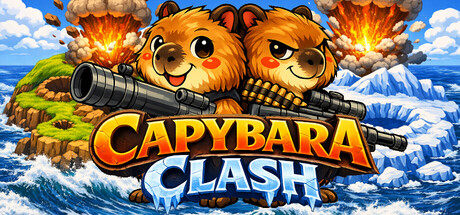 Capybara Clash Store/marketing art | Steam capsule images and 2 GUI elements were made by GenAI. Everything else was made without any use of GenAI. | StudyFun | - | Jul 25, 2026 | |
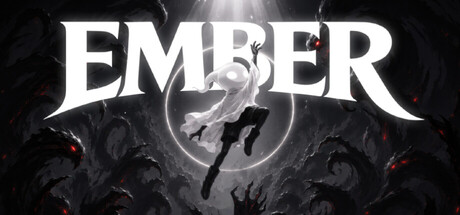 Ember Store/marketing arttext | Generative AI was used as an assistive tool during development for selected visual assets, promotional materials, and text drafts. All resulting content was reviewed, edited, and integrated by the developer. The game does not generate content during gameplay and does not connect to third-party AI services. | Eviling Games | - | Jul 23, 2026 | |
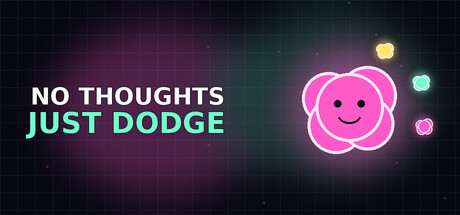 No Thoughts Just Dodge In-game content arttextcodeaudio | Generative AI tools, including OpenAI ChatGPT/Codex, assisted during development with portions of the original C++ code, interface text, gameplay balancing, documentation, store-page materials, geometric visual design, and music synthesis. The developer reviewed, tested, selected, and integrated the resulting material. In-game graphics are procedurally drawn from original geometric shapes, while the original music and sound effects are synthesized by the game. No third-party characters, music recordings, voices, logos, or downloaded asset packs are included. | Snitch Studio | - | Jul 23, 2026 | |
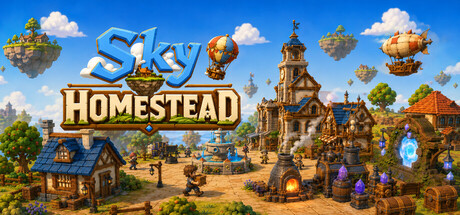 Sky Homestead In-game content codeart | This game uses generative AI tools in parts of its development. Some code was written with AI coding assistants, and some marketing and store artwork — including the capsule art and logo — was produced with AI assistance, based on and matched to in-game assets we created ourselves. Some 3D assets were created with AI-assisted tools All screenshots show real gameplay, all AI-assisted output is reviewed by a human before it ships, and no AI-generated content is produced live during play. | MrBongoBong | - | Jul 23, 2026 | |
 Among Demons In-game content art | Some in-game visual assets were created or refined using generative AI during development. These assets are pre-generated and included with the game. The game does not generate AI content while running. | purecosu | - | Jul 23, 2026 | |
 FROGGY REVENGE In-game content art | The game to contain art assets generated by artificial intelligence | Gamesforgames | 10 | Jul 23, 2026 | |
 SCARVOID Store/marketing arttext | Ai is used to create some loading-screens and other branding materials, also can be used in descriptive texts of the game.
All game code/assets are 100% made by humans. | Cyberhaze | - | Jul 23, 2026 | |
 Mindswarm Elements TD In-game content artcode | This game is built by a two-member team: a human developer and an AI assistant working under his direction. Large parts of the game code and many pre-rendered assets (enemy creatures, towers, environment props, marketing artwork) were created with the assistance of generative AI — always based on human design decisions, and reviewed, tested and curated by the developer. The game does not generate any content at runtime using AI. | Steffen Großmann | - | Jul 23, 2026 | |
 N.E.O.N. HORIZON In-game content art | We used AI to generate images, as we don't have an artist on our team.
The gameplay, design, and atmosphere are all human-created. | NeonGameStudio | - | Jul 23, 2026 | |
 缆绳火箭拳 Dev only code | The game's programming uses AI to generate code. | 疯啸丸 | - | Jul 23, 2026 | |
 Oops, All Tanks! In-game content artaudio | Some pre-generated artwork and sound assets used in the game and its marketing materials were created or edited with the assistance of generative AI tools. All such content was manually selected, reviewed, and edited as needed by the developer. The game does not generate AI content during gameplay. | All Tanks! | - | Jul 23, 2026 | |
 UKNON Jones - Fighters Dev only code | AI was used for some scripts | Guynelk ROSAMONT | - | Jul 23, 2026 | |
 Alien Siege: Earth In-game content artaudio | This game uses generative AI as a starting point for visual art and music. We then edited many of the assets by hand. | Don'tSayGame | - | Jul 23, 2026 | |
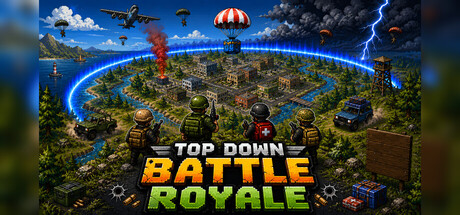 Top Down Battle Royale 2D In-game content art | This game uses some assets that were AI generated. This includes some store images and in-game content. | Shamrock Studios | - | Jul 23, 2026 | |
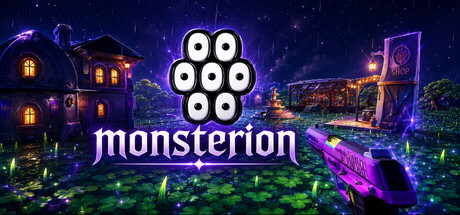 monsterion In-game content art | We use AI to make programmatic rendering to adapt graphics. We also use to do augmentation or transformation to adapt existing arts. | kitkatmarty | - | Jul 23, 2026 | |
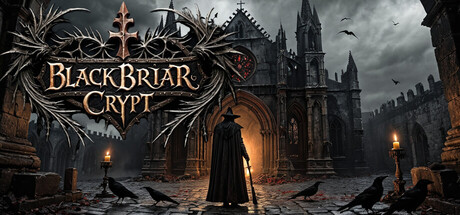 Blackbriar Crypt In-game content art | Visual assets in Blackbriar Crypt were created with generative AI tools (Stable Diffusion via ComfyUI), including in-game 2D art such as item icons, character portraits, enemy sprites, and UI backgrounds, as well as store and library marketing images. Each asset was selected, edited, and approved by the developer before release. | Donbrico Studio | - | Jul 23, 2026 | |
 Alamet: Interstellar Wars Unclear | The game's graphics and software are powered by artificial intelligence. | ACA Games | - | Jul 23, 2026 | |
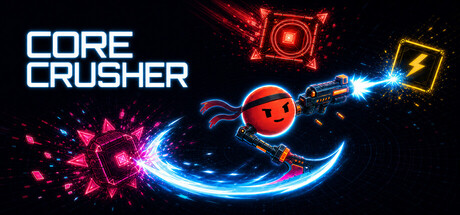 Core Crusher In-game content art | Generative AI was used to assist in creating certain store assets. Additionally, some in-game enemy artwork was generated from developer-created mockups. | gubestudios | - | Jul 23, 2026 | |
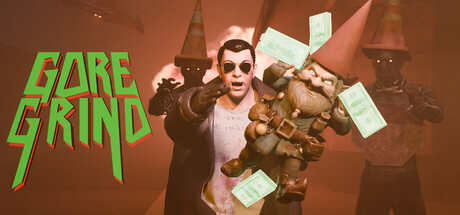 Gore Grind In-game content audiotext | We at GabaCool believe in the beauty of human art. Hence, we don't allow ourselves to create art by AI.
We use it for coding, no worries we are professional engineers. We also use it for voice line generation, as we are a small team in the bootstrap phase. Localization is another point. We are dedicated to remedy this.
Where we will never use it: Story, Art, Music, Models, and all creative. Because that's what makes us human. | GabaCool Games | - | Jul 23, 2026 | |
 Campfire Battles Dev only code | Campfire Battles is our attempt to bring an idea to life as a two-person team. AI tools helped us work quickly, particularly on the coding side, but every piece was reviewed and refined by hand. | BatteryAcidDev | - | Jul 23, 2026 | |
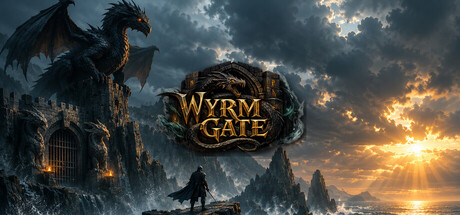 WyrmGate In-game content art | All in-game illustrations (character portraits, NPC and monster art, location and item images, key art) were pre-generated during development using generative AI tools and manually curated by the developer. The game does not create AI-generated content at runtime. | Evgeny Popov | - | Jul 23, 2026 | |
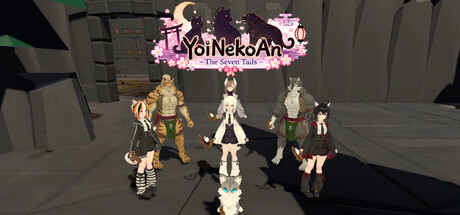 YoiNekoAn: The Seven Tails In-game content arttext | The game logo was created with the assistance of generative AI and edited by the developer. AI was also used to assist with localization translations for other languages, which were reviewed and edited by the developer. No live-generated AI content is used during gameplay. | YoiNekoAn | - | Jul 23, 2026 | |
 Dream Hackers VR In-game content audiotext | This game uses generative AI tools to assist with voiceover production and localization. All AI-assisted content is reviewed and integrated by the development team. | ARVI VR INC. | - | Jul 23, 2026 | |
 生死狙击:无限 In-game content art | Some promotional images and in-game 2D visual assets were created or edited with the assistance of generative AI tools. All final assets were reviewed and edited by our art team before inclusion in the game/store page. We have checked the content to ensure it does not include illegal or infringing material. | Wizard Games | 205 | Jul 23, 2026 | |
 KilLLine In-game content art | The game icon and store page artwork (capsules and key art backgrounds) were created with the assistance of AI image-generation tools, then edited and composited by the development team. The in-game title logo also used AI assistance. All game design, level design, code, and gameplay content were created by the development team. No AI-generated content is created live during gameplay. | Reclover Studio | - | Jul 22, 2026 | |
 Neko Rogue Unclear artaudio | Artwork/Music | Linkz Games | - | Jul 22, 2026 | |
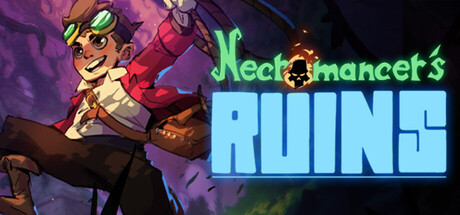 Necromancer´s Ruins In-game content artaudiocode | Im a solo indie dev, so I used IA tools for better usage of production time. I used code tools to make it easier to implement mechanics. I used Art IA tools to make starting points from where I can work on top. I used Sound IA tools to make music for this game.
Of course all these is because im a solo dev. Im planning to contract a team in the future if Im able to. | Tacuabe Games | - | Jul 22, 2026 | |
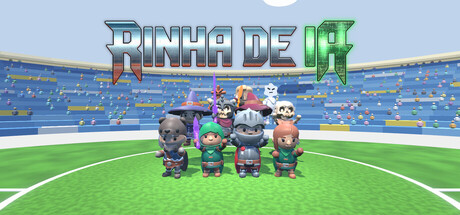 Rinha de IA Live AI text | The game's fighters are controlled by AI models (LLMs) chosen by the player and reached through their own OpenRouter API key. During a match the model decides the character's actions and writes the short taunts shown on screen (text only). The game does not generate images, audio, music or voices with AI: every character, arena, soundtrack and sound effect is authored in advance and ships with the game. Every AI-generated line goes through an illegal content filter before it is displayed, on the player's computer and again on the server that hosts online matches, and online matches have a report system reviewed by a human team. | ProdMan | - | Jul 22, 2026 | |
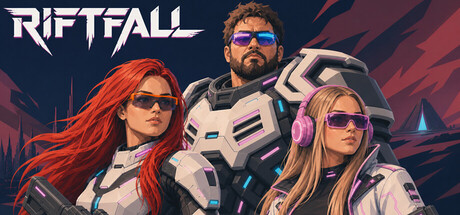 RIFTFALL In-game content audioart | AI is used to prepare the promo materials & trailers and generate funny robot voices for bots. | GameEra Studios | - | Jul 22, 2026 | |
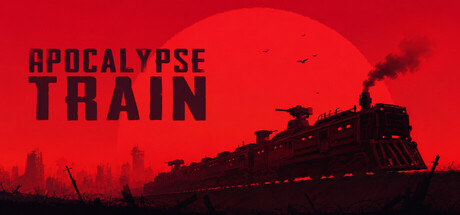 Apocalypse Train Store/marketing art | Used AI to generate cover photo of the game. | volaryus | - | Jul 22, 2026 | |
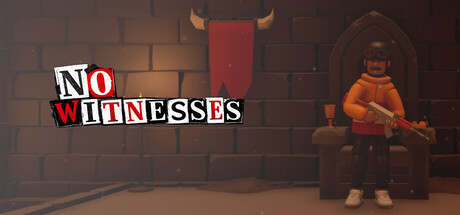 No Witnesses Store/marketing art | No Witnesses is developed by a two-man team, therefore generative AI has been used to assist in the creation of marketing assets and other player facing interfaces. All generated content is reviewed and perfected by a human before use.No Witnesses utilises third-party assets, of which we cannot attest to the creation of. | Pink Thorn Games | - | Jul 22, 2026 | |
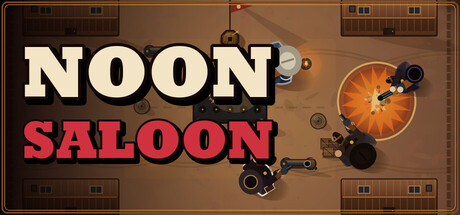 Noon Saloon Dev only textcode | AI tools were used during development to help write the game's code and store text. | Racc PG | - | Jul 22, 2026 | |
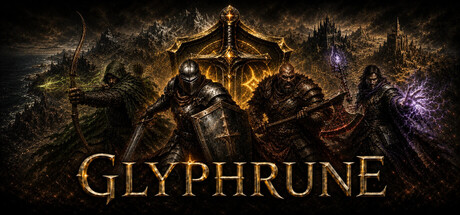 Glyphrune In-game content artaudio | Only assets like art and sound were generated using AI. Code was designed and programmed by me. | Caitlyn Walsh (CaveBit Studios) | - | Jul 22, 2026 | |
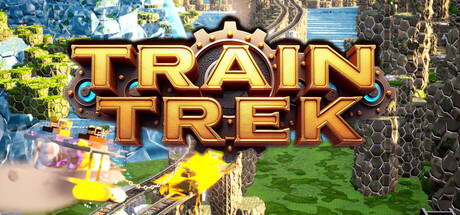 Train Trek Live AI artaudiocode | Train Trek uses generative AI in two ways.
During development we used AI tools to help make some assets: the user-interface art (HUD and menu icons, menu artwork, frames, button plates, mouse cursors), the instrumental soundtrack, and some sound effects. All of it was chosen, edited and finished by hand before it shipped. The 3D models are built procedurally by our own scripts, and the design, world generation and balancing are authored by hand. Parts of the source code were written with an AI coding assistant, reviewed and tested by the developer.
While you play, the game speaks using a text-to-speech model that ships inside the game and runs entirely on your own computer. It voices tutorial guidance, hints and menu narration instead of pre-recorded audio. It needs no internet connection, sends nothing anywhere, and never records or listens to you. It only reads lines we wrote and shipped with the game - it does not invent dialogue. | Aixceptional | - | Jul 22, 2026 | |
 Warix In-game content artaudio | Generative AI tools were utilized to create some base visual and audio assets for Warix. AI was used to generate background textures, character sprites, and promotional store art. All AI-generated imagery was subsequently edited, composited, and polished by hand to fit the game's final aesthetic. | Star-snuffing Black | - | Jul 22, 2026 | |
 Delphyr: The Deep Whispers In-game content artaudio | Some content in this game was created with the assistance of generative AI tools, then curated, edited, and integrated by hand by the solo developer. This includes: character and enemy sprite animations (AI-generated video processed by hand into sprite animations), environment and background artwork, the story tapestry illustrations, title and store artwork, music, and some sound effects. All such content is pre-rendered and ships with the game — nothing is generated live at runtime. All content was reviewed by the developer to ensure it does not include illegal or infringing material. | Collin Schreyer | - | Jul 22, 2026 | |
 Espetero Simulator In-game content artcode | As this is a solo-developed project, I have utilized generative AI assistants for the writing, debugging, and structuring of the game's programming code.
Additionally, AI has been used in a very minor and complementary capacity for some secondary environmental visual elements. The vast majority of the core artistic assets, art direction, game design, 3D modeling, and overall experience have been entirely hand-crafted and assembled. | K0RE GAMES | - | Jul 22, 2026 | |
 圣盾骑士 In-game content art | Some pre-generated 2D artwork used in the game and store materials was created or assisted with generative AI tools during development, then manually reviewed, edited, resized, and integrated by the developer. The game does not use live-generated AI during gameplay, and no player input is sent to any generative AI service. | Xingluo Games | - | Jul 22, 2026 | |
 Scrumbag In-game content artaudio | Paste this for the "how" description:
All AI-generated content in Scrumbag is pre-generated — baked into the build and curated by the developer, not generated live during play. This includes the game's artwork (character and enemy art, UI, icons, and store/marketing images) and its music (AI-generated arrangements and remixes based on songs by Andy Rehfeldt). AI tools were also used to assist development. All shipped content is reviewed and selected by the developer before release. | Stockout Studio | - | Jul 22, 2026 | |
 Journeybound Idle In-game content artaudio | As a solo developer, I unfortunately cannot afford to hire artists or creators, so the media in my game is a mix of AI-generated and hand-edited/crafted. I would love to have my assets professionally made, but the cost of somewhere around two thousand icons, portraits, and other media assets would be far more than I can afford as just some guy working alone. I've done my best to create the best art and sounds with the tools I have access to, trying extremely hard to make things you will enjoy. If this game were to ever be successful enough, I'd love to hire professional artists one day to remake my assets (and for my future games). I thank you for your understanding, and I hope the game is good enough to get me there eventually! | Max Luck Gaming | 26 | Jul 22, 2026 | |
 Tilebound:Mahjong Survivors In-game content art | The achievement icons and some store page promotional images were created with the assistance of generative AI tools. | BambooByte Studio | - | Jul 22, 2026 | |
 Forest TD In-game content artcode | Artificial intelligence tools were used in the creation of this game’s art assets and code. | HXZ | - | Jul 22, 2026 | |
 Red Glare The Reckoning In-game content audioart | AI voice over for missions and some promotional art just fine tuned with AI. | BT Studios | - | Jul 22, 2026 | |
 Warden Campaigns In-game content art | AI was used to generate logos and default sprites for this program. | Warden Campaigns | - | Jul 22, 2026 | |
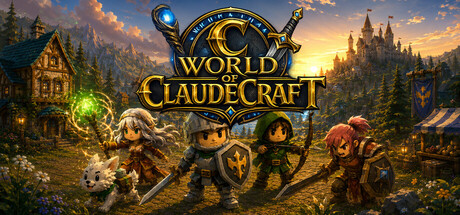 World of ClaudeCraft In-game content audioartcode | World of ClaudeCraft is, unapologetically, a game built with AI — the name is a hint. We used AI in two ways, and we want to be clear about both.
During development, the game's code was written with an AI coding assistant, and we used AI generation tools to create some of the assets that ship in the game as ordinary, fixed files:
Sound: Most in-game sound effects and all spoken NPC voice lines were generated with ElevenLabs' AI audio and text-to-speech models. The written dialogue itself is authored by us; AI produced the spoken audio.
3D models: A small number of creature models (the "Drowned Litany") were generated with Meshy AI (text-to-3D).
Everything else is either created by the game's own code (the world, towns, terrain, water, weather, and the music soundtrack are all generated procedurally at runtime) or is licensed third-party art — CC0 model, texture, and HDRI packs plus a purchased commercial icon set. That content is not AI-generated.
Critically: no generative AI runs while you play. Every AI-made asset was generated once, offline, during development and baked into the game as a static file. The running game makes no AI or LLM calls, and none of your gameplay or personal data is ever sent to an AI system. The simulation is fully deterministic — the same inputs always produce the same result. | Levy Street Games | - | Jul 22, 2026 | |
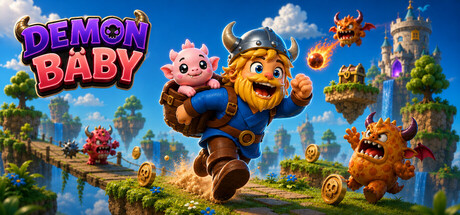 Demon Baby In-game content artaudio | Some visual assets, 3D models, textures, UI images, promotional images, music, sound effects, and reference material used in this game were created or assisted with using generative AI tools. These assets were reviewed, edited, adjusted, and integrated by the developer.
The game itself does not generate AI content during gameplay. | HANNIGO | - | Jul 22, 2026 | |
 Hellocracy In-game content art | AI was used on the images to then be manually refined | Uwu Studio | 18 | Jul 22, 2026 | |
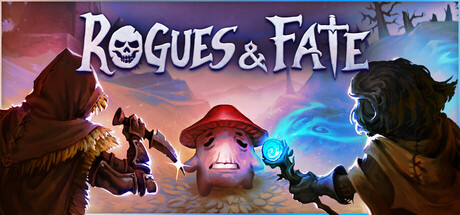 Rogues & Fate In-game content text | Generative AI was used to help translate this game's text into languages other than English or Spanish. | David Moralejo Sánchez | - | Jul 22, 2026 | |
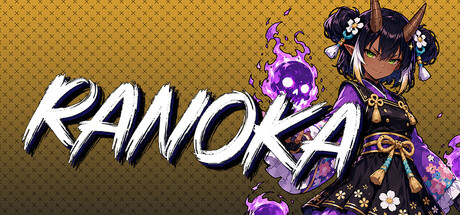 Ranoka In-game content audio | Some Music is generated. Thats it :) | Soul in a flask | - | Jul 22, 2026 | |
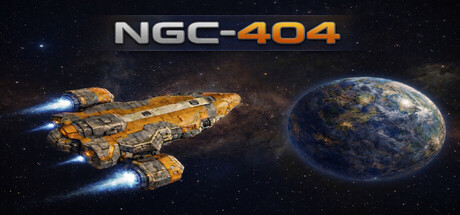 NGC-404: Fractured Sector Dev only | During the development process, we may use AI-based tools. In all such cases, the final product reflects the creativity and expression of our own development team. | WhiteDogo Entertainment | - | Jul 21, 2026 |


