Public Steam disclosure research25,383 disclosures tracked
Where do games disclose AI use?
Search developers’ Steam disclosures, compare classified AI use across
games, and follow recorded changes.
This index adds cross-game classifications and statistics to
statements published on individual store pages.
Groups reflect automatic analysis of public disclosures; mature records are excluded. These counts do not measure AI use across all of Steam.
Missing or unclear statements cannot establish whether a game uses AI.
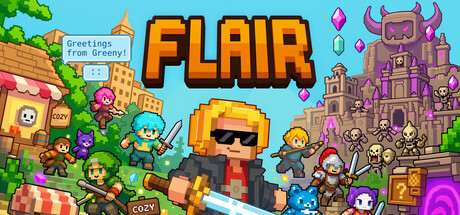
FLAIR uses generative AI to bring your ideas to life. Players can describe characters, items, buildings, or world elements, and the game will generate them directly in-game. Your creativity shapes the world.
AI tools were used in a limited capacity during development:
· As Korean is not my native language, some Korean text was translated using AI. I am actively looking for a suitable localization translator; thank you for your understanding.
This game includes background music generated using Suno, an AI-based music creation platform.
All tracks used are commercially licensed, and the rights to use them in this product have been obtained in accordance with Suno's licensing terms.
This game uses generative AI to create some of the character illustrations and design concepts. All content is pre-rendered and does not include real-time AI generation during gameplay.
Development of Visual Assets:
For the original sprites (game characters/objects) designed and drawn by our team, AI support was utilized in the time-consuming stages such as coloring and shading. This allowed us to accelerate the process and experiment with different color palettes. AI was used strictly as a tool for editing and enhancing the existing artwork.
Software Development Support:
During the coding phase, AI-based code assistants were occasionally consulted to help solve specific algorithmic challenges, optimize existing code blocks, and overcome debugging difficulties.
We would like to emphasize that AI has only been employed as a source of inspiration and a productivity aid throughout these processes. All final visual and code assets included in the game have been reviewed, adjusted, and approved by our team. No AI-generated content is produced in real time during gameplay.
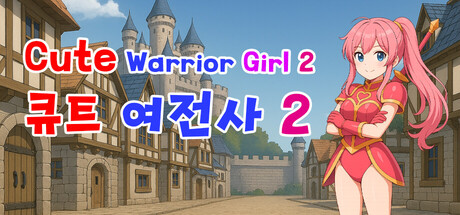
[AI-Generated Content Disclosure]As a solo developer facing budget and time constraints,this game utilizes AI-generated assets for certain elements (including character illustrations, background scenes, and UI icons) as well as musical compositions.All AI-generated content has undergone manual refinement:•Frame-by-frame detail adjustments for consistency•Redrawing elements that conflicted with the game's aestheticYuzu guarantees full compliance with Steam's policies, with 100% original core gameplay and storyline.Thank you for your understanding and support!
The user can freely interact with NPCs in the game world through voice chat.
The sister’s voice is generated in real time using a TTS model.
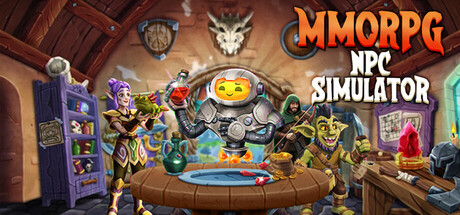
Some 3D game objects are initially generated using AI tools and are then retouched by the developers. All AI-generated content is reviewed and modified by human creators before being used in the game.
We do not collect or store any user voice data under any circumstances.
This game uses AI to generate dynamic, branching conversations with in-game characters, allowing each player to experience unique story interactions.
The AI system adapts dialogue to the player’s choices, creating personalized comedic and narrative moments while staying within safe and curated content boundaries.
All AI outputs are filtered and moderated to maintain a safe and enjoyable experience.
In addition, some design assets were created with the assistance of AI tools, and were reviewed and refined by human artists before inclusion in the game.
AI tools were used only to draft/iterate on poster/store imagery featuring our in-game elf characters. All in-game assets (models, textures, UI, audio, code) are non-AI. Final posters were edited and cleared for IP/likeness.
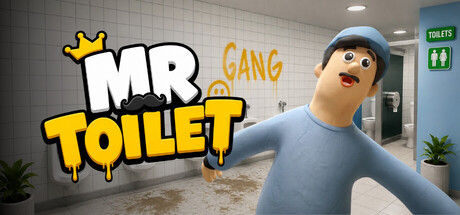
AI was used during the production of Mr. Toilet to support selected marketing and localization tasks. In particular, we used AI tools to help prepare promotional materials, including the Steam key art, as well as to assist with the translations available in the game.
This game used AI-assisted tools during development (for code suggestions and some asset creation/editing). No AI-generated code or content is produced at runtime.
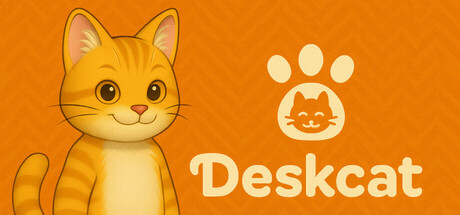
This game uses AI to enable real-time conversations and interactions with a desktop companion. It features speech recognition powered by Kyutai ASR, language understanding and generation using Meta’s LLaMA model, and expressive voice responses through Sesame CSM’s text-to-speech system. All AI runs locally on your device, with no internet connection required.
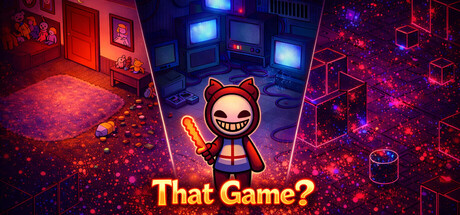
Yes. That Game? uses generative AI (for example ElevenLabs) to create some of the
voice-over lines used in the game. All AI-generated audio is pre-recorded during
development, not generated live while the game is running, and every line is
reviewed and approved by the developer. The game does not allow users to create
their own AI-generated content.
This game is the result of individual development. AI was used as a supportive tool for brainstorming, as well as for experimentation in programming, graphics, and music. No AI-generated content was included in the game without modification: every element was revised, edited, and manually refined for the final version.
As a solo developer, I use AI selectively to speed up my workflow, not to replace creativity, but to support it. For example, I may use AI to assist with generating or processing certain audio files, which are then carefully edited and curated before being included in the game. No 3D assets AI-generated. I believe in using AI as a tool to enhance development, not automate it, and I strive to be transparent about its use.
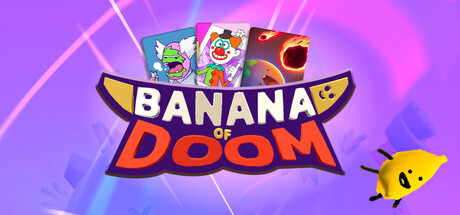
In Banana of Doom, AI takes the cards you play, pits them against each other, and generates funny, creative text reasons for the outcome then reveals them to the player
This game uses AI-generated images, voice, and music for pre-rendered content.
All assets were created and finalized prior to release.
No AI is used during gameplay.
We use image generation AI for some character portraits, backgrounds, eye-catching images, etc.
All images used are processed and used after confirming that they have a commercially available license.
FLAIR uses generative AI to bring your ideas to life. Players can describe characters, items, buildings, or world elements, and the game will generate them directly in-game. Your creativity shapes the world.
AI tools were used in a limited capacity during development:
· As Korean is not my native language, some Korean text was translated using AI. I am actively looking for a suitable localization translator; thank you for your understanding.
This game includes background music generated using Suno, an AI-based music creation platform.
All tracks used are commercially licensed, and the rights to use them in this product have been obtained in accordance with Suno's licensing terms.
This game uses generative AI to create some of the character illustrations and design concepts. All content is pre-rendered and does not include real-time AI generation during gameplay.
Development of Visual Assets:
For the original sprites (game characters/objects) designed and drawn by our team, AI support was utilized in the time-consuming stages such as coloring and shading. This allowed us to accelerate the process and experiment with different color palettes. AI was used strictly as a tool for editing and enhancing the existing artwork.
Software Development Support:
During the coding phase, AI-based code assistants were occasionally consulted to help solve specific algorithmic challenges, optimize existing code blocks, and overcome debugging difficulties.
We would like to emphasize that AI has only been employed as a source of inspiration and a productivity aid throughout these processes. All final visual and code assets included in the game have been reviewed, adjusted, and approved by our team. No AI-generated content is produced in real time during gameplay.
[AI-Generated Content Disclosure]As a solo developer facing budget and time constraints,this game utilizes AI-generated assets for certain elements (including character illustrations, background scenes, and UI icons) as well as musical compositions.All AI-generated content has undergone manual refinement:•Frame-by-frame detail adjustments for consistency•Redrawing elements that conflicted with the game's aestheticYuzu guarantees full compliance with Steam's policies, with 100% original core gameplay and storyline.Thank you for your understanding and support!
The user can freely interact with NPCs in the game world through voice chat.
The sister’s voice is generated in real time using a TTS model.
Some 3D game objects are initially generated using AI tools and are then retouched by the developers. All AI-generated content is reviewed and modified by human creators before being used in the game.
We do not collect or store any user voice data under any circumstances.
This game uses AI to generate dynamic, branching conversations with in-game characters, allowing each player to experience unique story interactions.
The AI system adapts dialogue to the player’s choices, creating personalized comedic and narrative moments while staying within safe and curated content boundaries.
All AI outputs are filtered and moderated to maintain a safe and enjoyable experience.
In addition, some design assets were created with the assistance of AI tools, and were reviewed and refined by human artists before inclusion in the game.
AI tools were used only to draft/iterate on poster/store imagery featuring our in-game elf characters. All in-game assets (models, textures, UI, audio, code) are non-AI. Final posters were edited and cleared for IP/likeness.
AI was used during the production of Mr. Toilet to support selected marketing and localization tasks. In particular, we used AI tools to help prepare promotional materials, including the Steam key art, as well as to assist with the translations available in the game.
This game used AI-assisted tools during development (for code suggestions and some asset creation/editing). No AI-generated code or content is produced at runtime.
This game uses AI to enable real-time conversations and interactions with a desktop companion. It features speech recognition powered by Kyutai ASR, language understanding and generation using Meta’s LLaMA model, and expressive voice responses through Sesame CSM’s text-to-speech system. All AI runs locally on your device, with no internet connection required.
Yes. That Game? uses generative AI (for example ElevenLabs) to create some of the
voice-over lines used in the game. All AI-generated audio is pre-recorded during
development, not generated live while the game is running, and every line is
reviewed and approved by the developer. The game does not allow users to create
their own AI-generated content.
This game is the result of individual development. AI was used as a supportive tool for brainstorming, as well as for experimentation in programming, graphics, and music. No AI-generated content was included in the game without modification: every element was revised, edited, and manually refined for the final version.
As a solo developer, I use AI selectively to speed up my workflow, not to replace creativity, but to support it. For example, I may use AI to assist with generating or processing certain audio files, which are then carefully edited and curated before being included in the game. No 3D assets AI-generated. I believe in using AI as a tool to enhance development, not automate it, and I strive to be transparent about its use.
In Banana of Doom, AI takes the cards you play, pits them against each other, and generates funny, creative text reasons for the outcome then reveals them to the player
This game uses AI-generated images, voice, and music for pre-rendered content.
All assets were created and finalized prior to release.
No AI is used during gameplay.
We use image generation AI for some character portraits, backgrounds, eye-catching images, etc.
All images used are processed and used after confirming that they have a commercially available license.