Public Steam disclosure research25,394 disclosures tracked
Where do games disclose AI use?
Search developers’ Steam disclosures, compare classified AI use across
games, and follow recorded changes.
This index adds cross-game classifications and statistics to
statements published on individual store pages.
Groups reflect automatic analysis of public disclosures; mature records are excluded. These counts do not measure AI use across all of Steam.
Missing or unclear statements cannot establish whether a game uses AI.
AI tools were used during development to assist with writing code, and to produce two categories of content shipped with the game: the original synthwave soundtrack (composed with AI music generation, curated and selected by the developer) and the interface translations for the non-English languages (reviewed by the developer). Some store page text was also drafted with AI assistance. All in-game worlds are generated procedurally by hand-written algorithms — no AI content is generated at runtime.
The development of The Rug Racket used generative AI tools to assist in creating some of the content included in the game, such as art assets, as well as in the creation of the game's store page and marketing materials. All AI-assisted content was reviewed by the development team prior to release.
Generative AI tools were used to help create some of StarFrame's content: certain promotional artwork on the store page, and some in-game text such as tutorial instructions and item descriptions. These were reviewed, adjusted, and finalized by the development team manually.
This game is intended as a criticism of generative AI. The main premise of the game is fighting AI Slop as such we used existing AI images for the enemies and environment. We did not generate any of these images ourselves. All AI art used in the game is pre-existing and found on the internet.
What type of code?
Game logic, UI systems, audio management, and narrative engine code written in Python with PySide6.
How are you using it?
AI (Claude) was used as a coding assistant during development. The developer directed all features, reviewed all generated code, tested functionality, and made final implementation decisions. The AI assisted with writing and debugging code based on human specifications.
(AI was used as a coding assistant. All code was human-reviewed, tested, and approved before implementation. The game is offline single-player with no features that could enable malicious use.)
The game utilizes pre-generated AI content for early concept references, Store Page promotional artwork, and in-game localization. All AI-assisted assets are manually edited to match the game's aesthetic. I plan to continuously review, refine, and potentially replace these assets throughout development to ensure a polished, high-quality, and consistent experience for the official full release.
We have only used Gen AI for the purposes of creating and placing the Capsule Art of the game.
We will be replacing the capsule art with our in-house capsule art.
During development, AI-assisted and AI-generated tools were used for pre-generated player-facing content.
Our production workflow combines original human-created assets with AI-assisted or AI-generated content. AI tools were used to assist with text translation/localization, visual asset modification and refinement, and the generation of certain audio assets.
Most final assets are the result of a mixed workflow: they may include both original developer-created elements and AI-assisted or AI-generated elements. All final text, visual, and audio assets included in the game have been manually reviewed, edited, selected, and approved by the development team.
The game does not include live-generated AI content. It does not generate new text, images, audio, or other player-facing content through AI during gameplay.
As a passionate two-person indie team with a $0 budget, we utilize advanced, paid AI tools to breathe life into our world. We use high-quality, expressive AI voice acting to deliver emotional depth to our characters, alongside curated AI art to enhance environmental storytelling. Every asset is carefully selected and integrated by hand to match our artistic vision without compromising on quality."
Generative AI tools were used during the development of this game to assist in creating background marketing materials and promotional store assets. Additionally, AI was utilized as a supportive tool for code optimization, bug-hunting, development consulting, and text localization. While the vast majority of the game's assets were created using traditional development methods, players may encounter a small number of AI-generated assets integrated within the game itself. No AI content is generated in real-time during gameplay.
Some images used in the game’s development and promotional materials were initially generated with the assistance of AI tools. These images were not used as final untouched AI output: they were reviewed, edited, adjusted, and finalized by human artists.
AI was used only as a production aid to speed up early visual exploration and reduce iteration time. It was not used to replace the work of human artists, but rather as part of a broader art pipeline that still relies on human direction, editing, and final approval.
Generative AI tools were used during development to assist with some pre-generated 2D artwork and UI imagery, 3D models and animations, instrumental music and sound effects, localization drafts, and portions of the game code. As a solo developer, I selected, edited, integrated, and reviewed all of these outputs before inclusion. The game does not generate content at runtime and does not send player input to generative AI services.
استُخدمت أدوات الذكاء الاصطناعي أثناء التطوير للمساعدة في كتابة أجزاء من كود اللعبة وبعض النصوص داخلها، مثل التلميحات ورسائل الواجهة، وكذلك في إنشاء بعض النماذج ثلاثية الأبعاد والخامات (التكستشر). جميع المحتوى المُنجز بمساعدة الذكاء الاصطناعي تمت مراجعته وتعديله واعتماده من المطوّر. قصة اللعبة وتصميمها وإخراجها من صنع الإنسان بالكامل، ولا يتم توليد أي محتوى بالذكاء الاصطناعي أثناء اللعب.
Generative AI is used in this game for both asset creation (such as UI elements and character visuals) and as a tool to assist in the development process (such as code organization). Every piece of content generated by AI is carefully reviewed and refined by the development team to ensure it meets our quality standards.
Generative AI was used during development to assist with a small portion of the game's code, improve and translate dialogue, and create or refine a limited number of sprite assets. All AI-assisted content was reviewed, edited, and integrated by the developer. No generative AI is used in real time during gameplay.
Generative AI was used in the game's art production for image creation and image enhancement.
Generative AI was used to translate the game's localized content.
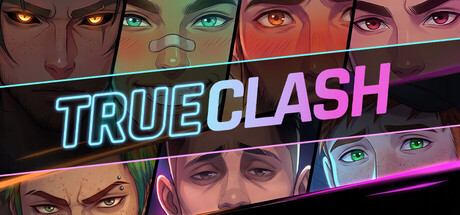
TrueClash uses generative AI as part of its art workflow: character art and backgrounds are initially generated with AI tools, then manually reviewed, edited, and refined by our team in order to maintain the game's consistent visual style.
AI tools were also used to assist with translation and as a development aid for coding.
Some of the licensed music tracks featured in the game may have been created with AI assistance by their respective artists.
Some pre-rendered UI art (menu borders and decorative icons) was created with the assistance of generative AI tools during development. No content is generated live during gameplay.
Used AI to generate concept ideas and take care of tedious tasks to speed up preproduction.
All assets, including store images and thumbnails, are NOT AI generated.
Images provided to us by Patron supporters may or may not have been created using artificial intelligence.
One promotional artwork seen on the store page has been created with the help of AI tools. We are actively working on replacing it within the coming days.
Some of concept art and in-game promotional materials on the game's Steam store page were created using generative artificial intelligence tools. The game's coding and script were entirely written by developer.
We want to be transparent with our players.
It is possible that AI-assisted tools were used at some early stages of development, such as brainstorming, concept exploration, or helping us evaluate clarity of certain narrative elements.
Some audio assets used in the game were sourced from licensed third-party libraries and marketplaces (such as Envato), and are used under proper commercial licenses.
At the current stage of development, voice acting is generated using AI-based tools as a temporary solution. We are actively planning to replace it with professional human voice acting in future updates.
All final gameplay experience and core content are assembled, designed, and produced by our development team.
Some parts of the game were created with the help of generative AI tools. The music was made using Suno, and a few pieces of text were assisted by AI during development. Everything included in the game has been reviewed and approved by me before shipping.
The music featured in the game is AI-generated.
Sound effects, UI audio, and other audio assets are not AI-generated; they are manually edited or sourced from royalty-free sound libraries.
The game's programming, gameplay mechanics, system design, and overall game logic were developed by me using the Unity game engine. Generative AI tools were used only as an assistive resource for coding suggestions, debugging, optimization, and technical explanations. All AI-generated code was reviewed, modified, tested, and manually integrated into the project by me. The final implementation, design decisions, and gameplay systems were created and validated by the developer.
Some visual assets, audio, and written content used in this game were created or assisted by generative AI and have been reviewed, edited, and integrated by the developer. The game does not use AI to generate content during gameplay.
Backswamps contains some pre-generated visual assets created with the assistance of generative AI, including certain textures and interface artwork. All AI-assisted content has been reviewed, curated, and integrated by the developer. The game does not generate AI content during gameplay.
To create realistic interrogation scenarios in this detective game, this game packages a local, offline LLM to serve as the brain of the NPC suspects. This allows the user to lead the investigation however they like. Generative AI was NOT used to create this game, but an LLM is featured as a main game mechanic in the form of freeform NPC conversation.
Generative AI was used during development to assist with selected fictional product labels, packaging textures, item icons, and visual reference materials.
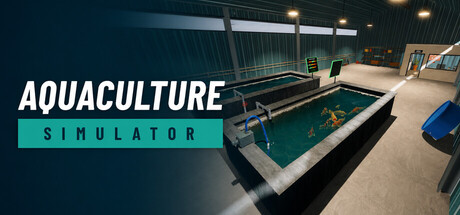
Some of this game's assets were created with generative AI tools and then integrated by hand: the fish models, the facility hall, and the tanks. Some in-game text, the tutorial and the customer emails, was written with the help of an AI language model. All other assets (music, sound, icons, textures, remaining UI) are hand-made or CC0. Every game system, the water simulation, koi grading, economy, customer and calendar logic, is hand-written code. No generative AI runs at runtime; nothing is generated live while you play.
Generative AI tools were used during development to assist with portions of the game’s code. All AI-assisted code was reviewed, edited, and tested by the developer. The game does not generate AI content during gameplay and does not connect to external AI services.
Some of the graphical assets in this game were created using generative AI tools. This includes certain 3D models (characters and props), textures, background illustrations, and UI images; some of the key art on this store page was created the same way. All AI-generated assets were curated, edited, and placed by the developer, and no AI content is generated in real time during gameplay.
Some in-game text, store page copy, and 2D marketing assets were created with the assistance of AI tools. All AI-assisted content was reviewed and curated by the developer. The game does not generate any content using AI during gameplay.
Some visual and audio assets in this game were created with the assistance of generative AI tools, then selected, edited, and integrated by the developer.
In the development process of this game, we utilized pre-generated AI tools as follows:
* 2D Assets (Backgrounds, Photos, Various Images): After generating base images using AI, we manually added, modified, and processed them before implementing them in the game.
* 3D Assets: AI generation was used for some 3D models, and the output models were then manually adjusted and processed before use.
* Audio: Generation AI tools (text-to-speech and speech synthesis) were used for some sound effects (SE) and character voices.
Please note that we did not use any live-generated AI systems that generate content in real time during game execution.
Some pre-generated visual assets used for the game’s store page and promotional materials were created with the assistance of generative AI. All AI-assisted content was reviewed, edited, and finalized by the developer before publication. The game does not use live-generated AI, and players cannot generate AI content while playing.
AI tools were used during development to assist with writing code, and to produce two categories of content shipped with the game: the original synthwave soundtrack (composed with AI music generation, curated and selected by the developer) and the interface translations for the non-English languages (reviewed by the developer). Some store page text was also drafted with AI assistance. All in-game worlds are generated procedurally by hand-written algorithms — no AI content is generated at runtime.
The development of The Rug Racket used generative AI tools to assist in creating some of the content included in the game, such as art assets, as well as in the creation of the game's store page and marketing materials. All AI-assisted content was reviewed by the development team prior to release.
Generative AI tools were used to help create some of StarFrame's content: certain promotional artwork on the store page, and some in-game text such as tutorial instructions and item descriptions. These were reviewed, adjusted, and finalized by the development team manually.
This game is intended as a criticism of generative AI. The main premise of the game is fighting AI Slop as such we used existing AI images for the enemies and environment. We did not generate any of these images ourselves. All AI art used in the game is pre-existing and found on the internet.
What type of code?
Game logic, UI systems, audio management, and narrative engine code written in Python with PySide6.
How are you using it?
AI (Claude) was used as a coding assistant during development. The developer directed all features, reviewed all generated code, tested functionality, and made final implementation decisions. The AI assisted with writing and debugging code based on human specifications.
(AI was used as a coding assistant. All code was human-reviewed, tested, and approved before implementation. The game is offline single-player with no features that could enable malicious use.)
The game utilizes pre-generated AI content for early concept references, Store Page promotional artwork, and in-game localization. All AI-assisted assets are manually edited to match the game's aesthetic. I plan to continuously review, refine, and potentially replace these assets throughout development to ensure a polished, high-quality, and consistent experience for the official full release.
We have only used Gen AI for the purposes of creating and placing the Capsule Art of the game.
We will be replacing the capsule art with our in-house capsule art.
During development, AI-assisted and AI-generated tools were used for pre-generated player-facing content.
Our production workflow combines original human-created assets with AI-assisted or AI-generated content. AI tools were used to assist with text translation/localization, visual asset modification and refinement, and the generation of certain audio assets.
Most final assets are the result of a mixed workflow: they may include both original developer-created elements and AI-assisted or AI-generated elements. All final text, visual, and audio assets included in the game have been manually reviewed, edited, selected, and approved by the development team.
The game does not include live-generated AI content. It does not generate new text, images, audio, or other player-facing content through AI during gameplay.
As a passionate two-person indie team with a $0 budget, we utilize advanced, paid AI tools to breathe life into our world. We use high-quality, expressive AI voice acting to deliver emotional depth to our characters, alongside curated AI art to enhance environmental storytelling. Every asset is carefully selected and integrated by hand to match our artistic vision without compromising on quality."
Generative AI tools were used during the development of this game to assist in creating background marketing materials and promotional store assets. Additionally, AI was utilized as a supportive tool for code optimization, bug-hunting, development consulting, and text localization. While the vast majority of the game's assets were created using traditional development methods, players may encounter a small number of AI-generated assets integrated within the game itself. No AI content is generated in real-time during gameplay.
Some images used in the game’s development and promotional materials were initially generated with the assistance of AI tools. These images were not used as final untouched AI output: they were reviewed, edited, adjusted, and finalized by human artists.
AI was used only as a production aid to speed up early visual exploration and reduce iteration time. It was not used to replace the work of human artists, but rather as part of a broader art pipeline that still relies on human direction, editing, and final approval.
Generative AI tools were used during development to assist with some pre-generated 2D artwork and UI imagery, 3D models and animations, instrumental music and sound effects, localization drafts, and portions of the game code. As a solo developer, I selected, edited, integrated, and reviewed all of these outputs before inclusion. The game does not generate content at runtime and does not send player input to generative AI services.
استُخدمت أدوات الذكاء الاصطناعي أثناء التطوير للمساعدة في كتابة أجزاء من كود اللعبة وبعض النصوص داخلها، مثل التلميحات ورسائل الواجهة، وكذلك في إنشاء بعض النماذج ثلاثية الأبعاد والخامات (التكستشر). جميع المحتوى المُنجز بمساعدة الذكاء الاصطناعي تمت مراجعته وتعديله واعتماده من المطوّر. قصة اللعبة وتصميمها وإخراجها من صنع الإنسان بالكامل، ولا يتم توليد أي محتوى بالذكاء الاصطناعي أثناء اللعب.
Generative AI is used in this game for both asset creation (such as UI elements and character visuals) and as a tool to assist in the development process (such as code organization). Every piece of content generated by AI is carefully reviewed and refined by the development team to ensure it meets our quality standards.
Generative AI was used during development to assist with a small portion of the game's code, improve and translate dialogue, and create or refine a limited number of sprite assets. All AI-assisted content was reviewed, edited, and integrated by the developer. No generative AI is used in real time during gameplay.
Generative AI was used in the game's art production for image creation and image enhancement.
Generative AI was used to translate the game's localized content.
TrueClash uses generative AI as part of its art workflow: character art and backgrounds are initially generated with AI tools, then manually reviewed, edited, and refined by our team in order to maintain the game's consistent visual style.
AI tools were also used to assist with translation and as a development aid for coding.
Some of the licensed music tracks featured in the game may have been created with AI assistance by their respective artists.
Some pre-rendered UI art (menu borders and decorative icons) was created with the assistance of generative AI tools during development. No content is generated live during gameplay.
Used AI to generate concept ideas and take care of tedious tasks to speed up preproduction.
All assets, including store images and thumbnails, are NOT AI generated.
Images provided to us by Patron supporters may or may not have been created using artificial intelligence.
One promotional artwork seen on the store page has been created with the help of AI tools. We are actively working on replacing it within the coming days.
Some of concept art and in-game promotional materials on the game's Steam store page were created using generative artificial intelligence tools. The game's coding and script were entirely written by developer.
We want to be transparent with our players.
It is possible that AI-assisted tools were used at some early stages of development, such as brainstorming, concept exploration, or helping us evaluate clarity of certain narrative elements.
Some audio assets used in the game were sourced from licensed third-party libraries and marketplaces (such as Envato), and are used under proper commercial licenses.
At the current stage of development, voice acting is generated using AI-based tools as a temporary solution. We are actively planning to replace it with professional human voice acting in future updates.
All final gameplay experience and core content are assembled, designed, and produced by our development team.
Some parts of the game were created with the help of generative AI tools. The music was made using Suno, and a few pieces of text were assisted by AI during development. Everything included in the game has been reviewed and approved by me before shipping.
The music featured in the game is AI-generated.
Sound effects, UI audio, and other audio assets are not AI-generated; they are manually edited or sourced from royalty-free sound libraries.
The game's programming, gameplay mechanics, system design, and overall game logic were developed by me using the Unity game engine. Generative AI tools were used only as an assistive resource for coding suggestions, debugging, optimization, and technical explanations. All AI-generated code was reviewed, modified, tested, and manually integrated into the project by me. The final implementation, design decisions, and gameplay systems were created and validated by the developer.
Some visual assets, audio, and written content used in this game were created or assisted by generative AI and have been reviewed, edited, and integrated by the developer. The game does not use AI to generate content during gameplay.
Backswamps contains some pre-generated visual assets created with the assistance of generative AI, including certain textures and interface artwork. All AI-assisted content has been reviewed, curated, and integrated by the developer. The game does not generate AI content during gameplay.
To create realistic interrogation scenarios in this detective game, this game packages a local, offline LLM to serve as the brain of the NPC suspects. This allows the user to lead the investigation however they like. Generative AI was NOT used to create this game, but an LLM is featured as a main game mechanic in the form of freeform NPC conversation.
Generative AI was used during development to assist with selected fictional product labels, packaging textures, item icons, and visual reference materials.
Some of this game's assets were created with generative AI tools and then integrated by hand: the fish models, the facility hall, and the tanks. Some in-game text, the tutorial and the customer emails, was written with the help of an AI language model. All other assets (music, sound, icons, textures, remaining UI) are hand-made or CC0. Every game system, the water simulation, koi grading, economy, customer and calendar logic, is hand-written code. No generative AI runs at runtime; nothing is generated live while you play.
Generative AI tools were used during development to assist with portions of the game’s code. All AI-assisted code was reviewed, edited, and tested by the developer. The game does not generate AI content during gameplay and does not connect to external AI services.
Some of the graphical assets in this game were created using generative AI tools. This includes certain 3D models (characters and props), textures, background illustrations, and UI images; some of the key art on this store page was created the same way. All AI-generated assets were curated, edited, and placed by the developer, and no AI content is generated in real time during gameplay.
Some in-game text, store page copy, and 2D marketing assets were created with the assistance of AI tools. All AI-assisted content was reviewed and curated by the developer. The game does not generate any content using AI during gameplay.
Some visual and audio assets in this game were created with the assistance of generative AI tools, then selected, edited, and integrated by the developer.
In the development process of this game, we utilized pre-generated AI tools as follows:
* 2D Assets (Backgrounds, Photos, Various Images): After generating base images using AI, we manually added, modified, and processed them before implementing them in the game.
* 3D Assets: AI generation was used for some 3D models, and the output models were then manually adjusted and processed before use.
* Audio: Generation AI tools (text-to-speech and speech synthesis) were used for some sound effects (SE) and character voices.
Please note that we did not use any live-generated AI systems that generate content in real time during game execution.
Some pre-generated visual assets used for the game’s store page and promotional materials were created with the assistance of generative AI. All AI-assisted content was reviewed, edited, and finalized by the developer before publication. The game does not use live-generated AI, and players cannot generate AI content while playing.