Public Steam disclosure research25,394 disclosures tracked
Where do games disclose AI use?
Search developers’ Steam disclosures, compare classified AI use across
games, and follow recorded changes.
This index adds cross-game classifications and statistics to
statements published on individual store pages.
Groups reflect automatic analysis of public disclosures; mature records are excluded. These counts do not measure AI use across all of Steam.
Missing or unclear statements cannot establish whether a game uses AI.
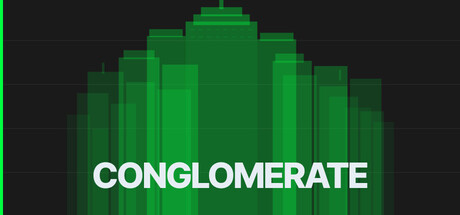
AI has been used to refine the game balance, produce the graphics and the code for Conglomerate. As a solo indie dev, AI is used to bounce ideas and support the game development, replicating having a development partner.
Some visual assets in the game (such as background elements and sprites) were created with the assistance of generative AI tools. Some localizations were produced using AI-assisted translation. AI tools may also be used for some promotional and store page materials.
As a solo developer several of the art assets used during the development of the game are generated using AI models with art references. Should the game be successful it is my hope to slowly start using commissioned art.
This game is made by a solo developer. To create a rich variety of cards on a small budget, AI was used to generate art assets for the game. All artwork was carefully reviewed and edited to achieve a consistent and high quality aesthetic.
Generative AI tools were used during the development of this game to assist with programming, game logic implementation, written content, visual assets, and other development workflows. AI-generated code, text, images, and design elements were reviewed, modified, and approved by the developer before being included in the final product.
To provide our players with a richer visual and auditory experience within a small-scale development environment, We used pre-generated AI tools to assist in creating some 2D art assets, background music, and voice lines.
Most of the game's artwork was created by commissioned artists. A small number of outsourced illustrations are currently under review, so the game has been disclosed as containing AI-generated artwork.
Generative AI was used as a supporting tool during the creation of some of the Steam Community assets, with all AI-generated images being carefully refined and significantly reworked by a professional graphic artist. The game itself (and all in-game artwork) was created entirely by human developers and artists, without the use of generative AI.
Codex, powered by ChatGPT, was used as a coding assistant during development.
I’m a software engineer with 25 years of programming experience. I used Codex to help with technical implementation while I focused on the game’s design, systems, balance, and overall feel. It made it possible to build Mindscape in my spare time and release it for free.
AI tools were used in a limited capacity during the development of the game, primarily to assist with certain programming tasks and the creation of temporary assets.
No AI-generated content is created in real time while playing the game.
Some pre-rendered 2D artwork, icon, and UI/store visual assets were created or assisted with generative AI during development. The game does not generate AI content during gameplay and does not connect to an external AI service.
Generative AI was used during development to assist with creating some art assets, music, sound effects, gameplay prototypes, text, and code iteration. All AI-generated content used in the game has been manually reviewed, edited, integrated, and tested before inclusion.
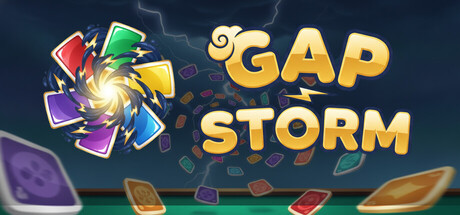
Some of Gap Storm's assets — including card art, character/enemy avatars, table and background art, certain UI icons, and some audio — were created with the assistance of generative AI tools (Google Gemini) during development. These assets were reviewed, edited, curated, and integrated by the developer. Gap Storm does NOT generate any AI content live during gameplay; all AI-assisted content is pre-made and fixed in the build.
The art, music, and written text in this game were created using commercial generative AI services, working from the developer's own designs and ideas under direct human supervision, with each asset and passage curated and edited by hand. All content is pre-generated — no AI runs while you play.
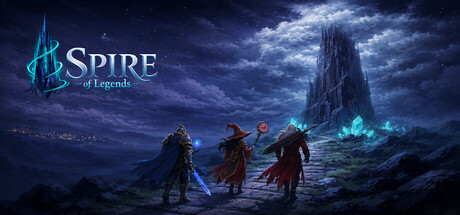
Spire of Legends uses generative AI as part of the development process for certain visual assets, sound effects, and localization content. AI-generated content is not used directly without review; assets and text are edited, refined, and integrated by the developer to meet the game's artistic and gameplay requirements. All game design, programming, mechanics, balance decisions, and overall creative direction are created by the developer.
Generative AI tools were used during development to create and edit some visual assets, including character, unit, action, and background artwork. Generative AI was also used in the creation of some sound and audio assets. All generated materials were reviewed, selected, and edited by the developer before being included in the game or its store assets. The game does not generate AI content during gameplay.
Most character avatars, icons and in-game buildings are generated or modified with AI tools. Building names and certain text content are AI-generated, while all remaining assets are manually created.
Ashen Crown was built almost entirely with the help of generative AI. The game's code was written through conversation with an AI assistant (Claude), with me directing, correcting, testing, and deciding what the game should be. All in-game visuals are drawn in code rather than created by an artist, and the sound and music were generated with AI as well. No third-party art, audio, or text assets were used. AI was a tool throughout development; the design, direction, and final decisions are mine.
The developer used generative AI tools during development to assist in creating pre-generated assets, including concept art for backgrounds and placeholder text assets. None of the AI content is generated in real-time during gameplay.
The developer used generative AI tools during the development process to assist in creating visual assets and concept art. All content in the final game is pre-rendered and static; the game does not generate new content in real-time or connect to external AI services during execution.
This game utilizes generative artificial intelligence tools in its development to assist our small team. Specifically, AI was used to help localize our Steam store listing text into multiple languages to reach a broader audience. Additionally, AI tools were used to help refine and format certain store promotional images and icons, which are strictly based on and adapted from our original, human-created hand-drawn concept art. No live-generated AI content is used during active gameplay.
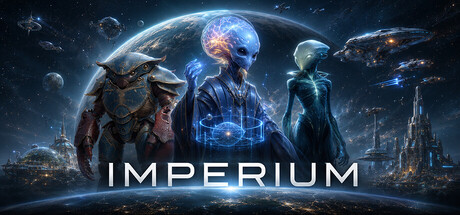
Imperium is a solo-developed game that makes extensive use of generative AI
to create its content:
• Visual art and graphical assets — planet surfaces, buildings, species and
ship artwork, interface art, and store/marketing imagery — were generated
using Midjourney and ChatGPT, then extensively edited, composited, and
refined by hand in Photoshop (including Photoshop's AI tools) to fit the
game's art direction.
• Music was generated using Suno.
• Sound effects were generated using ElevenLabs.
Every asset is reviewed, edited, and approved by the developer before it
ships, and the game's design, systems, and balance are the developer's own.
Imperium's in-game opponents use traditional algorithmic AI, not generative AI.
The Early Access build includes some static pre-generated AI placeholder artwork used as temporary in-game assets during development. This content is not generated during gameplay, is not user-generated, and does not connect to any external AI service. Placeholder artwork may be replaced or polished during Early Access as final art is completed.
This game uses AI-generated and AI-assisted content as part of its creative process.
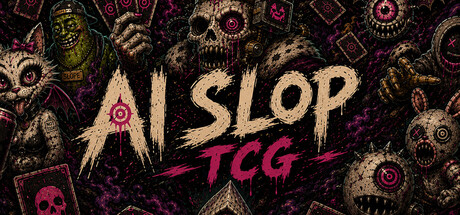
AI Slop: TCG exists because of a very specific idea: taking the weird, imperfect, grotesque, and absurd look of what people call “AI slop” and turning it into a roguelike card game full of satire, dark humor, and creatures that probably should not exist.
That is why AI has mainly been used to create and develop the creature illustrations for the cards. It is not an accidental extra or some hidden shortcut: it is part of the game’s concept, lore, and visual identity. Without that mutant digital-trash aesthetic, the project would lose a big part of what makes it work.
AI has also been used as support for visual ideation and production, which is especially important for a game being made by a solo developer.
The game does not generate AI content in real time during gameplay. All included content has been reviewed, selected, edited, and manually integrated by the developer.
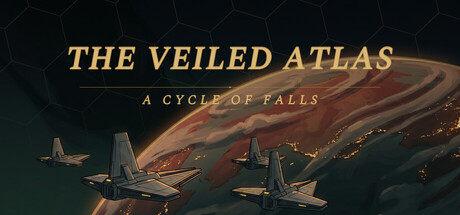
Galactum Meridian was developed with generative AI assistance under direct human creative direction. AI tools supported coding, writing, design exploration, production workflows, and selected visual and promotional assets. All material was reviewed, edited, and integrated by the developer. The game does not use live generative AI during gameplay.
Generative AI tools were used during development to assist with some pre-generated visual and text assets, including Steam store or marketing materials. All AI-assisted content is reviewed and included before release. The game does not generate new AI content during gameplay and does not connect to external AI services while running.
Generative AI tools were used only to assist in the creation of certain store page and marketing images. No AI-generated content is created during gameplay, and the game does not use live AI systems or connect to external AI services while running.
Generative AI tools were used only as programming assistance during development, such as code reference, debugging support, and workflow optimization. No player-facing art, story, audio, localization text, or gameplay content was generated by AI.
This game includes content created with the assistance of generative AI tools. Some character and UI artwork was produced using AI image generation (ChatGPT) and then edited by the developer, and the background music was generated using ACE-Step (an open-source model whose output permits commercial use). All AI-assisted assets were reviewed by the developer to ensure they do not infringe the intellectual property of third parties. No AI is used at runtime—all generation occurred during development (pre-generated).
AI has been used to refine the game balance, produce the graphics and the code for Conglomerate. As a solo indie dev, AI is used to bounce ideas and support the game development, replicating having a development partner.
Some visual assets in the game (such as background elements and sprites) were created with the assistance of generative AI tools. Some localizations were produced using AI-assisted translation. AI tools may also be used for some promotional and store page materials.
As a solo developer several of the art assets used during the development of the game are generated using AI models with art references. Should the game be successful it is my hope to slowly start using commissioned art.
This game is made by a solo developer. To create a rich variety of cards on a small budget, AI was used to generate art assets for the game. All artwork was carefully reviewed and edited to achieve a consistent and high quality aesthetic.
Generative AI tools were used during the development of this game to assist with programming, game logic implementation, written content, visual assets, and other development workflows. AI-generated code, text, images, and design elements were reviewed, modified, and approved by the developer before being included in the final product.
To provide our players with a richer visual and auditory experience within a small-scale development environment, We used pre-generated AI tools to assist in creating some 2D art assets, background music, and voice lines.
Most of the game's artwork was created by commissioned artists. A small number of outsourced illustrations are currently under review, so the game has been disclosed as containing AI-generated artwork.
Generative AI was used as a supporting tool during the creation of some of the Steam Community assets, with all AI-generated images being carefully refined and significantly reworked by a professional graphic artist. The game itself (and all in-game artwork) was created entirely by human developers and artists, without the use of generative AI.
Codex, powered by ChatGPT, was used as a coding assistant during development.
I’m a software engineer with 25 years of programming experience. I used Codex to help with technical implementation while I focused on the game’s design, systems, balance, and overall feel. It made it possible to build Mindscape in my spare time and release it for free.
AI tools were used in a limited capacity during the development of the game, primarily to assist with certain programming tasks and the creation of temporary assets.
No AI-generated content is created in real time while playing the game.
Some pre-rendered 2D artwork, icon, and UI/store visual assets were created or assisted with generative AI during development. The game does not generate AI content during gameplay and does not connect to an external AI service.
Generative AI was used during development to assist with creating some art assets, music, sound effects, gameplay prototypes, text, and code iteration. All AI-generated content used in the game has been manually reviewed, edited, integrated, and tested before inclusion.
Some of Gap Storm's assets — including card art, character/enemy avatars, table and background art, certain UI icons, and some audio — were created with the assistance of generative AI tools (Google Gemini) during development. These assets were reviewed, edited, curated, and integrated by the developer. Gap Storm does NOT generate any AI content live during gameplay; all AI-assisted content is pre-made and fixed in the build.
The art, music, and written text in this game were created using commercial generative AI services, working from the developer's own designs and ideas under direct human supervision, with each asset and passage curated and edited by hand. All content is pre-generated — no AI runs while you play.
Spire of Legends uses generative AI as part of the development process for certain visual assets, sound effects, and localization content. AI-generated content is not used directly without review; assets and text are edited, refined, and integrated by the developer to meet the game's artistic and gameplay requirements. All game design, programming, mechanics, balance decisions, and overall creative direction are created by the developer.
Generative AI tools were used during development to create and edit some visual assets, including character, unit, action, and background artwork. Generative AI was also used in the creation of some sound and audio assets. All generated materials were reviewed, selected, and edited by the developer before being included in the game or its store assets. The game does not generate AI content during gameplay.
Most character avatars, icons and in-game buildings are generated or modified with AI tools. Building names and certain text content are AI-generated, while all remaining assets are manually created.
Ashen Crown was built almost entirely with the help of generative AI. The game's code was written through conversation with an AI assistant (Claude), with me directing, correcting, testing, and deciding what the game should be. All in-game visuals are drawn in code rather than created by an artist, and the sound and music were generated with AI as well. No third-party art, audio, or text assets were used. AI was a tool throughout development; the design, direction, and final decisions are mine.
The developer used generative AI tools during development to assist in creating pre-generated assets, including concept art for backgrounds and placeholder text assets. None of the AI content is generated in real-time during gameplay.
The developer used generative AI tools during the development process to assist in creating visual assets and concept art. All content in the final game is pre-rendered and static; the game does not generate new content in real-time or connect to external AI services during execution.
This game utilizes generative artificial intelligence tools in its development to assist our small team. Specifically, AI was used to help localize our Steam store listing text into multiple languages to reach a broader audience. Additionally, AI tools were used to help refine and format certain store promotional images and icons, which are strictly based on and adapted from our original, human-created hand-drawn concept art. No live-generated AI content is used during active gameplay.
Imperium is a solo-developed game that makes extensive use of generative AI
to create its content:
• Visual art and graphical assets — planet surfaces, buildings, species and
ship artwork, interface art, and store/marketing imagery — were generated
using Midjourney and ChatGPT, then extensively edited, composited, and
refined by hand in Photoshop (including Photoshop's AI tools) to fit the
game's art direction.
• Music was generated using Suno.
• Sound effects were generated using ElevenLabs.
Every asset is reviewed, edited, and approved by the developer before it
ships, and the game's design, systems, and balance are the developer's own.
Imperium's in-game opponents use traditional algorithmic AI, not generative AI.
The Early Access build includes some static pre-generated AI placeholder artwork used as temporary in-game assets during development. This content is not generated during gameplay, is not user-generated, and does not connect to any external AI service. Placeholder artwork may be replaced or polished during Early Access as final art is completed.
This game uses AI-generated and AI-assisted content as part of its creative process.
AI Slop: TCG exists because of a very specific idea: taking the weird, imperfect, grotesque, and absurd look of what people call “AI slop” and turning it into a roguelike card game full of satire, dark humor, and creatures that probably should not exist.
That is why AI has mainly been used to create and develop the creature illustrations for the cards. It is not an accidental extra or some hidden shortcut: it is part of the game’s concept, lore, and visual identity. Without that mutant digital-trash aesthetic, the project would lose a big part of what makes it work.
AI has also been used as support for visual ideation and production, which is especially important for a game being made by a solo developer.
The game does not generate AI content in real time during gameplay. All included content has been reviewed, selected, edited, and manually integrated by the developer.
Galactum Meridian was developed with generative AI assistance under direct human creative direction. AI tools supported coding, writing, design exploration, production workflows, and selected visual and promotional assets. All material was reviewed, edited, and integrated by the developer. The game does not use live generative AI during gameplay.
Generative AI tools were used during development to assist with some pre-generated visual and text assets, including Steam store or marketing materials. All AI-assisted content is reviewed and included before release. The game does not generate new AI content during gameplay and does not connect to external AI services while running.
Generative AI tools were used only to assist in the creation of certain store page and marketing images. No AI-generated content is created during gameplay, and the game does not use live AI systems or connect to external AI services while running.
Generative AI tools were used only as programming assistance during development, such as code reference, debugging support, and workflow optimization. No player-facing art, story, audio, localization text, or gameplay content was generated by AI.
This game includes content created with the assistance of generative AI tools. Some character and UI artwork was produced using AI image generation (ChatGPT) and then edited by the developer, and the background music was generated using ACE-Step (an open-source model whose output permits commercial use). All AI-assisted assets were reviewed by the developer to ensure they do not infringe the intellectual property of third parties. No AI is used at runtime—all generation occurred during development (pre-generated).