








Disclosure
AI was used to support artwork creation and background. Background music creation was supported by AI.
- Creator
- Innopede GmbH
- Reviews
- -
- Added
- Jul 31, 2026
Public Steam disclosure research 25,394 disclosures tracked
Search developers’ Steam disclosures, compare classified AI use across games, and follow recorded changes. This index adds cross-game classifications and statistics to statements published on individual store pages.
Code help, debugging and other development work.
Capsule art, trailers and promotional material.
Pre-made art, audio, writing and other game assets.
Interactive or runtime AI features disclosed by the developer.
Groups reflect automatic analysis of public disclosures; mature records are excluded. These counts do not measure AI use across all of Steam. Missing or unclear statements cannot establish whether a game uses AI.
AI was used to support artwork creation and background. Background music creation was supported by AI.
While a vast majority of Gloomhallow was human created, it was created by a solo developer (single person) - AI assisted in very specific fields such as; - C# Coding - SFX Generation - OST Creation - Very select UI Animations
The game contains pre-generated visual and audio assets created with the assistance of generative AI tools during development. OpenAI-assisted tools were used for selected visual assets, Suno was used for pre-generated medieval-inspired music, and ElevenLabs was used for selected sound effects, ambience, and voice elements. All outputs were reviewed, selected, edited, and integrated by the developer. The game does not use live-generated AI and does not connect to an AI service while running.
Generative AI tools were used during the development of The Five Monks as follows: - Illustrations, icons, and in-game object art: initial images were generated with AI tools, then revised and finalized by hand by the development team. These edited assets ship with the game. - Creature and character concepts: AI outputs were used as visual reference only. The final in-game art was recreated from scratch by the development team to fit the game's art direction. - Store page text: portions were drafted with AI assistance and then edited by the team. The game's music was composed by the development team without generative AI.
AI tools were used during development to assist in the creation of some pre-generated content included in the game. All such content was reviewed, curated, and edited by the developer before inclusion. Some 2D sprites, icons, and key art were created with the assistance of generative AI tools. Music and sound effects were also created with the assistance of AI audio tools. Localization for languages other than English was produced with AI assistance and reviewed by the developer. The game does not use generative AI at runtime and does not generate any live AI content during gameplay.
Some sound effects, written content, and artwork were generated with AI and then manually edited and refined.
Generative AI tools were used during development to assist in creating and refining some 2D pixel-art assets, animations, and localization text. All AI-assisted content was reviewed, edited, and integrated by the developer.
Generative AI was used during development to create some of the pre-generated images included in the game. All AI-generated content is created in advance and included as static game assets. The game does not generate AI content during gameplay.
Gemfire Survival was developed with assistance from generative AI tools (such as Large Language Models) to help write and structure the source code and draft store descriptions. All AI-generated content was reviewed, edited, and integrated manually. The game does not feature live, runtime generative AI or external API connections during gameplay.
The game contains AI-generated assets.
Some of the placeholder art currently in Tiny Chef was generated with AI tools while the game is in development. It is temporary and is being replaced with final artwork drawn by a human artist.
Generative AI was used throughout the development process. It was utilized alongside the developer to assist with tasks. Notably: debugging, localization, asset creation, and marketing materials. All AI-generated content was reviewed, edited, and integrated by the developer to ensure both quality and consistency standards were met.
Some images created using AI for Steam Page.
AI used for sprite, and artwork. AI used to help code the game.
Song of Larithea is made by a solo developer using generative AI across the pipeline: the artwork is AI-generated and then hand-edited in Photoshop, and the voice lines, music, and sound are AI-generated as well. The story is the author's own, adapted from her own novel, with AI helping polish the English text - and future translations will be AI-assisted too. Every asset is reviewed, corrected, and finished by hand before it ships.
Note: some imagery for the store page, in-game and marketing is pre-rendered by AI.
Two-Dye has been developed with the assistance of AI tools that has helped with Graphical assets, sounds and localization.
Generative tools were used during development to assist with certain aspects of the games rendering systems; all such content was curated, reviewed, and integrated by the development team.
Programming: AI tools (Cursor) were utilized to assist with drafting partial code blocks and isolated scripts. The overall core logic, architecture, and system design were manually programmed by the developer. Art Assets: An AI image generator (PixelLab) was used to help conceptualize and generate some of the pixel art assets. These assets were manually reviewed and integrated to fit the game's retro aesthetic. Localization / Translation: AI translation tools were used to assist in translating in-game text and store page descriptions into multiple languages.
The background music in this game was created using generative AI tools. All other content — artwork, code, gameplay systems, and design — is made by humans.
The game's music was generated using artificial intelligence.
AI was not used in the game itself, but was used in the creation of the game’s cover art.
Generative AI coding models (Claude Code) used to assist with development. Including code that renders background music using MIDI-as-code tracks.
Some upgrade illustrations Background music Some sound effects Some text localization
Most of the art assets in this game are human-made, but there are some AI-generated portraits of African, Indian, and East Asian characters, since the (human-made) portrait packs used did not contain all ethnic groups represented in the game. All dialogue in the game is human-directed and edited, but some was AI-generated in order to flesh out the world with unique dialogue for every region and situation.
LLMs were used to help create this game. The characters are human drawn.
Generative AI was used to assist with initial drafts of some localized text. All final translations were manually reviewed and edited. No AI-generated artwork, animation, audio, code, or live-generated content is included in the game. All visual assets shown in the game and on the store page were created by human artists.
Generative AI tools were used to assist in creating some pre-generated 2D visual assets and promotional artwork. All generated material was selected, edited, composited, and integrated by the developer. The game does not generate AI content during gameplay and does not send player data to generative AI services.
AI tools (coding assistants) were used to help write portions of the game's source code during development. All art, music, and game content shipped in the product are hand-authored or procedurally generated by our own code; no generative AI is used to produce any assets, and no AI generates content at runtime. Basically, I write software for a living but I was not a video game dev, so I used some coding assistants to help me out with areas I was less familiar.
Generative AI tools were used during development to assist with portions of the game's pre-generated 2D artwork, UI assets, localization, code, and promotional materials. All output was reviewed, edited, and integrated by the developer. The game does not generate AI content during gameplay.
This game uses a mix of human and generative AI tools. AI was used in some visual art assets, code generation, and portions of the store page text. All writing in the game, voice acting, and music are fully human-created.
The game to contain art assets generated by artificial intelligence
Some item names and interface translations into languages other than English were created with AI assistance, then carefully reviewed and edited by the developer. Parts of the 2D artwork were created with image generation tools, then carefully curated, edited, and composited by hand. Audio was created by people and comes from CC0-licensed sources with attribution. No AI content is generated during gameplay. The game does not generate AI content at runtime, and no player data is ever sent to any AI service.
Some background images and decorative visual assets were created using generative AI.
This game uses generative AI tools (such as PixelLab) during development to create or assist with some pre-rendered pixel art: enemy/character sprites, UI panels, visual effects, and certain store or marketing stills. There is no live generative AI during gameplay. The game does not generate images, text, or audio with AI while you play.
The game's art and animation content — including character sprites, animations, tilesets, UI elements, and store page artwork — was generated with the assistance of AI tools during development and then refined by the team. All AI-generated content was created during development; the game does not generate content while you play.
Generative AI was used during the development process to assist in writing the game's story, dialogue, and optimizing parts of the game code.
Generative AI is used solely to assist with localization and translation work. The game does not use AI-generated art, audio, or real-time in-game content.
Pixel art assets, the soundtrack, and portions of the game's writing were created with generative AI, then curated and edited by the developer. The game's design, satirical concept, and systems are original human work. All sound effects were recorded by voice actors.
Initially used Ai generated pixel art as a place-holder, but I actually like it very much, it makes it much more wholesome and cute, fitting into the vibe of the game!
Some of this game's visual assets (logo, promotional and store page images, character/enemy) were created with the aid of generative AI tools during development. All generated content was reviewed, curated and refined manually by the developer. The game does not use generative AI in real time during gameplay: all assets are pre-generated and static.
To streamline the creative workflow, this game incorporates AI-assisted tools. AI was employed for initial code prototyping and some asset creation; however, every aspect of the game has been extensively reviewed, modified, and refined to ensure high-quality performance and consistency.
本游戏在开发过程中使用了生成式人工智能工具辅助制作预生成内容。 游戏中绝大部分美术素材,包括角色形象、角色序列帧动画、战斗场景背景、用户界面图形、物品与武器图标以及部分视觉特效,使用AI图像生成功能制作。所有生成图片均在加入游戏前经过开发者人工筛选,并根据实际需要进行裁切、缩放、色彩调整、组合、动画帧整理、局部修正和游戏内适配。 开发过程中也使用了 AI 编程辅助工具,帮助编写、整理、重构和排查部分程序代码。所有 AI 辅助代码均由开发者人工审阅、修改、整合和测试后才会加入游戏。 本游戏运行时不会连接生成式 AI 服务,也不会根据玩家输入实时生成图片、文本、音频、代码或其他内容。玩家无法通过游戏生成、上传、分享或导出 AI 内容。
Generative AI was used for localization.
Some of the art assets in Bomb Farm - including character, item and environment artwork used in the game, on our store page and in Steam Community images - were created with the help of generative AI tools, and were then reviewed, edited and assembled by our team before being included in the build. Bomb Farm does not generate any content with AI while you play. All content ships pre-made inside the game build; there is no live/real-time AI generation and the game does not connect to any external AI service.
Dieses Spiel enthält vorab erstellte Inhalte, die teilweise mit Unterstützung generativer KI-Tools erstellt wurden. Dazu können einzelne Grafiken, Icons, Textentwürfe, Beschreibungen, Dialoge oder Lokalisierungstexte gehören. Alle KI-unterstützten Inhalte wurden vom Entwickler geprüft, ausgewählt und bei Bedarf manuell überarbeitet, damit sie zum Stil, zur Handlung und zur Qualität des Spiels passen. Während des Spielens werden keine neuen Inhalte durch KI generiert.
AI was used in the creation of localization and marketing materials
AI support was used solely for coding support during the game's development process. There is no AI system actively running during gameplay, generating real-time content, or connecting to an external AI service. Beyond the game's coding, the graphics, story, music, and other creative content were entirely created by human effort.
SnapQuest uses live-generated AI as part of its core photo-scanning mechanic. When a player captures or selects a photo, a vision-language model analyzes the image and generates structured card content, including a card name, description, category, and gameplay attributes. The card artwork uses the player's submitted photo rather than an AI-generated replacement image. Generated results vary depending on the submitted photo.
Generative AI was used solely for the creation of a store/community icon associated with this product. No gameplay content, in-game assets, or soundtrack audio were generated using AI.
| Title⇅ | Disclosure | Creator⇅ | Src | Reviews⇅ | Added↓ |
|---|---|---|---|---|---|
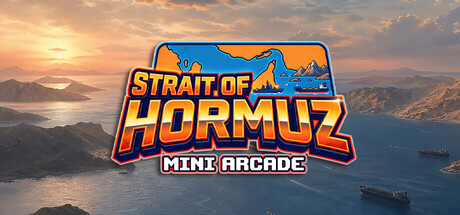 Strait of Hormuz Mini Arcade In-game content artaudio | AI was used to support artwork creation and background.
Background music creation was supported by AI. | Innopede GmbH | - | Jul 31, 2026 | |
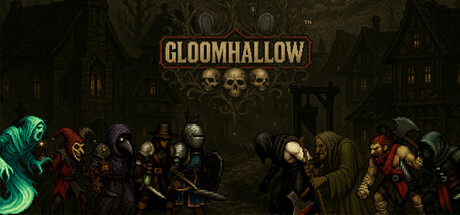 Gloomhallow In-game content artaudiocode | While a vast majority of Gloomhallow was human created, it was created by a solo developer (single person) - AI assisted in very specific fields such as;
- C# Coding
- SFX Generation
- OST Creation
- Very select UI Animations | Paragon 3D Studios LTD. | - | Jul 31, 2026 | |
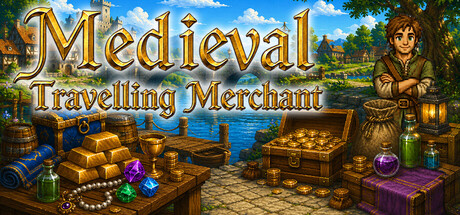 Medieval Travelling Merchant In-game content artaudio | The game contains pre-generated visual and audio assets created with the assistance of generative AI tools during development. OpenAI-assisted tools were used for selected visual assets, Suno was used for pre-generated medieval-inspired music, and ElevenLabs was used for selected sound effects, ambience, and voice elements. All outputs were reviewed, selected, edited, and integrated by the developer. The game does not use live-generated AI and does not connect to an AI service while running. | Lord Beard Games | - | Jul 31, 2026 | |
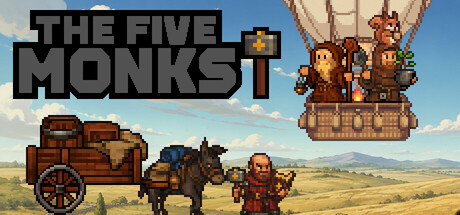 The Five Monks In-game content arttext | Generative AI tools were used during the development of The Five Monks as follows:
- Illustrations, icons, and in-game object art: initial images were generated with AI tools, then revised and finalized by hand by the development team. These edited assets ship with the game.
- Creature and character concepts: AI outputs were used as visual reference only. The final in-game art was recreated from scratch by the development team to fit the game's art direction.
- Store page text: portions were drafted with AI assistance and then edited by the team.
The game's music was composed by the development team without generative AI. | Mad Goblins | - | Jul 31, 2026 | |
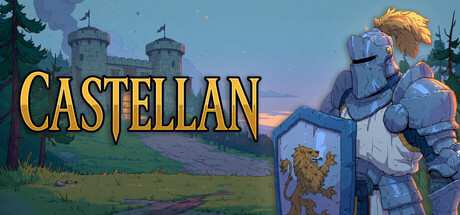 Castellan In-game content artaudiotext | AI tools were used during development to assist in the creation of some pre-generated content included in the game. All such content was reviewed, curated, and edited by the developer before inclusion. Some 2D sprites, icons, and key art were created with the assistance of generative AI tools. Music and sound effects were also created with the assistance of AI audio tools. Localization for languages other than English was produced with AI assistance and reviewed by the developer. The game does not use generative AI at runtime and does not generate any live AI content during gameplay. | Bozalt Games | - | Jul 31, 2026 | |
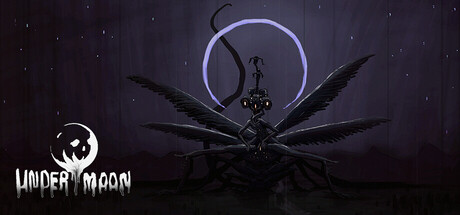 Undermoon In-game content audiotextart | Some sound effects, written content, and artwork were generated with AI and then manually edited and refined. | momorange | - | Jul 31, 2026 | |
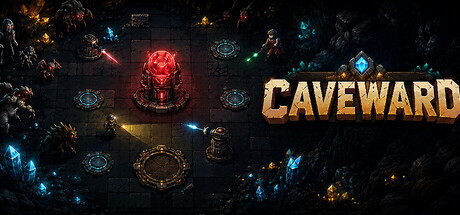 Caveward In-game content arttext | Generative AI tools were used during development to assist in creating and refining some 2D pixel-art assets, animations, and localization text. All AI-assisted content was reviewed, edited, and integrated by the developer. | J. Souza | - | Jul 31, 2026 | |
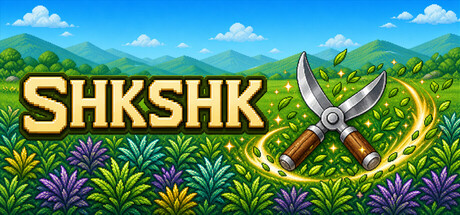 SHKSHK In-game content art | Generative AI was used during development to create some of the pre-generated images included in the game. All AI-generated content is created in advance and included as static game assets. The game does not generate AI content during gameplay. | JWG | - | Jul 31, 2026 | |
 Gemfire Survival Store/marketing codetext | Gemfire Survival was developed with assistance from generative AI tools (such as Large Language Models) to help write and structure the source code and draft store descriptions. All AI-generated content was reviewed, edited, and integrated manually. The game does not feature live, runtime generative AI or external API connections during gameplay. | RVLWorks | - | Jul 30, 2026 | |
 Pawcel: Bounce In-game content | The game contains AI-generated assets. | Bauta Studio | - | Jul 30, 2026 | |
 Tiny Chef In-game content art | Some of the placeholder art currently in Tiny Chef was generated with AI tools while the game is in development. It is temporary and is being replaced with final artwork drawn by a human artist. | Brydon Creative Inc. | - | Jul 30, 2026 | |
 Rendhelm: World of the Dragonsea In-game content arttext | Generative AI was used throughout the development process. It was utilized alongside the developer to assist with tasks. Notably: debugging, localization, asset creation, and marketing materials. All AI-generated content was reviewed, edited, and integrated by the developer to ensure both quality and consistency standards were met. | ZaxtorGameS | - | Jul 30, 2026 | |
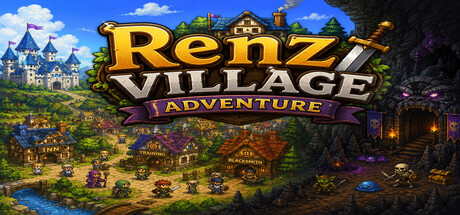 Renz Village Adventure Store/marketing art | Some images created using AI for Steam Page. | Logan Renz | - | Jul 30, 2026 | |
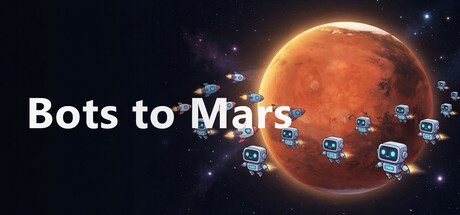 Bots to Mars In-game content artcode | AI used for sprite, and artwork. AI used to help code the game. | Benybob | - | Jul 30, 2026 | |
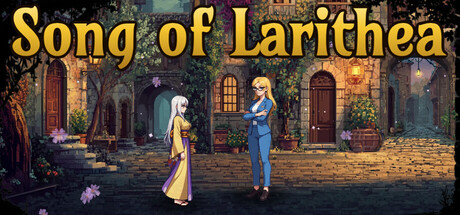 Song of Larithea In-game content artaudiotext | Song of Larithea is made by a solo developer using generative AI across the pipeline: the artwork is AI-generated and then hand-edited in Photoshop, and the voice lines, music, and sound are AI-generated as well. The story is the author's own, adapted from her own novel, with AI helping polish the English text - and future translations will be AI-assisted too. Every asset is reviewed, corrected, and finished by hand before it ships. | Inga Pflaumer | - | Jul 30, 2026 | |
 Blue Guy Must Die In-game content art | Note: some imagery for the store page, in-game and marketing is pre-rendered by AI. | Gravistar Games | - | Jul 30, 2026 | |
 Two-Dye In-game content artaudiotext | Two-Dye has been developed with the assistance of AI tools that has helped with Graphical assets, sounds and localization. | Smidd Games | - | Jul 30, 2026 | |
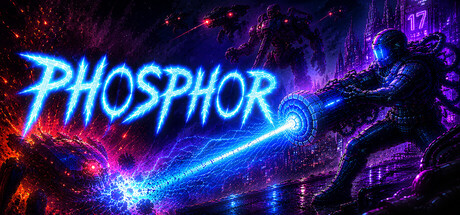 PHOSPHOR Dev only | Generative tools were used during development to assist with certain aspects of the games rendering systems; all such content was curated, reviewed, and integrated by the development team. | Manawave | - | Jul 30, 2026 | |
 War In The Dark In-game content arttextcode | Programming: AI tools (Cursor) were utilized to assist with drafting partial code blocks and isolated scripts. The overall core logic, architecture, and system design were manually programmed by the developer.
Art Assets: An AI image generator (PixelLab) was used to help conceptualize and generate some of the pixel art assets. These assets were manually reviewed and integrated to fit the game's retro aesthetic.
Localization / Translation: AI translation tools were used to assist in translating in-game text and store page descriptions into multiple languages. | Sprout Studio | - | Jul 30, 2026 | |
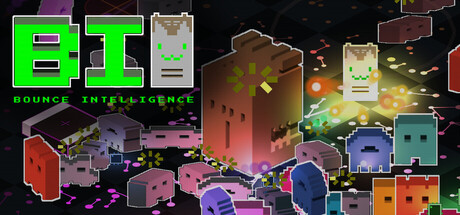 Bounce Intelligence In-game content audio | The background music in this game was created using generative AI tools. All other content — artwork, code, gameplay systems, and design — is made by humans. | tobinekodou | - | Jul 30, 2026 | |
 VERAKORIA In-game content audio | The game's music was generated using artificial intelligence. | Leakage Games | - | Jul 30, 2026 | |
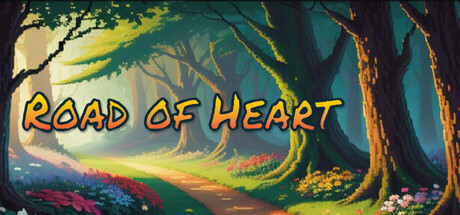 Road of Heart Store/marketing art | AI was not used in the game itself, but was used in the creation of the game’s cover art. | Xsav_Games | - | Jul 30, 2026 | |
 Age of Bricks In-game content codeaudio | Generative AI coding models (Claude Code) used to assist with development. Including code that renders background music using MIDI-as-code tracks. | stoggi | - | Jul 30, 2026 | |
 Antarctic Showdown In-game content artaudiotext | Some upgrade illustrations
Background music
Some sound effects
Some text localization | znlfxm | - | Jul 30, 2026 | |
 Marque & Reprisal In-game content arttext | Most of the art assets in this game are human-made, but there are some AI-generated portraits of African, Indian, and East Asian characters, since the (human-made) portrait packs used did not contain all ethnic groups represented in the game.
All dialogue in the game is human-directed and edited, but some was AI-generated in order to flesh out the world with unique dialogue for every region and situation. | Iron Pagoda | - | Jul 30, 2026 | |
 Lastlore Saga Unclear | LLMs were used to help create this game. The characters are human drawn. | 30 Minute Games | 19 | Jul 30, 2026 | |
 Ricochet Abyss In-game content text | Generative AI was used to assist with initial drafts of some localized text. All final translations were manually reviewed and edited.
No AI-generated artwork, animation, audio, code, or live-generated content is included in the game. All visual assets shown in the game and on the store page were created by human artists. | DreamForge | 65 | Jul 30, 2026 | |
 Roguelike Bricks Store/marketing art | Generative AI tools were used to assist in creating some pre-generated 2D visual assets and promotional artwork. All generated material was selected, edited, composited, and integrated by the developer. The game does not generate AI content during gameplay and does not send player data to generative AI services. | Hunmo | - | Jul 29, 2026 | |
 Depths of Providence Dev only code | AI tools (coding assistants) were used to help write portions of the game's source code during development. All art, music, and game content shipped in the product are hand-authored or procedurally generated by our own code; no generative AI is used to produce any assets, and no AI generates content at runtime.
Basically, I write software for a living but I was not a video game dev, so I used some coding assistants to help me out with areas I was less familiar. | Ryan Lutz | - | Jul 29, 2026 | |
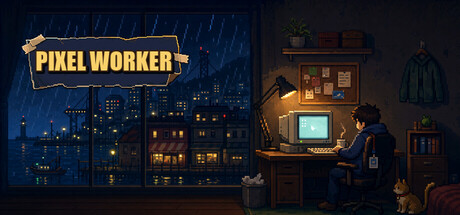 Pixel Worker In-game content arttextcode | Generative AI tools were used during development to assist with portions of the game's pre-generated 2D artwork, UI assets, localization, code, and promotional materials. All output was reviewed, edited, and integrated by the developer. The game does not generate AI content during gameplay. | DogSoul Games | - | Jul 29, 2026 | |
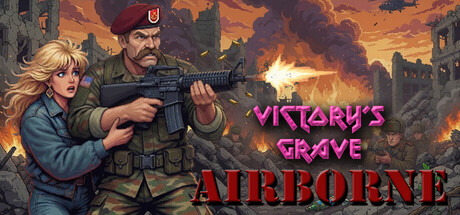 Victory's Grave: Airborne In-game content artcodetext | This game uses a mix of human and generative AI tools. AI was used in some visual art assets, code generation, and portions of the store page text. All writing in the game, voice acting, and music are fully human-created. | Old Glory Studios | - | Jul 29, 2026 | |
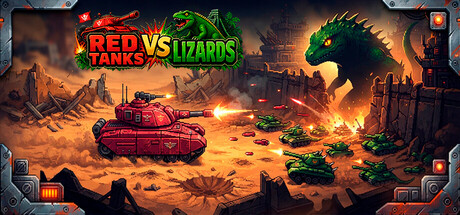 Red Tanks vs Lizard In-game content art | The game to contain art assets generated by artificial intelligence | Gamesforgames | - | Jul 29, 2026 | |
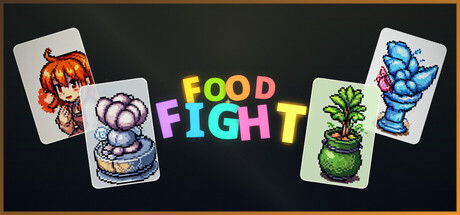 Food Fight In-game content textart | Some item names and interface translations into languages other than English were created
with AI assistance, then carefully reviewed and edited by the developer. Parts of the 2D
artwork were created with image generation tools, then carefully curated, edited, and
composited by hand. Audio was created by people and comes from CC0-licensed sources with
attribution. No AI content is generated during gameplay. The game does not generate AI
content at runtime, and no player data is ever sent to any AI service. | Midnight Pixel | - | Jul 29, 2026 | |
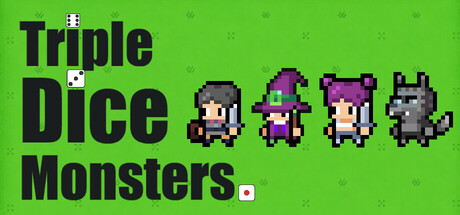 Triple Dice Monsters In-game content art | Some background images and decorative visual assets were created using generative AI. | Hakuto Games | - | Jul 29, 2026 | |
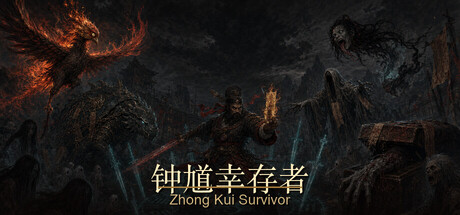 钟馗幸存者 In-game content art | This game uses generative AI tools (such as PixelLab) during development to create or assist with some pre-rendered pixel art: enemy/character sprites, UI panels, visual effects, and certain store or marketing stills.
There is no live generative AI during gameplay. The game does not generate images, text, or audio with AI while you play. | fanyifan | - | Jul 29, 2026 | |
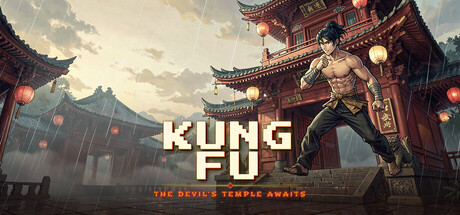 Kung Fu: The Devil's Temple Awaits In-game content art | The game's art and animation content — including character sprites, animations, tilesets, UI elements, and store page artwork — was generated with the assistance of AI tools during development and then refined by the team. All AI-generated content was created during development; the game does not generate content while you play. | ioStudios | - | Jul 29, 2026 | |
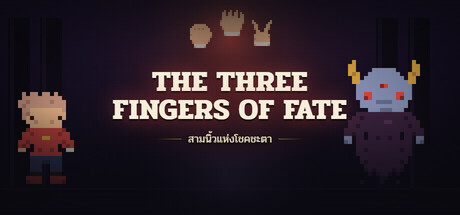 The Three Fingers of Fate In-game content textcode | Generative AI was used during the development process to assist in writing the game's story, dialogue, and optimizing parts of the game code. | Aisariya | - | Jul 29, 2026 | |
 Desktop Gankai In-game content text | Generative AI is used solely to assist with localization and translation work. The game does not use AI-generated art, audio, or real-time in-game content. | Pulsaris Games | - | Jul 29, 2026 | |
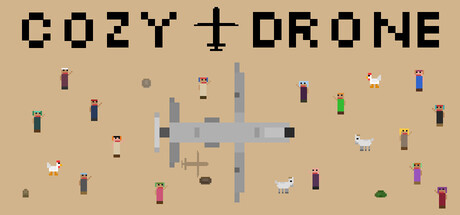 Cozy Drone In-game content artaudiotext | Pixel art assets, the soundtrack, and portions of the game's writing were created with generative AI, then curated and edited by the developer. The game's design, satirical concept, and systems are original human work. All sound effects were recorded by voice actors. | Squeeg Studios | - | Jul 29, 2026 | |
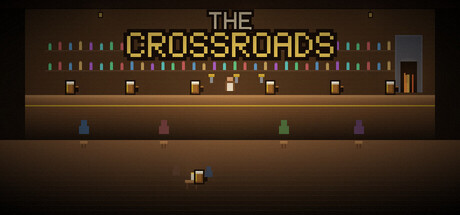 The Crossroads In-game content art | Initially used Ai generated pixel art as a place-holder, but I actually like it very much, it makes it much more wholesome and cute, fitting into the vibe of the game! | HalfAssStudios | - | Jul 29, 2026 | |
 Jackpot Poker Destruction Store/marketing art | Some of this game's visual assets (logo, promotional and store page images, character/enemy) were created with the aid of generative AI tools during development. All generated content was reviewed, curated and refined manually by the developer. The game does not use generative AI in real time during gameplay: all assets are pre-generated and static. | Angels' Software | - | Jul 29, 2026 | |
 God Save Wrist In-game content codeart | To streamline the creative workflow, this game incorporates AI-assisted tools. AI was employed for initial code prototyping and some asset creation; however, every aspect of the game has been extensively reviewed, modified, and refined to ensure high-quality performance and consistency. | PBH production | - | Jul 29, 2026 | |
 喵呜风云 In-game content artcode | 本游戏在开发过程中使用了生成式人工智能工具辅助制作预生成内容。
游戏中绝大部分美术素材,包括角色形象、角色序列帧动画、战斗场景背景、用户界面图形、物品与武器图标以及部分视觉特效,使用AI图像生成功能制作。所有生成图片均在加入游戏前经过开发者人工筛选,并根据实际需要进行裁切、缩放、色彩调整、组合、动画帧整理、局部修正和游戏内适配。
开发过程中也使用了 AI 编程辅助工具,帮助编写、整理、重构和排查部分程序代码。所有 AI 辅助代码均由开发者人工审阅、修改、整合和测试后才会加入游戏。
本游戏运行时不会连接生成式 AI 服务,也不会根据玩家输入实时生成图片、文本、音频、代码或其他内容。玩家无法通过游戏生成、上传、分享或导出 AI 内容。 | 执笔唯心 | - | Jul 29, 2026 | |
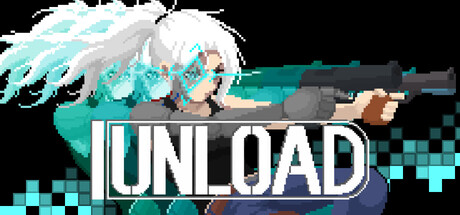 UNLOAD In-game content text | Generative AI was used for localization. | RooTwo | - | Jul 29, 2026 | |
 Bomb Farm In-game content art | Some of the art assets in Bomb Farm - including character, item and environment artwork used in the game, on our store page and in Steam Community images - were created with the help of generative AI tools, and were then reviewed, edited and assembled by our team before being included in the build.
Bomb Farm does not generate any content with AI while you play. All content ships pre-made inside the game build; there is no live/real-time AI generation and the game does not connect to any external AI service. | Stream On | - | Jul 29, 2026 | |
 Oreship Stellar Frontier In-game content arttext | Dieses Spiel enthält vorab erstellte Inhalte, die teilweise mit Unterstützung generativer KI-Tools erstellt wurden. Dazu können einzelne Grafiken, Icons, Textentwürfe, Beschreibungen, Dialoge oder Lokalisierungstexte gehören. Alle KI-unterstützten Inhalte wurden vom Entwickler geprüft, ausgewählt und bei Bedarf manuell überarbeitet, damit sie zum Stil, zur Handlung und zur Qualität des Spiels passen. Während des Spielens werden keine neuen Inhalte durch KI generiert. | Tischkanten_Flavor | - | Jul 29, 2026 | |
 Trust me, Officer In-game content textart | AI was used in the creation of localization and marketing materials | Brain Damage | - | Jul 29, 2026 | |
 All The Little People Dev only code | AI support was used solely for coding support during the game's development process. There is no AI system actively running during gameplay, generating real-time content, or connecting to an external AI service. Beyond the game's coding, the graphics, story, music, and other creative content were entirely created by human effort. | R0guish | - | Jul 29, 2026 | |
 照片勇者 Live AI textart | SnapQuest uses live-generated AI as part of its core photo-scanning mechanic. When a player captures or selects a photo, a vision-language model analyzes the image and generates structured card content, including a card name, description, category, and gameplay attributes. The card artwork uses the player's submitted photo rather than an AI-generated replacement image. Generated results vary depending on the submitted photo. | Liminis Studio | - | Jul 29, 2026 | |
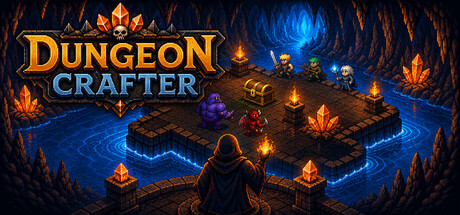 Dungeon Crafter In-game content art | Generative AI was used solely for the creation of a store/community icon associated with this product. No gameplay content, in-game assets, or soundtrack audio were generated using AI. | Fintasys Studio | - | Jul 29, 2026 |


