Public Steam disclosure research25,497 disclosures tracked
Where do games disclose AI use?
Search developers’ Steam disclosures, compare classified AI use across
games, and follow recorded changes.
This index adds cross-game classifications and statistics to
statements published on individual store pages.
Groups reflect automatic analysis of public disclosures; mature records are excluded. These counts do not measure AI use across all of Steam.
Missing or unclear statements cannot establish whether a game uses AI.
All AI used to make this game has been limited to coordinating tasks and making minor images that will be replaced before release. Code assistance was a major portion of its use to find errors and fix script as needed.
No AI is connecting to any third party or outside source during/before/after gameplay.
How is Generative AI used in this game?
Toxic Dating Simulator utilizes cutting-edge generative AI technologies to elevate its interactive cinematic storytelling.
Voice Acting (ElevenLabs): All character dialogues and Atakan's chaotic inner monologues are voiced using advanced AI-powered emotion-tagging technologies. This delivers high-fidelity voice lines capturing sarcasm, anger, or flirtatious tones with professional actor-level depth.
Visuals & Animation (Kling AI): The facial expressions, eye contact, and reactive behaviors of the female characters sitting across the cafe table are generated using advanced AI video tools.
Music: All context-dependent songs (electro, pop, or fantasy) playing on the post-date score screen are composed via AI tools, with all lyrics entirely written by the developer.
All AI-generated content in the game consists of pre-rendered, curated, and fully copyright-compliant static assets created during development. The game does not generate any live or real-time AI content during gameplay.
Generative AI tools were used to create the game's promotional logo, steam achievement icons, and background music prior to development (Pre-generated content).
Generative AI tools were used only to assist with the creation and editing of some Steam store page content, including store page text and promotional visual assets. The game itself does not use generative AI during gameplay. No AI-generated content is produced live while the player is playing, and the game does not connect to any external third-party AI service.
This game uses generative AI tools to create certain static visual assets, including background images, loading screens, character portraits, marketing materials, and ship illustrations.
No generative AI is used during gameplay to create game mechanics, simulations, text content, or dynamic systems. All gameplay mechanics and simulation systems are entirely handcrafted and deterministic.
Some visual assets in the game were created or assisted using AI-based tools during development. All generated content has been reviewed, modified, and integrated to fit the game's style and design.
AI was used to fix, format, and translate Steam Store Page assets and in-game text to various languages; to generate products icons (other sprites and textures are handmade)
This game contains pre-generated content created with the assistance of generative artificial intelligence (AI).
Some or all character illustrations, background scenes, visual assets, story content, character dialogue, voice content, and background music were created or assisted using generative AI technologies during development. All such content was reviewed, refined, and integrated into the final version of the game by the development team.
Music in Keeping Up is AI-assisted: tracks generated with Suno from prompts written, selected and edited by the developer. Code was written with the help of an AI coding assistant, under the developer's direction and review. Most in-game artwork (character portraits, board art, store capsules) are human-made by the project's artists. There are some placeholder AI artwork images.
Generative AI tools may be used during the development and marketing of WBS26 to assist with concept art, promotional images, placeholder visual materials, character portraits, text editing, localization support, and production workflow.
Some character portraits or visual assets may be created or assisted by generative AI tools and then reviewed, selected, and edited by the developer before being included in the game.
The game does not use generative AI to create gameplay content in real time for the player. AI-assisted materials are reviewed and edited by the developer before being included in the game or on the Steam store page.
We used AI to generate initial music tracks, concept art, and temporary translations into some languages.
All materials were then thoroughly edited, reworked, and finalized by humans.
Nothing went straight from the generator into the game.
This game uses generative AI in the following areas:
• Background artwork: All static background images displayed in menus and screen backdrops (e.g. brewery interior, fields, market, taverns) were created using generative AI. All images were carefully curated, selected, and post-processed by the developer to fit the game's "Soft Cinematic" 19th-century Belle Époque visual style.
• Sound effects and ambient audio: Some in-game sounds were generated using AI audio tools under appropriate commercial licenses. All sounds were reviewed and selected by the developer.
• Mission and narrative text: The campaign concept, story arc, and game design are the original work of the developer. Some campaign mission descriptions and in-game event texts were initially drafted with AI assistance based on the developer's outlines, and then reviewed, edited, and adapted to fit the game's tone and historical setting.
No generative AI is used during gameplay. All gameplay logic, mechanics, character behaviors, and AI competitor strategies are implemented as deterministic code that does not generate content at runtime. The game does not connect to any external AI services.
RAX uses generative AI-assisted content in limited areas. Background music was generated with Flow Music. English localization text was assisted by generative AI and manually reviewed/edited by the developer. Some promotional visual assets, including posters and background images used for the Steam store page, community assets, or marketing materials, were created with AI image generation tools.
All gameplay systems, puzzle rules, level design, game logic, and player interactions are manually designed by the developer. RAX does not use real-time generative AI during gameplay.
AI tools were used to generate some store icons and capsule-style promotional images. No AI-generated content is used as core gameplay, game code, or customer-facing interactive systems.
This game uses AI-generated content, including art, music, code, and some narrative text. All AI-generated content has been reviewed, selected, edited, and integrated by the developer.
The overall concept, system design, content structure, debugging, and final quality control were completed independently by the developer.
This game utilizes pre-rendered generative AI to assist in the creation of specific 2D/3D environment buildings and UI assets. These tools were used alongside traditional development methods to build out the game's world.
Some visual assets and promotional materials for this game were created or assisted using generative AI tools. All content was reviewed, edited, and integrated by the developer.
Some visual assets used for HackMeNow’s Steam store page, community assets, and marketing materials were created with the assistance of generative AI tools and then reviewed/selected by the developer.
The game itself does not use live generative AI during gameplay. No AI system generates player-facing text, images, audio, code, missions, or other dynamic content while the game is being played.
Generative AI tools were used as part of the development process.
For store page materials, AI-generated outputs were used as reference material. The final store assets were manually edited and assembled by the developer.
For the game itself, generative AI tools were used to assist with the creation of some in-game visual assets, such as sprites, and to support programming and implementation work. All AI-assisted content is reviewed, edited, and integrated by the developer before inclusion.
The game does not use live generative AI during gameplay and does not generate images, text, audio, or other content at runtime.
This game uses generative AI during development to assist with the creation of certain visual assets, text content, and localization content. All AI-assisted content has been manually reviewed, edited, integrated, and approved by the developer before being included in the game. The game does not generate AI content during live gameplay.
In the development and promotion of "Farm of Hope," we utilize Generative AI tools solely to assist in the creation of our marketing video trailers and promotional cinematic materials.
Specifically, Generative AI is used to enhance video editing workflows, generate specific background music tracks, and refine visual effects exclusively for our promotional trailers. All core in-game assets, including the 3D models, programming code, animations, and story scripts within the game build itself, are entirely created by our development team without the use of generative AI.
We ensure that all tools used in our video marketing pipeline comply fully with copyright standards and Steam's publishing policies.
This game uses generative AI in the following ways:
Art and Visual Assets (Pre-Generated):
Some in-game art assets including player portraits and UI illustrations were created with the assistance of generative AI tools during development. All generated assets were reviewed, curated, and edited by the developer before being included in the final build.
All AI-generated content has been produced using models and tools that the developer has the right to use commercially.
Generative AI was used during the development process to create various 2D assets, including Steam Achievement icons and some UI elements. All AI-generated content was manually reviewed and post-processed to ensure quality and stylistic consistency.
AI was used during development to assist with brainstorming, writing dialogue, generating character concepts, story planning, and organizing game data. All content was reviewed, edited, and implemented by the developer.
This game uses generative AI tools during development to assist with the creation of certain art assets and some repetitive development tasks. All content is manually designed, reviewed, selected, and integrated by the developer.
Generative AI tools were used during development as an assistance tool for programming, debugging, design iteration, documentation, and store-page text drafting. All final game content, gameplay systems, assets, and published materials are reviewed, selected, and implemented by the developer.
Sol Survivor does not use live generative AI during gameplay. Players do not interact with an AI text, image, audio, or content-generation system while playing.
Territory Titans: Booking Wars contains some pre-generated content created with the assistance of generative AI tools during development. AI-assisted tools were used to help create portions of promotional artwork, visual assets, and concept materials. All AI-generated content was reviewed, edited, and curated by the developer before inclusion in the game or store materials. The game does not use live AI generation during gameplay and does not generate content for players in real time.
Generative AI tools are used exclusively during the development process to assist with creating store page and community-related visual materials. No generative AI content is used in the core gameplay experience or real-time in-game systems.
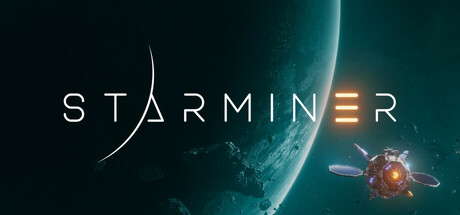
Some NPC portraits and player character face options in Starminer were created with the assistance of generative AI image tools during development. Generative AI was also used to help generate some informational dialogue, help texts, and tooltips. All AI-generated assets and text were reviewed, curated, and edited by our team before being integrated into the final build. No generative AI is used at runtime. All content shipped in the game is static and pre-authored.
This game is developed using a combination of artificial intelligence tools and human creativity. AI helps accelerate parts of the design and production process—such as prototyping, asset iteration, and content generation—allowing us to build richer experiences more efficiently.
However, every element of the game is carefully reviewed, refined, and supervised by our development team. From gameplay design to final implementation, humans remain fully involved to ensure quality, consistency, and a fun player experience.
All AI used to make this game has been limited to coordinating tasks and making minor images that will be replaced before release. Code assistance was a major portion of its use to find errors and fix script as needed.
No AI is connecting to any third party or outside source during/before/after gameplay.
How is Generative AI used in this game?
Toxic Dating Simulator utilizes cutting-edge generative AI technologies to elevate its interactive cinematic storytelling.
Voice Acting (ElevenLabs): All character dialogues and Atakan's chaotic inner monologues are voiced using advanced AI-powered emotion-tagging technologies. This delivers high-fidelity voice lines capturing sarcasm, anger, or flirtatious tones with professional actor-level depth.
Visuals & Animation (Kling AI): The facial expressions, eye contact, and reactive behaviors of the female characters sitting across the cafe table are generated using advanced AI video tools.
Music: All context-dependent songs (electro, pop, or fantasy) playing on the post-date score screen are composed via AI tools, with all lyrics entirely written by the developer.
All AI-generated content in the game consists of pre-rendered, curated, and fully copyright-compliant static assets created during development. The game does not generate any live or real-time AI content during gameplay.
Generative AI tools were used to create the game's promotional logo, steam achievement icons, and background music prior to development (Pre-generated content).
Generative AI tools were used only to assist with the creation and editing of some Steam store page content, including store page text and promotional visual assets. The game itself does not use generative AI during gameplay. No AI-generated content is produced live while the player is playing, and the game does not connect to any external third-party AI service.
This game uses generative AI tools to create certain static visual assets, including background images, loading screens, character portraits, marketing materials, and ship illustrations.
No generative AI is used during gameplay to create game mechanics, simulations, text content, or dynamic systems. All gameplay mechanics and simulation systems are entirely handcrafted and deterministic.
Some visual assets in the game were created or assisted using AI-based tools during development. All generated content has been reviewed, modified, and integrated to fit the game's style and design.
AI was used to fix, format, and translate Steam Store Page assets and in-game text to various languages; to generate products icons (other sprites and textures are handmade)
This game contains pre-generated content created with the assistance of generative artificial intelligence (AI).
Some or all character illustrations, background scenes, visual assets, story content, character dialogue, voice content, and background music were created or assisted using generative AI technologies during development. All such content was reviewed, refined, and integrated into the final version of the game by the development team.
Music in Keeping Up is AI-assisted: tracks generated with Suno from prompts written, selected and edited by the developer. Code was written with the help of an AI coding assistant, under the developer's direction and review. Most in-game artwork (character portraits, board art, store capsules) are human-made by the project's artists. There are some placeholder AI artwork images.
Generative AI tools may be used during the development and marketing of WBS26 to assist with concept art, promotional images, placeholder visual materials, character portraits, text editing, localization support, and production workflow.
Some character portraits or visual assets may be created or assisted by generative AI tools and then reviewed, selected, and edited by the developer before being included in the game.
The game does not use generative AI to create gameplay content in real time for the player. AI-assisted materials are reviewed and edited by the developer before being included in the game or on the Steam store page.
We used AI to generate initial music tracks, concept art, and temporary translations into some languages.
All materials were then thoroughly edited, reworked, and finalized by humans.
Nothing went straight from the generator into the game.
This game uses generative AI in the following areas:
• Background artwork: All static background images displayed in menus and screen backdrops (e.g. brewery interior, fields, market, taverns) were created using generative AI. All images were carefully curated, selected, and post-processed by the developer to fit the game's "Soft Cinematic" 19th-century Belle Époque visual style.
• Sound effects and ambient audio: Some in-game sounds were generated using AI audio tools under appropriate commercial licenses. All sounds were reviewed and selected by the developer.
• Mission and narrative text: The campaign concept, story arc, and game design are the original work of the developer. Some campaign mission descriptions and in-game event texts were initially drafted with AI assistance based on the developer's outlines, and then reviewed, edited, and adapted to fit the game's tone and historical setting.
No generative AI is used during gameplay. All gameplay logic, mechanics, character behaviors, and AI competitor strategies are implemented as deterministic code that does not generate content at runtime. The game does not connect to any external AI services.
RAX uses generative AI-assisted content in limited areas. Background music was generated with Flow Music. English localization text was assisted by generative AI and manually reviewed/edited by the developer. Some promotional visual assets, including posters and background images used for the Steam store page, community assets, or marketing materials, were created with AI image generation tools.
All gameplay systems, puzzle rules, level design, game logic, and player interactions are manually designed by the developer. RAX does not use real-time generative AI during gameplay.
AI tools were used to generate some store icons and capsule-style promotional images. No AI-generated content is used as core gameplay, game code, or customer-facing interactive systems.
This game uses AI-generated content, including art, music, code, and some narrative text. All AI-generated content has been reviewed, selected, edited, and integrated by the developer.
The overall concept, system design, content structure, debugging, and final quality control were completed independently by the developer.
This game utilizes pre-rendered generative AI to assist in the creation of specific 2D/3D environment buildings and UI assets. These tools were used alongside traditional development methods to build out the game's world.
Some visual assets and promotional materials for this game were created or assisted using generative AI tools. All content was reviewed, edited, and integrated by the developer.
Some visual assets used for HackMeNow’s Steam store page, community assets, and marketing materials were created with the assistance of generative AI tools and then reviewed/selected by the developer.
The game itself does not use live generative AI during gameplay. No AI system generates player-facing text, images, audio, code, missions, or other dynamic content while the game is being played.
Generative AI tools were used as part of the development process.
For store page materials, AI-generated outputs were used as reference material. The final store assets were manually edited and assembled by the developer.
For the game itself, generative AI tools were used to assist with the creation of some in-game visual assets, such as sprites, and to support programming and implementation work. All AI-assisted content is reviewed, edited, and integrated by the developer before inclusion.
The game does not use live generative AI during gameplay and does not generate images, text, audio, or other content at runtime.
This game uses generative AI during development to assist with the creation of certain visual assets, text content, and localization content. All AI-assisted content has been manually reviewed, edited, integrated, and approved by the developer before being included in the game. The game does not generate AI content during live gameplay.
In the development and promotion of "Farm of Hope," we utilize Generative AI tools solely to assist in the creation of our marketing video trailers and promotional cinematic materials.
Specifically, Generative AI is used to enhance video editing workflows, generate specific background music tracks, and refine visual effects exclusively for our promotional trailers. All core in-game assets, including the 3D models, programming code, animations, and story scripts within the game build itself, are entirely created by our development team without the use of generative AI.
We ensure that all tools used in our video marketing pipeline comply fully with copyright standards and Steam's publishing policies.
This game uses generative AI in the following ways:
Art and Visual Assets (Pre-Generated):
Some in-game art assets including player portraits and UI illustrations were created with the assistance of generative AI tools during development. All generated assets were reviewed, curated, and edited by the developer before being included in the final build.
All AI-generated content has been produced using models and tools that the developer has the right to use commercially.
Generative AI was used during the development process to create various 2D assets, including Steam Achievement icons and some UI elements. All AI-generated content was manually reviewed and post-processed to ensure quality and stylistic consistency.
AI was used during development to assist with brainstorming, writing dialogue, generating character concepts, story planning, and organizing game data. All content was reviewed, edited, and implemented by the developer.
This game uses generative AI tools during development to assist with the creation of certain art assets and some repetitive development tasks. All content is manually designed, reviewed, selected, and integrated by the developer.
Generative AI tools were used during development as an assistance tool for programming, debugging, design iteration, documentation, and store-page text drafting. All final game content, gameplay systems, assets, and published materials are reviewed, selected, and implemented by the developer.
Sol Survivor does not use live generative AI during gameplay. Players do not interact with an AI text, image, audio, or content-generation system while playing.
Territory Titans: Booking Wars contains some pre-generated content created with the assistance of generative AI tools during development. AI-assisted tools were used to help create portions of promotional artwork, visual assets, and concept materials. All AI-generated content was reviewed, edited, and curated by the developer before inclusion in the game or store materials. The game does not use live AI generation during gameplay and does not generate content for players in real time.
Generative AI tools are used exclusively during the development process to assist with creating store page and community-related visual materials. No generative AI content is used in the core gameplay experience or real-time in-game systems.
Some NPC portraits and player character face options in Starminer were created with the assistance of generative AI image tools during development. Generative AI was also used to help generate some informational dialogue, help texts, and tooltips. All AI-generated assets and text were reviewed, curated, and edited by our team before being integrated into the final build. No generative AI is used at runtime. All content shipped in the game is static and pre-authored.
This game is developed using a combination of artificial intelligence tools and human creativity. AI helps accelerate parts of the design and production process—such as prototyping, asset iteration, and content generation—allowing us to build richer experiences more efficiently.
However, every element of the game is carefully reviewed, refined, and supervised by our development team. From gameplay design to final implementation, humans remain fully involved to ensure quality, consistency, and a fun player experience.