








Disclosure
Our team uses AI tools to help develop some in-game and marketing content.
- Creator
- Main Tank Software
- Reviews
- -
- Added
- Sep 3, 2026
Public Steam disclosure research 25,497 disclosures tracked
Search developers’ Steam disclosures, compare classified AI use across games, and follow recorded changes. This index adds cross-game classifications and statistics to statements published on individual store pages.
Code help, debugging and other development work.
Capsule art, trailers and promotional material.
Pre-made art, audio, writing and other game assets.
Interactive or runtime AI features disclosed by the developer.
Groups reflect automatic analysis of public disclosures; mature records are excluded. These counts do not measure AI use across all of Steam. Missing or unclear statements cannot establish whether a game uses AI.
Our team uses AI tools to help develop some in-game and marketing content.
Spring Tales uses generative AI in the following way: Some of the game's 2D pixel-art assets — including certain characters, enemies, equipment and item icons, environment tiles, and user-interface elements — were created with the help of an AI-assisted art generation tool. Every AI-assisted asset was reviewed, edited, curated, and integrated by the developer to match the game's art style and quality standards. No generative AI runs live during gameplay. The game does not generate any content in real time while you play — all art, text, and content shipped in the game is fixed and was produced during development.
This game uses generative AI to assist with multilingual translation and to create some of its in-game music. All related content was generated in advance during development and reviewed and edited by the development team.
Art and Code! Baby Art and Code! ...it's the end of the world as we know it...and I feel fine.
Generative AI is used to assist in the creation of character illustrations, icons, backgrounds, and other 2D artwork. All AI-generated assets are reviewed, edited, and refined by the developer to ensure they fit the game's content and quality standards. Text in languages other than Japanese is translated using generative AI, then reviewed by the developer before being included in the game.
Some of Crashborn's art, audio and base 3D models were created with generative AI tools and edited by hand. They are placeholders being replaced with work from dedicated artists ahead of the 1.0 release. The game does not generate content at runtime.
Artificial intelligence has been used solely to generate certain 2D icons used in the game's menus, such as icons for weapon upgrades, artifacts, and similar elements. AI has not been used under any circumstances to generate 3D models, user interfaces, in-game menus, weapons, enemies, environments, animations, VFX, or any other playable content or assets. The use of AI is strictly limited to specific 2D icons of a visual and informational nature within the interface.
Some images and music were made with the help of AI.
Generative AI tools were used extensively during the development of DashBreaker. They assisted with programming, selected sound effects and visual materials, player-facing text and localization, and Steam store and marketing materials. All AI-assisted output was reviewed, edited, tested, and integrated by the developer. No content or code is generated by AI during gameplay, and the game does not connect to external AI services while running.
In ALASH, we utilized generative AI as a supplementary tool to assist in creating 2D art assets. Specifically, AI networks were used to help develop certain environment elements, textures, and background images to enhance the unique visual style of our alternate history setting. Please note that all game design, core mechanics, storyline, tower defense logic, and programming code were created entirely by hand by our development team. AI was used solely to support our artistic vision, ensuring that the integrity and soul of the gameplay remain entirely human-made.
Some of the capsule art was helped brought to life with AI for store page only no Generative AI Is used in the actual game itself.
As a solo developer, AI has been used as a tool to get the game where it is today. Primary used as a tool to help with areas of development and certain text generations. No art or music was generated by AI. 95% of the artwork in the game is procedurally generated by code, while the rest is hand done by me. The music was also created by me specifically for the game. AI was used in places like name and description generations for items in the game as well as some text areas within the tutorial coach text to help guide players through the initial stages of the game.
The language localization and the code for the ink splats was fully generated using AI tools. The UI layouts and game code were built with the assistance of generative AI with a mix of fully AI generated code, developer-edited code, and developer-added code. Generative AI was also used to help assist with writing the text of the Steam store page description.
As a solo dev, I created or commissioned/licensed the game assets. No 3D assets were AI-generated. AI was used only for some 2D artwork and audio.
AI was used for translating and voicing the dialogues. Some images in the game and achievement icons were created using AI.
"This game's code, including the level and cosmetics editors, are all AI-generated. The maps and music are not AI-generated. Some cosmetics may be AI-generated, but most are not."
Mad Friday is made by one person. The art, animation, design and code are all mine, made by hand. A few background music tracks are licensed royalty-free assets produced with a generative music model. All audio is pre-generated and shipped with the build; nothing is generated at runtime.
Generative AI tools were used during development for ideation and drafting/editing some marketing or descriptive text. All final content is reviewed and edited by the development team. The game does not use live-generated AI content during gameplay.
Some 2D visual assets were created with assistance from generative AI, then manually edited and polished by the developer. No AI-generated content is created during gameplay.
Generative AI tools were used during development to assist with prototyping and writing portions of the game's code and Blueprint logic. AI-generated images were also used as source material for some Niagara visual effects. All AI-assisted content was reviewed, modified, and integrated by the development team.
Generative AI was used only to create the images used for in-game upgrades. All other game assets and content were created without generative AI.
Some of the game's visual assets (tilesets, textures, sprites) were created with the assistance of AI image generation tools (PixelLab), then manually edited and integrated by the developer. No AI is used to generate content at runtime or during gameplay.
We use AI to generate the voices of Robonavigator and Narrator.
AI for music and sound effects and store art. All AI content is pre-generated and shipped in the build. Nothing is generated live.
Generative AI tools were used during development to assist with programming and to create some pre-generated visual assets, including icons, illustrations, and sprite artwork. All AI-assisted content was reviewed, edited, selected, and integrated by the developer. The game does not generate AI content during gameplay.
Generative AI was used to assist in creating select background artwork and visual assets for the game. All assets were manually edited and refined before being integrated.
Generative AI was used to assist in creating marketing capsule art and background concepts.
This game has no AI ready to jump out and harm you. Research from LLMs and "AI" was used in some production of the game. It is just a safe, harmless game for you to enjoy. We hope you will like it as much as we do.
Some of the artwork in Fallen Nights was made with generative AI. The character and object sprites began as AI-generated images and were then reduced to the game's fixed pixel palette and corrected by hand; the store and library capsule art is AI-generated painted artwork, with the game's own hand-drawn pixel wordmark composited on top. All of it is made during development and baked into the build. The game generates nothing while you play and makes no AI calls at runtime. The levels are hand-drawn, the music is synthesized by hand-written code, and every word of text in the game is written by a person.
Vibe-coding
Generative AI tools were used during development to create the artwork and audio used throughout the game. The generated assets were reviewed, selected, edited as needed, and incorporated into the final game by the developer.
Arcane Dash was created by a solo developer. Music, cutscene artwork, and translations were created with AI assistance. All levels, character sprites, and sound effects were hand-designed/coded by the developer, and all marketing materials were created and edited by the developer.
AI was used to help program the game. All art, assets, and game design decisions did not use any AI.
Generative AI tools were used during development to assist with creating select pre-generated 3D base models, 2D promotional/marketing art, and drafting portions of the source code All animations (sourced and configured via Mixamo), level design, environmental layouts, physics tuning, core game logic, and overall gameplay systems were manually designed, built, and integrated by the development team The game does not generate any live AI content at runtime All AI-assisted assets and code have been manually reviewed, curated, and tested to ensure stability, quality, and full compliance with copyright and intellectual property standards
Some of the sound effects, visuals, and models in this game were created with the help of artificial intelligence.
Generative AI tools were used during development to create and refine the game’s visual artwork, music, and programming code. All generated material was reviewed, curated, edited, and integrated by the developer. The game does not generate AI content during gameplay, and no player input or data is sent to generative AI services.
As a solo developer, I utilize AI to amplify my outputs. Although I never rely on or depend on the AI to do the work, it is a tool much like this computer that I am typing on, the creativity is still up to us to use it correctly. No content is generated during play.
Generative AI was used to create certain promotional artwork for the Steam store page, including capsule images and the community icon. These assets were reviewed and edited by the developer. The game itself does not contain AI-generated artwork, audio, narrative, localization, or live-generated AI content.
Generative artificial intelligence (AI) was used to create some audio and visual assets, portions of the game code, Steam store page copy, and localized content. No AI-generated content is created in real time during gameplay.
FryDay does not use generative AI in real time. It's only used as an assisstant during production, marketing, sound, and music.
The game's art, code and marketing assets (store images and in-game graphics) were created during development with the assistance of generative AI tools. All AI-assisted content is pre-rendered and was reviewed by the developer before shipping. The game does not generate any content with AI at runtime.
Generative AI was used to help create some of the store page marketing images and some of the game's music tracks, which are used as in-game content (the songs players perform to during gameplay). No generative AI is used to generate images or text within the game itself all in-game visuals and text are handcrafted.
This game uses generative AI tools in parts of its development process. Code: Some of the game's code was written with AI assistance. All generated code has been reviewed, tested, and integrated by the developer. Audio: Some sound effects and voice lines may be generated or processed using AI tools. Visual assets: The game primarily uses licensed asset packs and hand-authored materials. Where AI tools were used, it was for texture variation and iteration on existing licensed assets. No AI-generated content is created live during gameplay. All content is fixed and reviewed before release.
Some of this game's 2D graphics — including UI icons, part icons and mission cards — were created ahead of time with the help of AI image generation tools. Every generated asset was reviewed, selected and adjusted by the developer before being included. No content is generated by AI while the game is running. The 3D models, stages, effects and all game logic were produced by scripts and by hand, not by AI.
Some visual assets (sprites and promotional art) were created with generative AI tools and then edited. The game does not generate AI content at runtime.
AI used for programmation
Generative AI was used during development to create or refine pre-generated visual assets, music and audio, and localization drafts included in the game and its marketing materials. All such content was reviewed and curated by the developer before release. The game does not generate AI content during play and does not send player data to external AI services.
some images and sprites was generated with A.I.
I used AI to generate some minor 2D pixel art assets like a cage and some props.
The soundtrack was created with AI audio tools. Everything else is hand-made.
| Title⇅ | Disclosure | Creator⇅ | Src | Reviews⇅ | Added↓ |
|---|---|---|---|---|---|
 ShootyCraft Unclear | Our team uses AI tools to help develop some in-game and marketing content. | Main Tank Software | - | Sep 3, 2026 | |
 Warrior Extraction In-game content art | Spring Tales uses generative AI in the following way:
Some of the game's 2D pixel-art assets — including certain characters, enemies, equipment and item icons, environment tiles, and user-interface elements — were created with the help of an AI-assisted art generation tool. Every AI-assisted asset was reviewed, edited, curated, and integrated by the developer to match the game's art style and quality standards.
No generative AI runs live during gameplay. The game does not generate any content in real time while you play — all art, text, and content shipped in the game is fixed and was produced during development. | Spring Tales | - | Sep 3, 2026 | |
 Starfall Samurai In-game content audiotext | This game uses generative AI to assist with multilingual translation and to create some of its in-game music. All related content was generated in advance during development and reviewed and edited by the development team. | YANCHA GAMES | - | Sep 3, 2026 | |
 Peasants in a Hole Unclear | Art and Code! Baby Art and Code!
...it's the end of the world as we know it...and I feel fine. | Zeus | - | Sep 3, 2026 | |
 Ring's Guard In-game content arttext | Generative AI is used to assist in the creation of character illustrations, icons, backgrounds, and other 2D artwork. All AI-generated assets are reviewed, edited, and refined by the developer to ensure they fit the game's content and quality standards.
Text in languages other than Japanese is translated using generative AI, then reviewed by the developer before being included in the game. | Tomat | - | Sep 3, 2026 | |
 Crashborn In-game content artaudio | Some of Crashborn's art, audio and base 3D models were created with generative AI tools and edited by hand. They are placeholders being replaced with work from dedicated artists ahead of the 1.0 release. The game does not generate content at runtime. | Rukium Labs | - | Sep 3, 2026 | |
 Kharvalen In-game content art | Artificial intelligence has been used solely to generate certain 2D icons used in the game's menus, such as icons for weapon upgrades, artifacts, and similar elements.
AI has not been used under any circumstances to generate 3D models, user interfaces, in-game menus, weapons, enemies, environments, animations, VFX, or any other playable content or assets.
The use of AI is strictly limited to specific 2D icons of a visual and informational nature within the interface. | Lisarde | - | Sep 3, 2026 | |
 Do you remember? In-game content artaudio | Some images and music were made with the help of AI. | Voider Games | - | Sep 3, 2026 | |
 DashBreaker In-game content artaudiotext | Generative AI tools were used extensively during the development of DashBreaker. They assisted with programming, selected sound effects and visual materials, player-facing text and localization, and Steam store and marketing materials. All AI-assisted output was reviewed, edited, tested, and integrated by the developer. No content or code is generated by AI during gameplay, and the game does not connect to external AI services while running. | sagelab | - | Sep 3, 2026 | |
 ALASH In-game content art | In ALASH, we utilized generative AI as a supplementary tool to assist in creating 2D art assets. Specifically, AI networks were used to help develop certain environment elements, textures, and background images to enhance the unique visual style of our alternate history setting. Please note that all game design, core mechanics, storyline, tower defense logic, and programming code were created entirely by hand by our development team. AI was used solely to support our artistic vision, ensuring that the integrity and soul of the gameplay remain entirely human-made. | YERKEBULAN TOKTARKHAN | - | Sep 3, 2026 | |
 BloodVeil Store/marketing art | Some of the capsule art was helped brought to life with AI for store page only no Generative AI Is used in the actual game itself. | MoonLiteGames | - | Sep 3, 2026 | |
 Vectorfall In-game content text | As a solo developer, AI has been used as a tool to get the game where it is today. Primary used as a tool to help with areas of development and certain text generations.
No art or music was generated by AI. 95% of the artwork in the game is procedurally generated by code, while the rest is hand done by me. The music was also created by me specifically for the game.
AI was used in places like name and description generations for items in the game as well as some text areas within the tutorial coach text to help guide players through the initial stages of the game. | Nubgamerz | - | Sep 3, 2026 | |
 Ink or Not In-game content textcode | The language localization and the code for the ink splats was fully generated using AI tools. The UI layouts and game code were built with the assistance of generative AI with a mix of fully AI generated code, developer-edited code, and developer-added code. Generative AI was also used to help assist with writing the text of the Steam store page description. | Screaming Melon | - | Sep 3, 2026 | |
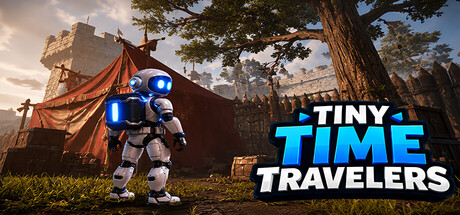 Tiny Time Travelers In-game content artaudio | As a solo dev, I created or commissioned/licensed the game assets. No 3D assets were AI-generated. AI was used only for some 2D artwork and audio. | Rocket Munky | - | Sep 3, 2026 | |
 Tohunga In-game content textaudioart | AI was used for translating and voicing the dialogues.
Some images in the game and achievement icons were created using AI. | BEZ WAS | - | Sep 3, 2026 | |
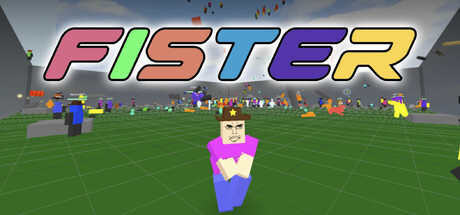 Fister In-game content codeart | "This game's code, including the level and cosmetics editors, are all AI-generated.
The maps and music are not AI-generated.
Some cosmetics may be AI-generated, but most are not." | Bootloop Studio | - | Sep 2, 2026 | |
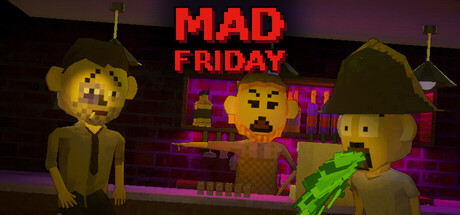 Mad Friday In-game content audio | Mad Friday is made by one person. The art, animation, design and code are all mine, made by hand. A few background music tracks are licensed royalty-free assets produced with a generative music model. All audio is pre-generated and shipped with the build; nothing is generated at runtime. | uglyhydraduck | - | Sep 2, 2026 | |
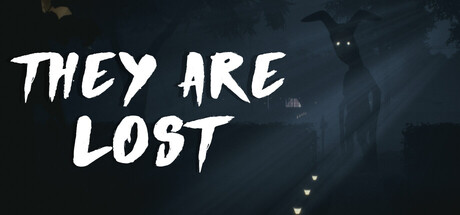 They Are Lost Store/marketing text | Generative AI tools were used during development for ideation and drafting/editing some marketing or descriptive text. All final content is reviewed and edited by the development team. The game does not use live-generated AI content during gameplay. | Cine-mo | - | Sep 2, 2026 | |
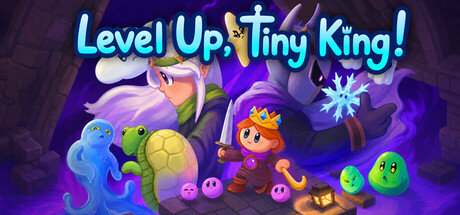 Level Up, Tiny King! In-game content art | Some 2D visual assets were created with assistance from generative AI, then manually edited and polished by the developer. No AI-generated content is created during gameplay. | Warband & Magic | - | Sep 2, 2026 | |
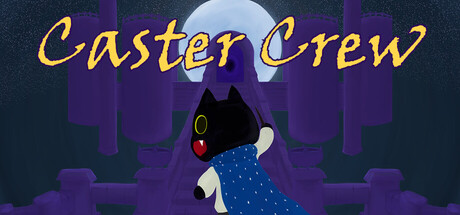 Project N In-game content artcode | Generative AI tools were used during development to assist with prototyping and writing portions of the game's code and Blueprint logic. AI-generated images were also used as source material for some Niagara visual effects. All AI-assisted content was reviewed, modified, and integrated by the development team. | Meeiron Studio | - | Sep 2, 2026 | |
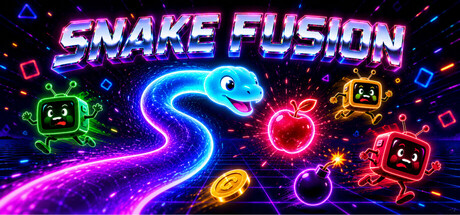 Snake Fusion In-game content art | Generative AI was used only to create the images used for in-game upgrades. All other game assets and content were created without generative AI. | AndKGames | - | Sep 2, 2026 | |
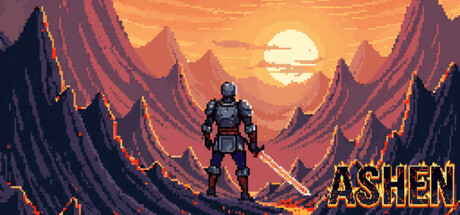 Ashen In-game content art | Some of the game's visual assets (tilesets, textures, sprites) were created with the assistance of AI image generation tools (PixelLab), then manually edited and integrated by the developer. No AI is used to generate content at runtime or during gameplay. | Bando Corp | - | Sep 2, 2026 | |
 Audiospeed In-game content audio | We use AI to generate the voices of Robonavigator and Narrator. | IV Productions | - | Sep 2, 2026 | |
 PARRYGON In-game content audioart | AI for music and sound effects and store art. All AI content is pre-generated and shipped in the build. Nothing is generated live. | OverLKD Studio | - | Sep 1, 2026 | |
 Horta Maluca In-game content artcode | Generative AI tools were used during development to assist with programming and to create some pre-generated visual assets, including icons, illustrations, and sprite artwork. All AI-assisted content was reviewed, edited, selected, and integrated by the developer. The game does not generate AI content during gameplay. | BKP STUDIO | - | Sep 1, 2026 | |
 Iron Remnant In-game content art | Generative AI was used to assist in creating select background artwork and visual assets for the game. All assets were manually edited and refined before being integrated. | Kal Studios | - | Sep 1, 2026 | |
 Chalk Door Store/marketing art | Generative AI was used to assist in creating marketing capsule art and background concepts. | ChalkdoorDEV | - | Sep 1, 2026 | |
 Forty Depths Beneath Knossos: The Minotaur's Maze Dev only | This game has no AI ready to jump out and harm you. Research from LLMs and "AI" was used in some production of the game. It is just a safe, harmless game for you to enjoy. We hope you will like it as much as we do. | Troll Hunter Gaming | - | Sep 1, 2026 | |
 Fallen Nights In-game content art | Some of the artwork in Fallen Nights was made with generative AI. The character and object sprites began as AI-generated images and were then reduced to the game's fixed pixel palette and corrected by hand; the store and library capsule art is AI-generated painted artwork, with the game's own hand-drawn pixel wordmark composited on top.
All of it is made during development and baked into the build. The game generates nothing while you play and makes no AI calls at runtime. The levels are hand-drawn, the music is synthesized by hand-written code, and every word of text in the game is written by a person. | Patrick God | - | Sep 1, 2026 | |
 SplitOut Unclear code | Vibe-coding | 1337Interactive | - | Sep 1, 2026 | |
 Burrows of Cairntir In-game content artaudio | Generative AI tools were used during development to create the artwork and audio used throughout the game. The generated assets were reviewed, selected, edited as needed, and incorporated into the final game by the developer. | Cairntir Games | - | Sep 1, 2026 | |
 Arcane Dash - A Pixel Adventure In-game content audioarttext | Arcane Dash was created by a solo developer. Music, cutscene artwork, and translations were created with AI assistance. All levels, character sprites, and sound effects were hand-designed/coded by the developer, and all marketing materials were created and edited by the developer. | Java Sorcery | - | Sep 1, 2026 | |
 John Whisk Dev only code | AI was used to help program the game. All art, assets, and game design decisions did not use any AI. | Magirush | - | Sep 1, 2026 | |
 Debuilders Store/marketing artcode | Generative AI tools were used during development to assist with creating select pre-generated 3D base models, 2D promotional/marketing art, and drafting portions of the source code
All animations (sourced and configured via Mixamo), level design, environmental layouts, physics tuning, core game logic, and overall gameplay systems were manually designed, built, and integrated by the development team
The game does not generate any live AI content at runtime
All AI-assisted assets and code have been manually reviewed, curated, and tested to ensure stability, quality, and full compliance with copyright and intellectual property standards | Foyzoed Studio | - | Sep 1, 2026 | |
 Bug Bus In-game content artaudio | Some of the sound effects, visuals, and models in this game were created with the help of artificial intelligence. | Ert Gaming Studio | - | Sep 1, 2026 | |
 Artia and the Tower of Trolls In-game content artaudiocode | Generative AI tools were used during development to create and refine the game’s visual artwork, music, and programming code. All generated material was reviewed, curated, edited, and integrated by the developer. The game does not generate AI content during gameplay, and no player input or data is sent to generative AI services. | Alon Boroda | - | Sep 1, 2026 | |
 Empires of Black Powder Dev only | As a solo developer, I utilize AI to amplify my outputs. Although I never rely on or depend on the AI to do the work, it is a tool much like this computer that I am typing on, the creativity is still up to us to use it correctly. No content is generated during play. | ArchAngel Cinema | - | Sep 1, 2026 | |
 Aer Isles In-game content art | Generative AI was used to create certain promotional artwork for the Steam store page, including capsule images and the community icon. These assets were reviewed and edited by the developer. The game itself does not contain AI-generated artwork, audio, narrative, localization, or live-generated AI content. | Jonathan Dev | - | Sep 1, 2026 | |
 Boss Toss In-game content artaudiotextcode | Generative artificial intelligence (AI) was used to create some audio and visual assets, portions of the game code, Steam store page copy, and localized content. No AI-generated content is created in real time during gameplay. | Storm of madness | - | Sep 1, 2026 | |
 Fryday Dev only audioart | FryDay does not use generative AI in real time. It's only used as an assisstant during production, marketing, sound, and music. | End Games | - | Sep 1, 2026 | |
 ESCAPE SHOW In-game content artcode | The game's art, code and marketing assets (store images and in-game graphics) were created during development with the assistance of generative AI tools. All AI-assisted content is pre-rendered and was reviewed by the developer before shipping. The game does not generate any content with AI at runtime. | Sheep Arcade | - | Sep 1, 2026 | |
 Beat-Sensei In-game content artaudio | Generative AI was used to help create some of the store page marketing images and some of the game's music tracks, which are used as in-game content (the songs players perform to during gameplay). No generative AI is used to generate images or text within the game itself all in-game visuals and text are handcrafted. | NoName-Epic | - | Sep 1, 2026 | |
 Who Is Wrong In-game content artaudiocode | This game uses generative AI tools in parts of its development process.
Code: Some of the game's code was written with AI assistance. All generated code has been reviewed, tested, and integrated by the developer.
Audio: Some sound effects and voice lines may be generated or processed using AI tools.
Visual assets: The game primarily uses licensed asset packs and hand-authored materials. Where AI tools were used, it was for texture variation and iteration on existing licensed assets.
No AI-generated content is created live during gameplay. All content is fixed and reviewed before release. | Enginar Games | - | Sep 1, 2026 | |
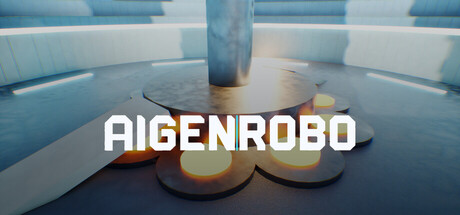 AIGENROBO In-game content art | Some of this game's 2D graphics — including UI icons, part icons and mission cards — were created ahead of time with the help of AI image generation tools. Every generated asset was reviewed, selected and adjusted by the developer before being included.
No content is generated by AI while the game is running. The 3D models, stages, effects and all game logic were produced by scripts and by hand, not by AI. | RAIDENWORKS | - | Sep 1, 2026 | |
 Decadrive In-game content art | Some visual assets (sprites and promotional art) were created with generative AI tools and then edited. The game does not generate AI content at runtime. | MARVIN BRAGA SISTEMAS LTDA | - | Sep 1, 2026 | |
 Out of Range Dev only code | AI used for programmation | Yoho Games | - | Sep 1, 2026 | |
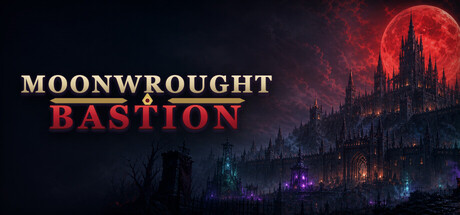 Moonwrought Bastion In-game content artaudiotext | Generative AI was used during development to create or refine pre-generated visual assets, music and audio, and localization drafts included in the game and its marketing materials. All such content was reviewed and curated by the developer before release. The game does not generate AI content during play and does not send player data to external AI services. | Moonwrought Games | - | Sep 1, 2026 | |
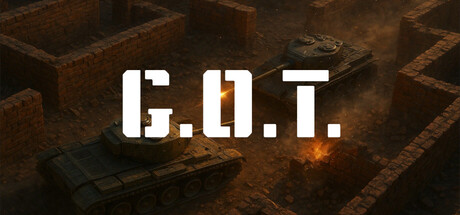 G.O.T. In-game content art | some images and sprites was generated with A.I. | Nexforge | - | Sep 1, 2026 | |
 Not Again In-game content art | I used AI to generate some minor 2D pixel art assets like a cage and some props. | Vireo Studio | - | Sep 1, 2026 | |
 Tether Space Program In-game content audio | The soundtrack was created with AI audio tools. Everything else is hand-made. | Nelson Neto | - | Sep 1, 2026 |


