Public Steam disclosure research25,497 disclosures tracked
Where do games disclose AI use?
Search developers’ Steam disclosures, compare classified AI use across
games, and follow recorded changes.
This index adds cross-game classifications and statistics to
statements published on individual store pages.
Groups reflect automatic analysis of public disclosures; mature records are excluded. These counts do not measure AI use across all of Steam.
Missing or unclear statements cannot establish whether a game uses AI.
Generative AI was used to assist with multilingual localization of menus, help text, store page text, and UI text.
All source text was written by the developer, and the final text was implemented by the developer.
No live-generated AI content is used during gameplay.
Some pre-generated visual and audio assets were created or assisted with generative AI tools and then selected, edited, integrated, and reviewed by the developer. The game does not use live generative AI to create content during gameplay.
This game may include pre-generated content created or assisted by generative artificial intelligence tools during development, mainly for support with visual materials, promotional text, localization/translation, and marketing assets.
All content included in the game and on the store page has been manually reviewed, edited, and approved by the development team before publication. The game does not use generative artificial intelligence in real time during gameplay, so no new AI-generated content is created while the user is playing.
The game does not use generative artificial intelligence in real time. No images, text, sounds, dialogue, missions, or any other content are generated by AI while the game is running.
Generative AI was used as a production tool to help create and refine some static visual assets, including illustrations, backgrounds, CG images, promotional artwork, and Steam library images. It was also used to assist with translation drafts. All final assets and text were reviewed and edited manually before being included in the game.
Generative AI tools were used to assist with translation/localization and parts of the in-game artwork production.
No generative AI tools are used for sound effects, music, story content, or live-generated gameplay content.
Some of this game's store-page and marketing art (capsule and key art) was created with generative AI image tools, then reviewed and edited by the developer. The game itself contains no generative-AI content: all in-game art and text are hand-authored, and the audio is procedurally synthesized rather than AI-generated. No AI content is generated during gameplay.
AI-assisted tools were used during development to help create certain cinematic images, visual effects, music, and localization content. Some cinematic sequences incorporate AI-generated imagery or AI-assisted animation techniques.
The majority of the game’s artwork, environments, gameplay content, puzzle design, story content, and overall development were created by hand by the development team. Some music was also created by human collaborators.
Disclosure of Generative AI:
This game incorporates content generated by artificial intelligence. Specifically, we used AI tools to create certain background images, marketing assets, and to assist with localization. Please note that all AI-generated content undergoes human review, modification, and optimization before being included in the game or on this store page.
This game contains content created with the assistance of generative AI during development.
Generative AI tools were used to help create and iterate on parts of the game code, music, artwork, images, and multilingual translations. All AI-assisted content was reviewed, edited, selected, and integrated by the developer.
The game does not use generative AI to create content during gameplay.
Some game assets were created with the help of AI tools during development. No AI runs during gameplay and no player data is sent to external services.
Fatal Nights uses generative artificial intelligence as a development aid for certain pre-production and promotional materials. AI-assisted content may include concept artwork, visual brainstorming, marketing assets, and written drafts. All gameplay systems, story, level design, implementation, and final creative decisions are developed and curated by the developer.
Localisation: The game's interface text was localised into 11 languages (French, Spanish (Latin America), Italian, German, Portuguese (Brazil), Russian, Simplified Chinese, Korean, Japanese, Polish, Turkish) with the assistance of AI tools. All original English source text was written by the developer.
Voice-over: Some in-game voice-over was created using AI voice generation, used alongside recordings from real voice artists.
Music: Two background music tracks heard on in-game radios were generated with AI tools, then filtered and edited by the developer in FL Studio.
Store art: The capsule artwork combines a hand-made logo created by a commissioned artist with an AI-generated background.
The game does not use any live-generated AI content. All assets, text, audio, and gameplay loops are static and pre-packaged, running entirely local and offline without any dynamic runtime generation.
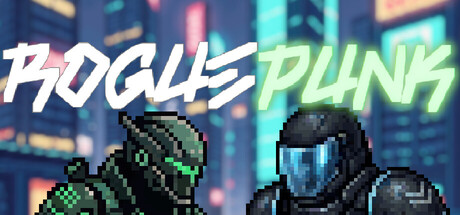
RoguePunk is an independent project, and its visual and audio content including pixel-art characters, enemies, environments, music, and sound effects was created with the help of generative AI tools, then selected, arranged, edited, and integrated by hand to fit the game's world and feel.
I see these tools the way earlier developers saw new engines, samplers, and digital art software: as a way for solo developers to bring an ambitious, fully-realized world to players who might otherwise never get to see it.
Some visual assets and concept artwork used in the game were created or assisted by generative AI tools and further modified by the developer. All gameplay systems, story content, level design, and interactive features were created by the developer.
This game used generative AI tools as an aid in creating some of its visual assets, such as background illustrations and character/environment pixel art. All AI-generated output was reviewed, refined, and edited by the developer before being included in the game. No content is generated by AI in real time during gameplay.
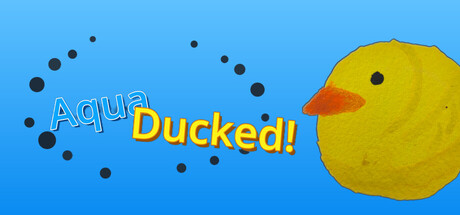
Some of the content in AquaDucked! was created with the help of generative AI tools:
- Some background music was created using AI music-generation tools.
- The blurred background images behind each theme were created or refined with AI tools.
- Portions of the store page and marketing text were drafted with AI assistance.
The core game art — the ducks, tools, and objects you play with — is either original, hand-painted watercolor, or photo-generated, not AI-generated.
All AI-generated content is pre-generated during development. AquaDucked! does not generate any content live during gameplay and does not connect to any external AI services while you play. We've made commercially reasonable efforts to ensure this content is appropriate and does not infringe on the rights of others.
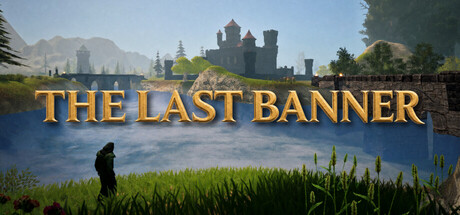
Built by a two-person studio, The Last Banner deploys AI tools as supplements only. All art and code are curated, hand crafted and built by us. We strive to create the best game possible with the best tools of the modern day.
This work incorporates the use of generative artificial intelligence (AI) in the following areas: Parts of the artwork, parts of the sound, and localization.
Generative AI tools were used in the creation of some visual and textual content used in marketing materials and certain in-game assets. All core gameplay design and systems were developed independently.
I used generative AI tools (specifically Fooocus) to help paint and generate my static 2D game backgrounds and concept/icon art. I also utilized AI-collaboration platforms to assist with audio synthesis composition and programming codebase layouts. All generated assets were fully curated, conceptualized, and processed under my own direct creative control and creative direction before building.
This game was made with the help of generative AI tools. During development, AI was used to help create some of the content that ships with the game — including its writing and dialogue, its English and Turkish text, and its 2D art and UI (such as icons, product sprites, achievement badges, and store images). All of this content was directed, reviewed, and curated by the developer. The game does not generate any AI content while you play, and does not connect to any AI service during gameplay.
This product uses generative AI only for a limited amount of pre-generated visual assets. These include certain user interface artwork used in the game menus, as well as some promotional/store page visual assets such as header images and the game logo.
Generative AI is not used to generate gameplay, characters, levels, story content, player-facing text, or any real-time content during gameplay. All AI-assisted assets are manually reviewed, edited where necessary, and selected by the developer before being included in the product or its store page.
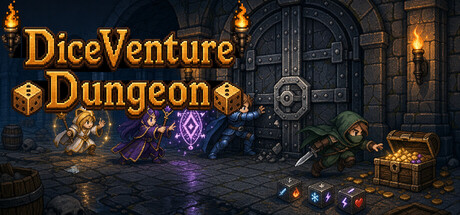
Some visual assets in this game were created with the assistance of generative AI tools, including UI icons, skill and relic icons, character portraits and sprites, combat VFX, dungeon tile art, and menu and interface decoration. All generated images were reviewed, edited, and integrated by the development team.
I use generative AI exclusively as a temporary tool for rapid prototyping and placeholder content during early solo development. All AI-generated elements in Vigilum are planned to be fully replaced with custom, human-made assets for the final v1.0 release.
-> 3D Models: I used generative AI tools to create two 3D assets (the Vylem gem and the Blood Sigil element). These are temporary placeholders, and I am currently prioritizing remaking them myself during the Early Access phase.
-> 2D Assets: A few UI icons and images were generated with AI. I intend to commission a professional artist to completely replace these 2D elements as soon as funding allows.
During development, I may use procedural- and AI-assisted tools to support content creation, iteration, and production workflows. In all such cases, the final product reflects my own creative direction, selection, editing, and implementation as the developer.
7743 includes a small handful of AI generated art. This includes, and is limited to only textures. The degree of AI generated textures within 7743 is likely less than 5%
Generative AI was used to assist with multilingual localization of menus, help text, store page text, and UI text.
All source text was written by the developer, and the final text was implemented by the developer.
No live-generated AI content is used during gameplay.
Some pre-generated visual and audio assets were created or assisted with generative AI tools and then selected, edited, integrated, and reviewed by the developer. The game does not use live generative AI to create content during gameplay.
This game may include pre-generated content created or assisted by generative artificial intelligence tools during development, mainly for support with visual materials, promotional text, localization/translation, and marketing assets.
All content included in the game and on the store page has been manually reviewed, edited, and approved by the development team before publication. The game does not use generative artificial intelligence in real time during gameplay, so no new AI-generated content is created while the user is playing.
The game does not use generative artificial intelligence in real time. No images, text, sounds, dialogue, missions, or any other content are generated by AI while the game is running.
Generative AI was used as a production tool to help create and refine some static visual assets, including illustrations, backgrounds, CG images, promotional artwork, and Steam library images. It was also used to assist with translation drafts. All final assets and text were reviewed and edited manually before being included in the game.
Generative AI tools were used to assist with translation/localization and parts of the in-game artwork production.
No generative AI tools are used for sound effects, music, story content, or live-generated gameplay content.
Some of this game's store-page and marketing art (capsule and key art) was created with generative AI image tools, then reviewed and edited by the developer. The game itself contains no generative-AI content: all in-game art and text are hand-authored, and the audio is procedurally synthesized rather than AI-generated. No AI content is generated during gameplay.
AI-assisted tools were used during development to help create certain cinematic images, visual effects, music, and localization content. Some cinematic sequences incorporate AI-generated imagery or AI-assisted animation techniques.
The majority of the game’s artwork, environments, gameplay content, puzzle design, story content, and overall development were created by hand by the development team. Some music was also created by human collaborators.
Disclosure of Generative AI:
This game incorporates content generated by artificial intelligence. Specifically, we used AI tools to create certain background images, marketing assets, and to assist with localization. Please note that all AI-generated content undergoes human review, modification, and optimization before being included in the game or on this store page.
This game contains content created with the assistance of generative AI during development.
Generative AI tools were used to help create and iterate on parts of the game code, music, artwork, images, and multilingual translations. All AI-assisted content was reviewed, edited, selected, and integrated by the developer.
The game does not use generative AI to create content during gameplay.
Some game assets were created with the help of AI tools during development. No AI runs during gameplay and no player data is sent to external services.
Fatal Nights uses generative artificial intelligence as a development aid for certain pre-production and promotional materials. AI-assisted content may include concept artwork, visual brainstorming, marketing assets, and written drafts. All gameplay systems, story, level design, implementation, and final creative decisions are developed and curated by the developer.
Localisation: The game's interface text was localised into 11 languages (French, Spanish (Latin America), Italian, German, Portuguese (Brazil), Russian, Simplified Chinese, Korean, Japanese, Polish, Turkish) with the assistance of AI tools. All original English source text was written by the developer.
Voice-over: Some in-game voice-over was created using AI voice generation, used alongside recordings from real voice artists.
Music: Two background music tracks heard on in-game radios were generated with AI tools, then filtered and edited by the developer in FL Studio.
Store art: The capsule artwork combines a hand-made logo created by a commissioned artist with an AI-generated background.
The game does not use any live-generated AI content. All assets, text, audio, and gameplay loops are static and pre-packaged, running entirely local and offline without any dynamic runtime generation.
RoguePunk is an independent project, and its visual and audio content including pixel-art characters, enemies, environments, music, and sound effects was created with the help of generative AI tools, then selected, arranged, edited, and integrated by hand to fit the game's world and feel.
I see these tools the way earlier developers saw new engines, samplers, and digital art software: as a way for solo developers to bring an ambitious, fully-realized world to players who might otherwise never get to see it.
Some visual assets and concept artwork used in the game were created or assisted by generative AI tools and further modified by the developer. All gameplay systems, story content, level design, and interactive features were created by the developer.
This game used generative AI tools as an aid in creating some of its visual assets, such as background illustrations and character/environment pixel art. All AI-generated output was reviewed, refined, and edited by the developer before being included in the game. No content is generated by AI in real time during gameplay.
Some of the content in AquaDucked! was created with the help of generative AI tools:
- Some background music was created using AI music-generation tools.
- The blurred background images behind each theme were created or refined with AI tools.
- Portions of the store page and marketing text were drafted with AI assistance.
The core game art — the ducks, tools, and objects you play with — is either original, hand-painted watercolor, or photo-generated, not AI-generated.
All AI-generated content is pre-generated during development. AquaDucked! does not generate any content live during gameplay and does not connect to any external AI services while you play. We've made commercially reasonable efforts to ensure this content is appropriate and does not infringe on the rights of others.
Built by a two-person studio, The Last Banner deploys AI tools as supplements only. All art and code are curated, hand crafted and built by us. We strive to create the best game possible with the best tools of the modern day.
This work incorporates the use of generative artificial intelligence (AI) in the following areas: Parts of the artwork, parts of the sound, and localization.
Generative AI tools were used in the creation of some visual and textual content used in marketing materials and certain in-game assets. All core gameplay design and systems were developed independently.
I used generative AI tools (specifically Fooocus) to help paint and generate my static 2D game backgrounds and concept/icon art. I also utilized AI-collaboration platforms to assist with audio synthesis composition and programming codebase layouts. All generated assets were fully curated, conceptualized, and processed under my own direct creative control and creative direction before building.
This game was made with the help of generative AI tools. During development, AI was used to help create some of the content that ships with the game — including its writing and dialogue, its English and Turkish text, and its 2D art and UI (such as icons, product sprites, achievement badges, and store images). All of this content was directed, reviewed, and curated by the developer. The game does not generate any AI content while you play, and does not connect to any AI service during gameplay.
This product uses generative AI only for a limited amount of pre-generated visual assets. These include certain user interface artwork used in the game menus, as well as some promotional/store page visual assets such as header images and the game logo.
Generative AI is not used to generate gameplay, characters, levels, story content, player-facing text, or any real-time content during gameplay. All AI-assisted assets are manually reviewed, edited where necessary, and selected by the developer before being included in the product or its store page.
Some visual assets in this game were created with the assistance of generative AI tools, including UI icons, skill and relic icons, character portraits and sprites, combat VFX, dungeon tile art, and menu and interface decoration. All generated images were reviewed, edited, and integrated by the development team.
I use generative AI exclusively as a temporary tool for rapid prototyping and placeholder content during early solo development. All AI-generated elements in Vigilum are planned to be fully replaced with custom, human-made assets for the final v1.0 release.
-> 3D Models: I used generative AI tools to create two 3D assets (the Vylem gem and the Blood Sigil element). These are temporary placeholders, and I am currently prioritizing remaking them myself during the Early Access phase.
-> 2D Assets: A few UI icons and images were generated with AI. I intend to commission a professional artist to completely replace these 2D elements as soon as funding allows.
During development, I may use procedural- and AI-assisted tools to support content creation, iteration, and production workflows. In all such cases, the final product reflects my own creative direction, selection, editing, and implementation as the developer.
7743 includes a small handful of AI generated art. This includes, and is limited to only textures. The degree of AI generated textures within 7743 is likely less than 5%