Public Steam disclosure research25,497 disclosures tracked
Where do games disclose AI use?
Search developers’ Steam disclosures, compare classified AI use across
games, and follow recorded changes.
This index adds cross-game classifications and statistics to
statements published on individual store pages.
Groups reflect automatic analysis of public disclosures; mature records are excluded. These counts do not measure AI use across all of Steam.
Missing or unclear statements cannot establish whether a game uses AI.
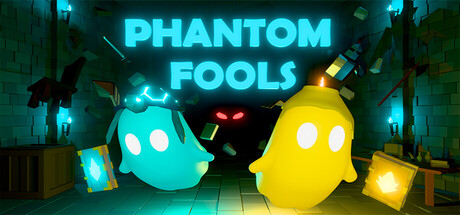
Generative AI was used during the development of Phantom Fools as a helper tool. It was used for some images, sound effects, music, and small parts of code. The 3D models, animations, most of the code, and the main game design were made by the developers without generative AI. Everything made with AI was checked, edited, and added to the game manually.
The game does not use generative AI during gameplay. No live AI-generated content is shown to players.
Current store artwork, in-game loading screen images, and background music were created with assistance from generative AI tools. These assets were manually reviewed and edited by the development team.
Some assets included in this game were created with generative AI including some sound effects, background music, character sprites, background sprites, and the intro trailer that plays when launching the game.
Some images in the game are AI-assisted assets that have been carefully edited and refined by me. The artwork is a blend of self-designed visuals and AI-generated elements, with adjustments made to harmonize color patterns.
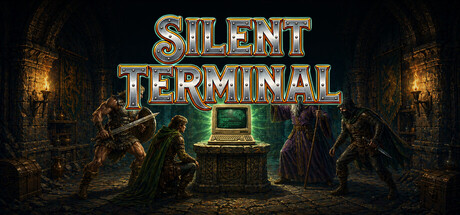
SILENT TERMINAL uses generative AI as a creative aid during development. Specifically, the promotional images on this store page (the capsule, header, key art and illustrations) were created with AI tools and then reviewed, edited and curated by our human team.
The game itself is built from human created and human supervised content: the ASCII art, maps, branching stories, dialogue and RPG systems are designed by the team. SILENT TERMINAL does not generate content with AI in real time during play. All adventures are loaded from pre authored files.
Some art assets are generative and some are not. Many assets were purchased and then updated with generative AI in order to look different from the original purchased assets. We would love to change these out for custom art if the game does well.
This game uses generative AI tools during development to assist with the creation of certain art assets and some repetitive development tasks. All content is manually designed, reviewed, selected, and integrated by the developer.
Generative AI tools were used exclusively to create the main menu background illustration and the visual assets/textures for the enemy characters. No other parts of the game utilize artificial intelligence, and all other assets were created or acquired manually by the developers. The game does not contain any live-generated or real-time AI content.
Some 2D art assets in this game such as certain UI elements, background and map imagery, and loading screens were created with the help of generative AI tools.
Generative AI was used to create the original images for the relics, the talismans, and zodiacs. We also used generative AI when writing the game's code.
Built solo with Cursor AI, Realmlords is a one-developer passion project: an action roguelite forged through rapid iteration, creative experimentation, and nonstop refinement from a single creator’s vision. Over 2 years in the making.
I created this game in my coding class for school which prioritizes AI coding and development. I have coded a significant portion of this game using artificial tools.
Artificial Intelligence was used to generate concept art and placeholder music during the development phase. These assets are currently used as temporary measures until the project secures enough funding to commission professional human artists.
This game includes pre-generated content made with the assistance of generative AI tools, including some visual assets, audio/sound effects, text, localization, and other production materials. AI tools were also used during development to support programming and production workflows. All AI-assisted content included in the game has been manually reviewed and refined by the development team. The game does not generate AI content during gameplay.
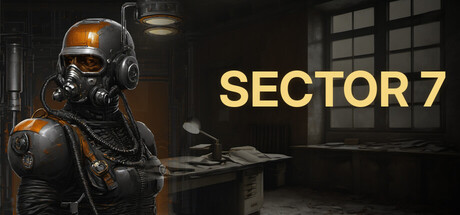
Some of Sector 7's artwork — including its store and marketing images — and its narrative text were created with AI assistance and then reviewed and edited by the developer. Localization into additional languages used AI translation with human review.
This game used generative AI tools during development to assist with the creation and iteration of some visual assets, text and code. All AI-assisted content was reviewed, edited and manually implemented by the developer. The game does not generate AI content during gameplay.
This title makes assistive use of generative AI tools in the following areas. All AI-generated outputs are manually reviewed, edited, and curated by the development team before being incorporated as final assets, and we have taken care to ensure that they do not infringe on the rights of third parties. No real-time AI generation occurs during gameplay.[Pre-Rendered Content — AI-Assisted Areas]- Production support for a portion of the in-game visual assets- Production support for a portion of the in-game music (BGM) and sound effects- Translation support for store page localization across supported languages (with human proofreading)[Live Generation]The game does not invoke generative AI in real time at any point during gameplay.
The visual assets, audio, music, in-game text, and store page content of this game were created with the help of generative AI tools. All AI-generated content was reviewed, selected, and assembled by the developer. The game's design, code, and systems were created by the developer.
Generative AI tools were used during development for ideation, development assistance, and promotional exploration. All final gameplay systems, game logic, and in-game content were created and reviewed by the developer.
Game design, code, mechanics, gameplay systems, sprites, and writing are entirely human-made. All AI-generated assets were reviewed, edited, composed, and integrated manually by the developer. No AI content is generated at runtime — every asset is pre-authored and curated.
Generative AI was used in the creation of:
Marketing and store page artwork (capsules, banners, hero, logo)
In-game background art, sprites directions
Music tracks
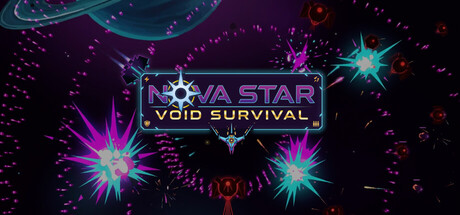
Some promotional artwork and store graphic backgrounds may include AI-assisted elements. The core gameplay, UI, ships, enemies, mechanics, systems and visual identity are created and edited by the developer using original game assets.
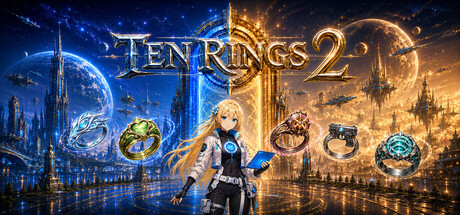
Ten Rings 2 uses generative AI during development to assist with some 2D visual asset production, concept iteration, and writing drafts. Final in-game content is selected, edited, integrated, and reviewed by the developer. Generative AI is not used to create live or personalized content during gameplay.
During the development of Super Monsterdoom, generative AI tools were used to support text creation, visual exploration, and mechanical iteration. As a solo developer, these tools were key to accelerating and expanding the process, but every final asset, text, and design decision went through extensive human editing, refinement, and hands-on work.
We begin by defining detailed character backgrounds, which are then transformed into base concept art using generative AI. Subsequently, we perform local editing, detailed repainting, and textural refinement on these images to ensure every asset meets our specific design requirements.
Generative AI tools were used during development to assist with pre-generated content such as code iteration, localization assistance, and edited achievement icon variants. The game does not generate AI content at runtime. All content included in the product and Steam materials is reviewed and selected by the developer before release.
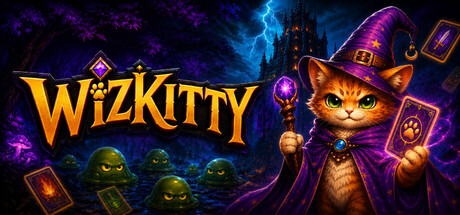
WizKitty uses generative AI-assisted artwork for some visual assets. These assets were creatively directed, curated, edited, and integrated by the developer to fit the game’s visual style. WizKitty does not use live generative AI during gameplay.
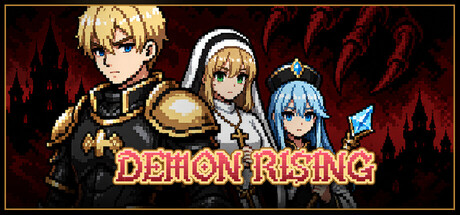
Demon Rising uses generative AI for part of its content:
Live-generated narrative — The game includes a local AI language model that runs fully offline on your PC; no internet connection is required and no data is sent anywhere. During play it generates dynamic dialogue for your demon officers, war-council debates, prisoner interrogations and boss encounters, keeping conversations varied across runs. All generated text is constrained by the game's prompts to in-game characters and situations and is bounded by built-in safeguards. If the AI model is unavailable, the game automatically falls back to hand-written dialogue, so the full game is playable either way.
Pre-generated artwork — Some character portraits and illustrations were created with the help of AI image-generation tools, then selected and edited by the developer.
All AI-assisted content is curated and reviewed by the developer.
I'm a solo developer using Generative AI as a supportive tool to realize my gameplay vision. The game has been crafted with human intent and is still firmly anchored in manual craftsmanship. Generative AI has helped with coding, some art assets, and the recording of voiceover narration.
This game utilizes pre-generated AI content across multiple disciplines, including visual assets, code optimization, and audio design. These tools were used strictly to assist a solo developer in the production process. All AI-assisted assets have been thoroughly vetted to ensure they adhere to copyright and intellectual property standards, and no live-generation tools are present in the build.
We used ai to assist us on music and art because we are poor and not capable of this yet. We will strive to remove or reduce ai to a minimum once we are financially capable.
Generative AI was used during the development of Phantom Fools as a helper tool. It was used for some images, sound effects, music, and small parts of code. The 3D models, animations, most of the code, and the main game design were made by the developers without generative AI. Everything made with AI was checked, edited, and added to the game manually.
The game does not use generative AI during gameplay. No live AI-generated content is shown to players.
Current store artwork, in-game loading screen images, and background music were created with assistance from generative AI tools. These assets were manually reviewed and edited by the development team.
Some assets included in this game were created with generative AI including some sound effects, background music, character sprites, background sprites, and the intro trailer that plays when launching the game.
Some images in the game are AI-assisted assets that have been carefully edited and refined by me. The artwork is a blend of self-designed visuals and AI-generated elements, with adjustments made to harmonize color patterns.
SILENT TERMINAL uses generative AI as a creative aid during development. Specifically, the promotional images on this store page (the capsule, header, key art and illustrations) were created with AI tools and then reviewed, edited and curated by our human team.
The game itself is built from human created and human supervised content: the ASCII art, maps, branching stories, dialogue and RPG systems are designed by the team. SILENT TERMINAL does not generate content with AI in real time during play. All adventures are loaded from pre authored files.
Some art assets are generative and some are not. Many assets were purchased and then updated with generative AI in order to look different from the original purchased assets. We would love to change these out for custom art if the game does well.
This game uses generative AI tools during development to assist with the creation of certain art assets and some repetitive development tasks. All content is manually designed, reviewed, selected, and integrated by the developer.
Generative AI tools were used exclusively to create the main menu background illustration and the visual assets/textures for the enemy characters. No other parts of the game utilize artificial intelligence, and all other assets were created or acquired manually by the developers. The game does not contain any live-generated or real-time AI content.
Some 2D art assets in this game such as certain UI elements, background and map imagery, and loading screens were created with the help of generative AI tools.
Generative AI was used to create the original images for the relics, the talismans, and zodiacs. We also used generative AI when writing the game's code.
Built solo with Cursor AI, Realmlords is a one-developer passion project: an action roguelite forged through rapid iteration, creative experimentation, and nonstop refinement from a single creator’s vision. Over 2 years in the making.
I created this game in my coding class for school which prioritizes AI coding and development. I have coded a significant portion of this game using artificial tools.
Artificial Intelligence was used to generate concept art and placeholder music during the development phase. These assets are currently used as temporary measures until the project secures enough funding to commission professional human artists.
This game includes pre-generated content made with the assistance of generative AI tools, including some visual assets, audio/sound effects, text, localization, and other production materials. AI tools were also used during development to support programming and production workflows. All AI-assisted content included in the game has been manually reviewed and refined by the development team. The game does not generate AI content during gameplay.
Some of Sector 7's artwork — including its store and marketing images — and its narrative text were created with AI assistance and then reviewed and edited by the developer. Localization into additional languages used AI translation with human review.
This game used generative AI tools during development to assist with the creation and iteration of some visual assets, text and code. All AI-assisted content was reviewed, edited and manually implemented by the developer. The game does not generate AI content during gameplay.
This title makes assistive use of generative AI tools in the following areas. All AI-generated outputs are manually reviewed, edited, and curated by the development team before being incorporated as final assets, and we have taken care to ensure that they do not infringe on the rights of third parties. No real-time AI generation occurs during gameplay.[Pre-Rendered Content — AI-Assisted Areas]- Production support for a portion of the in-game visual assets- Production support for a portion of the in-game music (BGM) and sound effects- Translation support for store page localization across supported languages (with human proofreading)[Live Generation]The game does not invoke generative AI in real time at any point during gameplay.
The visual assets, audio, music, in-game text, and store page content of this game were created with the help of generative AI tools. All AI-generated content was reviewed, selected, and assembled by the developer. The game's design, code, and systems were created by the developer.
Generative AI tools were used during development for ideation, development assistance, and promotional exploration. All final gameplay systems, game logic, and in-game content were created and reviewed by the developer.
Game design, code, mechanics, gameplay systems, sprites, and writing are entirely human-made. All AI-generated assets were reviewed, edited, composed, and integrated manually by the developer. No AI content is generated at runtime — every asset is pre-authored and curated.
Generative AI was used in the creation of:
Marketing and store page artwork (capsules, banners, hero, logo)
In-game background art, sprites directions
Music tracks
Some promotional artwork and store graphic backgrounds may include AI-assisted elements. The core gameplay, UI, ships, enemies, mechanics, systems and visual identity are created and edited by the developer using original game assets.
Ten Rings 2 uses generative AI during development to assist with some 2D visual asset production, concept iteration, and writing drafts. Final in-game content is selected, edited, integrated, and reviewed by the developer. Generative AI is not used to create live or personalized content during gameplay.
During the development of Super Monsterdoom, generative AI tools were used to support text creation, visual exploration, and mechanical iteration. As a solo developer, these tools were key to accelerating and expanding the process, but every final asset, text, and design decision went through extensive human editing, refinement, and hands-on work.
We begin by defining detailed character backgrounds, which are then transformed into base concept art using generative AI. Subsequently, we perform local editing, detailed repainting, and textural refinement on these images to ensure every asset meets our specific design requirements.
Generative AI tools were used during development to assist with pre-generated content such as code iteration, localization assistance, and edited achievement icon variants. The game does not generate AI content at runtime. All content included in the product and Steam materials is reviewed and selected by the developer before release.
WizKitty uses generative AI-assisted artwork for some visual assets. These assets were creatively directed, curated, edited, and integrated by the developer to fit the game’s visual style. WizKitty does not use live generative AI during gameplay.
Demon Rising uses generative AI for part of its content:
Live-generated narrative — The game includes a local AI language model that runs fully offline on your PC; no internet connection is required and no data is sent anywhere. During play it generates dynamic dialogue for your demon officers, war-council debates, prisoner interrogations and boss encounters, keeping conversations varied across runs. All generated text is constrained by the game's prompts to in-game characters and situations and is bounded by built-in safeguards. If the AI model is unavailable, the game automatically falls back to hand-written dialogue, so the full game is playable either way.
Pre-generated artwork — Some character portraits and illustrations were created with the help of AI image-generation tools, then selected and edited by the developer.
All AI-assisted content is curated and reviewed by the developer.
I'm a solo developer using Generative AI as a supportive tool to realize my gameplay vision. The game has been crafted with human intent and is still firmly anchored in manual craftsmanship. Generative AI has helped with coding, some art assets, and the recording of voiceover narration.
This game utilizes pre-generated AI content across multiple disciplines, including visual assets, code optimization, and audio design. These tools were used strictly to assist a solo developer in the production process. All AI-assisted assets have been thoroughly vetted to ensure they adhere to copyright and intellectual property standards, and no live-generation tools are present in the build.
We used ai to assist us on music and art because we are poor and not capable of this yet. We will strive to remove or reduce ai to a minimum once we are financially capable.