








Disclosure
Used in enhancing visuals, audio and increasing gameplay performance
- Creator
- Roy Massaad
- Reviews
- -
- Added
- Aug 16, 2026
Public Steam disclosure research 25,497 disclosures tracked
Search developers’ Steam disclosures, compare classified AI use across games, and follow recorded changes. This index adds cross-game classifications and statistics to statements published on individual store pages.
Code help, debugging and other development work.
Capsule art, trailers and promotional material.
Pre-made art, audio, writing and other game assets.
Interactive or runtime AI features disclosed by the developer.
Groups reflect automatic analysis of public disclosures; mature records are excluded. These counts do not measure AI use across all of Steam. Missing or unclear statements cannot establish whether a game uses AI.
Used in enhancing visuals, audio and increasing gameplay performance
AI was used to get blurbs of movies and data such as year
The Previous Owner uses generative AI as an assistive tool under human art direction and editorial control. The game's painted artwork — scene plates, room and prop textures, character and portrait art, the found photographs, the book spreads and the store art — was pre-generated with generative image tools, then curated, keyed, composited and hand-corrected by the developer; a small number of props are AI-generated 3D meshes, and some looping scene animations are AI-generated video. Music and sound effects are pre-generated with AI tools and edited by the developer. The narrative text is human–AI co-written under the author's direction and human-edited; the story, its structure and the game design are the author's. Everything ships pre-rendered in the build — the game generates nothing live during play. No real people are depicted; every character, book, photograph and document in the game is fictional.
Generative AI tools were used during development to assist with portions of the game's pre-generated 2D artwork, marketing artwork, localization drafts, and development code. All player-facing AI-assisted content was generated before release, selected, reviewed, edited where needed, tested, and integrated by the developer. The game does not generate or modify content with AI during gameplay and does not send player input to an external AI service.
Generative AI was used as an assistive tool in preparing parts of the game’s Steam store presence and marketing materials. This includes some store page artwork and promotional assets, short and long descriptions, store metadata, and localized versions of these materials. All AI-assisted content was reviewed, edited, and approved by the development team before publication. No content is generated by AI during gameplay.
Generative AI tools were used during development to assist with debugging code, audio production, and the creation of some item and UI illustrations. AI-generated or AI-assisted content was reviewed and edited by the development team before being included in the final game.
every part of the game is worked on by both AI and humans
Used to generate game logo, some in-game icons and steam store page content
Certain visual assets incorporated into the final product were subject to a multi-stage development, revision, and production process involving, at intermediate stages of asset preparation, generative AI-assisted material, together with subsequent developer-directed editing, alteration, reconstruction, and final implementation.
AI was used for translations and some of the in-game and store artwork.
We use generative AI to help identify coding errors that could otherwise take a significant amount of time to find manually. We also use it during brainstorming to generate textures that would take a long time to create by hand and may ultimately be discarded. All AI-generated feedback/content is reviewed and modified by a team member until it fits what we really want to do.
The majority of the game's programming was done by AI. For the in-game text, AI is utilized as a supplementary tool to improve grammar, but all text is ultimately checked and adjusted manually. AI is also used for translating the game into other languages. However, no AI is used whatsoever for the illustrations or UI.
Kaperfahrt uses AI generated assets in two places. Both are placeholders and are being replaced with commissioned work. The portrait illustrations on the wanted posters of the 23 Blacklist pirates were made with an AI image generator. They were bought as finished assets. The soundtrack, the ambient audio and the spoken lines of the Blacklist pirates were made with Suno under a paid commercial licence.
Some pre-rendered visual artwork, promotional material, as well as game elements were created with AI and then selected, edited, and integrated by the developer. The game does not generate AI content during gameplay and does not connect to third-party AI services during gameplay.
Some musical tracks were created with the help of AI.
Kingsfall:Chess uses pre-generated AI-generated imagery for some visual assets within the game and promotional/store materials. Other visual assets were created by artists using traditional methods. No content is generated by AI during gameplay.
Icons and imagery in this game were created with the assistance of AI tools.
The game's character artwork was created with the assistance of generative AI. Generative AI is not used to generate content during gameplay.
Generative AI tools were used during the development process exclusively to assist with programming, specifically for structuring GDScript code and debugging.
No live AI generation is used during gameplay. TinSpring Soccer's boards, characters, textures, and sounds are produced procedurally by game code. AI tools were used under developer direction for implementation, localization, and selected store page artwork.
Generative AI was used during development to assist with logos, graphical assets, and portions of the game’s code.
The background images and honeyberrys pictures are pre-rendered AI art.
Some visual assets were AI-assisted, then manually edited by our team. No AI content is generated during gameplay.
In this game AI was used to generate a few abstract textures in 4th and 5th game worlds. Game's logo was also made partially with a help of image generation tooling.
Generative AI was used in the following ways: • The title logo on our store capsule images was created with an AI image tool. Everything else in those images is real footage from the running game. • The trailer narration was written with AI assistance and voiced using ElevenLabs text-to-speech. • Some in-game text event descriptions, help and interface copy was written with AI assistance and edited by hand. The game itself is not AI-generated. The world simulation, the voxel terrain and its creatures, and all in-game art are hand-built. Sound effects and music are licensed from stock audio libraries. Nothing is generated while you play.
During development, we used generative AI tools to transform early sketches and visual concepts into functional 2D game assets and visual materials that help define Cosmic Clicker’s identity. This included selected in-game assets, Steam store capsules, library artwork, icons, and key art. The generated results were reviewed, selected, refined, and integrated to maintain consistency with the game’s established art direction.
Some of this game's assets were made with the assistance of generative AI tools and were reviewed, curated and hand-finished by the developer. No content is generated while you play.
Cigar Tycoon includes pre-generated AI-assisted content created during development, including some promotional artwork, store capsule and library artwork, and a small amount of magazine-style written content. The developer reviewed and edited this content before release. The game does not generate new content with AI during gameplay, does not connect to an external AI service, and does not send player data to an AI service.
Generative AI was used during development to assist with the creation of 2D concept art and background textures. The loading screen video is also made with generative AI. All final assets were manually edited and (if necessary) refined by the developer to match the game's art style. Voice lines for the characters were generated using AI voice tools based on licensed models. The scripts were entirely written by humans, and the generated audio was manually edited where necessary.
Generative AI tools assisted with English Steam store-page copy, and were used to create pre-generated illustrative key art for Steam store capsules, library artwork, and the store-page background. All AI-assisted outputs are reviewed, edited, integrated, and tested by the developer. The artwork is promotional and is not presented as gameplay footage; screenshots and trailers are captured from the actual game. The game does not use generative AI at runtime or generate live player-facing content.
Some of the content shipping with this game was created using generative AI: • Images: the title/loading screen, the store graphics (capsules) and the five faction portraits were generated with an image AI. • Audio: the title music, intro music, sector music tracks and the sound effects were created with AI tools. • Text: the store description was drafted with AI assistance. All of this content was selected, reviewed and integrated by hand. Not AI-generated: the 3D world, the ships, stations and effects — those are built procedurally and in Blender. The source code was developed with AI assistance; we mention this for completeness, even though development tools are exempt from disclosure.
All the art in Arcanum Solitarius, from the playing cards to the Arcana and the workshop backgrounds, was made with AI image generation using a model I trained myself. I was after one specific look: a medieval alchemist's workshop by candlelight, in aged parchment and dark walnut with verdigris and old gold. Most of the music was made the same way. I used AI to draft some of the in-game writing, then rewrote it into my own words. I picked and edited every piece before it went into the game, and the images on this page come from those same assets. Nothing is generated while you play.
3D character and prop models and store artwork were created with the assistance of generative AI, then manually rigged, edited, and integrated by the developers. No content is AI-generated at runtime.
Generative Al was used only to assist in creating two small decorative images displayed in picture frames in the game. All other game content, including the story, dialogue, gameplay, environments, assets, artwork, and promotional materials, was created by TommyXplore."
Because the game was developed by only one person, AI was used to assist in its creation.
AI Generation Disclosure Abduction uses generative AI in limited, supporting ways during development — for example, assisting with asset preparation such as converting custom font designs into usable game fonts. All core game design, systems, art direction, and content are created and reviewed by the developer. Generative AI is a tool in the pipeline, not a substitute for the creative work behind the game.
The game to contain art assets generated by artificial intelligence
During development we may use procedural and AI-based tools to assist with sound effects creation. The final result is always chosen and edited by the developer.
Generative AI tools were used during the art creation process to generate initial inspiration and drafts. All final art assets were then redrawn, refined, and finalized by the developer to ensure visual consistency, polish, and alignment with the game's overall tone.
Some of the visual artwork in Coilbound — including character and card illustrations, environment art, and store assets — was created with the assistance of generative AI image tools during development. All generated content was reviewed, edited, and curated by the developer. Coilbound does not use any AI-generated content in real time during gameplay.
The music, dialogues, and artworks were partially created using AI tools.
Generative AI tools were used to assist with creating some pre-generated images and icons used in the game.
Generative AI tools were used during development to assist with selected pre-generated 3D assets, translations into additional languages, and marketing artwork. Polish and English source texts were written by the developer. All AI-assisted content was reviewed, edited, and integrated by the developer. The game does not generate AI content during gameplay.
Some pre-generated visual assets were created with the assistance of generative AI tools during development, including selected skill icons, weapon icons, concept references and promotional art references. All final assets included in the game were reviewed, curated, edited where needed, and integrated by the development team to match the game’s art direction. The game does not use live-generated AI during gameplay.
This game uses generative AI to power the pet's dialogue system. Players can choose to enable AI chat and freely select a local model (running offline) or a cloud API (requires their own API key), or completely disable AI chat and use preset or custom dialogue instead. Every AI conversation is generated in real time.
PUZIGO includes pre-generated AI content in the separate free Starter Pack DLC. The Starter Pack contains 40 AI-generated themed puzzle images across seven themes: abstract, animals, flowers, landscapes, painting-style, space, and steampunk. These images were generated during development, manually reviewed, curated, and included as fixed content. PUZIGO does not use AI to generate content during gameplay. The remaining five images in the Starter Pack are public-domain classical artworks. Images loaded through the optional Custom Image Unlock DLC are selected by the player, processed locally on the player's PC, and are not uploaded or generated by AI within PUZIGO. Some promotional and store artwork also contains pre-generated AI-assisted visual elements.
Some shipped visual assets, narrative text, localization, and store or marketing artwork were created or iterated with the assistance of generative AI tools. All output was selected, edited, reviewed, integrated, and tested by the developer. The game performs no live AI generation and sends no player input or data to an AI service.
Generative AI tools were used during development to assist in the creation of certain visual and audio assets. This includes some concept art, textures, UI elements, loading screens, promotional artwork, graphical assets, music, and sound effects. AI-assisted content may be edited, modified, retouched, mixed, or otherwise integrated by the development team before being included in the game or promotional materials. Generative AI is not used to dynamically generate content during gameplay.
Generative AI tools were used during development to create portions of the game’s artwork,sound and localization. Each AI-assisted asset was reviewed, edited, palette-matched, and curated by the developer.
It has been used in the store page images.
| Title⇅ | Disclosure | Creator⇅ | Src | Reviews⇅ | Added↓ |
|---|---|---|---|---|---|
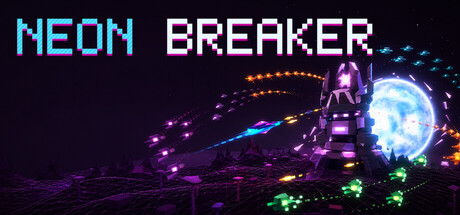 Neon Breaker: Endless Arcade Unclear artaudio | Used in enhancing visuals, audio and increasing gameplay performance | Roy Massaad | - | Aug 16, 2026 | |
 VHS Nights: The Tidy Up Shift Dev only text | AI was used to get blurbs of movies and data such as year | Isolated Gamerz | - | Aug 16, 2026 | |
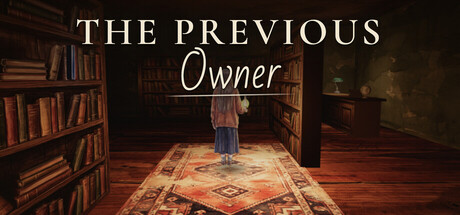 The Previous Owner In-game content artaudiotext | The Previous Owner uses generative AI as an assistive tool under human art direction and editorial control. The game's painted artwork — scene plates, room and prop textures, character and portrait art, the found photographs, the book spreads and the store art — was pre-generated with generative image tools, then curated, keyed, composited and hand-corrected by the developer; a small number of props are AI-generated 3D meshes, and some looping scene animations are AI-generated video. Music and sound effects are pre-generated with AI tools and edited by the developer. The narrative text is human–AI co-written under the author's direction and human-edited; the story, its structure and the game design are the author's. Everything ships pre-rendered in the build — the game generates nothing live during play. No real people are depicted; every character, book, photograph and document in the game is fictional. | 3Cats Studio | - | Aug 16, 2026 | |
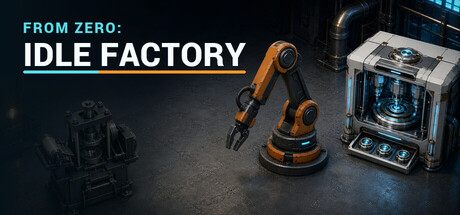 From Zero: Idle Factory In-game content arttextcode | Generative AI tools were used during development to assist with portions of the game's pre-generated 2D artwork, marketing artwork, localization drafts, and development code. All player-facing AI-assisted content was generated before release, selected, reviewed, edited where needed, tested, and integrated by the developer. The game does not generate or modify content with AI during gameplay and does not send player input to an external AI service. | Cartoon Rocket Games | - | Aug 16, 2026 | |
 Eyesnt Store/marketing arttext | Generative AI was used as an assistive tool in preparing parts of the game’s Steam store presence and marketing materials. This includes some store page artwork and promotional assets, short and long descriptions, store metadata, and localized versions of these materials.
All AI-assisted content was reviewed, edited, and approved by the development team before publication. No content is generated by AI during gameplay. | Ravenholm Interactive | - | Aug 16, 2026 | |
 Zero Viewers In-game content artaudio | Generative AI tools were used during development to assist with debugging code, audio production, and the creation of some item and UI illustrations. AI-generated or AI-assisted content was reviewed and edited by the development team before being included in the final game. | Monya Studio | - | Aug 16, 2026 | |
 Solspire Unclear | every part of the game is worked on by both AI and humans | Mr Crops | - | Aug 16, 2026 | |
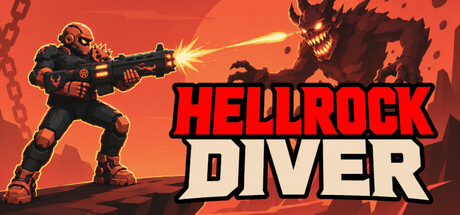 HellRock Diver In-game content art | Used to generate game logo, some in-game icons and steam store page content | HyugaHouse Games | - | Aug 16, 2026 | |
 Gameoverd In-game content art | Certain visual assets incorporated into the final product were subject to a multi-stage development, revision, and production process involving, at intermediate stages of asset preparation, generative AI-assisted material, together with subsequent developer-directed editing, alteration, reconstruction, and final implementation. | Daniel Manzie | - | Aug 16, 2026 | |
 Daily Botanica In-game content textart | AI was used for translations and some of the in-game and store artwork. | Cyvana | - | Aug 16, 2026 | |
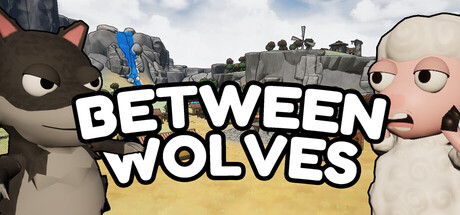 Between Wolves In-game content codeart | We use generative AI to help identify coding errors that could otherwise take a significant amount of time to find manually.
We also use it during brainstorming to generate textures that would take a long time to create by hand and may ultimately be discarded.
All AI-generated feedback/content is reviewed and modified by a team member until it fits what we really want to do. | Chroniria Games | - | Aug 16, 2026 | |
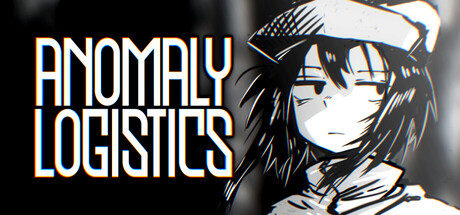 Anomaly Logistics In-game content text | The majority of the game's programming was done by AI.
For the in-game text, AI is utilized as a supplementary tool to improve grammar, but all text is ultimately checked and adjusted manually. AI is also used for translating the game into other languages.
However, no AI is used whatsoever for the illustrations or UI. | 趣味san | - | Aug 16, 2026 | |
 Kaperfahrt In-game content artaudio | Kaperfahrt uses AI generated assets in two places. Both are placeholders and are being replaced with commissioned work.
The portrait illustrations on the wanted posters of the 23 Blacklist pirates were made with an AI image generator. They were bought as finished assets.
The soundtrack, the ambient audio and the spoken lines of the Blacklist pirates were made with Suno under a paid commercial licence. | Kleinod Games | - | Aug 16, 2026 | |
 Axolotl Rangefighters In-game content art | Some pre-rendered visual artwork, promotional material, as well as game elements were created with AI and then selected, edited, and integrated by the developer. The game does not generate AI content during gameplay and does not connect to third-party AI services during gameplay. | Sam Cunningham | - | Aug 16, 2026 | |
 Wood Goes Brrr In-game content audio | Some musical tracks were created with the help of AI. | PixelGuse | - | Aug 15, 2026 | |
 Kingsfall:Chess In-game content art | Kingsfall:Chess uses pre-generated AI-generated imagery for some visual assets within the game and promotional/store materials. Other visual assets were created by artists using traditional methods. No content is generated by AI during gameplay. | Kahuna Studios | - | Aug 15, 2026 | |
 Packpunk In-game content art | Icons and imagery in this game were created with the assistance of AI tools. | Glitch Squirrel | - | Aug 14, 2026 | |
 Cardrooms In-game content art | The game's character artwork was created with the assistance of generative AI. Generative AI is not used to generate content during gameplay. | DriftVale | - | Aug 14, 2026 | |
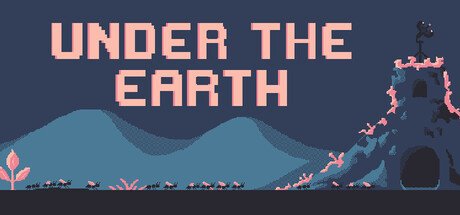 Under the Earth Dev only code | Generative AI tools were used during the development process exclusively to assist with programming, specifically for structuring GDScript code and debugging. | ManetKedy | - | Aug 14, 2026 | |
 TinSpring Soccer In-game content artaudiotext | No live AI generation is used during gameplay. TinSpring Soccer's boards, characters, textures, and sounds are produced procedurally by game code. AI tools were used under developer direction for implementation, localization, and selected store page artwork. | Gaboo Arts Entertainment | - | Aug 14, 2026 | |
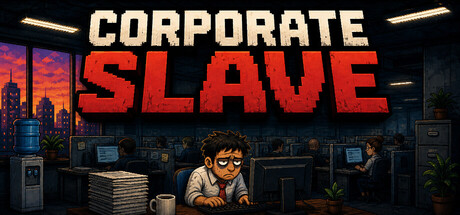 Corporate Slave In-game content artcode | Generative AI was used during development to assist with logos, graphical assets, and portions of the game’s code. | ATK-Play | - | Aug 14, 2026 | |
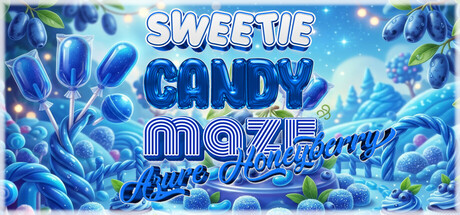 Sweetie Candy Maze: Azure Honeyberry In-game content art | The background images and honeyberrys pictures are pre-rendered AI art. | Cute Hannah's Games | - | Aug 14, 2026 | |
 Portrise Idle In-game content art | Some visual assets were AI-assisted, then manually edited by our team. No AI content is generated during gameplay. | baldgames | - | Aug 14, 2026 | |
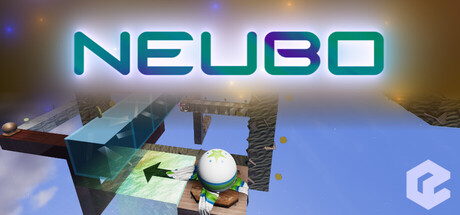 Neubo In-game content art | In this game AI was used to generate a few abstract textures in 4th and 5th game worlds. Game's logo was also made partially with a help of image generation tooling. | Neubound Games | - | Aug 14, 2026 | |
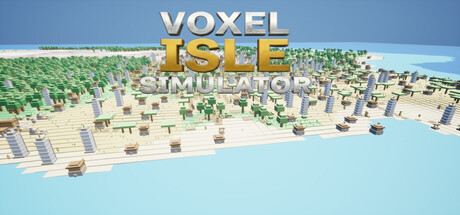 VOXEL ISLE SIMULATOR In-game content arttextaudio | Generative AI was used in the following ways:
• The title logo on our store capsule images was created with an AI image
tool. Everything else in those images is real footage from the running game.
• The trailer narration was written with AI assistance and voiced using
ElevenLabs text-to-speech.
• Some in-game text event descriptions, help and interface copy was
written with AI assistance and edited by hand.
The game itself is not AI-generated. The world simulation, the voxel terrain
and its creatures, and all in-game art are hand-built. Sound effects and music
are licensed from stock audio libraries. Nothing is generated while you play. | SFH PROD | - | Aug 14, 2026 | |
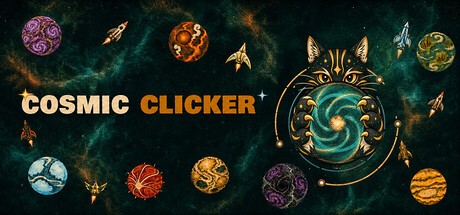 Cosmic Clicker In-game content art | During development, we used generative AI tools to transform early sketches and visual concepts into functional 2D game assets and visual materials that help define Cosmic Clicker’s identity. This included selected in-game assets, Steam store capsules, library artwork, icons, and key art.
The generated results were reviewed, selected, refined, and integrated to maintain consistency with the game’s established art direction. | Gladino | - | Aug 14, 2026 | |
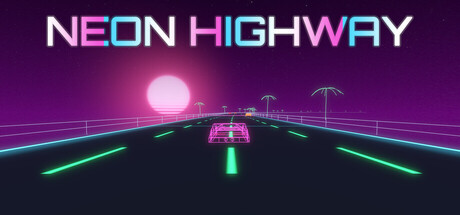 Neon Highway In-game content art | Some of this game's assets were made with the assistance of generative AI tools and were reviewed, curated and hand-finished by the developer. No content is generated while you play. | Meridian Studios | - | Aug 14, 2026 | |
 Cigar Tycoon Store/marketing arttext | Cigar Tycoon includes pre-generated AI-assisted content created during development, including some promotional artwork, store capsule and library artwork, and a small amount of magazine-style written content. The developer reviewed and edited this content before release. The game does not generate new content with AI during gameplay, does not connect to an external AI service, and does not send player data to an AI service. | Snob Studio | - | Aug 14, 2026 | |
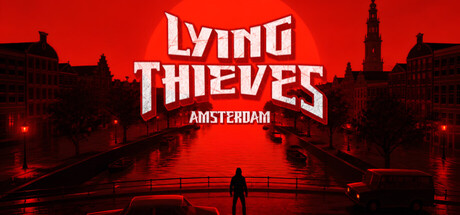 Lying Thieves: Amsterdam In-game content artaudio | Generative AI was used during development to assist with the creation of 2D concept art and background textures. The loading screen video is also made with generative AI. All final assets were manually edited and (if necessary) refined by the developer to match the game's art style.
Voice lines for the characters were generated using AI voice tools based on licensed models. The scripts were entirely written by humans, and the generated audio was manually edited where necessary. | Sitix | - | Aug 14, 2026 | |
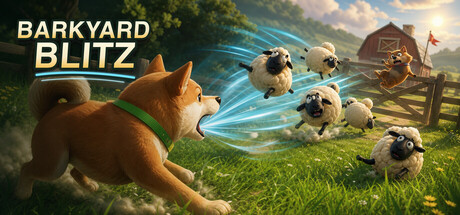 Barkyard Blitz Store/marketing textart | Generative AI tools assisted with English Steam store-page copy, and were used to create pre-generated illustrative key art for Steam store capsules, library artwork, and the store-page background. All AI-assisted outputs are reviewed, edited, integrated, and tested by the developer. The artwork is promotional and is not presented as gameplay footage; screenshots and trailers are captured from the actual game. The game does not use generative AI at runtime or generate live player-facing content. | Automata Games | - | Aug 14, 2026 | |
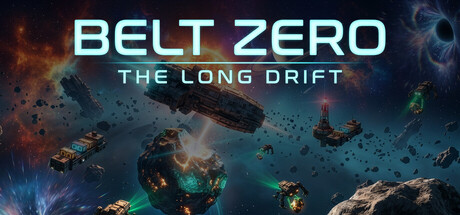 Belt Zero In-game content artaudiotext | Some of the content shipping with this game was created using generative AI:
• Images: the title/loading screen, the store graphics (capsules) and the five faction portraits were generated with an image AI. • Audio: the title music, intro music, sector music tracks and the sound effects were created with AI tools. • Text: the store description was drafted with AI assistance.
All of this content was selected, reviewed and integrated by hand. Not AI-generated: the 3D world, the ships, stations and effects — those are built procedurally and in Blender. The source code was developed with AI assistance; we mention this for completeness, even though development tools are exempt from disclosure. | Kay Maik Dev | - | Aug 14, 2026 | |
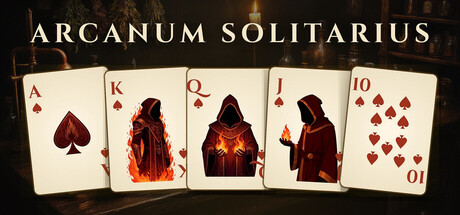 Arcanum Solitarius In-game content artaudiotext | All the art in Arcanum Solitarius, from the playing cards to the Arcana and the workshop backgrounds, was made with AI image generation using a model I trained myself. I was after one specific look: a medieval alchemist's workshop by candlelight, in aged parchment and dark walnut with verdigris and old gold. Most of the music was made the same way. I used AI to draft some of the in-game writing, then rewrote it into my own words. I picked and edited every piece before it went into the game, and the images on this page come from those same assets. Nothing is generated while you play. | Arcanica Games | - | Aug 14, 2026 | |
 Murder Your Friends In-game content art | 3D character and prop models and store artwork were created with the assistance of generative AI, then manually rigged, edited, and integrated by the developers. No content is AI-generated at runtime. | Friendslop Studios | - | Aug 14, 2026 | |
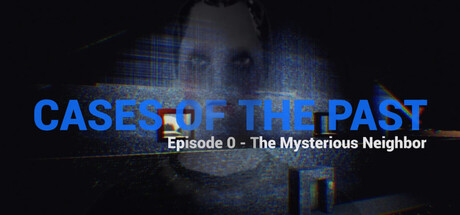 Cases of the Past: Episode 0 - The Mysterious Neighbor In-game content art | Generative Al was used only to assist in creating two small decorative images displayed in picture frames in the game. All other game content, including the story, dialogue, gameplay, environments, assets, artwork, and promotional materials, was created by TommyXplore." | TommyXplore | - | Aug 14, 2026 | |
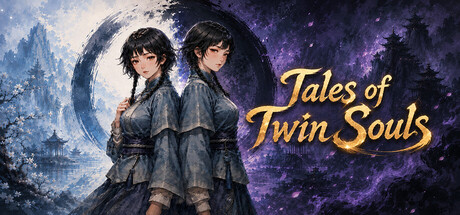 双魂奇谈 Unclear | Because the game was developed by only one person, AI was used to assist in its creation. | RolandHuang | - | Aug 14, 2026 | |
 Abduction Dev only art | AI Generation Disclosure
Abduction uses generative AI in limited, supporting ways during development — for example, assisting with asset preparation such as converting custom font designs into usable game fonts. All core game design, systems, art direction, and content are created and reviewed by the developer. Generative AI is a tool in the pipeline, not a substitute for the creative work behind the game. | Buzzed Greys Studios | - | Aug 14, 2026 | |
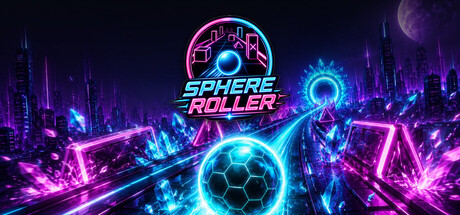 SPHERE ROLLER In-game content art | The game to contain art assets generated by artificial intelligence | Gamesforgames | - | Aug 14, 2026 | |
 Panda In-game content audio | During development we may use procedural and AI-based tools to assist with sound effects creation. The final result is always chosen and edited by the developer. | Rocanten | - | Aug 14, 2026 | |
 The Ball Just Won't Stay Up Dev only art | Generative AI tools were used during the art creation process to generate initial inspiration and drafts. All final art assets were then redrawn, refined, and finalized by the developer to ensure visual consistency, polish, and alignment with the game's overall tone. | ZOU YU | - | Aug 14, 2026 | |
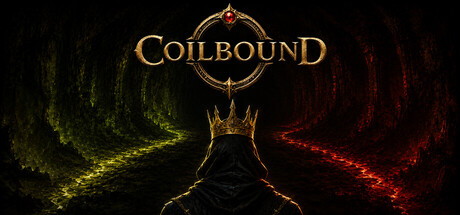 Coilbound In-game content art | Some of the visual artwork in Coilbound — including character and card illustrations, environment art, and store assets — was created with the assistance of generative AI image tools during development. All generated content was reviewed, edited, and curated by the developer. Coilbound does not use any AI-generated content in real time during gameplay. | Goblin Games | - | Aug 14, 2026 | |
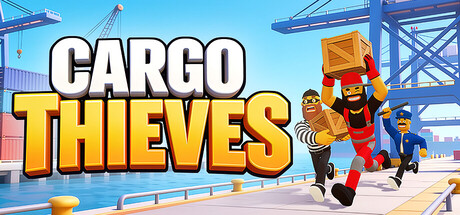 Cargo Thieves In-game content audiotextart | The music, dialogues, and artworks were partially created using AI tools. | Digital Melody | - | Aug 14, 2026 | |
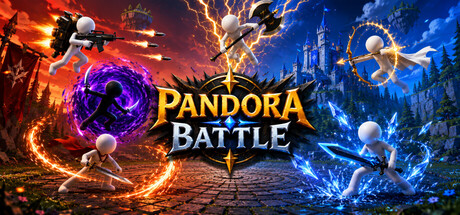 Pandora Battle In-game content art | Generative AI tools were used to assist with creating some pre-generated images and icons used in the game. | WIGWAG Studio | - | Aug 14, 2026 | |
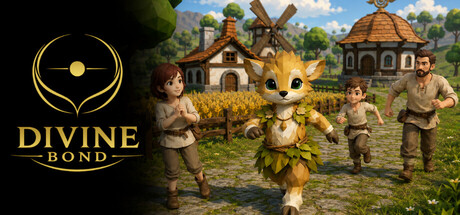 Divine Bond In-game content arttext | Generative AI tools were used during development to assist with selected pre-generated 3D assets, translations into additional languages, and marketing artwork. Polish and English source texts were written by the developer. All AI-assisted content was reviewed, edited, and integrated by the developer. The game does not generate AI content during gameplay. | EdgeCraft | - | Aug 14, 2026 | |
 HolyMoly In-game content art | Some pre-generated visual assets were created with the assistance of generative AI tools during development, including selected skill icons, weapon icons, concept references and promotional art references. All final assets included in the game were reviewed, curated, edited where needed, and integrated by the development team to match the game’s art direction. The game does not use live-generated AI during gameplay. | Smiley Game Studios | - | Aug 14, 2026 | |
 Desktop Mochipal Live AI text | This game uses generative AI to power the pet's dialogue system. Players can choose to enable AI chat and freely select a local model (running offline) or a cloud API (requires their own API key), or completely disable AI chat and use preset or custom dialogue instead. Every AI conversation is generated in real time. | 菠RO_PineapRO | - | Aug 14, 2026 | |
 PUZIGO In-game content art | PUZIGO includes pre-generated AI content in the separate free Starter Pack DLC. The Starter Pack contains 40 AI-generated themed puzzle images across seven themes: abstract, animals, flowers, landscapes, painting-style, space, and steampunk.
These images were generated during development, manually reviewed, curated, and included as fixed content. PUZIGO does not use AI to generate content during gameplay.
The remaining five images in the Starter Pack are public-domain classical artworks. Images loaded through the optional Custom Image Unlock DLC are selected by the player, processed locally on the player's PC, and are not uploaded or generated by AI within PUZIGO.
Some promotional and store artwork also contains pre-generated AI-assisted visual elements. | PUZIGO Studio | - | Aug 14, 2026 | |
 OshiYa In-game content arttext | Some shipped visual assets, narrative text, localization, and store or marketing artwork were created or iterated with the assistance of generative AI tools. All output was selected, edited, reviewed, integrated, and tested by the developer. The game performs no live AI generation
and sends no player input or data to an AI service. | Volker Schukai | - | Aug 14, 2026 | |
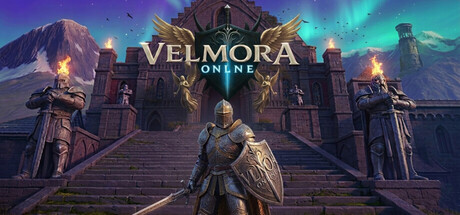 Velmora Online In-game content artaudio | Generative AI tools were used during development to assist in the creation of certain visual and audio assets. This includes some concept art, textures, UI elements, loading screens, promotional artwork, graphical assets, music, and sound effects.
AI-assisted content may be edited, modified, retouched, mixed, or otherwise integrated by the development team before being included in the game or promotional materials.
Generative AI is not used to dynamically generate content during gameplay. | Beledrian | - | Aug 14, 2026 | |
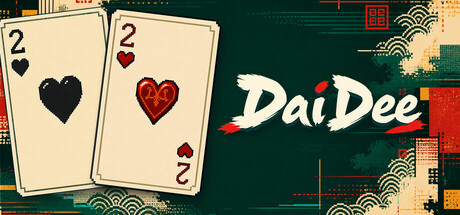 DaiDee 大弟 In-game content artaudiotext | Generative AI tools were used during development to create portions of the game’s artwork,sound and localization. Each AI-assisted asset was reviewed, edited, palette-matched, and curated by the developer. | YCF Productions | - | Aug 13, 2026 | |
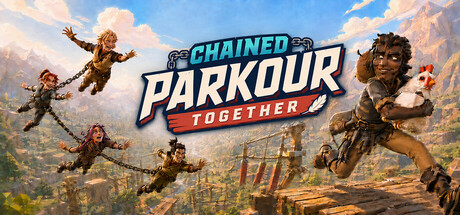 Chained Parkour Together Store/marketing art | It has been used in the store page images. | cnsgames | - | Aug 13, 2026 |


