Public Steam disclosure research25,394 disclosures tracked
Where do games disclose AI use?
Search developers’ Steam disclosures, compare classified AI use across
games, and follow recorded changes.
This index adds cross-game classifications and statistics to
statements published on individual store pages.
Groups reflect automatic analysis of public disclosures; mature records are excluded. These counts do not measure AI use across all of Steam.
Missing or unclear statements cannot establish whether a game uses AI.
This game used generative AI in a limited capacity during development to assist with Blueprint/code writing and debugging. It does not include any features that generate content or code in real time during gameplay, and no art, textures, sounds, story elements, marketing images were created using generative AI.
As a solo developer, I've used AI to generate a number of 3d models, textures, and images. Most have been modified after their generation to some extent.
This game uses pre-generated AI only for certain 2D background images and promotional store visuals. These assets were created before release and remain fixed. The game does not include any live AI generation during gameplay.
In the game, players can press the "G" key to open the AI communication panel, and interact with the two AIs—Doubao and DeepSeek—by typing text. Players can choose to chat with either Doubao or DeepSeek, and both AIs will respond based on the player's input.
Meanwhile, the AIs' decisions will influence the progression of the in-game storyline and their own specific behaviors. For instance, the AIs may determine the direction of storyline branches based on the content of the player's conversation, or change their movement paths in the game world and perform different actions. This creates a richer and more personalized gaming experience for players.
ForgeRun does not use AI to generate gameplay content, code, or behavior during gameplay.
All in-game systems, visuals, and logic are manually designed and scripted. However, AI tools were used outside of the game for marketing and support materials, such as assisting with text writing, image concepts, and store page descriptions.
All of our 3D assets including characters, environments, and props are hand-made by humans. Some 2D elements (UI, icons, textures) and select sound effects may use AI tools, but no asset is fully AI-generated.
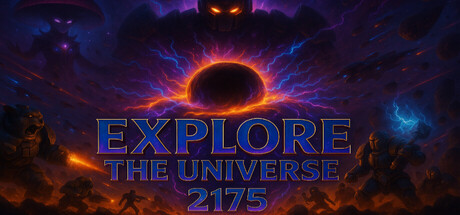
Explore the Universe 2175 uses AI in two distinct ways, and we want to be clear about both.
Real-time simulation (the core of the game). The galaxy is driven by a custom AI system we built ourselves. Faction behavior, MEGABOT's roaming strategy, enemy tactics, and the way wars unfold across sectors are all computed live in our own engine — not generated text or assets. This is procedural and rule-based simulation: the "intelligence" you fight against is real-time decision-making, the same category as the AI in any strategy game, just deeper.
Dialogue is human-written, scripted in advance.
Music and sound are human-created.
Some in-game entity visuals and animations are AI-generated (created during development, not dynamically while you play).
Some marketing and store-page images are AI-generated. Gameplay screenshots are authentic.
No AI-generated content is used to deceive players or misrepresent the game.
Some voice lines in this game were generated using AI voice synthesis technology.
These AI-generated voices are used to represent in-game characters and narrative dialogue.
All generated audio was reviewed, edited, and approved by the development team to ensure it meets quality and content standards.
Generative AI was used in the creation of promotional images for the store, such as the logo and banners.
In addition, generative AI was used for character voice audio included in both the main game and promotional videos (PV), as well as for the production of certain video segments within the PV.
All in-game content, interactions, and outcomes are fully created and controlled by the development team, with no AI influencing gameplay. Some development assets, such as concept art, icons, or marketing materials, were generated using AI tools.
I use AI to design my Steam page. The cover was made half with the help of AI. The text was prepared in advance to fit the page layout. The logo was also created using this tool.
Botwave: Overclock includes content created with the help of generative AI tools, including some in-game visuals, sound effects, and promotional/store artwork.
All AI-assisted content was reviewed and edited by the developer.
The game does not use AI to generate content in real time during gameplay and does not connect to external AI services while playing.
Our soundtrack was made using AI-assisted tools under full human direction.
This allowed us explore a variety of musical styles to express our message through our lyrics about breast cancer awareness.
In development, we used AI as a support tool for generating ideas and quick concept art in the early stages. The final game is based on ready-made assets and manual tweaking, so AI was used solely as an assistant in the creative process.
To focus more on the gameplay itself, some of the icons, sprites and logos have had AI-assisted rendering for the purpose of improving the final artistic presentation to the end user. Text to Speech tools have assisted in the generation of voice audio used within the menus and the main levels of the game.
During development, procedural and AI-assisted tools may be used to support content creation. Regardless of the tools involved, the final experience reflects the creative vision and craftsmanship of the solo developer behind the project.
This game uses pre-generated AI only for certain 2D background images and promotional store visuals. These assets were created before release and remain fixed. The game does not include any live AI generation during gameplay.
Some minor assets and text were created with the assistance of AI tools during development.
All core game design, gameplay systems, programming, and overall art direction were created and implemented by the developer.
AI tools were used only as a supportive tool during the development process.
This game was developed with the assistance of AI tools in the following areas:
Coding assistance: AI was used to support programming tasks and speed up development.
Art & Concepting: AI was used for generating early concept art and references.
3D Workflow: AI-assisted tools were used to reduce production time for certain 3D models.
All in-game assets, gameplay systems, and final art were reviewed, modified, and integrated by the development team to ensure originality, quality, and compliance.
AI tools were used to support early concept exploration and visual ideation during development.
Artificial intelligence tools were used during development to assist with the creation and processing of audio content, such as sound effects and voice variations.
This game used generative AI in a limited capacity during development to assist with Blueprint/code writing and debugging. It does not include any features that generate content or code in real time during gameplay, and no art, textures, sounds, story elements, marketing images were created using generative AI.
As a solo developer, I've used AI to generate a number of 3d models, textures, and images. Most have been modified after their generation to some extent.
This game uses pre-generated AI only for certain 2D background images and promotional store visuals. These assets were created before release and remain fixed. The game does not include any live AI generation during gameplay.
In the game, players can press the "G" key to open the AI communication panel, and interact with the two AIs—Doubao and DeepSeek—by typing text. Players can choose to chat with either Doubao or DeepSeek, and both AIs will respond based on the player's input.
Meanwhile, the AIs' decisions will influence the progression of the in-game storyline and their own specific behaviors. For instance, the AIs may determine the direction of storyline branches based on the content of the player's conversation, or change their movement paths in the game world and perform different actions. This creates a richer and more personalized gaming experience for players.
ForgeRun does not use AI to generate gameplay content, code, or behavior during gameplay.
All in-game systems, visuals, and logic are manually designed and scripted. However, AI tools were used outside of the game for marketing and support materials, such as assisting with text writing, image concepts, and store page descriptions.
All of our 3D assets including characters, environments, and props are hand-made by humans. Some 2D elements (UI, icons, textures) and select sound effects may use AI tools, but no asset is fully AI-generated.
Explore the Universe 2175 uses AI in two distinct ways, and we want to be clear about both.
Real-time simulation (the core of the game). The galaxy is driven by a custom AI system we built ourselves. Faction behavior, MEGABOT's roaming strategy, enemy tactics, and the way wars unfold across sectors are all computed live in our own engine — not generated text or assets. This is procedural and rule-based simulation: the "intelligence" you fight against is real-time decision-making, the same category as the AI in any strategy game, just deeper.
Dialogue is human-written, scripted in advance.
Music and sound are human-created.
Some in-game entity visuals and animations are AI-generated (created during development, not dynamically while you play).
Some marketing and store-page images are AI-generated. Gameplay screenshots are authentic.
No AI-generated content is used to deceive players or misrepresent the game.
Some voice lines in this game were generated using AI voice synthesis technology.
These AI-generated voices are used to represent in-game characters and narrative dialogue.
All generated audio was reviewed, edited, and approved by the development team to ensure it meets quality and content standards.
Generative AI was used in the creation of promotional images for the store, such as the logo and banners.
In addition, generative AI was used for character voice audio included in both the main game and promotional videos (PV), as well as for the production of certain video segments within the PV.
All in-game content, interactions, and outcomes are fully created and controlled by the development team, with no AI influencing gameplay. Some development assets, such as concept art, icons, or marketing materials, were generated using AI tools.
I use AI to design my Steam page. The cover was made half with the help of AI. The text was prepared in advance to fit the page layout. The logo was also created using this tool.
Botwave: Overclock includes content created with the help of generative AI tools, including some in-game visuals, sound effects, and promotional/store artwork.
All AI-assisted content was reviewed and edited by the developer.
The game does not use AI to generate content in real time during gameplay and does not connect to external AI services while playing.
Our soundtrack was made using AI-assisted tools under full human direction.
This allowed us explore a variety of musical styles to express our message through our lyrics about breast cancer awareness.
In development, we used AI as a support tool for generating ideas and quick concept art in the early stages. The final game is based on ready-made assets and manual tweaking, so AI was used solely as an assistant in the creative process.
To focus more on the gameplay itself, some of the icons, sprites and logos have had AI-assisted rendering for the purpose of improving the final artistic presentation to the end user. Text to Speech tools have assisted in the generation of voice audio used within the menus and the main levels of the game.
During development, procedural and AI-assisted tools may be used to support content creation. Regardless of the tools involved, the final experience reflects the creative vision and craftsmanship of the solo developer behind the project.
This game uses pre-generated AI only for certain 2D background images and promotional store visuals. These assets were created before release and remain fixed. The game does not include any live AI generation during gameplay.
Some minor assets and text were created with the assistance of AI tools during development.
All core game design, gameplay systems, programming, and overall art direction were created and implemented by the developer.
AI tools were used only as a supportive tool during the development process.
This game was developed with the assistance of AI tools in the following areas:
Coding assistance: AI was used to support programming tasks and speed up development.
Art & Concepting: AI was used for generating early concept art and references.
3D Workflow: AI-assisted tools were used to reduce production time for certain 3D models.
All in-game assets, gameplay systems, and final art were reviewed, modified, and integrated by the development team to ensure originality, quality, and compliance.
AI tools were used to support early concept exploration and visual ideation during development.
Artificial intelligence tools were used during development to assist with the creation and processing of audio content, such as sound effects and voice variations.