Public Steam disclosure research25,383 disclosures tracked
Where do games disclose AI use?
Search developers’ Steam disclosures, compare classified AI use across
games, and follow recorded changes.
This index adds cross-game classifications and statistics to
statements published on individual store pages.
Groups reflect automatic analysis of public disclosures; mature records are excluded. These counts do not measure AI use across all of Steam.
Missing or unclear statements cannot establish whether a game uses AI.
Rift Investigations uses AI in three core ways: First, every mystery case is procedurally generated by AI,
creating unique investigations with original characters, clues, and solutions—no two cases are ever the same.
Second, you can interrogate NPCs using natural language questions; an AI system generates contextual, believable
responses based on what each character knows and their relationship to the crime. Third, all character portraits
and location backgrounds are AI-generated to visually bring each procedurally-created case to life. The power of AI enables infinite replayability
with genuinely different detective stories each time you play.
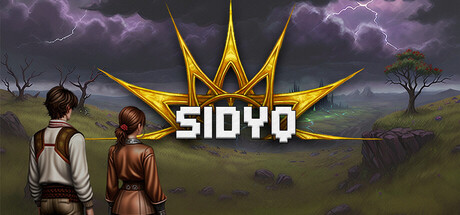
The visuals of Sidyq were created through a process combining AI generation and manual adjustments.
As a solo developer, I don’t have full graphic design skills, and AI was an essential tool to produce the game’s assets.
Every final element was then carefully refined by hand to ensure visual consistency and a unique style for the world of Sidyq.
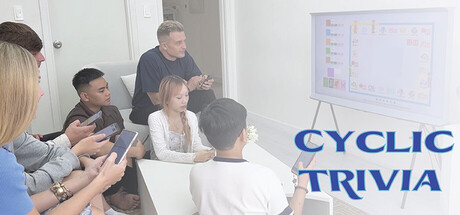
We used AI tools to help create some pre-rendered assets, including 2D characters and a few UI/category icons (e.g. Start, Numbers, Science, Geography) as well as some store page/marketing graphics and copy. All AI-generated content is manually reviewed and edited before being included in the game. The game does not use AI to live-generate any content or code during gameplay. All questions, characters, graphics, and logic are fixed and shipped with the game; nothing new is generated by AI while the game is running.
No in-game content or dialogue is AI-generated. Some sound effects in this game were created using AI-assisted tools. Audio assets may be updated or replaced over time as the game evolves.
Some of the static textures and of two background images, one background music track,
and several promotional store page artworks and trailer segments were created using generative AI tools before development.
All AI generated assets were manually edited, finalized and fixed before being included in the game or store page.
just to be clear no AI is used during gameplay. The game does not generate any content or code in real time.
This product uses AI-assisted tools during development for selected visual and audio assets and marketing materials. Gameplay does not involve AI-generated content.
Some UI assets in War Pawns were created with the assistance of generative AI tools during development. These assets were reviewed, selected, and integrated by the developer as part of the game’s user interface. Generative AI was used only for pre-generated interface visuals, and the game does not use AI-generated content during gameplay. All gameplay systems, design, and programming were created manually.
AI has been used to fill in art, music and code due to lack of sufficient resources available. This is not satisfactory in the long run.
The ambition is to eventually replace all AI content with proper man-made assets assuming the revenue increases. I apologize for the slop, but we will have to bear it for now.
The developer utilized AI image generation tools to assist in the creation of specific static visual assets where professional human artist craft was not financially viable for a solo project. These assets include the store capsule art, menu background textures, and narrative event illustrations. All AI generated output was heavily curated, edited, and painfully amended by the developer to ensure consistency with the game's 1970s pulp fantasy aesthetic and pixel-art gameplay. No AI is used to generate content live during gameplay.
Generative AI was used for images generation used in-game. Part of generated images was then corrected by a paid human worker. Another generated part is relatively low quality and is aimed to be replaced by proper art before the full release.
Images for the Steam page are including AI-generated graphical content from the game.
Generative AI was also partially used for programming help, with every generated line being reviewed by the actual developer.
"OpenAI ChatGPT" and "pixellab.ai" were used during development.
During development, we used some AI tools to speed things up in areas where we weren’t as experienced. That saved us a lot of time, letting us focus on the fun stuff — creating cool gameplay mechanics, improving performance, and making sure the game runs smoothly without annoying bugs.
Players can optionally use AI-assisted world generation when creating new game worlds. Through a structured wizard
interface, players configure:
- World name and theme (e.g., "Classic Fantasy")
- Geographic bounds
- Optional location suggestions
The AI then generates points of interest (shrines, inns, guild halls, ruins), NPC characters with names and
personalities, dialogue (greetings, backstories, quest hooks), and story assignments.
Players do not have direct chat access to the AI. All generation flows through fixed game parameters and moderated
output. The feature is optional - players can also create worlds manually.
Some assets and promotional materials were created or enhanced using AI tools.
However, all game content is original, owned by the developer, and does not include unlicensed third-party material. The AI tools were used only to assist in creating art, text, and marketing visuals under full creative control.
Select card art, event imagery, and UI elements were developed with the help of AI tools.
No AI is used in the coding, audio, video, or marketing of the game.
Based on our Frontline 1 assets, we've leveraged the innovative capabilities of AI to elevate our visuals by enhancing the graphics for some of the background & art images.
Generative AI tools were used to assist in creating some visual materials for the store page and marketing assets.
In addition, AI tools were utilized to generate or enhance certain pre-rendered in-game 2D assets, including some sprites, textures, and UI elements (such as profile pictures). This use is limited to non-critical graphical materials.
As a solo developer with limited graphic design experience, I used generative AI tools to assist in creating some art assets and marketing materials for the game.
All AI-generated assets were manually edited, refined, and finalized to ensure originality and consistency with the overall art style.
AI is not used in any way during gameplay, nor does it generate any real-time or dynamic content.
During development, AI was used as a tool to create pixel art drafts, which were then manually edited and finalized by the developer to ensure uniqueness and quality.
AI is used for placeholder images for sprites and backgrounds, to be replaced when i can get the funds to hire artists to redo all the art and make it way better quality
Some of the game's artwork and marketing materials were created with the help of AI tools. All final assets were curated and refined by our art team to ensure quality and consistency with the game’s style.
Rift Investigations uses AI in three core ways: First, every mystery case is procedurally generated by AI,
creating unique investigations with original characters, clues, and solutions—no two cases are ever the same.
Second, you can interrogate NPCs using natural language questions; an AI system generates contextual, believable
responses based on what each character knows and their relationship to the crime. Third, all character portraits
and location backgrounds are AI-generated to visually bring each procedurally-created case to life. The power of AI enables infinite replayability
with genuinely different detective stories each time you play.
The visuals of Sidyq were created through a process combining AI generation and manual adjustments.
As a solo developer, I don’t have full graphic design skills, and AI was an essential tool to produce the game’s assets.
Every final element was then carefully refined by hand to ensure visual consistency and a unique style for the world of Sidyq.
We used AI tools to help create some pre-rendered assets, including 2D characters and a few UI/category icons (e.g. Start, Numbers, Science, Geography) as well as some store page/marketing graphics and copy. All AI-generated content is manually reviewed and edited before being included in the game. The game does not use AI to live-generate any content or code during gameplay. All questions, characters, graphics, and logic are fixed and shipped with the game; nothing new is generated by AI while the game is running.
No in-game content or dialogue is AI-generated. Some sound effects in this game were created using AI-assisted tools. Audio assets may be updated or replaced over time as the game evolves.
Some of the static textures and of two background images, one background music track,
and several promotional store page artworks and trailer segments were created using generative AI tools before development.
All AI generated assets were manually edited, finalized and fixed before being included in the game or store page.
just to be clear no AI is used during gameplay. The game does not generate any content or code in real time.
This product uses AI-assisted tools during development for selected visual and audio assets and marketing materials. Gameplay does not involve AI-generated content.
Some UI assets in War Pawns were created with the assistance of generative AI tools during development. These assets were reviewed, selected, and integrated by the developer as part of the game’s user interface. Generative AI was used only for pre-generated interface visuals, and the game does not use AI-generated content during gameplay. All gameplay systems, design, and programming were created manually.
AI has been used to fill in art, music and code due to lack of sufficient resources available. This is not satisfactory in the long run.
The ambition is to eventually replace all AI content with proper man-made assets assuming the revenue increases. I apologize for the slop, but we will have to bear it for now.
The developer utilized AI image generation tools to assist in the creation of specific static visual assets where professional human artist craft was not financially viable for a solo project. These assets include the store capsule art, menu background textures, and narrative event illustrations. All AI generated output was heavily curated, edited, and painfully amended by the developer to ensure consistency with the game's 1970s pulp fantasy aesthetic and pixel-art gameplay. No AI is used to generate content live during gameplay.
Generative AI was used for images generation used in-game. Part of generated images was then corrected by a paid human worker. Another generated part is relatively low quality and is aimed to be replaced by proper art before the full release.
Images for the Steam page are including AI-generated graphical content from the game.
Generative AI was also partially used for programming help, with every generated line being reviewed by the actual developer.
"OpenAI ChatGPT" and "pixellab.ai" were used during development.
During development, we used some AI tools to speed things up in areas where we weren’t as experienced. That saved us a lot of time, letting us focus on the fun stuff — creating cool gameplay mechanics, improving performance, and making sure the game runs smoothly without annoying bugs.
Players can optionally use AI-assisted world generation when creating new game worlds. Through a structured wizard
interface, players configure:
- World name and theme (e.g., "Classic Fantasy")
- Geographic bounds
- Optional location suggestions
The AI then generates points of interest (shrines, inns, guild halls, ruins), NPC characters with names and
personalities, dialogue (greetings, backstories, quest hooks), and story assignments.
Players do not have direct chat access to the AI. All generation flows through fixed game parameters and moderated
output. The feature is optional - players can also create worlds manually.
Some assets and promotional materials were created or enhanced using AI tools.
However, all game content is original, owned by the developer, and does not include unlicensed third-party material. The AI tools were used only to assist in creating art, text, and marketing visuals under full creative control.
Select card art, event imagery, and UI elements were developed with the help of AI tools.
No AI is used in the coding, audio, video, or marketing of the game.
Based on our Frontline 1 assets, we've leveraged the innovative capabilities of AI to elevate our visuals by enhancing the graphics for some of the background & art images.
Generative AI tools were used to assist in creating some visual materials for the store page and marketing assets.
In addition, AI tools were utilized to generate or enhance certain pre-rendered in-game 2D assets, including some sprites, textures, and UI elements (such as profile pictures). This use is limited to non-critical graphical materials.
As a solo developer with limited graphic design experience, I used generative AI tools to assist in creating some art assets and marketing materials for the game.
All AI-generated assets were manually edited, refined, and finalized to ensure originality and consistency with the overall art style.
AI is not used in any way during gameplay, nor does it generate any real-time or dynamic content.
During development, AI was used as a tool to create pixel art drafts, which were then manually edited and finalized by the developer to ensure uniqueness and quality.
AI is used for placeholder images for sprites and backgrounds, to be replaced when i can get the funds to hire artists to redo all the art and make it way better quality
Some of the game's artwork and marketing materials were created with the help of AI tools. All final assets were curated and refined by our art team to ensure quality and consistency with the game’s style.