Public Steam disclosure research25,497 disclosures tracked
Where do games disclose AI use?
Search developers’ Steam disclosures, compare classified AI use across
games, and follow recorded changes.
This index adds cross-game classifications and statistics to
statements published on individual store pages.
Groups reflect automatic analysis of public disclosures; mature records are excluded. These counts do not measure AI use across all of Steam.
Missing or unclear statements cannot establish whether a game uses AI.
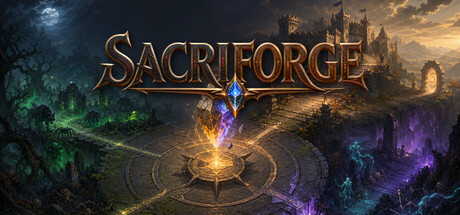
Some of the content in SacriForge was created with the help of generative AI tools during development, including 2D art and illustrations, music, sound effects, and text. All AI-assisted content was reviewed and edited by the developer.
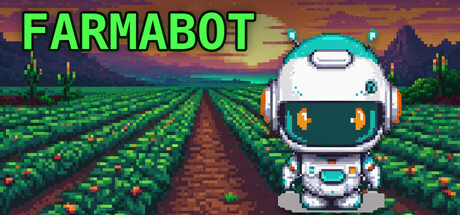
Some of the 2D art in Farmabot — including certain character, creature and crop sprites, cutscene background illustrations, and the game's store page / marketing images (capsules, icon, key art) — was produced with the assistance of locally-run generative AI image tools (Stable Diffusion). All AI-assisted assets are pre-generated (there is no live or runtime AI generation in the game); every asset was curated, edited, and assembled by the developer before inclusion.
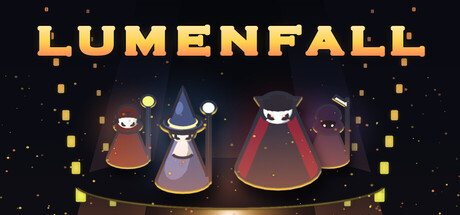
Lumenfall is built by a small studio using AI-assisted development tools. Some pre-generated content — including portions of the game's code, the store page text, and the 2D promotional/capsule artwork and achievement icons — was created with the help of AI tools, always under human direction and review. The game does not generate any content with AI at runtime; everything you play is fixed, hand-tuned content.
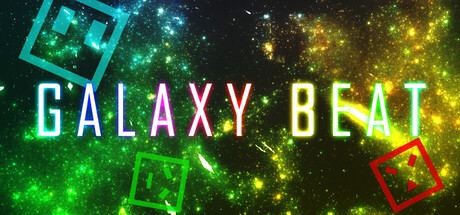
All songs in **GALAXY BEAT** credited to the artist **"Nullspecter"** were created using AI.
In addition, some of the album artwork and UI images included in **GALAXY BEAT** were created with the assistance of AI.
This game was made by 1 person, with the help of AI for the art, coding, sound, story, you name it. This was a lot of work for me the human though, this was not a few prompts, this was many different systems and custom work pipelines I designed completely myself. It took a long time and a huge amount of effort.
Generative AI tools were used to translate in-game text. Translations into languages spoken by the development team have been reviewed and corrected. Other languages rely primarily on these AI tools.
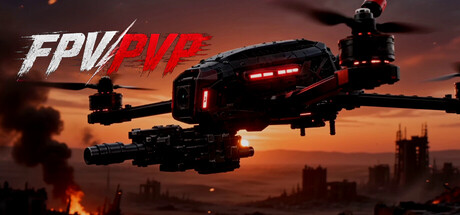
Some promotional and marketing materials for FPV PVP - specifically the cinematic announcement trailer and portions of the Steam store capsule/key artwork - were produced with the help of generative AI video and image tools, using our own original in-game drone model and game assets as the reference input. All in-game content (gameplay, 3D models, maps, UI, code and audio) is created by the developer and is not generative-AI content. The game does not generate any AI content live at runtime.
This game includes some AI generated content using Adobe Firefly.
Some of the dialog backgrounds are AI generated textures.
The Story video and the Level Loading videos are AI generated.
This disclosure is provided so players can make an informed purchasing decision based on their own preferences.
AI was not used to create any gameplay code, Blueprints, game systems, level design, environments, or game mechanics.
Generative AI tools were used during development to assist with some code, visual assets, and English voice and audio content. The game's design, selection, editing, integration, balancing, testing, and final creative decisions are handled and reviewed by the developer before release.
Claude Code was used to scaffold most of the Rust code for this game, and the art assets were built from prompting latent diffusion models with human hand drawn sketches and text prompts.
Generative AI was used to assist in the creation of some in-game text and dialogue. All other game assets, including textures, models, and sound, were created without the use of generative AI.
This product uses generative AI only for some visual content, including in-game sprite images and promotional/store artwork such as capsule images, key art, logos, and character/instrument illustrations. AI is not used to generate live gameplay content in real time.
Space Delivery is a solo indie project by Christian Wolf. Generative AI was one of the tools used to make it: all character voice-over and some sound effects were generated with ElevenLabs, AI image tools were used for the game's icons and some other menu/UI artwork, and AI tools were used to translate the game and its store page from English. The trailer and promotional images were assembled using AI tools from the game's own assets. AI also assisted with coding and design during development. All game design, art direction, and final creative decisions were made by the developer.
Some 2D images and promotional artwork used in the game and on the Steam store page were created or assisted using generative AI tools and then reviewed, modified, and integrated by the developer. No real-time AI-generated content is created during gameplay.
Chrome Circuit is developed by a solo developer who uses generative AI as part of the production pipeline. Character and environment sprite art was created using AI image generation, then processed, edited, and integrated by hand. Portions of the game's code were written with AI assistance under the developer's direction, with all systems designed, reviewed, and tested by the developer. All AI-generated content is created during development ("pre-generated") — the game does not generate any content while you play, and no AI runs on your machine. Game design, writing, and all creative decisions are the work of the developer.
Some 2D art (sprites, icons, key art) was generated with a locally run image model, then hand-curated and edited by the developer. Sound effects and music were generated with local audio models and hand-picked. Everything shipped was reviewed by a human; the game performs no AI generation at runtime.
Generative AI was used to assist with some images, sound effects, music, and translations. All AI-assisted content was reviewed, edited, and curated by the developer before being included in the game.
I have used AI-assisted tools to generate specific visual assets for the game, including the library logo and certain promotional marketing materials. The AI was utilized solely for asset creation and does not generate content dynamically during live gameplay. The game's core mechanics and narrative elements were developed by our team without AI-generated procedural systems.
Some of the game's background music (BGM) uses tracks created with generative AI, and AI tools were used for localization (translation) into some languages. Store page images and some in-game illustrations (such as cutscenes and maps) were created with the assistance of AI image generation tools. Some in-game icons are based on AI-generated images that were then manually retouched and refined by the developer. All other content (in-game pixel art including characters and monsters, code, original story, etc.) was not created with AI.
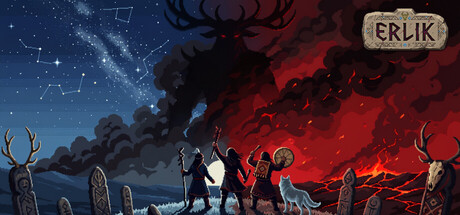
ERLIK is a solo-developed game: all game design, code, writing, balance and feel are handmade. Generative AI tools were used as part of the art production pipeline; every asset was then manually edited, curated and polished by the developer before entering the game. No content is generated while you play, everything is fixed at build time.
Some static store and marketing assets were created with AI-assisted tools, then reviewed, edited, and integrated by the developer. The game does not generate AI content during gameplay.
AI-generated content was used for promotional/store artwork, including capsule and library images. The game build itself does not use generative AI during gameplay.
Several of the original tracks included with the base game were created with the help of AI tooling as was some of the initial iconography and translations.
As a small development studio, we had to use AI to generate translations for the game and the Steam page in order to make the game accessible to the widest possible audience.
The graphic and audio assets were created either by us or by the team at Craftpix.net (who, it seems, do not use AI).
Some visual assets used in VoidFall, including promotional artwork and store materials, were created with the assistance of generative AI tools and further edited and integrated during development.
Generative AI was used during the development process to assist with code optimization, refactoring, and text translation. None of the AI-generated content is generated in real-time or active during live gameplay.
Even if we prefer manual craft & procedural generation, some 3d Models/Cinematics in this game were created with the assistance of AI generative tools during production. However, think AI more as an automation/interpolation tool to win time and focus on gamers really want: innovative gameplay and FUN!
Some of the game's 3D models (characters, monsters, and items) were created using the generative AI tool. Some in-game text translations were produced with AI assistance. All of this content was pre-generated during development, and we hold the appropriate rights to use it in the game.
I am currently a solo developer working hard to bring this project to life. To keep development moving during the early stages, you will notice some placeholder character portraits and backgrounds that were AI-assisted.
My goal and commitment is to replace every piece of AI-generated content with custom-made, hand-crafted pixel art by the time of the official 1.0 release. All current monster designs, battle maps, and GUI elements are already original pixel artwork. I appreciate your patience as I work to ensure the final version of the game fully reflects my personal artistic vision!
Some visual assets used in this game were created or assisted by generative AI tools during development. All AI-generated content was reviewed, edited, and integrated by the developer before being included in the final game. No AI-generated content is created during gameplay.
AI tools may be utilized to increase development efficiency for various game content. Such content has been vetted for accuracy and consistency with the game's theme and ideas.
The videos were generated using artificial intelligence, employed to recreate the gothic and unsettling atmospheres typical of 1970s and 1980s horror films.
Some of the game's 2D artwork — including character selection images and user interface elements — was created with the help of generative AI tools. All AI-generated assets were reviewed and curated by our team before being included in the game.
This game uses generative AI in the production process for some item images. The generated images are reviewed and adjusted by the developer before being used in the game.
AI-generated art assets are used in this game. All such assets have been manually reviewed and adjusted to ensure a consistent visual style and quality.
Some of the content in SacriForge was created with the help of generative AI tools during development, including 2D art and illustrations, music, sound effects, and text. All AI-assisted content was reviewed and edited by the developer.
Some of the 2D art in Farmabot — including certain character, creature and crop sprites, cutscene background illustrations, and the game's store page / marketing images (capsules, icon, key art) — was produced with the assistance of locally-run generative AI image tools (Stable Diffusion). All AI-assisted assets are pre-generated (there is no live or runtime AI generation in the game); every asset was curated, edited, and assembled by the developer before inclusion.
Lumenfall is built by a small studio using AI-assisted development tools. Some pre-generated content — including portions of the game's code, the store page text, and the 2D promotional/capsule artwork and achievement icons — was created with the help of AI tools, always under human direction and review. The game does not generate any content with AI at runtime; everything you play is fixed, hand-tuned content.
All songs in **GALAXY BEAT** credited to the artist **"Nullspecter"** were created using AI.
In addition, some of the album artwork and UI images included in **GALAXY BEAT** were created with the assistance of AI.
This game was made by 1 person, with the help of AI for the art, coding, sound, story, you name it. This was a lot of work for me the human though, this was not a few prompts, this was many different systems and custom work pipelines I designed completely myself. It took a long time and a huge amount of effort.
Generative AI tools were used to translate in-game text. Translations into languages spoken by the development team have been reviewed and corrected. Other languages rely primarily on these AI tools.
Some promotional and marketing materials for FPV PVP - specifically the cinematic announcement trailer and portions of the Steam store capsule/key artwork - were produced with the help of generative AI video and image tools, using our own original in-game drone model and game assets as the reference input. All in-game content (gameplay, 3D models, maps, UI, code and audio) is created by the developer and is not generative-AI content. The game does not generate any AI content live at runtime.
This game includes some AI generated content using Adobe Firefly.
Some of the dialog backgrounds are AI generated textures.
The Story video and the Level Loading videos are AI generated.
This disclosure is provided so players can make an informed purchasing decision based on their own preferences.
AI was not used to create any gameplay code, Blueprints, game systems, level design, environments, or game mechanics.
Generative AI tools were used during development to assist with some code, visual assets, and English voice and audio content. The game's design, selection, editing, integration, balancing, testing, and final creative decisions are handled and reviewed by the developer before release.
Claude Code was used to scaffold most of the Rust code for this game, and the art assets were built from prompting latent diffusion models with human hand drawn sketches and text prompts.
Generative AI was used to assist in the creation of some in-game text and dialogue. All other game assets, including textures, models, and sound, were created without the use of generative AI.
This product uses generative AI only for some visual content, including in-game sprite images and promotional/store artwork such as capsule images, key art, logos, and character/instrument illustrations. AI is not used to generate live gameplay content in real time.
Space Delivery is a solo indie project by Christian Wolf. Generative AI was one of the tools used to make it: all character voice-over and some sound effects were generated with ElevenLabs, AI image tools were used for the game's icons and some other menu/UI artwork, and AI tools were used to translate the game and its store page from English. The trailer and promotional images were assembled using AI tools from the game's own assets. AI also assisted with coding and design during development. All game design, art direction, and final creative decisions were made by the developer.
Some 2D images and promotional artwork used in the game and on the Steam store page were created or assisted using generative AI tools and then reviewed, modified, and integrated by the developer. No real-time AI-generated content is created during gameplay.
Chrome Circuit is developed by a solo developer who uses generative AI as part of the production pipeline. Character and environment sprite art was created using AI image generation, then processed, edited, and integrated by hand. Portions of the game's code were written with AI assistance under the developer's direction, with all systems designed, reviewed, and tested by the developer. All AI-generated content is created during development ("pre-generated") — the game does not generate any content while you play, and no AI runs on your machine. Game design, writing, and all creative decisions are the work of the developer.
Some 2D art (sprites, icons, key art) was generated with a locally run image model, then hand-curated and edited by the developer. Sound effects and music were generated with local audio models and hand-picked. Everything shipped was reviewed by a human; the game performs no AI generation at runtime.
Generative AI was used to assist with some images, sound effects, music, and translations. All AI-assisted content was reviewed, edited, and curated by the developer before being included in the game.
I have used AI-assisted tools to generate specific visual assets for the game, including the library logo and certain promotional marketing materials. The AI was utilized solely for asset creation and does not generate content dynamically during live gameplay. The game's core mechanics and narrative elements were developed by our team without AI-generated procedural systems.
Some of the game's background music (BGM) uses tracks created with generative AI, and AI tools were used for localization (translation) into some languages. Store page images and some in-game illustrations (such as cutscenes and maps) were created with the assistance of AI image generation tools. Some in-game icons are based on AI-generated images that were then manually retouched and refined by the developer. All other content (in-game pixel art including characters and monsters, code, original story, etc.) was not created with AI.
ERLIK is a solo-developed game: all game design, code, writing, balance and feel are handmade. Generative AI tools were used as part of the art production pipeline; every asset was then manually edited, curated and polished by the developer before entering the game. No content is generated while you play, everything is fixed at build time.
Some static store and marketing assets were created with AI-assisted tools, then reviewed, edited, and integrated by the developer. The game does not generate AI content during gameplay.
AI-generated content was used for promotional/store artwork, including capsule and library images. The game build itself does not use generative AI during gameplay.
Several of the original tracks included with the base game were created with the help of AI tooling as was some of the initial iconography and translations.
As a small development studio, we had to use AI to generate translations for the game and the Steam page in order to make the game accessible to the widest possible audience.
The graphic and audio assets were created either by us or by the team at Craftpix.net (who, it seems, do not use AI).
Some visual assets used in VoidFall, including promotional artwork and store materials, were created with the assistance of generative AI tools and further edited and integrated during development.
Generative AI was used during the development process to assist with code optimization, refactoring, and text translation. None of the AI-generated content is generated in real-time or active during live gameplay.
Even if we prefer manual craft & procedural generation, some 3d Models/Cinematics in this game were created with the assistance of AI generative tools during production. However, think AI more as an automation/interpolation tool to win time and focus on gamers really want: innovative gameplay and FUN!
Some of the game's 3D models (characters, monsters, and items) were created using the generative AI tool. Some in-game text translations were produced with AI assistance. All of this content was pre-generated during development, and we hold the appropriate rights to use it in the game.
I am currently a solo developer working hard to bring this project to life. To keep development moving during the early stages, you will notice some placeholder character portraits and backgrounds that were AI-assisted.
My goal and commitment is to replace every piece of AI-generated content with custom-made, hand-crafted pixel art by the time of the official 1.0 release. All current monster designs, battle maps, and GUI elements are already original pixel artwork. I appreciate your patience as I work to ensure the final version of the game fully reflects my personal artistic vision!
Some visual assets used in this game were created or assisted by generative AI tools during development. All AI-generated content was reviewed, edited, and integrated by the developer before being included in the final game. No AI-generated content is created during gameplay.
AI tools may be utilized to increase development efficiency for various game content. Such content has been vetted for accuracy and consistency with the game's theme and ideas.
The videos were generated using artificial intelligence, employed to recreate the gothic and unsettling atmospheres typical of 1970s and 1980s horror films.
Some of the game's 2D artwork — including character selection images and user interface elements — was created with the help of generative AI tools. All AI-generated assets were reviewed and curated by our team before being included in the game.
This game uses generative AI in the production process for some item images. The generated images are reviewed and adjusted by the developer before being used in the game.
AI-generated art assets are used in this game. All such assets have been manually reviewed and adjusted to ensure a consistent visual style and quality.