

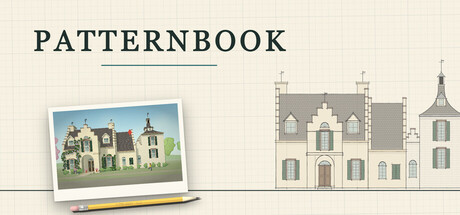

Disclosure
Some in-game posters and signs, the splash screen, and parts of the text and translation were made with the help of generative AI and then edited by hand.
- Creator
- homemadevoxel
- Reviews
- -
- Added
- Oct 12, 2026
Public Steam disclosure research 25,376 disclosures tracked
Search developers’ Steam disclosures, compare classified AI use across games, and follow recorded changes. This index adds cross-game classifications and statistics to statements published on individual store pages.
Code help, debugging and other development work.
Capsule art, trailers and promotional material.
Pre-made art, audio, writing and other game assets.
Interactive or runtime AI features disclosed by the developer.
Groups reflect automatic analysis of public disclosures; mature records are excluded. These counts do not measure AI use across all of Steam. Missing or unclear statements cannot establish whether a game uses AI.
Some in-game posters and signs, the splash screen, and parts of the text and translation were made with the help of generative AI and then edited by hand.
Character voices, and some of the sound effects and music, were pre-generated with AI voice and audio tools and then edited and mixed by the developer. The dialogue, store text and Korean/English translations were written with the help of an AI assistant and reviewed by the developer. All ships, cockpit and environments are in-engine 3D models, and the store images and trailer are in-game captures. No AI content is generated while you play.
Some weapon images and sound effects in this game were created with the help of generative AI tools and then reviewed and edited by our team.
AI has been utilized to assist with primarily backend systems like the netcode etc. The game's vision and most content are made directly by me.
AI-generated content is used for artwork, sound, and coding assistance.
Game text translations and parts of the store page and marketing text were created with AI assistance. All art, music and sound effects are made without generative AI.
Generative AI was used to assist in creating some game assets, like certain sound effects, music, and textures.
Generative AI was used for UI icons, the intro video, and retouching of store capsule images. In-game 3D assets, characters and environments are licensed or hand-made, not AI-generated. AI was used as an assistive tool for code, text and translation.
AI tools were used in making this game.
Generative AI was used to help write the Python code that generates the game's 3D models and synthesized sounds, and to assist with localization.
Use for Cover Art and decorative Posters in Game.
Cheese Racers is designed, directed and reviewed by a solo developer and built with an AI assistant, which wrote the code and drafted much of the text. The visuals (maps, cheese skins, crates) are drawn by that code as the game runs, not by AI image generators. No AI-generated music or voices, and nothing is generated by AI while you play.
The core art direction and a portion of the artwork were hand-drawn by the developer, and AI was used to produce additional assets in a matching style, which were then reviewed, edited and integrated by hand. The game's music was generated with AI tools. No AI content is generated live while the game is running.
AI was used in assisiting to create the VFX, trailer music, localisation and concept art. All generated material was reviewed, refined and integrated by the developers before use.
Some pre-generated content was made with AI tools: the store key art and capsule images, the localization into 19 languages, and parts of the in-game and store text. 3D models, sound effects and achievement icons are built procedurally by code written with AI assistance. No AI-generated content is created live while you play.
AI tools were used to help prepare sketches for the store capsule artwork.
Generative AI tools are used during the development of MASSVEIL to assist with the creation and refinement of certain pre-generated materials, including selected visual elements, sound effects, voice lines, and text content. All AI-assisted content is reviewed and, where necessary, edited by the developer before being included in the game. Generative AI is not used to create new content during gameplay, and the game does not connect to third-party AI services while running.
Includes prerecorded AI-generated enemy voices, AI-generated promotional artwork in the Steam assets and trailer, and AI-assisted store-page translations awaiting native review. No AI content is generated during gameplay.
Placeholders.
Currently, AI‑assisted Photoshop image editing is only used for the Steam store‑page assets. No AI is utilized within the game itself. All image and audio assets are either sourced from free open‑source resources or purchased commercially.
Generative AI was used during development to help create some environment models and props, as well as the day/night UI illustrations. The game does not generate AI content during gameplay.Generative AI was also used to help create some store and promotional artwork and store descriptions.
AI was used for some portions of code. All art is hand drawn and all game design and ideas are our own.
Generative AI tools were used during development to create background artwork, images, music, and translations. These are pre-generated assets. No AI content is generated during gameplay.
AI-assisted tools were used during development for programming, debugging, shader work and some store-page text. All output was reviewed and integrated by the developer. No live-generated AI content is used in gameplay.
Pissant is built with AI-assisted code. The developer directs and edits everything; an AI assistant helps write the game's code, its in-game text, the music scores and the store and marketing text. No AI image, video or voice generator made anything in the game: every visual is drawn by the game's own procedural code, and every sound and note of music comes from its own synthesis engine. No generative AI runs during gameplay, and the game does not connect to any AI service.
The current game features temporary music tracks generated using AI. We plan to replace these with original compositions created specifically for the game by the full release or future updates.
Generative AI was used for minor texture touch-ups during development. All AI-assisted content was manually reviewed and finalized by the developer.
Generative AI tools were used during the development of Exodus Survivors to create some of the game's visual assets and music. AI was also used as a development tool to assist with programming and other aspects of production. The game was developed and assembled by the developer, with the final content selected, edited, integrated, and reviewed as part of the development process.
It has been used in the page visuals and logo.
Some character and equipment models were generated with an AI 3D tool and then rigged, recoloured and edited by hand. The icons were designed with AI tools and drawn in code, and the game's text was written with AI assistance and edited by the developer. Environments use asset packs made by people, sound effects come from a sound pack recorded by people, and the music is synthesised by the game's own code. No AI generates anything while you play.
Generative AI tools were used during development to create selected visual and audio assets. All AI-generated content was reviewed, edited, and integrated by the development team.
Generative AI tools were used during development to create and refine pre-made visual assets, music and sound assets, and localized text. These assets are bundled with the game. No content is generated by AI during gameplay.
This game contains content created with the assistance of AI tools. AI was used during development to assist with programming, visual assets, and other creative elements. All generated content was reviewed, edited, and integrated by the dev.
AI tools helped us write parts of the game's code and create some of its art. No content is generated by AI while you play.
Generative AI was used to help create pre-generated character and enemy artwork, scene backgrounds, and store promotional illustrations. These assets were selected, prepared, and integrated by the developer. No AI content is generated during gameplay.
Generative AI tools were used to help create some visual assets, music, and store/promotional materials, and to assist with translation. No generative AI is used to create content during gameplay.
Kepler Ascent was made by an independent developer with the help of generative AI tools. AI was used to write part of the game's text (story and AURA's lines), to compose the music and create AURA's synthesized voice, to build some 3D models and cinematic sets (generated through scripts), and to produce the logo and artwork of this store page (rendered from the game's own models). All of this content was created ahead of time and reviewed by the developer. Nothing is generated by AI while you play.
Some in-game 3D models, textures and sound effects are generated by code written with AI assistance.
Some pre-generated artwork was created with the help of generative AI tools and then edited by the developer, including store and marketing images and some loading-screen art. No AI content is generated live while you play, and the game does not connect to any AI service.
Generative AI was used to create some of the game's content. The illustrations and the characters (character designs and artwork and models) were created with the help of generative AI tools, then selected, edited and integrated by the developer. Some English localization text (UI and character descriptions) and the store page description were also drafted with an AI assistant and reviewed and edited by the developer. The game does not generate any content with AI while it is running.
The game's sound effects were created with AI audio-generation tools during development, then selected and level-matched by the developer. Nothing is generated by AI while you play.
AI was used to help localize this game in multiple languages.
AI was used during development to create some of the game's visual artwork and graphical assets. The AI-generated assets are pre-generated and included as static content in the game. No AI content is generated during gameplay, and the game does not connect to or use an AI service at runtime.
Some images in the game were generated using AI tools and then refined by the game's developer. All the music in the game was written by the game's developer, but the mastering was done using AI tools. The 3D character models (all except the zombie mutants) were initially generated via AI and later refined and adapted by the game's developer.
Steam store and library, including capsule images, the logo and icons Gameplay screenshots were captured directly from the game.
Generative AI tools were used to help create promotional artwork and Steam store page text. This content was prepared in advance. The game does not use generative AI or connect to external AI services during gameplay.
some visual assets and promotional materials for KILL ALL 8.2 BILLION HUMANS were created with the assistance of generative AI tools. All AI-generated content was reviewed, refined, and integrated by the developer to ensure consistency with the game's artistic direction and quality standards.
Generative AI was used during development to assist with artwork and localization, including some store and promotional materials. The game does not generate AI content during gameplay or connect to external AI services.
Generative AI tools were used during development to assist with the creation and refinement of selected visual assets, concept artwork, UI elements, promotional/store-page materials, and development content. All generated content is reviewed and curated before inclusion in the game. The game does not currently generate AI content live during gameplay.
BROKEN CHORD uses generative AI in the creation of selected music and visual assets used in the game and its presentation. AI-generated material is curated, edited, and integrated into the game’s overall artistic and audiovisual direction by the developer.
| Title⇅ | Disclosure | Creator⇅ | Src | Reviews⇅ | Added↓ |
|---|---|---|---|---|---|
 LIFT In-game content arttext | Some in-game posters and signs, the splash screen, and parts of the text and translation were made with the help of generative AI and then edited by hand. | homemadevoxel | - | Oct 12, 2026 | |
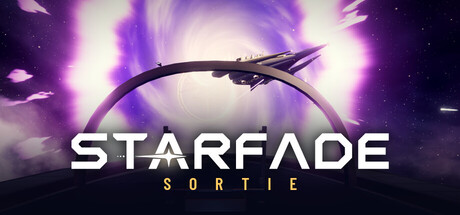 STARFADE: Sortie In-game content audiotext | Character voices, and some of the sound effects and music, were pre-generated with AI voice and audio tools and then edited and mixed by the developer. The dialogue, store text and Korean/English translations were written with the help of an AI assistant and reviewed by the developer. All ships, cockpit and environments are in-engine 3D models, and the store images and trailer are in-game captures. No AI content is generated while you play. | FIVE DUCK GAMES | - | Oct 12, 2026 | |
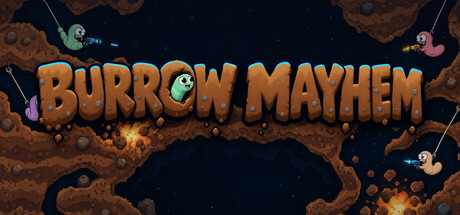 Burrow Mayhem In-game content artaudio | Some weapon images and sound effects in this game were created with the help of generative AI tools and then reviewed and edited by our team. | LEPOR GAMES | - | Oct 12, 2026 | |
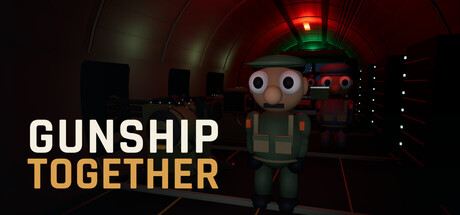 Gunship Together Dev only | AI has been utilized to assist with primarily backend systems like the netcode etc. The game's vision and most content are made directly by me. | TheLaw | - | Oct 12, 2026 | |
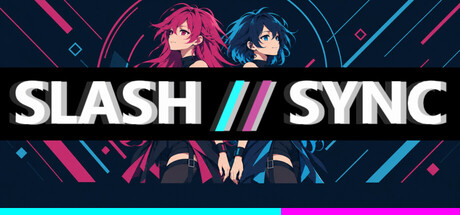 SLASH//SYNC In-game content artaudiocode | AI-generated content is used for artwork, sound, and coding assistance. | MIKAGE STUDIO. | - | Oct 12, 2026 | |
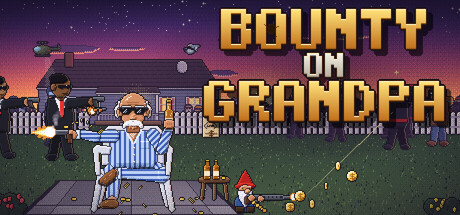 Bounty on Grandpa Store/marketing text | Game text translations and parts of the store page and marketing text were created with AI assistance. All art, music and sound effects are made without generative AI. | hakantrkmn | - | Oct 12, 2026 | |
 Ajnabee 2 In-game content audioart | Generative AI was used to assist in creating some game assets, like certain sound effects, music, and textures. | Akshat Softwares | - | Oct 12, 2026 | |
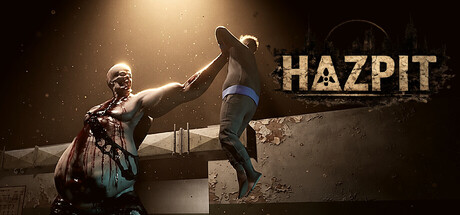 HAZPIT In-game content arttextcode | Generative AI was used for UI icons, the intro video, and retouching of store capsule images. In-game 3D assets, characters and environments are licensed or hand-made, not AI-generated. AI was used as an assistive tool for code, text and translation. | Late Build | - | Oct 12, 2026 | |
 Lostwell Unclear | AI tools were used in making this game. | Claywire Games | - | Oct 12, 2026 | |
 OUTIS In-game content codetext | Generative AI was used to help write the Python code that generates the game's 3D models and synthesized sounds, and to assist with localization. | OUTIS | - | Oct 12, 2026 | |
 SLASHER NIGHT In-game content art | Use for Cover Art and decorative Posters in Game. | N0N | - | Oct 12, 2026 | |
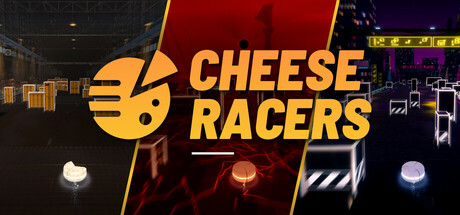 Cheese Racers Live AI arttextcode | Cheese Racers is designed, directed and reviewed by a solo developer and built with an AI assistant, which wrote the code and drafted much of the text. The visuals (maps, cheese skins, crates) are drawn by that code as the game runs, not by AI image generators. No AI-generated music or voices, and nothing is generated by AI while you play. | CheeseSteak | - | Oct 12, 2026 | |
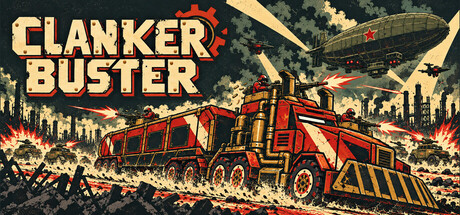 Clanker Buster In-game content artaudio | The core art direction and a portion of the artwork were hand-drawn by the developer, and AI was used to produce additional assets in a matching style, which were then reviewed, edited and integrated by hand. The game's music was generated with AI tools. No AI content is generated live while the game is running. | CTE Gaming | - | Oct 12, 2026 | |
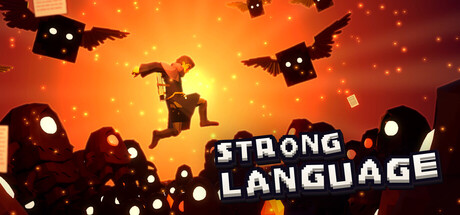 Strong Language Store/marketing artaudiotext | AI was used in assisiting to create the VFX, trailer music, localisation and concept art.
All generated material was reviewed, refined and integrated by the developers before use. | NiSi Games | - | Oct 12, 2026 | |
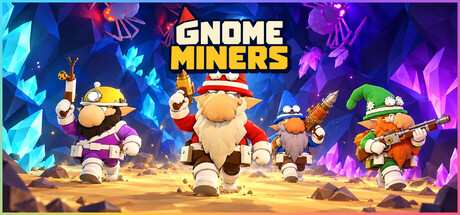 Gnome Miners In-game content arttextcode | Some pre-generated content was made with AI tools: the store key art and capsule images, the localization into 19 languages, and parts of the in-game and store text. 3D models, sound effects and achievement icons are built procedurally by code written with AI assistance. No AI-generated content is created live while you play. | LonhosGames | - | Oct 12, 2026 | |
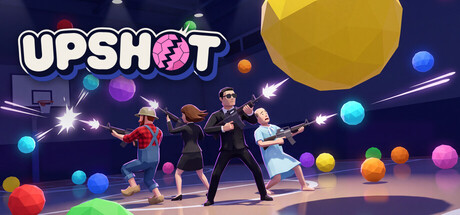 UPSHOT Store/marketing art | AI tools were used to help prepare sketches for the store capsule artwork. | Wazang Games | - | Oct 12, 2026 | |
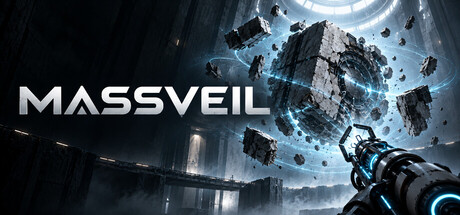 MassVeil In-game content artaudiotext | Generative AI tools are used during the development of MASSVEIL to assist with the creation and refinement of certain pre-generated materials, including selected visual elements, sound effects, voice lines, and text content.
All AI-assisted content is reviewed and, where necessary, edited by the developer before being included in the game.
Generative AI is not used to create new content during gameplay, and the game does not connect to third-party AI services while running. | Who you need | - | Oct 12, 2026 | |
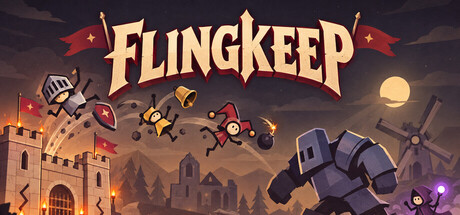 flingkeep In-game content audioarttext | Includes prerecorded AI-generated enemy voices, AI-generated promotional artwork in the Steam assets and trailer, and AI-assisted store-page translations awaiting native review. No AI content is generated during gameplay. | Nextgenrun games | - | Oct 12, 2026 | |
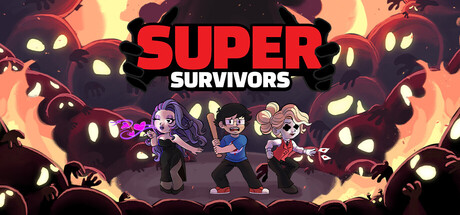 Super Survivors general | Placeholders. | Mega Drill | - | Oct 12, 2026 | |
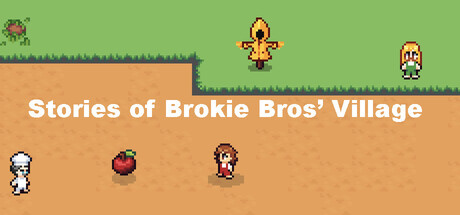 穷鬼村物语 Store/marketing art | Currently, AI‑assisted Photoshop image editing is only used for the Steam store‑page assets. No AI is utilized within the game itself. All image and audio assets are either sourced from free open‑source resources or purchased commercially. | brokie_bro_peilin | - | Oct 12, 2026 | |
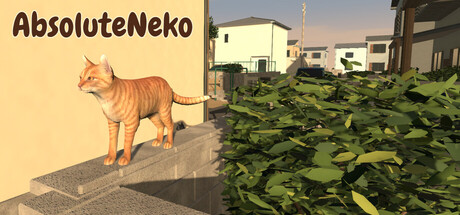 AbsoluteNeko In-game content art | Generative AI was used during development to help create some environment models and props, as well as the day/night UI illustrations. The game does not generate AI content during gameplay.Generative AI was also used to help create some store and promotional artwork and store descriptions. | Saya | - | Oct 12, 2026 | |
 Keystrike Dev only code | AI was used for some portions of code. All art is hand drawn and all game design and ideas are our own. | Usiah Barnes | - | Oct 12, 2026 | |
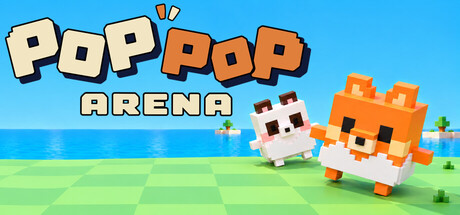 Pop Pop Arena In-game content artaudiotext | Generative AI tools were used during development to create background artwork, images, music, and translations. These are pre-generated assets. No AI content is generated during gameplay. | Team Monolith Inc. | - | Oct 12, 2026 | |
 ONSIGHT Store/marketing codetext | AI-assisted tools were used during development for programming, debugging, shader work and some store-page text. All output was reviewed and integrated by the developer. No live-generated AI content is used in gameplay. | Fat Set Studios | - | Oct 12, 2026 | |
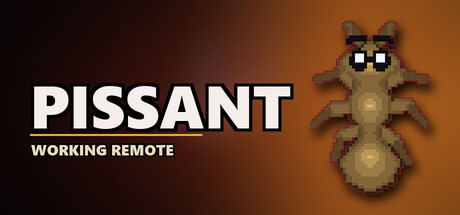 Pissant In-game content textaudiocode | Pissant is built with AI-assisted code. The developer directs and edits everything; an AI assistant helps write the game's code, its in-game text, the music scores and the store and marketing text. No AI image, video or voice generator made anything in the game: every visual is drawn by the game's own procedural code, and every sound and note of music comes from its own synthesis engine. No generative AI runs during gameplay, and the game does not connect to any AI service. | ClaudetoCEO | - | Oct 12, 2026 | |
 Akgwi Slash In-game content audio | The current game features temporary music tracks generated using AI. We plan to replace these with original compositions created specifically for the game by the full release or future updates. | Funnection | - | Oct 11, 2026 | |
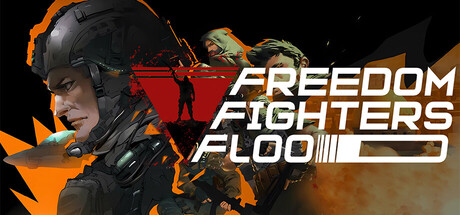 Freedom Fighters Flood In-game content art | Generative AI was used for minor texture touch-ups during development. All AI-assisted content was manually reviewed and finalized by the developer. | Viosama Studios | - | Oct 11, 2026 | |
 Exodus Survivors In-game content artaudiocode | Generative AI tools were used during the development of Exodus Survivors to create some of the game's visual assets and music. AI was also used as a development tool to assist with programming and other aspects of production. The game was developed and assembled by the developer, with the final content selected, edited, integrated, and reviewed as part of the development process. | Joan Sabé Martínez | - | Oct 11, 2026 | |
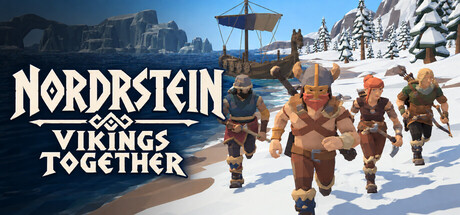 Nordrstein: Vikings Together Store/marketing art | It has been used in the page visuals and logo. | cnsgames | - | Oct 10, 2026 | |
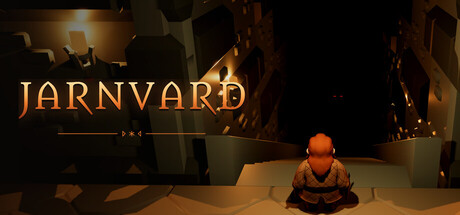 Jarnvard In-game content arttext | Some character and equipment models were generated with an AI 3D tool and then rigged, recoloured and edited by hand. The icons were designed with AI tools and drawn in code, and the game's text was written with AI assistance and edited by the developer. Environments use asset packs made by people, sound effects come from a sound pack recorded by people, and the music is synthesised by the game's own code. No AI generates anything while you play. | CrowSteel | - | Oct 10, 2026 | |
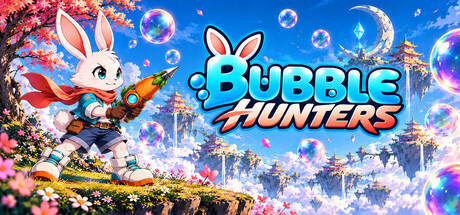 Bubble Hunters In-game content artaudio | Generative AI tools were used during development to create selected visual and audio assets. All AI-generated content was reviewed, edited, and integrated by the development team. | DREAMPATH | - | Oct 10, 2026 | |
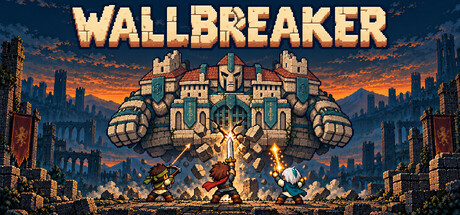 Wallbreaker In-game content artaudiotext | Generative AI tools were used during development to create and refine pre-made visual assets, music and sound assets, and localized text. These assets are bundled with the game. No content is generated by AI during gameplay. | LHJ | - | Oct 10, 2026 | |
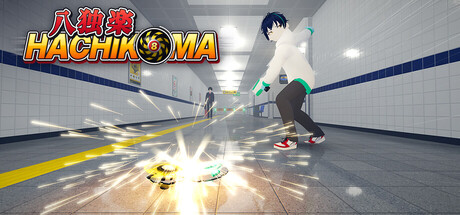 HACHIKOMA: Underground Stadium No. 8 In-game content artcode | This game contains content created with the assistance of AI tools. AI was used during development to assist with programming, visual assets, and other creative elements. All generated content was reviewed, edited, and integrated by the dev. | ISEKAI Games | - | Oct 10, 2026 | |
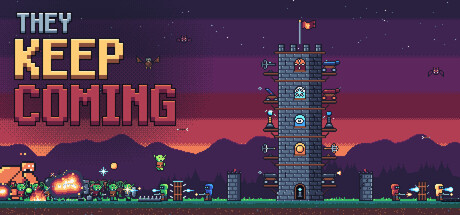 They Keep Coming In-game content artcode | AI tools helped us write parts of the game's code and create some of its art. No content is generated by AI while you play. | McHunter Studio | - | Oct 10, 2026 | |
 萤光之旅 In-game content art | Generative AI was used to help create pre-generated character and enemy artwork, scene backgrounds, and store promotional illustrations. These assets were selected, prepared, and integrated by the developer. No AI content is generated during gameplay. | 萤光工作室 | - | Oct 10, 2026 | |
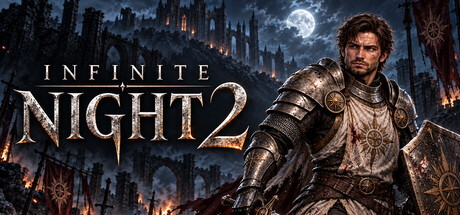 Infinite Night 2 In-game content artaudiotext | Generative AI tools were used to help create some visual assets, music, and store/promotional materials, and to assist with translation. No generative AI is used to create content during gameplay. | SUHO LEE | - | Oct 10, 2026 | |
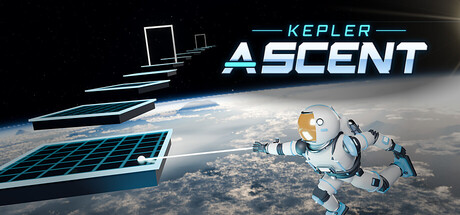 Kepler Ascent In-game content textaudioart | Kepler Ascent was made by an independent developer with the help of generative AI tools. AI was used to write part of the game's text (story and AURA's lines), to compose the music and create AURA's synthesized voice, to build some 3D models and cinematic sets (generated through scripts), and to produce the logo and artwork of this store page (rendered from the game's own models). All of this content was created ahead of time and reviewed by the developer. Nothing is generated by AI while you play. | Sailxe | - | Oct 10, 2026 | |
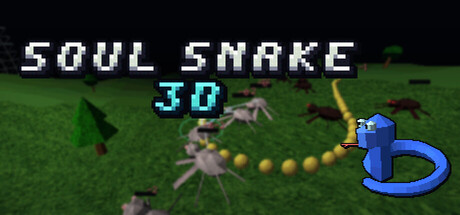 Soul Snake 3D In-game content artaudiocode | Some in-game 3D models, textures and sound effects are generated by code written with AI assistance. | nanophage research | - | Oct 10, 2026 | |
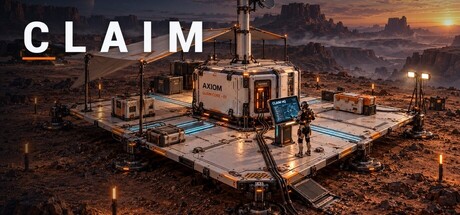 CLAIM In-game content art | Some pre-generated artwork was created with the help of generative AI tools and then edited by the developer, including store and marketing images and some loading-screen art. No AI content is generated live while you play, and the game does not connect to any AI service. | Pathfinder Studios | - | Oct 10, 2026 | |
 DON'T LET THEM BOARD! In-game content arttext | Generative AI was used to create some of the game's content. The illustrations and the characters (character designs and artwork and models) were created with the help of generative AI tools, then selected, edited and integrated by the developer. Some English localization text (UI and character descriptions) and the store page description were also drafted with an AI assistant and reviewed and edited by the developer. The game does not generate any content with AI while it is running. | Nakaday | - | Oct 10, 2026 | |
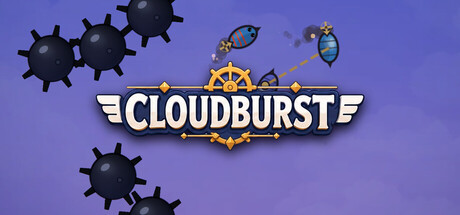 CloudBurst In-game content audio | The game's sound effects were created with AI audio-generation tools during development, then selected and level-matched by the developer. Nothing is generated by AI while you play. | GabDsg | - | Oct 10, 2026 | |
 AfterCursor In-game content text | AI was used to help localize this game in multiple languages. | Phoenix Downtown Studios | - | Oct 10, 2026 | |
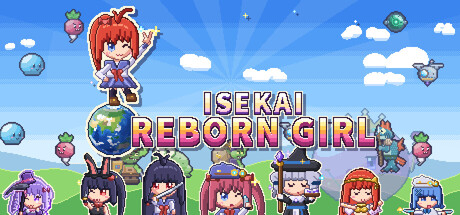 Isekai Reborn Girl In-game content art | AI was used during development to create some of the game's visual artwork and graphical assets. The AI-generated assets are pre-generated and included as static content in the game. No AI content is generated during gameplay, and the game does not connect to or use an AI service at runtime. | Isekai Reborn Girl 製作委員会 | - | Oct 10, 2026 | |
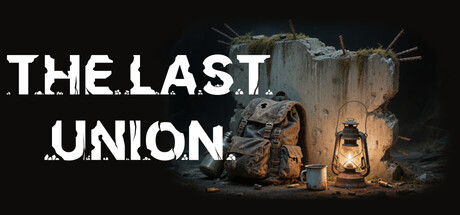 The Last UNION In-game content artaudio | Some images in the game were generated using AI tools and then refined by the game's developer. All the music in the game was written by the game's developer, but the mastering was done using AI tools. The 3D character models (all except the zombie mutants) were initially generated via AI and later refined and adapted by the game's developer. | DevStoria | - | Oct 10, 2026 | |
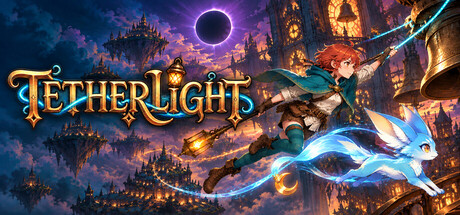 Tetherlight Store/marketing art | Steam store and library, including capsule images, the logo and icons Gameplay screenshots were captured directly from the game. | Tetherlight Studio | - | Oct 10, 2026 | |
 Hell Control Store/marketing arttext | Generative AI tools were used to help create promotional artwork and Steam store page text. This content was prepared in advance. The game does not use generative AI or connect to external AI services during gameplay. | RokuGo Studio | - | Oct 10, 2026 | |
 KILL ALL 8.2 BILLION HUMANS Store/marketing art | some visual assets and promotional materials for KILL ALL 8.2 BILLION HUMANS were created with the assistance of generative AI tools. All AI-generated content was reviewed, refined, and integrated by the developer to ensure consistency with the game's artistic direction and quality standards. | DuyumStudios | - | Oct 10, 2026 | |
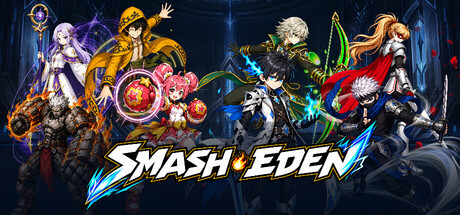 SMASH EDEN In-game content arttext | Generative AI was used during development to assist with artwork and localization, including some store and promotional materials. The game does not generate AI content during gameplay or connect to external AI services. | Hachi Eito | - | Oct 10, 2026 | |
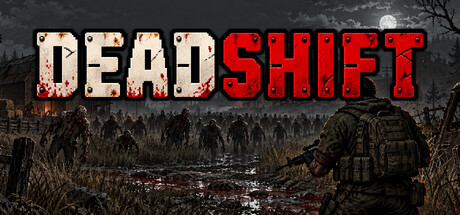 Deadshift In-game content art | Generative AI tools were used during development to assist with the creation and refinement of selected visual assets, concept artwork, UI elements, promotional/store-page materials, and development content. All generated content is reviewed and curated before inclusion in the game. The game does not currently generate AI content live during gameplay. | InbredJesus | - | Oct 10, 2026 | |
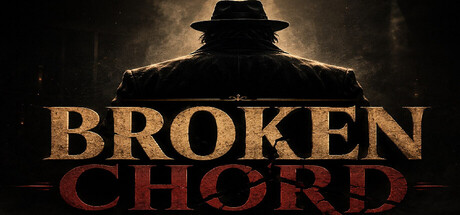 BROKEN CHORD In-game content artaudio | BROKEN CHORD uses generative AI in the creation of selected music and visual assets used in the game and its presentation. AI-generated material is curated, edited, and integrated into the game’s overall artistic and audiovisual direction by the developer. | ilkerrbr | - | Oct 10, 2026 |


