Public Steam disclosure research25,376 disclosures tracked
Where do games disclose AI use?
Search developers’ Steam disclosures, compare classified AI use across
games, and follow recorded changes.
This index adds cross-game classifications and statistics to
statements published on individual store pages.
Groups reflect automatic analysis of public disclosures; mature records are excluded. These counts do not measure AI use across all of Steam.
Missing or unclear statements cannot establish whether a game uses AI.
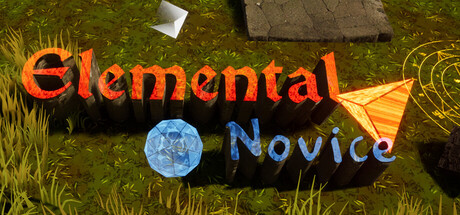
Generative AI products such as Github Co-pilot and ChatGPT were used to assist in the debugging and testing of code. However, all creative aspects of programming were manually written.
Generative AI with open-source public licensing was used to create concept art and draft marketing material which was then manually modified for production with Aesprite, Photoshop, and Canva. None of the content used within the game or marketing materials violate existing copyright or impersonate living persons.
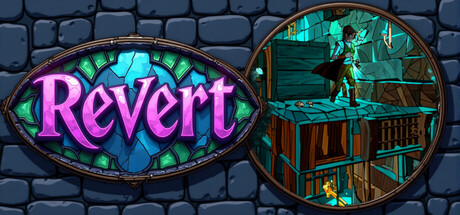
The stained glass artworks in the game were generated by AI. For each level, we needed 3 different stained glass depictions of different animals. Our logo and some of our UI elements were also designed by AI.
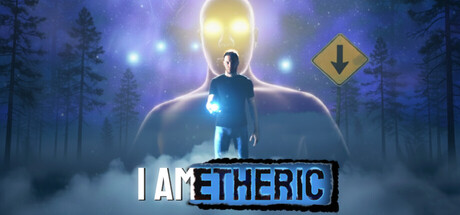
The AI in this game was used to generate a voice for the main character in the game.
For more details on what we generated:
1. Character screams
2. Character scares
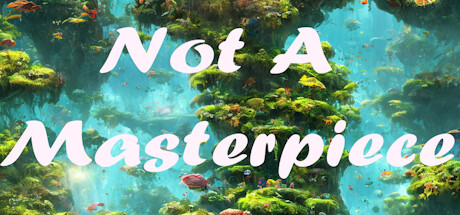
We've harnessed the power of Generative AI technology to create several of our game's unique theme background artworks, enhancing your gaming experience with visually stunning designs.
NPC responses are generated in real-time by Chat GPT.
The game is connected to the AI model and generates customized prompts based on player text inputs.
The store pages primarily feature AI-generated text. Within the game, all voiceovers are created using AI, and certain meshes have been generated through AI as well.
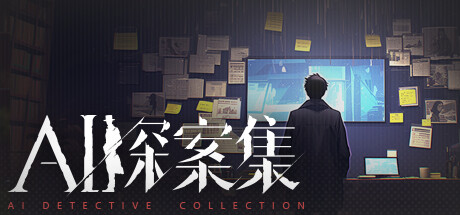
This game is driven by embedding AI. This “AI” is not generative AI. The NLP (Natural Language Processing), that characterize similarity between player input text and prepared scenario pattern, is used. All of contents in this game was made by developer.
Art and visual assets were created with AI-assisted tools as part of a custom development pipeline. All assets are manually reviewed, edited, and refined to meet the game’s creative vision and maintain stylistic consistency. The game does not use AI to generate content at runtime.
Game allows player to use voice as a main input tool. To achieve great quality of speech to text, a base version of openai's whisper model is used.
Model:
https://openaipublic.azureedge.net/main/whisper/models/ed3a0b6b1c0edf879ad9b11b1af5a0e6ab5db9205f891f668f8b0e6c6326e34e/base.pt
Repository with license:
https://github.com/openai/whisper
The content seen in the game is not live-generated. The player's input is embedded into a vector through a small model with 278M parameters.
Model:
https://huggingface.co/sentence-transformers/paraphrase-multilingual-mpnet-base-v2
Then, the game uses Faiss to match the player's input to known, predefined inputs. Each of those describes a reaction and change in the state of the game.
Repository and License:
https://github.com/facebookresearch/faiss
Icon was made with local diffusion model.
Generative AI products such as Github Co-pilot and ChatGPT were used to assist in the debugging and testing of code. However, all creative aspects of programming were manually written.
Generative AI with open-source public licensing was used to create concept art and draft marketing material which was then manually modified for production with Aesprite, Photoshop, and Canva. None of the content used within the game or marketing materials violate existing copyright or impersonate living persons.
The stained glass artworks in the game were generated by AI. For each level, we needed 3 different stained glass depictions of different animals. Our logo and some of our UI elements were also designed by AI.
The AI in this game was used to generate a voice for the main character in the game.
For more details on what we generated:
1. Character screams
2. Character scares
We've harnessed the power of Generative AI technology to create several of our game's unique theme background artworks, enhancing your gaming experience with visually stunning designs.
NPC responses are generated in real-time by Chat GPT.
The game is connected to the AI model and generates customized prompts based on player text inputs.
The store pages primarily feature AI-generated text. Within the game, all voiceovers are created using AI, and certain meshes have been generated through AI as well.
This game is driven by embedding AI. This “AI” is not generative AI. The NLP (Natural Language Processing), that characterize similarity between player input text and prepared scenario pattern, is used. All of contents in this game was made by developer.
Art and visual assets were created with AI-assisted tools as part of a custom development pipeline. All assets are manually reviewed, edited, and refined to meet the game’s creative vision and maintain stylistic consistency. The game does not use AI to generate content at runtime.
Game allows player to use voice as a main input tool. To achieve great quality of speech to text, a base version of openai's whisper model is used.
Model:
https://openaipublic.azureedge.net/main/whisper/models/ed3a0b6b1c0edf879ad9b11b1af5a0e6ab5db9205f891f668f8b0e6c6326e34e/base.pt
Repository with license:
https://github.com/openai/whisper
The content seen in the game is not live-generated. The player's input is embedded into a vector through a small model with 278M parameters.
Model:
https://huggingface.co/sentence-transformers/paraphrase-multilingual-mpnet-base-v2
Then, the game uses Faiss to match the player's input to known, predefined inputs. Each of those describes a reaction and change in the state of the game.
Repository and License:
https://github.com/facebookresearch/faiss
Icon was made with local diffusion model.